
100% Inspection System: Actual Installation Steps and Precautions
In the production of printing, a missing character, a tiny color shift, or a registration error may happen from time to time and go undetected by either manual checks or sampling inspection. When such imperfections finally make their way to clients, the cost is no longer limited to reworking—it extends to complaints, returns, and discrediting the brand’s reputation.
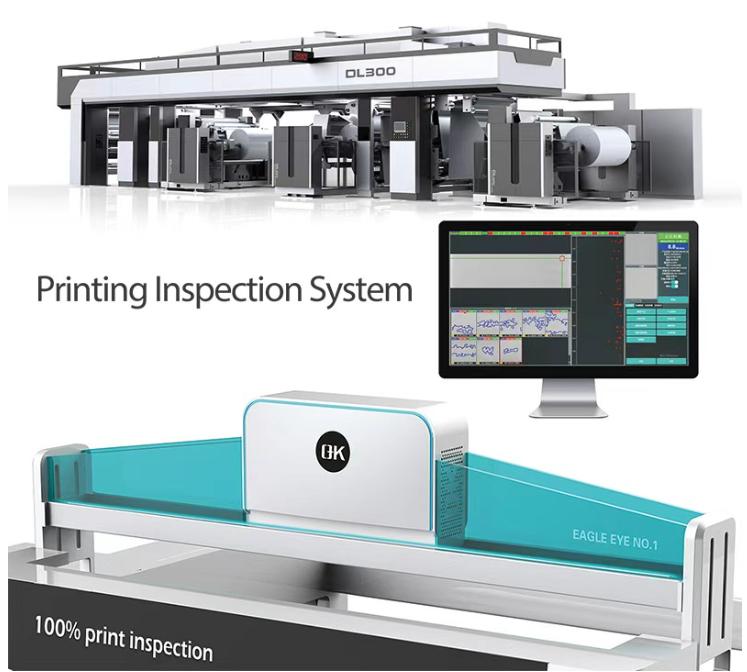
The solution to this problem is a complete inspection system that eliminates the need for sampling by checking every product in real-time during its transit through the production line.
If it is installed and serviced correctly, it gives stable, objective quality control without production getting slower. This article delves into the details of employing a 100% inspection system.
Table of Contents
Key Components of a Print Inspection System
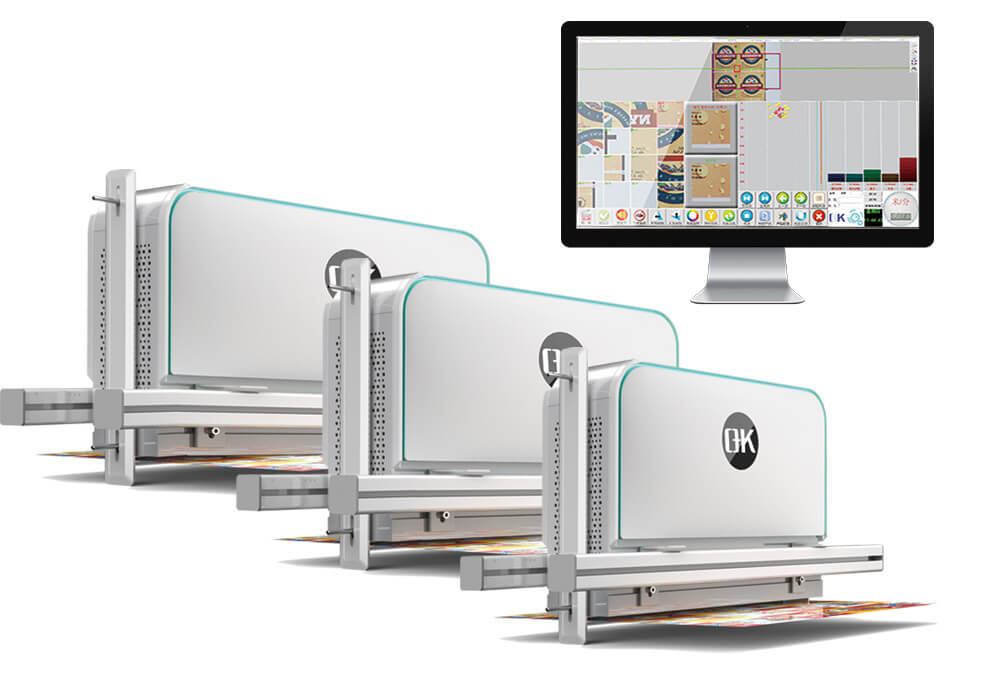
A dependable print inspection setup consists of several components, each of which is heavily reliant on the others. Any weakness in one of the components will lead to a direct increase in the rate of errors in the inspection and a drop in the overall stability of the system. Below, I provide the main components:
- Vision Cameras
The industrial-grade cameras are capable of capturing the printed images at the maximum production speed. Area-scan cameras are more suited to operate with intermittent or discrete products, while line-scan cameras are the type most commonly used for continuous materials, depending on application requirements. The camera resolution has to be chosen taking into consideration the smallest defect that should be detected.
- Lighting System
Turned on lighting of good quality is a must for steady inspection. The lighting system is tailored to the printed material in such a way that it offers high contrast between the printed matter and the background without causing any reflections from the glossy or uneven spots. In a 100% inspection system, lighting stability might very well be a more crucial factor influencing performance than camera resolution.
- Image Processing Hardware
The processing unit plays a vital role in real-time image analysis and defect comparison. It has to be very fast because the system has to process huge amounts of image data at once, especially on high-speed lines. Not enough processing power means some defects will be missed, and there will be no clear results.
- Inspection Software
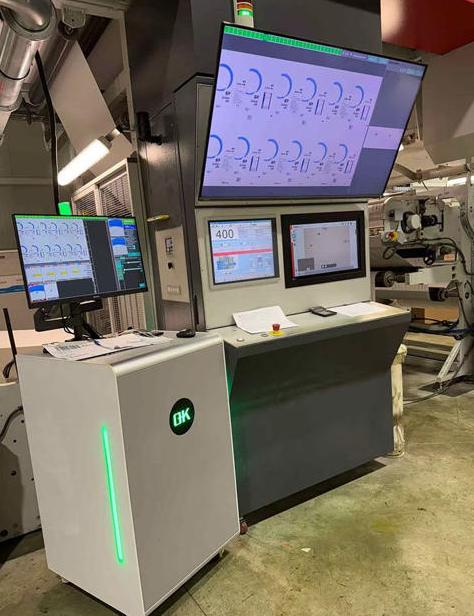
It is the software that determines the inspection logic, defect threshold, and acceptance criteria. A well-designed print inspection system lets the users modify the parameters according to the actual production data and not by some fixed presets. The clear visualization of defects assists the operators in making quick and well-informed decisions.
- Reject and Alarm Mechanisms
In defect detection, the system has to react without any delay. The reaction may consist of a reject device being activated, the line being stopped, or alarms being sounded. The timing of the inspection system and the downstream equipment signals has to be extremely reliable to ensure that the defective products are accurately removed.
Pre-Installation Preparation: What Users Should Check First
The majority of performance problems in a 100% inspection system do not derive from the system itself, but rather from a lack of preparation taking place before installation. The production environment needs to be very well understood.
- Production Line Conditions: Verify real line speed, web stability, product sizes, and print repeat length. The inspection system specification should be done for the maximum operating speed and not the average speed.
- Defect Standards and Quality Criteria: Make it clear what defects are critical and what are tolerable. Missing prints, color deviation, registration errors, smearing, and barcode defects should all have measurable thresholds. If the standards are not defined or constantly changed, inspection results will be inconsistent.
- Inspection Position Selection: Select a place where the printed image can be seen clearly and is mechanically stable. Do not consider places with too much vibration, floating of materials, or varying tension, as these factors have a strong influence on the quality of the image.
- Environmental Factors: Investigate the areas for dust, ink mist, solvents, and fluctuation in temperature. All these factors affect not only the clarity of the camera but also the stability of the lighting and might lead to the necessity of protective housing or air purge systems.
- Integration and Control Requirements: Think of the way the print inspection system will be connected with PLCs, reject devices, and data systems. It is important to determine beforehand the signal timing, reject distance, and response delays to prevent any mis-rejection.
The print inspection system that is thoroughly prepared will not only take less time for commissioning but also be more reliable, as it will operate continuously from the first production run.
Actual Installation Steps of a 100% inspection system
1. Fix stability first, accuracy later
Mechanical stability should be the first step in camera installation. The cameras and illumination need to be fixed on robust structures that can withstand the impact of full-speed production. Even the slightest movement can result in the detection being unstable in a 100% inspection system, particularly for the printing defects that are not so big.
2. The inspection zone should be properly marked
Only the area of effective printing should be covered by the camera’s field of view. The presence of too much background not only reduces the efficiency of processing but also adds to the noise. Similarly, normal print position variations must not go out of the area’s coverage during continuous production.
3. Lighting to be done for real production situations
Lighting has to be done when the line is operating, not when it is in a static setup. The aim should be to achieve even contrast and not high brightness. The reflections, shadows, and gloss of the ink usually only become visible at the operating speed and thus have a direct impact on the reliability of the print inspection system.
4. Synchronizing signals with actual line speed
The inputs from the encoder, triggers, and reject outputs need to correspond with the timing of the actual production. The reject distance and delay should be checked repeatedly to ensure that defective items are removed correctly, even if the line speed changes.
5. Create the logic for inspection with real samples
The reference images will be taken from the confirmed good products. The detection thresholds will be set using the real defect samples, rather than the default values. An inspection recipe will be made for each product or layout.
6. Validate before full production
Short trial runs assist in the process of adjusting detection sensitivity and false rejects. The 100% inspection system should not be allowed for continuous operation unless the system consistently performs well under normal conditions.
Choosing the Right 100% inspection system for Your Application
After a 100% inspection system got into production, being stable in the long run became more important than being accurate in the initial detection. Performance drops would usually occur in a gradual way and thus not be noticed until the increase in defect rates. The operational precautions listed in the table below are the main ones that contribute to the long-term stability and reliability of the print inspection system.
| Focus Area | Key Action | Why It Matters |
| Optics | Keep lenses and lights clean | Dirt reduces image contrast and detection stability |
| Lighting | Monitor brightness consistency | Aging lights change inspection sensitivity |
| Calibration | Recalibrate after changes | Product or layout changes affect accuracy |
| Parameters | Control manual adjustments | Untracked tuning causes unstable results |
| Operators | Train proper alarm response | Resetting alarms hides real issues |
| Reject timing | Verify reject accuracy | Speed variation leads to mis-rejection |
| Data use | Review defect trends | Helps identify root causes early |
| Environment | Maintain protective measures | Dust and heat affect system reliability |
Sum Up
A 100% inspection system guarantees that every single product is checked instantly and all defects are captured before they get to the consumers. Reliable performance is assured only when the setup, calibration, and operation are carried out properly and with discipline.
Arise’s system offers the possibility to combine high-speed accuracy and easy operation of the system, as well as being able to see and identify defects on prints and surfaces of various materials. The system’s downtime and waste are at a minimum. Its functional design and worldwide support make it one of the most trustworthy choices for quality control that is both consistent and long-term.
To witness the positive impact of Arise’s 100% inspection system on your production line, reach out to our team for a tailored consultation today.