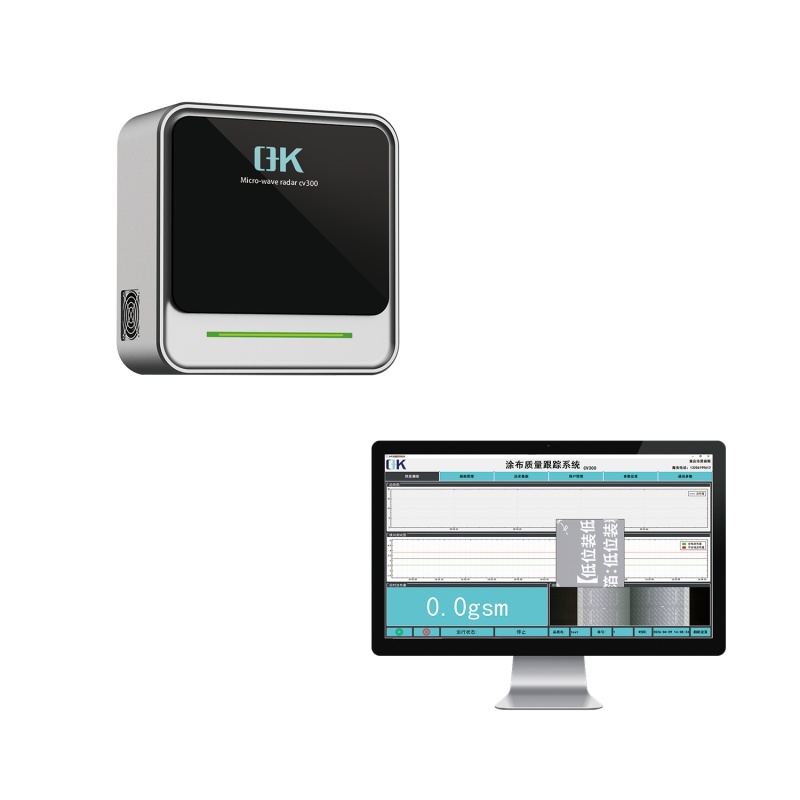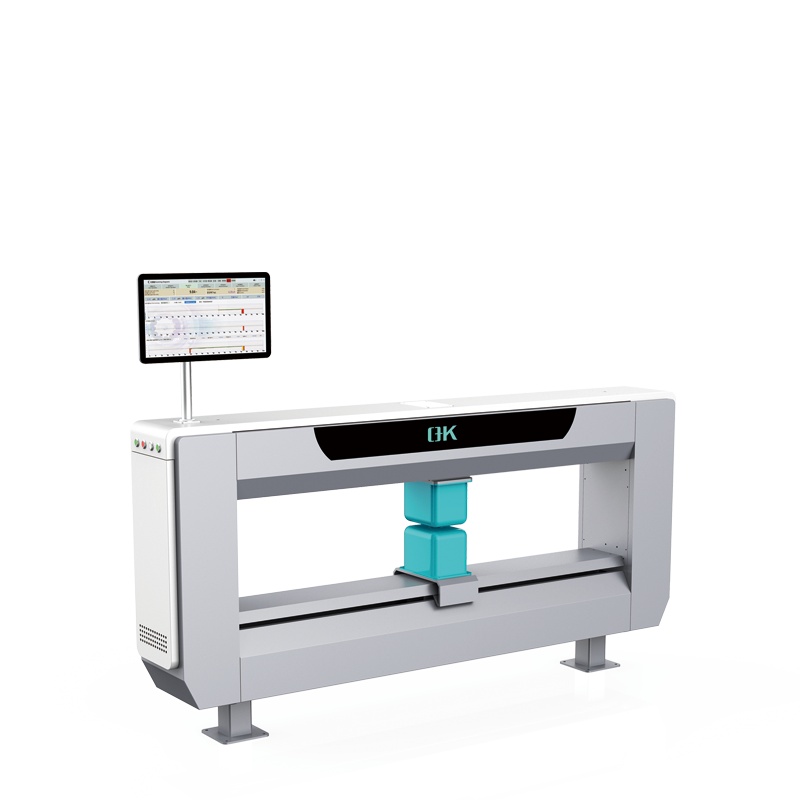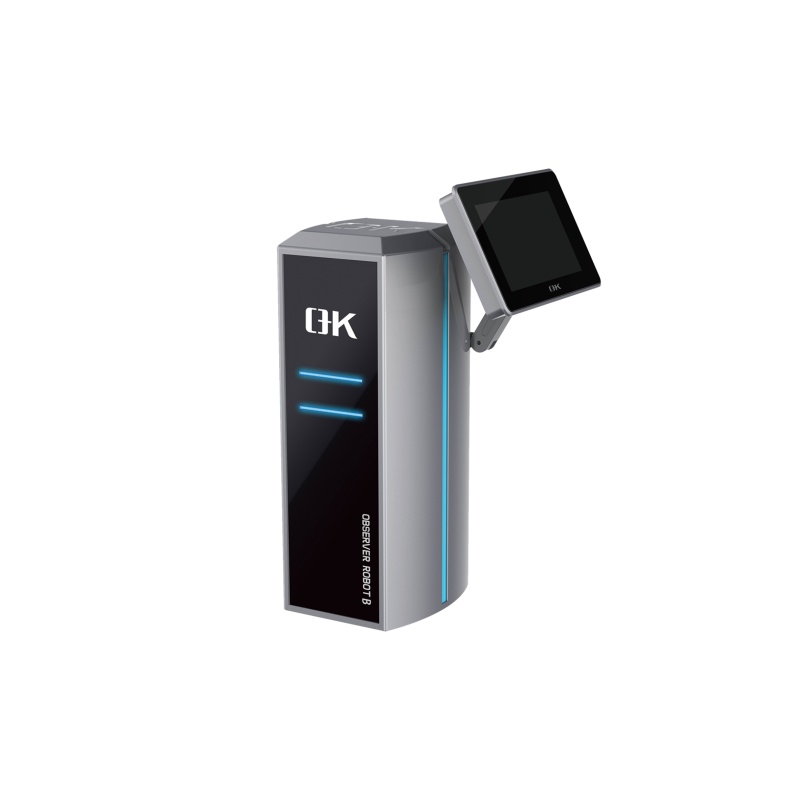
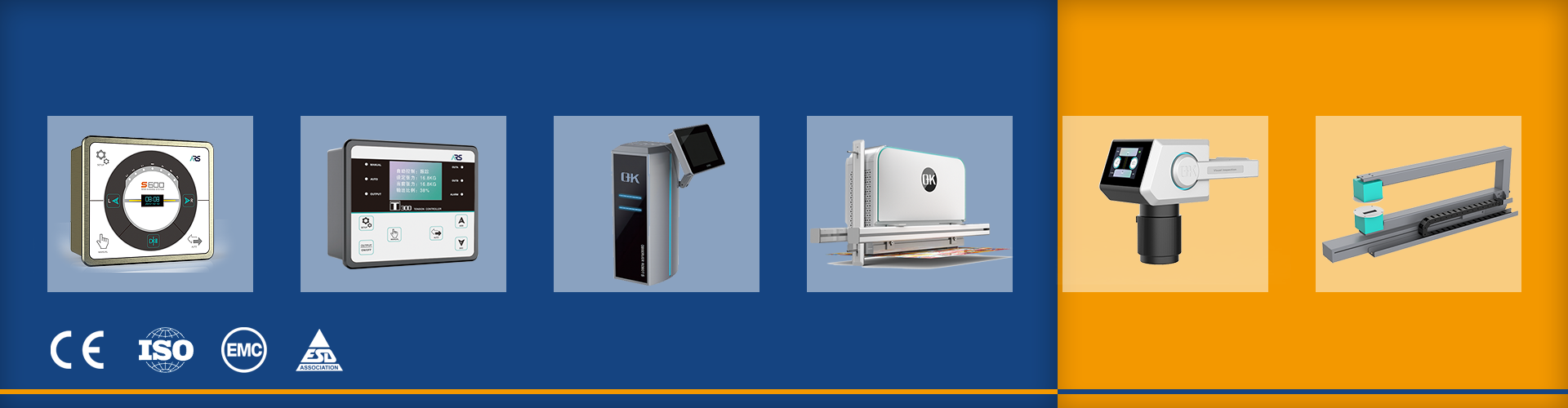
A print inspection system functions as a specialized solution which continuously assesses and controls the printing quality of both physical printed materials and digital web content. The system employs advanced imaging technologies which include cameras and sensors to identify various defects that include misalignment, color deviations, smudges, missing elements, and incorrect barcodes. Printer quality inspection systems which operate in multiple industries including packaging and pharmaceuticals, publishing, and manufacturing, help businesses achieve operational accuracy and maintain standard compliance while decreasing production waste and reducing errors in their high-speed production processes.
Web Inspection and 100% Printing Inspection System
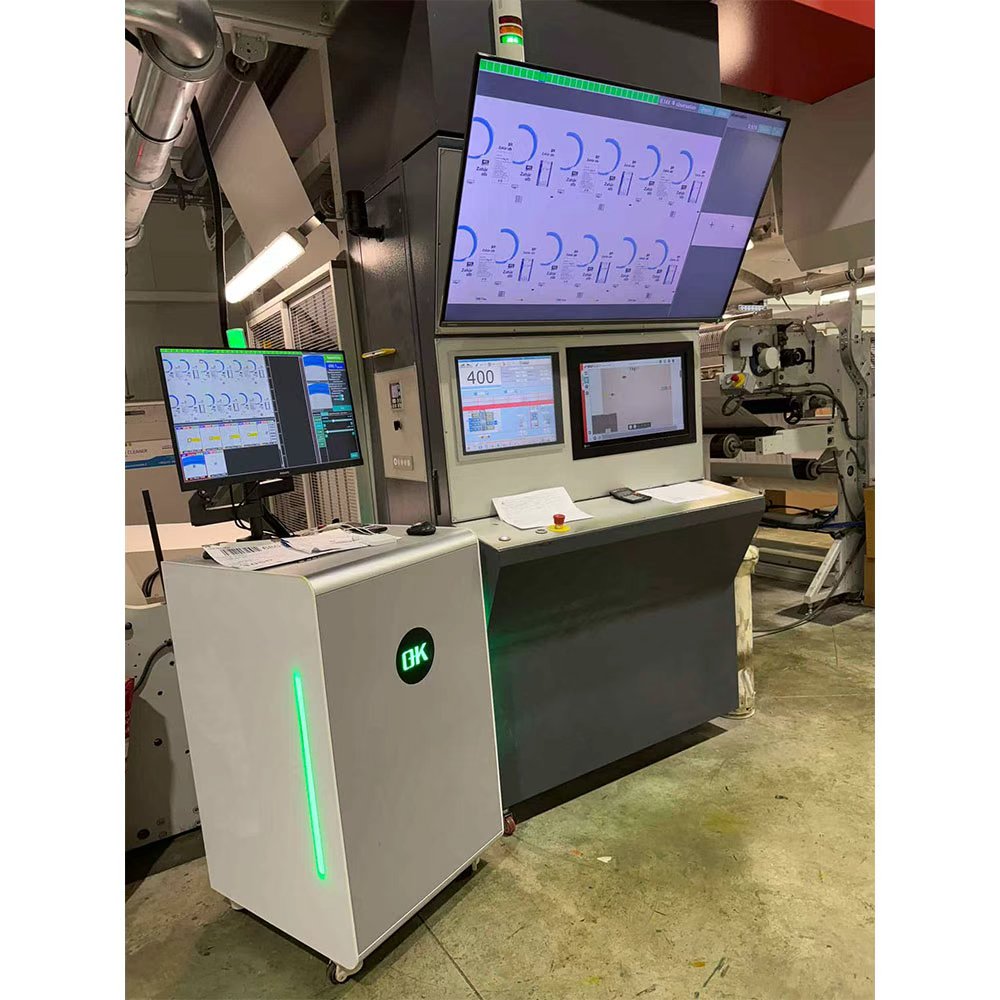
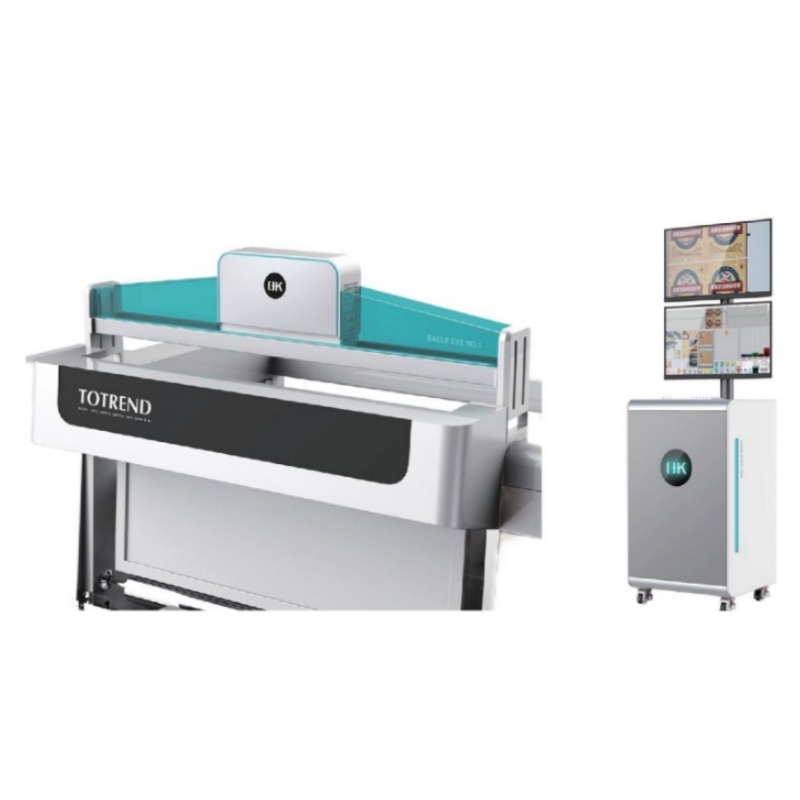
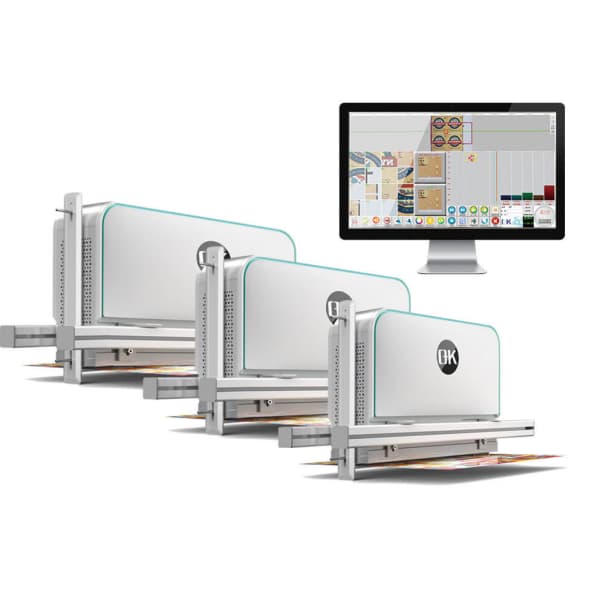
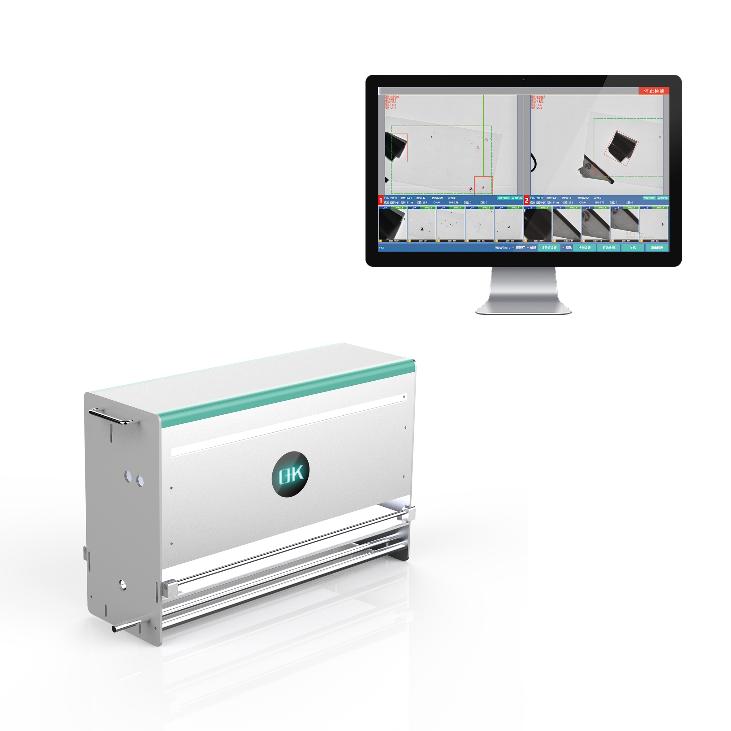
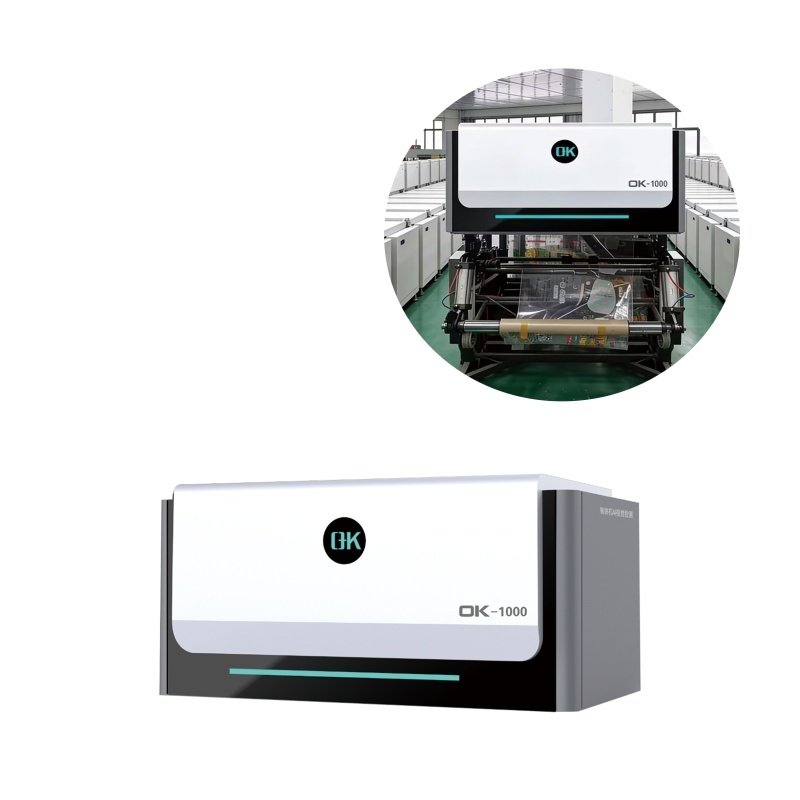
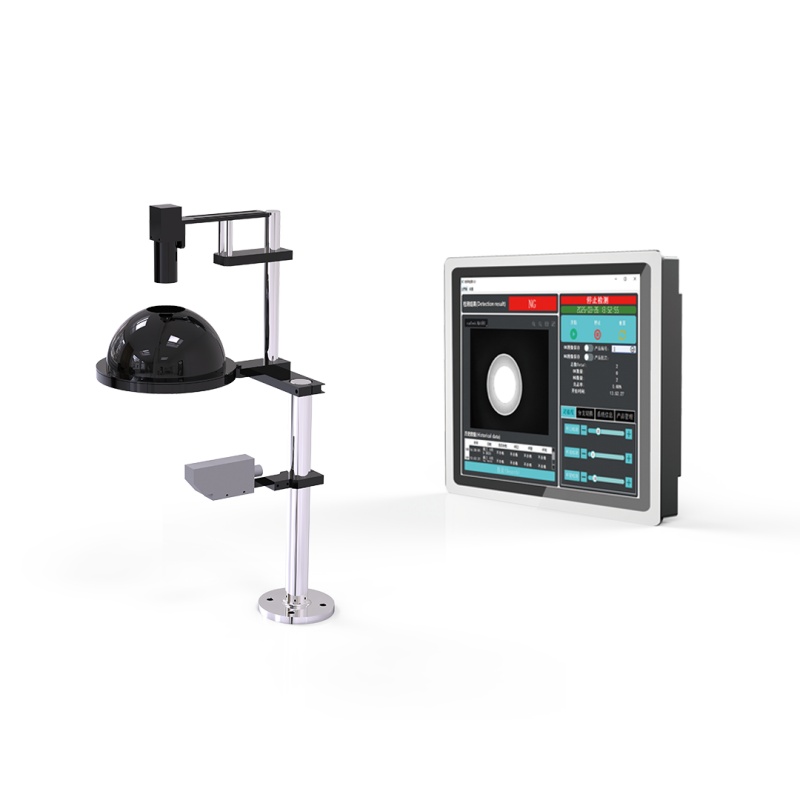
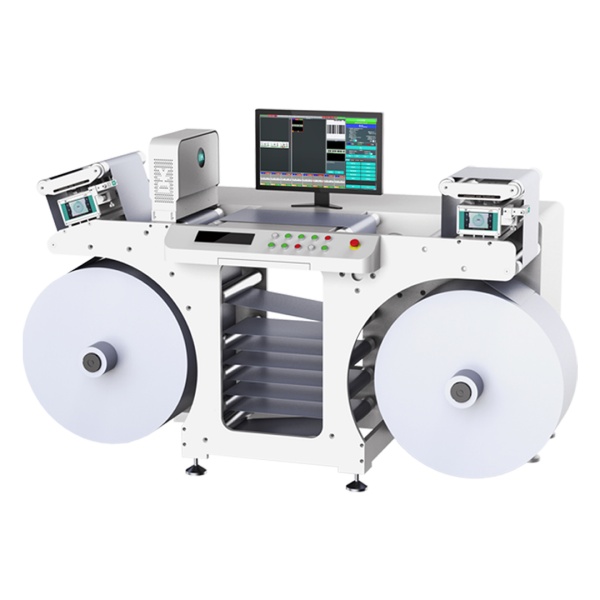
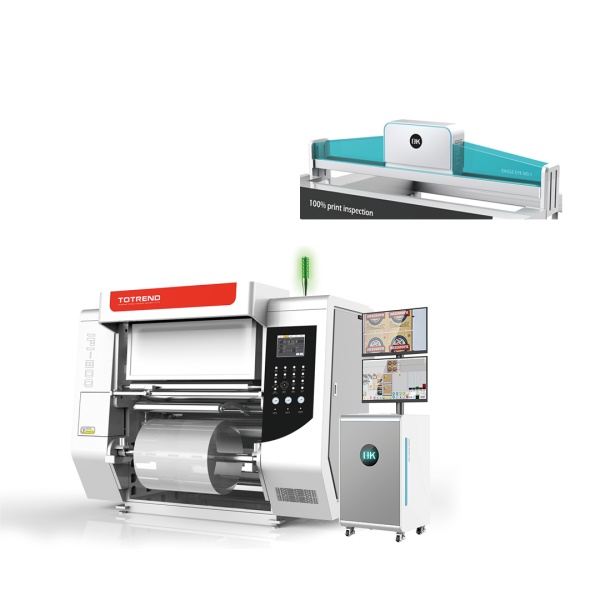
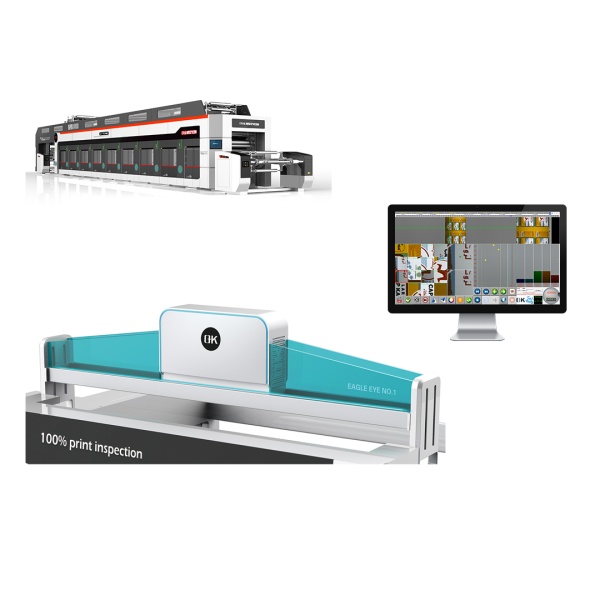
Working Videos of Print Inspection Systems
How Does Print Inspection System Work
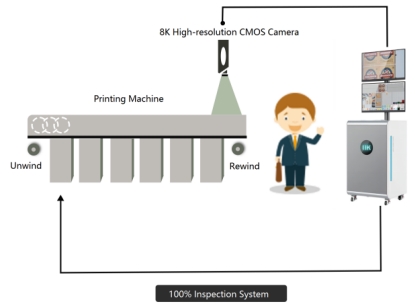
The printing inspection system uses advanced imaging technologies to detect printing errors through high-resolution cameras and sensors which capture printed material during production. The software analyzes these images through advanced pattern recognition and defect detection algorithms which run on its sophisticated software system. The 100% printing quality inspection machine compares the captured images against predefined quality standards or reference templates to identify any anomalies, such as misalignments, color inconsistencies, or defects like smudges and missing elements.
The system creates alerts when it detects problems or halts production processes to prevent defective prints from reaching customers. The printing quality inspection systems reach high accuracy results through their automated process, which operates effectively in fast-paced printing environments.
Key Components
This chart provides a concise overview of the essential components that work together to ensure the efficiency and accuracy of an automated print inspection system.
| Component | Description | Function |
| Camera Systems | High-resolution cameras capture images of printed materials. | These cameras detect defects, inconsistencies, and quality issues in the print output by scanning at high speeds. |
| Lighting Systems | Specialized lighting is used to enhance visibility of defects. | Proper lighting (e.g., LED, diffused) highlights potential flaws like smudges, color inconsistencies, or alignment issues. |
| Software and Algorithms | Advanced image processing software analyzes the captured images. | Software identifies defects such as missing print, color variation, misalignment, and foreign objects using machine learning or AI algorithms. |
| Data Storage and Analysis | Data from inspections is collected, stored, and analyzed. | The system stores defect patterns and analysis results, providing insights into production quality, trends, and operational efficiency. |
| Conveyor Systems | Automated systems move printed materials through the inspection area. | Conveyors transport items efficiently, maintaining high throughput while positioning materials for thorough scanning. |
| Defect Detection Sensors | Sensors detect specific types of defects (e.g., color shifts, print clarity). | Sensors complement camera systems by triggering alarms when particular defects are detected, ensuring consistent quality control. |
| Rejection/Sorting Mechanisms | Systems to reject or sort out defective items. | Items with defects are automatically removed from the production line, sorted for rework, or discarded to maintain product quality. |
| Human-Machine Interface (HMI) | User interface for operators to interact with the system. | Operators can monitor performance, adjust settings, view reports, and manually intervene when necessary via the HMI. |
| Network Integration | Systems are connected to larger production networks or databases. | Integration allows for real-time tracking of production metrics, sharing defect data, and ensuring quality control is aligned with production goals. |
| Reporting and Analytics Tools | Tools for generating performance reports and tracking trends. | Provides detailed insights into defect types, frequency, and other key metrics, allowing for continuous improvement in printing processes. |
Applications of Print Inspection System
This chart highlights the diverse use cases of print inspection systems across industries, showcasing their importance in maintaining quality, accuracy, and compliance.
| Application | Description | Industry | Benefits |
| Packaging Quality Control | Inspects packaging materials for alignment, color accuracy, and defects. | Food, Pharmaceuticals, FMCG | Ensures brand consistency and regulatory compliance. |
| Label Inspection | Checks for misprints, missing labels, or incorrect barcodes. | Retail, Logistics | Prevents labeling errors that could disrupt supply chains. |
| Security Printing | Verifies watermarks, holograms, and microprints in sensitive documents. | Banking, Government | Enhances anti-counterfeiting measures and document authenticity. |
| Commercial Printing | Monitors color fidelity and text alignment in brochures, flyers, and catalogs. | Advertising, Publishing | Ensures high-quality output for marketing materials. |
| Pharmaceutical Packaging | Detects defects in critical information like batch numbers and expiration dates. | Pharmaceuticals | Ensures patient safety and regulatory compliance. |
| Flexible Packaging Inspection | Checks for errors in films, laminates, and flexible substrates. | Consumer Goods | Ensures quality in lightweight and high-speed production materials. |
| 3D Print Inspection | Analyzes printed layers for consistency and surface flaws. | Manufacturing, Prototyping | Reduces material waste and ensures dimensional accuracy. |
| Textile Print Inspection | Monitors patterns, colors, and designs on printed fabrics. | Apparel, Home Textiles | Enhances fabric quality and minimizes production defects. |
| Metal and Foil Printing | Detects print quality issues on metal and foil surfaces. | Packaging, Industrial | Guarantees durable and clear markings in challenging environments. |
| Barcode and QR Code Verification | Validates readability and accuracy of printed codes. | Logistics, Retail | Improves inventory management and supply chain efficiency. |
Why Choose Arise as a Trusted Supplier of Print Inspection System
Arise stands out as a reliable provider of advanced print inspection systems, offering cutting-edge technology tailored to meet diverse industry needs.
Arise provides automated printing quality and web inspection solutions which deliver precise results through innovative technologies and dependable expert knowledge.
- Advanced Technology: Arise develops printing quality inspection systems which use advanced imaging and detection technologies to achieve high-performance results for quality control processes.
- Industry Expertise: Arise develops custom solutions which meet special operational requirements because of its extensive experience in packaging, pharmaceuticals, and printing industries.
- Customization Options: Arise provides systems which you can customize to fit your production line needs, which will improve your operational efficiency without interrupting your existing processes.
- Comprehensive Support: From consultation and installation to maintenance and upgrades, Arise ensures a smooth experience with dedicated customer service.
- Proven Reliability: Known for its delivery of automated inspection systems which maintain accuracy and durability over extended periods, Arise has has built its reputation as a reliable partner for quality assurance
- Cost-Effective Solution: By reducing production waste and minimizing errors, the automated inspection systems provided by Arise help optimize costs while maintaining the high quality standards.