
How Automated Inspection Systems Work for Reducing Print Errors
The printing industry now faces challenges because it needs to deliver constant product quality while working at high production speeds. The entire printing industry suffers financial losses and brand damage when even the smallest defects appear in any printed material which includes packaging, labels, newspapers, and specialty prints. Manufacturers rely on automated inspection systems, which have become essential, to detect and correct printing errors in real-time, which results in better printing results and more efficient business operations.
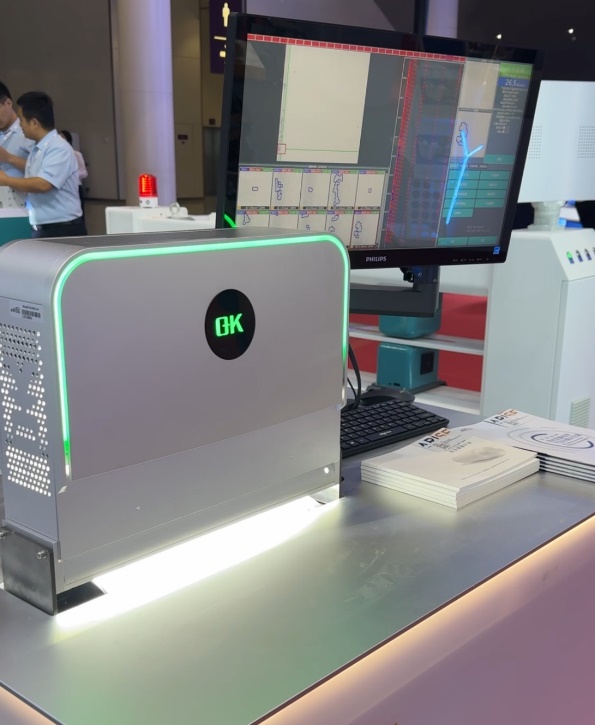
Table of Contents
Understanding Automated Inspection Systems in Printing
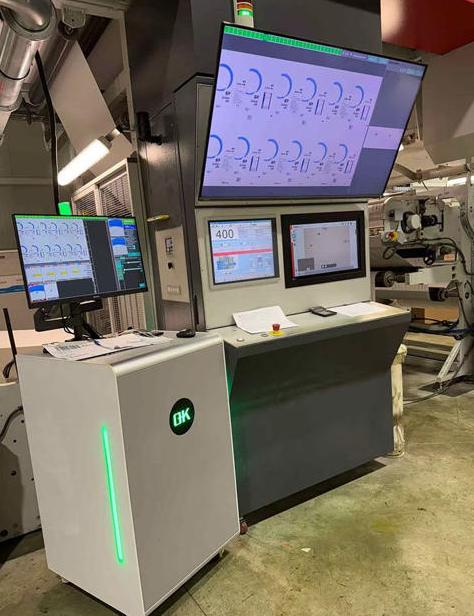
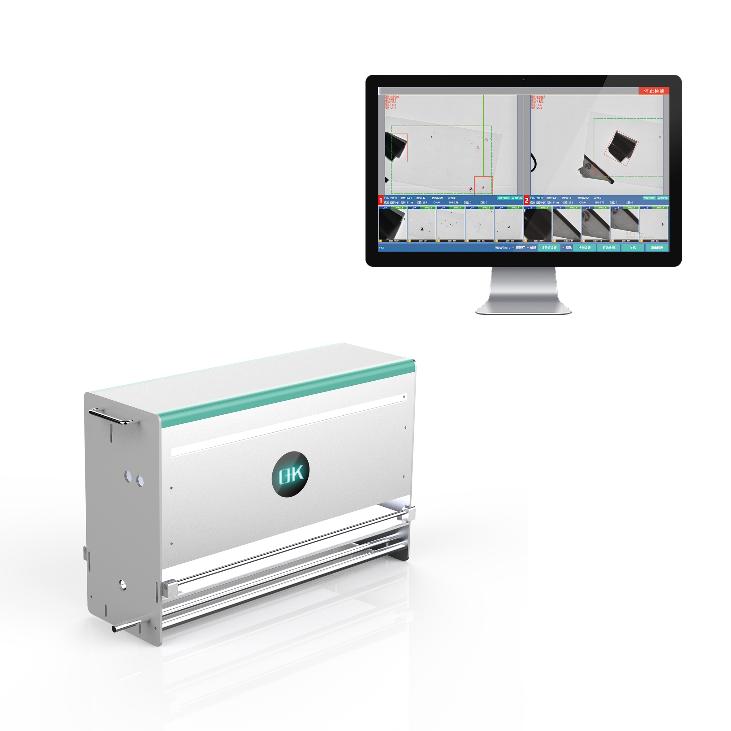
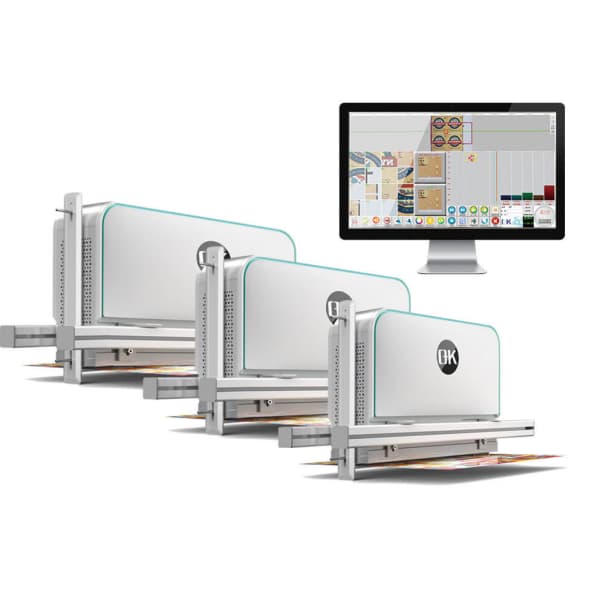
Automated inspection systems are advanced technologies that integrate high-resolution cameras, sensors, and intelligent software to monitor printed materials during production. These systems continuously scan the printed output, comparing it against predefined standards or digital reference files. The system detects all deviations as soon as they occur. Automated printing inspection systems have become necessary for facilities that need to process large amounts of work because they exceed the limitations and error risks associated with manual inspection.
Why Use Automated Inspection Systems for Reducing Print Errors
Automated inspection systems provide a reliable and efficient solution, helping manufacturers minimize errors and maintain high standards across every print run.
| Reason | Explanation | Key Benefit | Impact on Printing Operations |
| Consistent Quality Assurance | Continuous and objective monitoring of print output against set standards | Uniform print quality | Reduces variability and maintains brand consistency |
| Real-Time Error Detection | Instantly identifies defects during production | Immediate corrective action | Prevents large batches of defective prints |
| Waste Reduction | Detects errors early to minimize material loss | Lower paper, ink, and substrate waste | Decreases production costs |
| Increased Efficiency | Operates at full production speed without slowing processes | Faster throughput | Eliminates inspection bottlenecks |
| High Accuracy | Detects even minor defects beyond human capability | Improved defect detection | Enhances overall product quality |
| Reduced Labor Dependence | Minimizes need for manual inspection | Labor cost savings | Frees staff for higher-value tasks |
| Regulatory Compliance | Verifies critical data like barcodes and labels | Ensures compliance with standards | Avoids legal and quality issues |
| Data-Driven Insights | Collects and analyzes production and defect data | Process optimization | Enables continuous improvement |
| Automated Process Control | Integrates with printing systems for automatic adjustments | Faster response to issues | Stabilizes production and reduces downtime |
| Improved Customer Satisfaction | Ensures only high-quality products reach customers | Stronger brand reputation | Increases customer trust and reduces returns |
Types of Printing Errors Detected Through Automated Inspection Systems
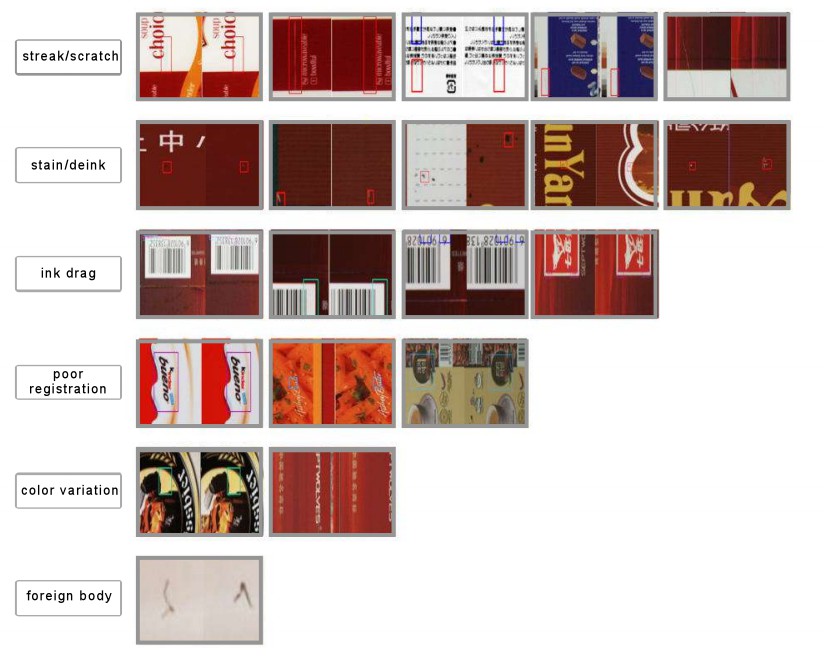
Automated inspection systems are capable of identifying a wide range of print defects
| Error Type | Description | Common Causes | Impact on Print Quality |
| Color Variation | Inconsistent color density or shade differences across prints | Ink imbalance, poor calibration, drying issues | Affects visual consistency and brand accuracy |
| Registration Error | Misalignment of different color layers or print positions | Plate misalignment, mechanical instability | Blurry images, distorted graphics |
| Missing Print Elements | Absence of text, images, or design components | Ink supply failure, clogged nozzles | Loss of critical information |
| Smudges and Streaks | Unwanted marks, lines, or ink spreading on the surface | Excess ink, dirty rollers, improper drying | Reduces clarity and professional appearance |
| Blur or Distortion | Lack of sharpness in text or images | Vibration, incorrect pressure, low-resolution settings | Poor readability and image quality |
| Ink Splash or Spots | Random ink droplets or splashes on the print | Ink leakage, nozzle malfunction | Creates visual defects and rejects |
| Substrate Defects | Wrinkles, dust, or contamination on printing material | Poor material handling, environmental factors | Leads to uneven printing and surface imperfections |
| Barcode/QR Code Errors | Unreadable or incorrect codes | Misprint, low contrast, distortion | Affects tracking, compliance, and scanning accuracy |
| Ghosting | Faint duplicate images or text appearing in the background | Ink transfer issues, roller memory | Reduces print clarity and sharpness |
| Banding | Visible lines or bands across the print | Uneven ink distribution, printhead issues | Creates inconsistent visual output |
Key Technologies Adopted by Automated Inspection Systems for Reducing Printing Errors
Automated inspection systems depend on a combination of technologies to detect, analyze, and correct print errors during production processes. Contrary to traditional inspection methods that viewed failure as the outcome of human productivity error, they have brought with them aspects like real-time monitoring, intelligent interventions for corrective action, higher precision in defect detection, and virtually no generation of waste to assist in the creation of more efficient industrial anticipation processes.
1. High-Resolution Machine Vision Systems
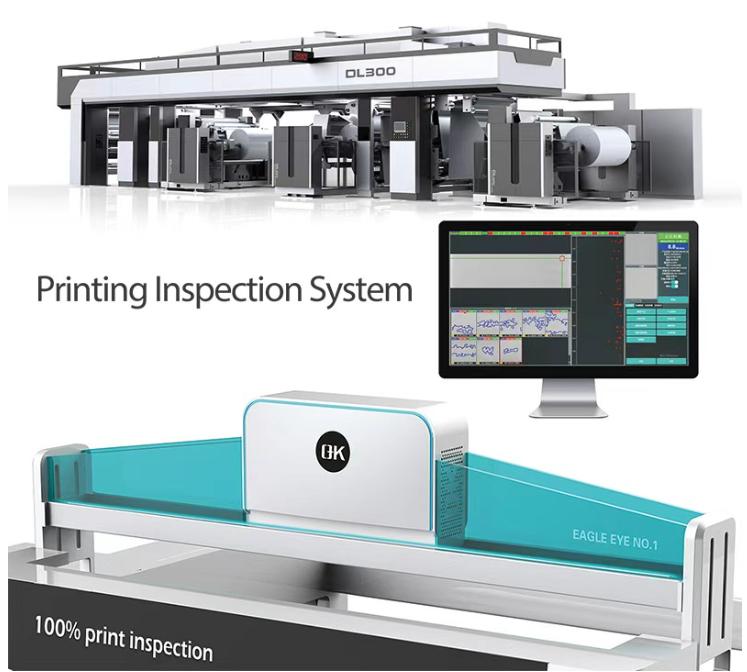
The high resolution of the machine vision system forms the fulcrum around which automated web vision inspection systems are designed. A low resolution is not sufficient. The technology calls for high-resolution equipment to choose a camera-rolled, instant, or pushbroom camera, or other specialized cameras. The functionality embedded in machine vision is expected to provide a detailed view of the material at the speed at the production site. High resolution allows for pin-pointing inefficiently tiny defects, such as distortions of fine text, color variations on micron levels, or even the smallest and very subtle imperfections on the surface. Refined lighting techniques (e.g., LED strobe lighting and diffusal) are often used to enhance absolute image uncertainties for reliable detection over various substrates and finishes.
2. Real-Time Image Processing and Analysis
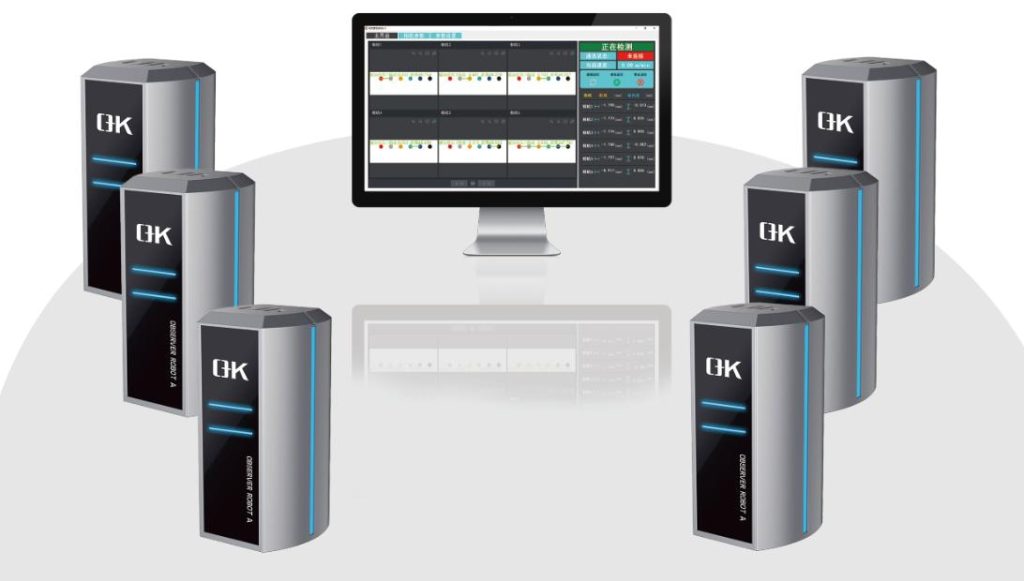
Once images are captured, a software considers them for instant processing. They can be effectively checked against a reference file or in accordance with predefined quality parameters and differences can be highlighted thereby. In the case of defects, such as misalignments, missing prints, or ink stains, this technology will quickly recognize them. Real-time data processing ensures immediate detection of defects that prevent defective prints from cheering on the production line.
3. Artificial Intelligence and Machine Learning
The introduction of AI and machine learning has significantly impacted the capabilities of an automated full-surface inspection system. AI-enabled technology works on a different paradigm compared to those unrest everyone knows well, rule-based systems. They were structured to self-learn from past data and adjust themselves toward new patterns of faults.
Thus machine learning algorithms tend to show a better performance over time: they can reduce false positives, predict issues before they occur and help the operators minimize downtime so as to improve even more the throughput and process reliability.
3. Color Measurement and Spectral Analysis
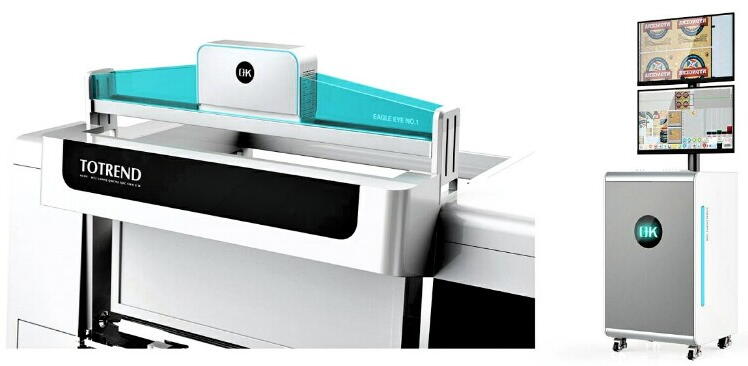
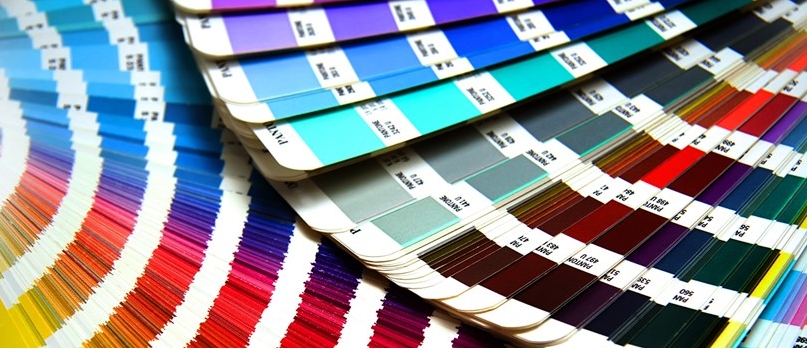
Color consistency is critical in printing, especially for brand-sensitive applications such as packaging. Different color measurement tools are actually quite popular in automated inspection setups and they are mainly based on the usage of spectrophotometers and color sensors.
An inspection machine, with the help of spectrometry, objectively quantifies a color in compliance with a set standard. This criteria enables fixed alerts and even automated corrections, should the actual color measurement digress out of line with the preset standard that could be measured, for a certain product through its continuous production run.
4. Defect Classification and Pattern Recognition
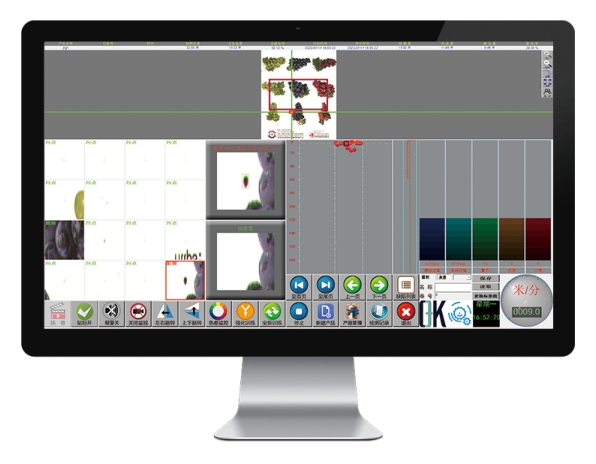
Advanced defect classification work on relatively simple principles: that of color rather than shape, spatial orientation, or size of defects. This simple but efficient method can easily detect variances in physical parameters. Therefore, the benefits may include minimizing reaction time to defective signals whist streamlining responses. Risks may relate to the series of additional measures that may be needed to carry out each change.
5. Closed-Loop Control Systems
Closed-loop control is a key technology that connects prepress input to the inspection system. Once a fault has been detected on-press, the closed-loop system can make a preliminary diagnosis based on the inspection images and feed this back to the press to automatically adjust settings such as ink supply or registration. What this correction process translates into in practice is a rigorous check on the process.
6. Data Analytics and Reporting Tools
Production by automated inspection systems generates a large amount of data. The advanced analytics of tools on the same data give insights into production performance, defect trends, and issues with the processes. Digital reports and dashboards aid manufacturers in identifying recurrent problems, streamlining operations, and developing predictive maintenance strategies. As time goes by, this method leads to the continuous enhancement of printing quality and operational productivity.
7. Integration with Digital Workflow Systems
The design of the latest automated 100% print inspection systems is such that they can seamlessly integrate into digital printing workflows and management systems. This is done so that the inspection data is in line with the job specifications and production schedule and the quality standards. By linking inspection systems to new advances in resources planning and shop floor production management tools, manufacturers assure better coordination, traceability checks, and improved process control overall.
Final Thoughts
Automated inspection systems leverage real-time monitoring, precise defect detection and seamless integration with production workflows in order to reduce print errors. Among the benefits of utilizing this technology are becoming capable of enhancing quality, due to the increased quality of the product and higher efficiency, the latter deriving from compliance matters. These are seen as key factors for printing companies yet willing to defend their competitive edge in high demanding market.