
Web Guide and Tension Control for Accurate Print Inspection
To have an advanced system in place for maintaining high-quality product in a print job would take literally more than just advanced cameras and sensors. Two of the most important mechanical elements in accurate print inspection are web guide and tension control. These systems make sure that the material moves steadily, aligns correctly, and finds its way to the correctly positioned inspection machine. The print inspection systems, without proper web guiding and tension control, may bring unreliable results even though they might have the latest technology.
Table of Contents
Understanding Web Guide in Print Inspection
Web guide systems are used to keep moving material like paper, film, foil, or labels aligned so that they pass through the printing and inspection equipment successfully. The materials travelling under production can skew because of roll width discrepancies, vibrations in the machine, or changes in paper.
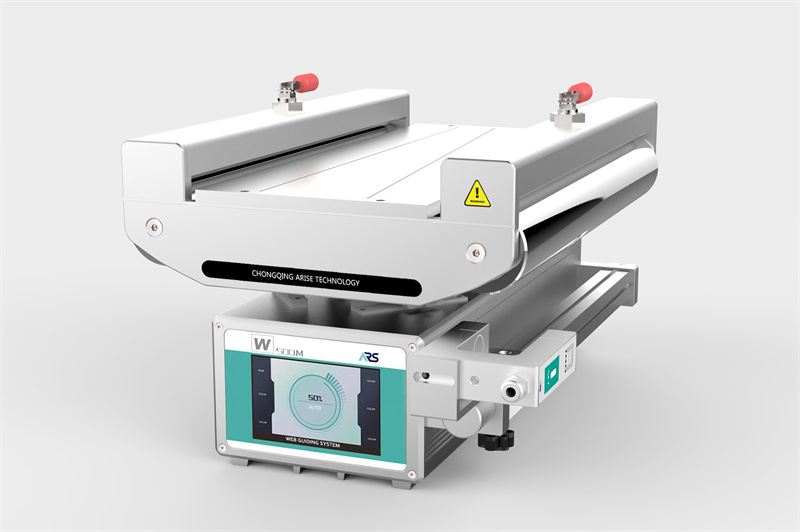
In print inspection, proper alignment is necessary because cameras and sensors are positioned above to inspect certain specific areas of the web, and if the material shifts or moves, the inspection device may likely miss defects or may capture images improperly. Lateral movements get corrected automatically via the web guide and assure the web stays on its path as intended.
The Role of Tension Control in Print Inspection
Consistency in tension control is concerned with the application of force on moving web material. Hence, keeping tension stable ensures that the media runs smoothly over the press without wrinkle forming, too much slack, or breakage happening.
Thus, gave screen printing, tension control is equally detrimental during web inspection. It can distort printed graphics due to fluctuations in tension on the web, causing unstable media movement that affects the quality of image capture and lowers inspection accuracy. Proper tension control at all times makes the material smooth and steady, creating good conditions for reliable inspection.
Key Benefits of Web Guide and Tension Control for Accurate Print Inspection
Web guide systems and tension control systems help keep the moving web aligned, smooth, and steady, allowing printing inspection machine to perform with greater precision.
1. Improved Web Alignment
One of the most important benefits of a web guiding control system is maintaining accurate alignment of materials such as paper, film, foil, or labels during production. Continuous webs can drift sideways because of uneven roll edges, vibration, or speed fluctuations. When this happens, inspection cameras may no longer focus on the correct print area. A web guide automatically corrects lateral movement and keeps the material centered. This ensures that inspection devices consistently monitor the intended target zone, resulting in more reliable defect detection and improved quality control.
2. Stable Tension
Tension control maintains the pulling force on the web moving through the machinery. Proper tension stops the web from stretching, wrinkling, sagging, or tearing. In the inspection of printed matter, stable tension offers a flat, smooth surface so that clear images can be recorded by the cameras. If the material becomes loose or distorted, the inspection images may blur or shift, thus adversely affecting defect detection. Steady tension ensures sharper images and more reliable inspection outcomes.
3. Higher Accurate Defect Detection
If alignment and dig tension are maintained, then detection systems would more efficient on pinholes, smudges, ink splashes, missing text items, or misregistrations. Detection becomes easier on the stable web path. This accuracy in defect detection is reflected in preventing defective products from becoming customer complaints, a tool to back the advertisement for their brand.
4. Reduced False Alarms
It is false alarms which put stays under resourceless undue tension, misleading the camera to take wrinkles, shadows, jitter as defects. Fluently and predictably moving material stands as the ideal way of averting false defect signals that obstruct production, leaving only the genuine issues at the operator’s focus.
5. Increased production efficiency
Increased production efficiency is noticed when handling the web properly. It is observed that less time is spent by an operator fine-tuning the alignment or rectifying tension problems, while the machines undergo fewer interruptions incurred by web breaks, wrinkles, or misfeed. Manufactures can manage a higher speed of transactions, yet maintaining the prevailing quality, since the 100% print inspection systems are able to run non-stop under an equal condition.
6. Lower Material Waste
Web guide and tension control technologies provide a stable webgy, providing correct lateral positions and ribbon tension in order to accomodate accurate print inspection. Web guiding and stretch-control systems incorporate a number of modern technologies aimed at keeping materials centered, smooth, and stable. This helps to promote better defect detection, reduce waste, and achieve high production efficiency.
7. Better Print Registration Control
In multi-color printing processes, each color layer must align precisely with the others. Any web movement can cause registration errors that affect image sharpness and appearance. Web guide systems help maintain lateral positioning, while tension control stabilizes the material throughout the line. Together, they support precise print registration and higher-quality finished products.
Technologies Used in Web Guide and Tension Control for the Accurate Print Inspection
Web guide and tension control systems use a range of modern technologies to keep materials centered, smooth, and stable. These technologies help improve defect detection, reduce waste, and maintain high production efficiency.
1. Sensor Technologies
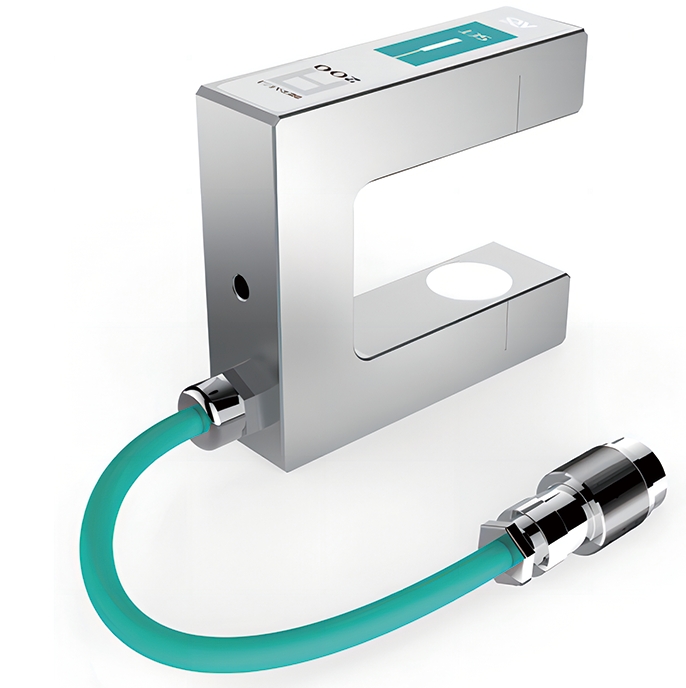
One such technological component of web guiding systems is the sensor. The web guide sensors continuously track the substrate movement, detecting any horizontal drift. Various types are used according to substrate and application. Optical sensors are commonly used in materials with printed or clear films. Ultrasonic edge sensors are functional for opaque or clear substrates with a short angle of visual contrast.
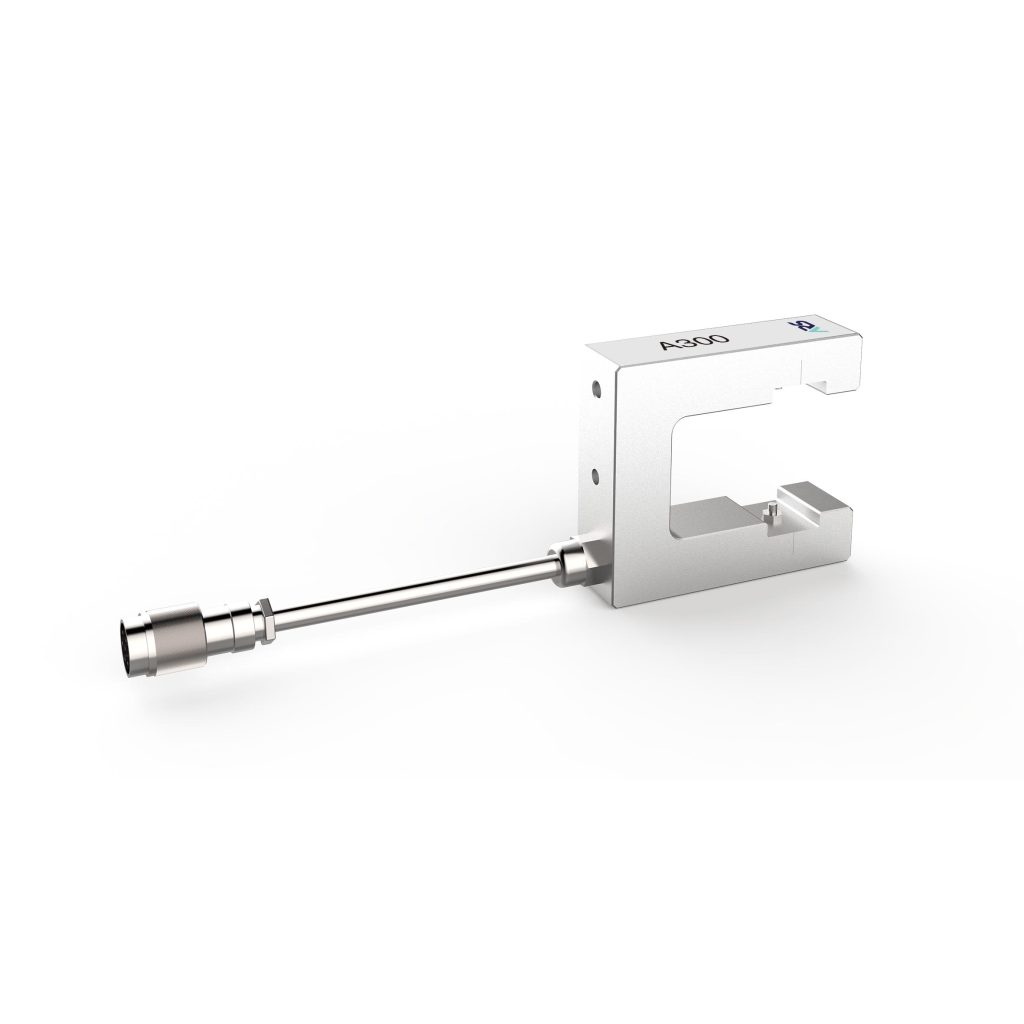
Another option extends to infrared edge sensors for some specific application areas, and amongst the least germane, according to the application. These sensing technologies will provide real-time position data for the plant or system; hence, providing advance information as to what the guide system may need to affect in order to maintain alignment. The fact that data is available instantaneously allows the system to respond very rapidly.
2. Servo Motors and Actuators
Together, the servo motors and actuators make adjustments after picking up a web movement signal. The devices change the guide rollers, steering frames, or unwind stands to ensure that the web keeps to its line.
In the servo-driven systems, precision is high for a quick response used in high-speed printing applications. Fast and even motion helps avoid rique sudden changes leading to any disturbance in printing inspection processes or the harm posed in finishing delicate productsations.
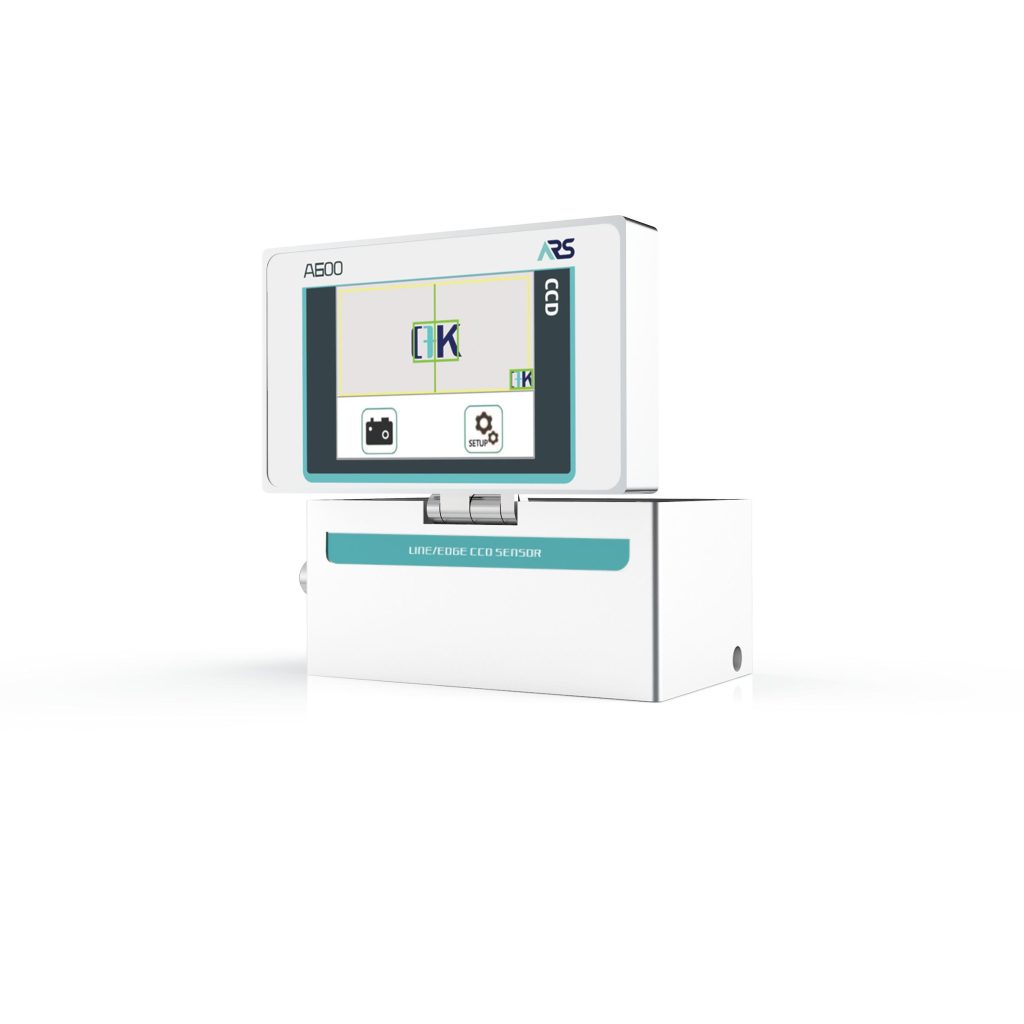
3. Edge and Line Guiding Systems
These two guiding methods differ as far as the technology is concerned. Edge web guiding systems track the web’s side edge and maintain the edge’s lateral position. This occurs particularly when the material’s edge is uniform and clearly visible.
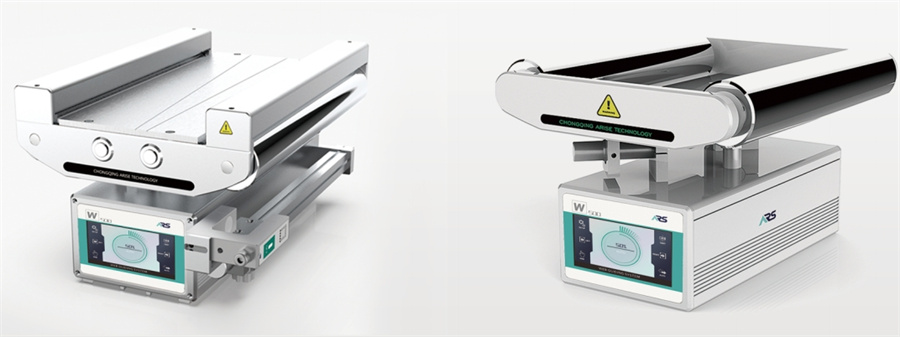
Line guiding systems follow printed lines, registration marks, or graphics on the web. They become quite helpful in printing processes wherein the inspection equipment must superimpose the printing image rather than the manufacturing edge.
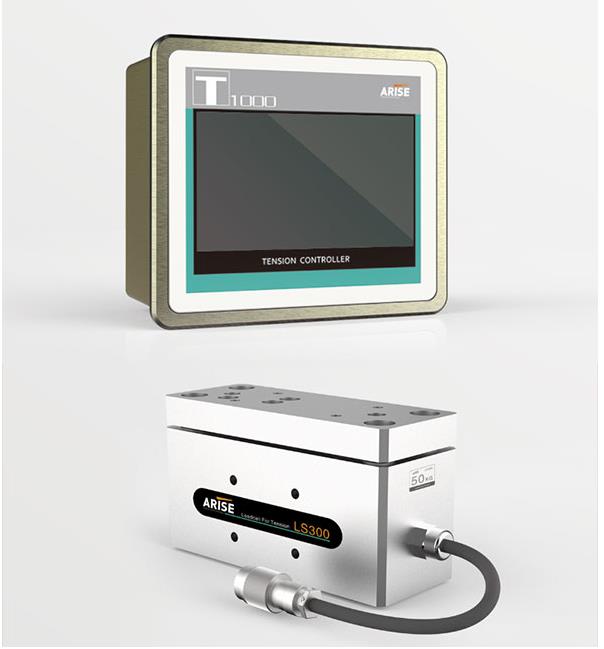
4. Load Cells
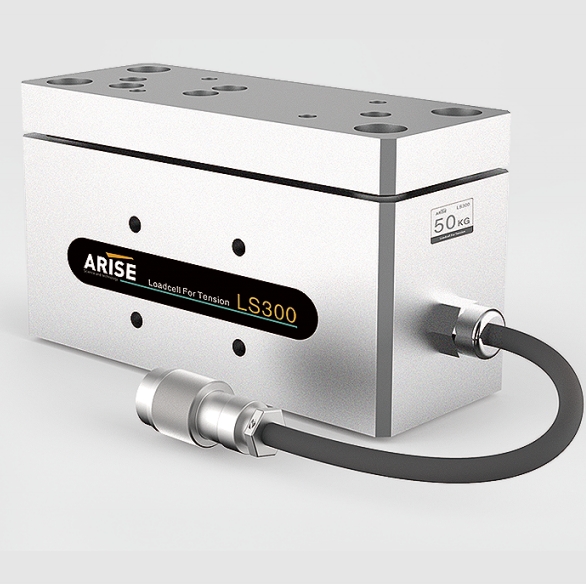
Load cell technology is well integrated in tension control systems where the above is put into use to gauge force acting upon a moving web. Situated on rods or support assemblies, load cells instantly convert practically any given mechanical force into electrical signals to enable interpretation by the controller systems. This allows for minute directional tension control throughout the production process. The ability for precise measurement is helpful in preventing any and all folds, stretches, slacks, and web breaks.
5. Dancer Roll System
Dancer roll systems are among the common options for keeping web tension in check while absorbing the variations in speed between different sections of the machine. Movement of the roller adjusts its positioning in response to changes in web tension. When drives are found run simultaneously to manage the varying processing zones, this proves quite useful. The Dancer systems ensure smooth guidance for the web and dependable inspection capabilities even when the machine speeds are subject to change.
6. Closed-Loop Controllers
Embedded within the core of numerous web guiding and tension control systems is the need for closed-loop control technology. It is predicated on feedback control received from sensors and other devices known as load cells. Upon receiving such signals, the attached motors, brakes, or rollers of the control system adjust to the desired target. As a complementary tool, computerassisted technology leaves no room for errors. In comparison, competitive technology suffers from “always-on” imperfections, sometimes to the relative ratio of the possibilities of either having been right or wrong. The environment where monitors are working at higher speeds in print inspection and trying for objectivity asks for none other but closed-loop technology.
7. Magnetic Particle Brakes and Clutches
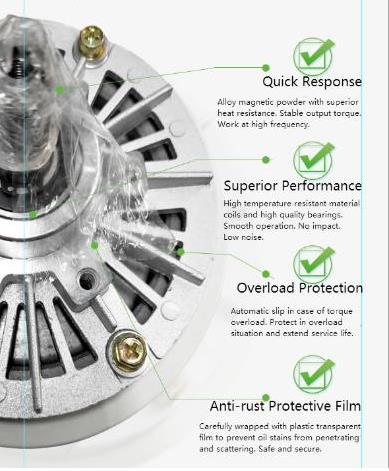
Within the unwind-and-rewind tension zones, magnetic particle brakes and clutches are applied. They smoothly change torque to find control over the tension in the web. These mechanisms allow for increased tension control and are extremely helpful when the roll diameter changes through operating systems.
8. Human-Machine Interface and Touchscreen Controls
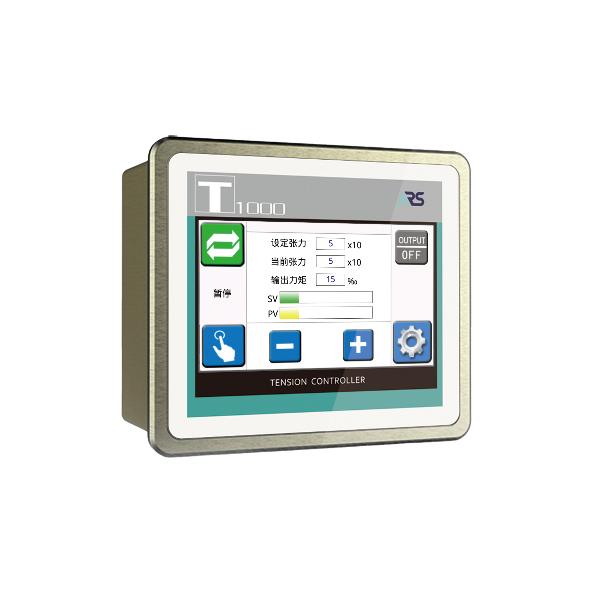
Advanced systems are equipped with human-machine interfaces or screen control panels. They will allow the operator to set tension targets, monitor alignment, store recipes, and maintenance alerts. User-friendly setups reduce time for the same, machine problems due to operator errors, as well as eliminating the need for calibration for each job cause of stable inspection conditions when setting up for others.
9. Integration with Print Inspection Software
Integration with print inspection software can be attained with advanced systems of web guide and tension control. This connectivity permits the operator to monitor web stability, the preponderance of defects, or production values without leaving the main panel. This collective influence depends greatly on the technology being put to decision-making, suffering faster maintenance, and enabling smart manufacturing strategies.
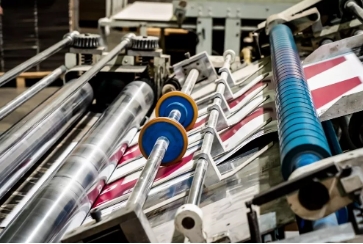
Different Printing Applications of Accurate Web Guide and Tension Control
This chart demonstrates the diverse printing applications that rely on web guide and tension control to maintain quality, reduce waste, and improve production efficiency.
| Printing Application | Importance of Web Guide and Tension Control | Advantages |
| Flexible Packaging Printing | Ensures proper alignment of substrates like plastic films or laminates. | Prevents misregistration between colors and ensures smooth material handling, reducing waste. |
| Label Printing | Maintains precise registration for complex label designs and die-cut edges. | Supports accurate alignment for multi-color prints and ensures sharp print quality. |
| Pharmaceutical Packaging | Ensures clear text and graphics, crucial for regulatory and readability standards. | Guarantees high-quality printed barcodes and drug information while maintaining tension stability. |
| Food Packaging | Controls tension for thin materials, such as aluminum foil or flexible films. | Reduces defects like wrinkles, tears, or smudges that could affect the integrity of the packaging. |
| Security Printing | Maintains perfect alignment for holograms, security features, and text. | Prevents misalignment and ensures the authenticity of security markings or fine details. |
| Textile Printing | Stabilizes fabric as it moves through the printer, especially for large rolls of material. | Prevents misalignment, ensuring uniform print quality across large textile prints. |
| Photographic and Fine Art Printing | Keeps photographic paper or specialty substrates aligned for precise color application and detail reproduction. | Ensures accurate color registration and prevents distortion in detailed images. |
| Industrial Film Printing | Maintains proper material alignment for precise, high-definition printing on films and industrial substrates. | Prevents registration drift, ensuring clarity and sharpness of printed details. |
| Direct Mail Printing | Ensures accurate registration for high-volume printing jobs with varying sizes and substrates. | Reduces errors and waste, allowing for faster and more efficient direct mail production. |
Common Challenges in Print Inspection Without Proper Control of Web Guide and Tension Control
This chart provides the common web and tension control challenges and their significant impacts on print inspection, production efficiency and overall printing quality.
| Challenge | Description | Impact |
| Misalignment of Printed Graphics | Improper web guide causes the material to drift laterally, misaligning printed graphics or text. | Reduces the quality of the printed product, leading to customer dissatisfaction and waste. |
| Inconsistent Registration | Lack of tension control causes misalignment between color layers, resulting in blurred or mismatched prints. | Affects print quality and clarity, especially in multi-color prints, leading to errors and rework. |
| Defects in Inspection Image Quality | Uneven material movement leads to blurry or distorted images, making defect detection unreliable. | Missed defects or false positives, compromising quality control and leading to higher rejection rates. |
| Increased Waste and Scrap | Misalignment and fluctuating tension lead to production errors, requiring material to be scrapped. | Higher material costs and environmental waste, reducing profitability and sustainability. |
| False Alarms | Wrinkles or unstable web movement are mistaken as defects, triggering unnecessary alarms in inspection systems. | Wastes production time, causes unnecessary pauses, and reduces overall throughput. |
| Wrinkling and Stretching of Material | Poor tension management causes substrates to stretch or wrinkle, distorting print quality. | Leads to visual defects, such as streaks or blurred images, and potential damage to sensitive materials. |
| Frequent Machine Downtime | Unstable web guiding or tension control causes frequent stoppages to fix misalignment or tension issues. | Lowers production efficiency and delays the production timeline, reducing output. |
| Reduced Inspection Accuracy | Web misalignment causes cameras or sensors to inspect the wrong areas of the material. | Lower detection accuracy, increasing the risk of defective products reaching the customer. |
| Increased Setup Time | Poor web and tension control results in lengthy setup times to manually adjust alignment and tension. | Increased labor costs and longer production lead times, affecting time-to-market. |
| Lower Overall Productivity | Web and tension instability reduces production speeds and quality, causing delays and inefficiencies. | Reduces overall throughput, negatively impacting the bottom line and customer satisfaction. |
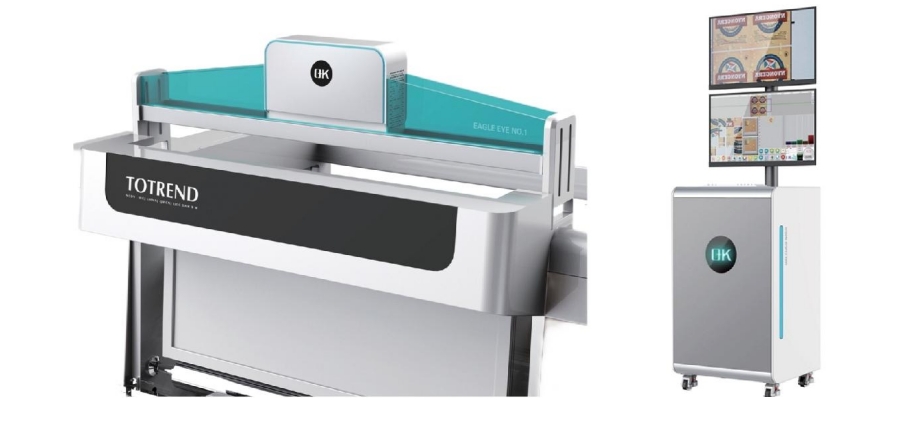
Technological Advancements in Web Guide and Tension Control for Accurate Print Inspection
Recent advances in web guide and tension control technologies have significantly affected the accuracy of print inspection, enabling higher production speeds and more reliable defect detection.
1. Advanced Sensor Technologies
Recent technologies have come up; sensors have been advanced relating to the accuracy and speed of web guiding systems. Advanced systems function using several types of sensors, which are intermingled so that optical and ultrasonic sensors get simultaneous inputs on movement of the web material while using diverse materials. Hence, this multi-sensor strategy has upped the ante for the precision of these systems to align the web more evenly, even under complex substrate conditions.
2. Adaptive Servo Motors and Actuators
Servo-based motors, along with actuators, have got considerable improvement concerning speed, accuracy and strength. This edge allows the web guide to make faster and more accurate adjustments with regard to basic circumstances during high-speed print processing. Today’s servo systems deliver smoother and more timely web corrections, ensuring that the equipment remains aligned for high-speed printing or Federal roll diameters. These systems scale up for more diverse kinds of printing applications, such as small labels, large-format packaging.
3. Advances in Tension Control Systems
Tension control represents a critical component in ensuring the material gets a uniform feed through the printing process to prevent problems like pulling during the process, wrinkling, and slacking. Some advancements in tension control systems facilitate maintenance of more accurate and responsive systems control for smoother movement and higher print quality.
4. Load Cell and Sensor Integration
The progress in sensing technology gets more accurate in measuring the force affecting the product. The latest load cells are more sensitive thereby detecting even minimal changes in product tension. The model enhancement helps in real time data obtained in close relations with the tension control system to make more accurate adjustments.
In the implementation, technically, smart sensors go hand in hand with regular load cells. Therefore, an integrated closed-loop control system continuously monitors and adjusts tension such that optimal roll tension remains present throughout the process. The end goal, therefore, is fewer web defects related to tension fluctuations inclining towards the minimums and staying put at the maximum breaking his business, such as wrinkles, web rolling, misalignment, stretching, etc.
5. Smart Controllers and Real-Time Data Analytics
The advancement that stands out the most with regard to tension control as of late has to be smart tension controllers integrating real-time data analytics. The tension controllers utilize sensors and load cells in monitoring the load and feeding material to adjust tension when required.
The technology that has today equipped most tension control systems is proactive analytics that predict certain foreseeable anomalies. For instance, if there is a possibility to predict a fluctuation in tension, then it could also announce the time for maintenance such that the operator can take actions proactively. Proactive analytics has a positive influence on the balance of the entire printing process, as the technology truly ends up clamping the waste or downtime, thereby raising production efficiency.
Final Thoughts
Web guide and tension control are critical to the purpose of accurate print inspection, providing the alignment and material stability needed by cameras and sensors to consistently detect defects. Essentially, achieving and maintaining advanced control systems are being done by printing companies to improve quality, increase productivity, and reduce waste in highly competitive markets.