
How to Classify Print Defects in Web Inspection Systems
The printing industry needs to keep its product quality standards because high-speed printing technology requirements exist in packaging and labeling and tissue paper and flexible materials production. Web inspection systems provide continuous monitoring of printed material production by tracking defects in real-time throughout the printing process. The systems perform essential functions that include print defect classification which enables manufacturers to find root causes while decreasing waste and enhancing their production efficiency. The article explores print defect classification methods used in web inspection systems, major defect categories while showing how accurate defect classification affects printing quality control.
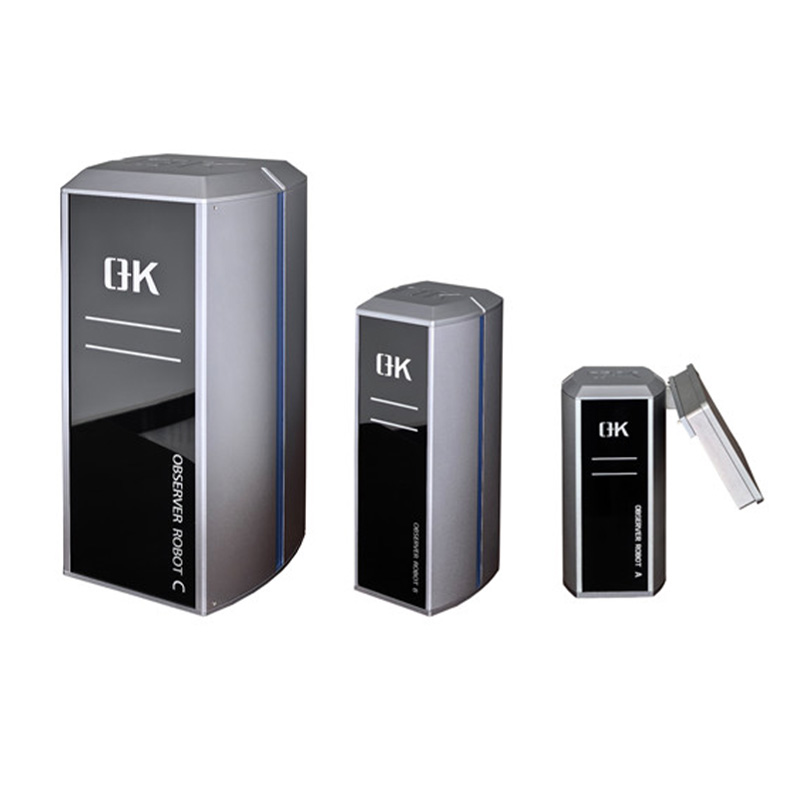
Table of Contents
What Is Print Defect Classification in Web Inspection Systems
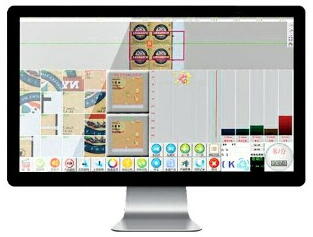
A web inspection system functions as an automated optical inspection system which operates on printing and converting lines to identify visual defects during the material’s production process. The web inspection system uses high-resolution cameras, lighting systems, and image-processing algorithms to continuously capture and analyze images of the printed web.
Defect classification refers to the process of categorizing detected defects based on their characteristics, such as shape, size, color variation, or pattern irregularities. The system goes beyond basic defect detection because it identifies specific defect types which enable operators to implement proper response measures.
Effective classification helps distinguish between critical defects, which require immediate corrective action, and minor defects, which may still fall within acceptable quality limits.
Accurate classification also helps to track defects appearing repetitively over time, which can then be used to manage quality. By analyzing historical defect data, manufacturers can determine where problems recur, optimize machine settings, and reduce material waste. The defect class also helps differentiate critical defects from minor flaws, where those must be dealt with immediately, and yet minor imperfections could still meet quality criteria.
Common Categories of Print Defects
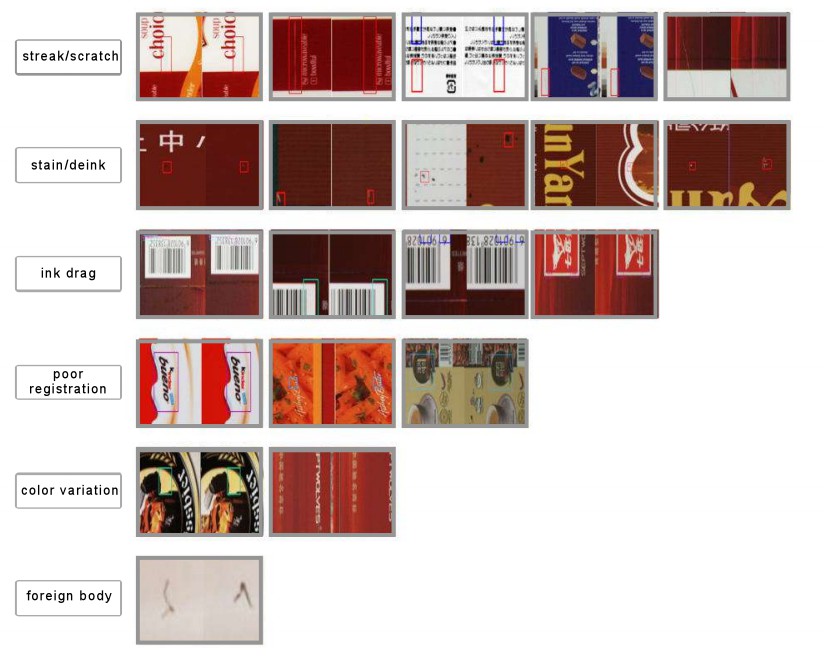
Print defects detected in web inspection systems can generally be grouped into several categories based on their appearance and cause.
| Defect Category | Typical Defect Types | Main Causes | Impact on Print Quality |
| Ink-Related Defects | Missing ink, ink smearing, color variation, ink contamination | Improper ink viscosity, uneven ink transfer, drying issues, contaminated ink | Causes uneven color, unclear graphics, and reduced visual quality |
| Registration Defects | Color misregistration, image shift, double image (ghosting) | Incorrect plate alignment, web tension fluctuations, mechanical instability | Leads to blurred images and poor alignment of multi-color prints |
| Substrate-Related Defects | Wrinkles, creases, holes, surface contamination | Poor material quality, improper handling, dust or particles on the substrate | Affects print consistency and may damage the final product |
| Mechanical or Process Defects | Streaks, lines, repeating defects, banding | Worn rollers, damaged doctor blades, equipment misalignment | Produces continuous or periodic visual defects across the web |
| Environmental Defects | Static marks, dust spots, humidity-related distortions | Poor environmental control, static electricity, airborne particles | Causes random spots or distortions that reduce product appearance |
Effective Methods for Classifying Print Defects in Web Inspection Systems
The ability to accurately classify print defects in in web inspection systems is important because it helps operators understand the root causes of problems and implement corrective actions quickly.
1. Rule-Based Image Processing Techniques
Rule-based image-processing methods belong to one of the earliest and most widely used classification systems for print defects. The algorithm analyzes obtained images and measures them against predefined rules or thresholds. Classification is based on the visual traits that can be measured like brightness, contrast, color intensity, size, or shape.
For example, zones that exhibit significantly less pixel intensity than in the reference images may be classified as missing ink defects. Similarly, elongated dark areas may be matched with odds that these are streaks or lines. These systems are fast and effective for detecting well-defined, repetitive patterns of defects. Rule-based methods, however, may be limited where it comes to complex anomalies or irregular defects that go beyond an obvious predefined parameter.
2. Template and Pattern Matching Techniques
Another effective approach used by web inspection systems is template or pattern matching. In this regard, the system compares real-time images of the printed material to the reference templates.
By analyzing the capture details from the image and comparing them with the reference template, the system can recognize defects such as distortion, misalignment, or missing pieces of images. This kind of matching is highly useful for applications where the last image contains intricate graphics, logos, or text, and they have to be precisely copied.
Although template matching gives accurate results in comparison, it still needs very stable web positioning and pressure from the same direction. Besides this, there are also a few other suppressers which may nullify all errors if the best results are to be obtained.
3. AI-Based Classification
Artificial Intelligence(AI) has advanced heavily, and most of the modern web inspection systems are employing intelligent algorithms that employ machine learning for classifying the defects more proficiently. Trained via large databases with labeled defect image datasets, these models understand and classify defects automatically after learning the expected patterns.
In opposition to rule-based methods, AI algorithms can handle the highly diverse appearances of the defects. The more significant ability is to identify subtle defects that in normal circumstances otherwise would have been difficult to categorize using certain thresholds. The accuracy of their classification definitely improves in time as the data generation process goes on and the system then uses the new defect samples for learning.
AI is especially more useful in print inspection systems where thousands of images need to be inspected every second for various production lines working at high speeds.

4. Deep Learning and Neural Network Approaches
Deep learning technology is used by web inspection systems, combined with CNNs. The feature extraction from visual images and very accurate defect classification is what its functionalities are aimed at.
The models can separate various defects even if they look alike visually. For instance, the system can recognize black smears caused by too much pressure and streaks caused by faulty printing components. Also, neural networks can detect issues both with large size and macro-scale defects, as different levels of the image are explored by these networks.
Despite providing the highest-level classification performance, deep learning algorithms demand heavy computational power and thoroughly labeled training data.
5. Multi-Parameter Defect Analysis
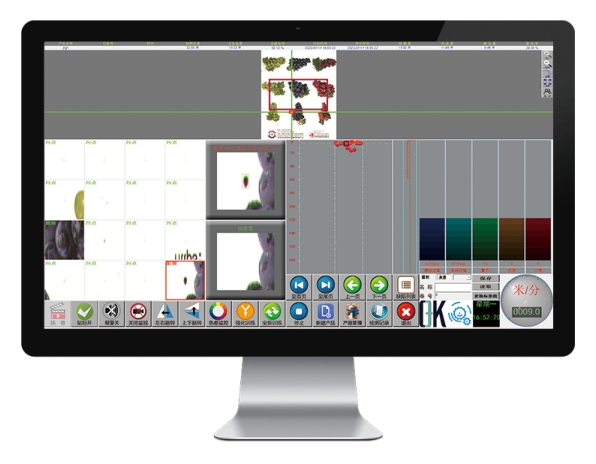
Another effective strategy to classify print defects is by entering the multi-parameter analysis where the system considers simultaneously to multiple characteristics. In the 100% inspection system for printing quality, they do not rely solely on the color intensity but for all these parameters: size, position, frequency, structure, and chrominance of the defect.
By combining these parameters, the system can accurately attribute the defect type. For example, repeatably formed defects might point to a mechanical issue associated with a rotary component, whereas a few scattered dots might suggest that the matter involves dust or contamination.
The present multi-faceted approach marks a gigantic leap in the accuracy of classification available for complex printing environments.
6. Integration with Production Data for Enhanced Classification
In the latest generation of cutting-edge web inspection systems, this defect categorization is typically being coupled with the information of production items such as the running speeds of machines, the tension control system, and the settings of printing units. Linking defect information back to operational process conditions offers an in-depth understanding of the root causes of defects.
For instance, if color shifting were to consistently happen in the raw material every time the machine is run under any given conditions, defect classification can be led back to machine performance data. Thereby, manufacturers can graduate from mere defect detection to predictive quality management and automated process intervention.
Future Developments of Print Defect Classification in Web Inspection Systems
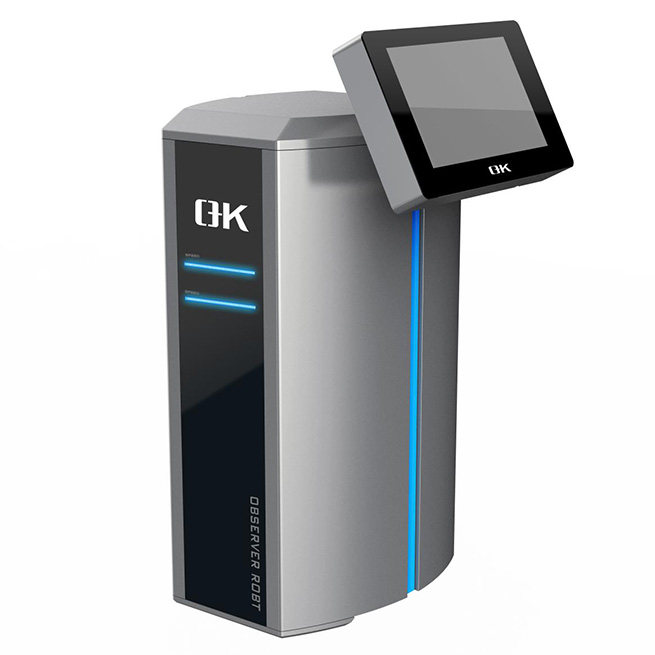
Emerging technologies such as cloud-based defect analysis, self-learning inspection algorithms, and smart manufacturing integration will further enhance the ability of web inspection systems to classify defects accurately and support continuous improvement in printing operations.
| Trend | Description | Impact on Web Inspection Systems |
| Real-Time Data Analytics | Inspection systems analyze defect data in real-time during production and provide immediate feedback to operators. | Allows faster corrective actions and reduces material waste. |
| Integration with Smart Manufacturing | Web inspection systems connect with production equipment, MES, and Industry 4.0 platforms. | Enables automated process adjustments based on detected defect patterns. |
| Cloud-Based Defect Monitoring | Defect images and classification data are stored and analyzed in cloud platforms across multiple production lines or facilities. | Supports centralized quality management and remote monitoring. |
| High-Resolution Imaging Technologies | Advanced cameras and lighting systems capture extremely detailed images of the moving web. | Improves the detection and classification of very small or subtle defects. |
| Predictive Quality Control | Systems use historical defect data to predict potential printing problems before they occur. | Helps manufacturers prevent defects rather than only detecting them during production. |
Summary
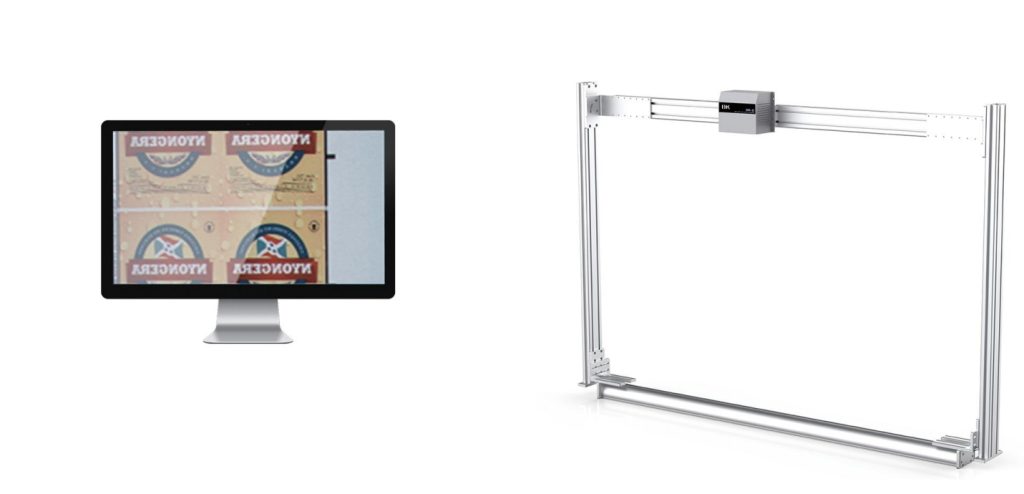
It is important to properly classify print defects in web inspection systems because product quality should always be uniform during the urgent nature of high-speed printing operations. By sorting out the defects, such as issues with ink, registration errors, and substrate or mechanical defects, causes of production inefficiency can be pinpointed, with corresponding processes needed to eliminate the inefficiency. The integration of advanced imaging technologies and artificial intelligence is redefining web inspection systems, transforming the printing quality control from simple defect detection into intelligent, data-driven 100% print inspection system.