
The Use of Web Guide Systems to Retrofit Production Lines
The automation needs of industries create a common problem for production line which must find ways to modernize their old manufacturing systems without fully replacing existing equipment. One of the most effective solution for this problem requires integrating web guide systems into retrofit projects.
A web guide system controls and aligns continuous flexible materials which the industry refers to “webs”. The system operates in retrofit applications to fix misalignment problems which lead to better product quality and production stability through its implementation without needing to redesign the entire production lines.
Table of Contents
The Role of Web Guide Systems in Retrofitting Existing Production Lines
Older production lines often suffer from mechanical wear and two problems which stem from outdated technology: they cannot maintain proper tension control and they lack efficient alignment systems. The production process experiences several problems because these issues create material drift and uneven winding and wrinkling and edge damage to products. The retrofit web guide system uses automatic detection technology to identify and fix lateral position errors throughout its operational process.
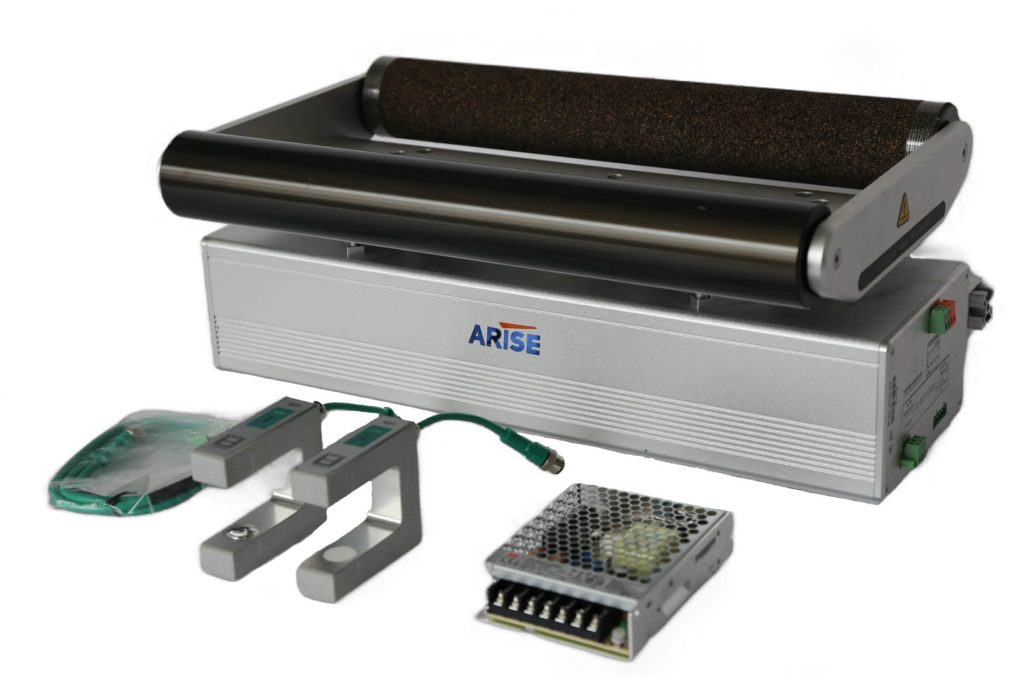
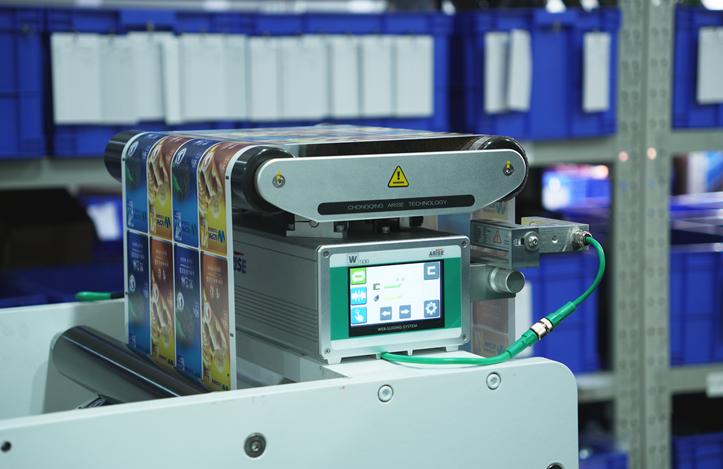
The web guiding control system needs three components: sensors, control unit and actuator. The sensors track both the edge and center position of web material during the entire process. The web guiding controllers processes this data and sends corrective signals to the actuator, which adjusts rollers or frames to realign the material path. This closed-loop system uses feedback to maintain steady tracking performance during di fferent production speeds and material changes.
Why Use Web Guide Systems to Retrofit Existing Production Lines
1. Improving Alignment Without Replacing Core Machinery
Aligning without the need for total mechanical overhaul is why web guides are very popular in retrofit applications. In older lines, material drift is a commonplace due to worn rollers, inconsistent tension control, or outdated guiding mechanisms causing cumulative deviations of quality such as edge stripping wastage, uneven coating, or registration errors in printing, and packaging.
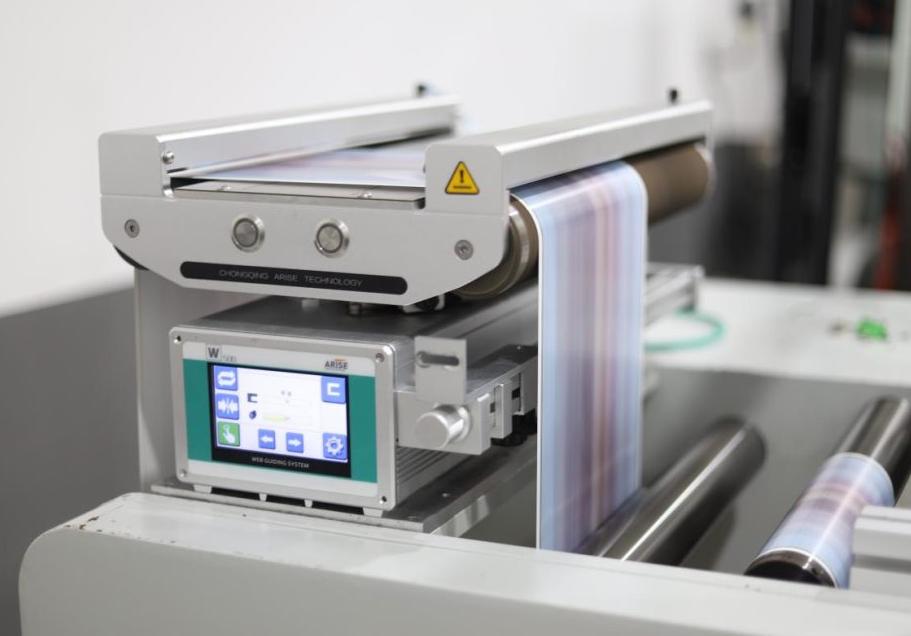
In a retrofit application, the web guide system is measuring the real-time position of the moving web and performing continuous minor corrections to achieve the modern levels of precision with their existing equipment. This is a great boost to stability while avoiding almost the full cost and risk of ceasing production and replacing equipment.
2. Cost-Effective Modernization Strategy
Similarly, refinishing the entire production line is too expensive and quite impractical, mainly when plants are graced with specialized equipment; a web guiding system is less costly. Manufacturers will upgrade through retrofitting and alignment control only the crucial point responsible for regulating material alignment, thus keeping costs low for a substantial period of use, reducing installation time for an increased heard access of ease, and avoiding protracted production downtime. Lest one misses the point, the installation process can take place during planned maintenance windows in many cases so that the factory can be put to work instantly and boast.
3. Enhancing Product Quality and Reducing Waste
Material misalignment is one of the major sources of defects in continuous processing industries. A lack of alignment might even in printing may lead to blurred product colors, thus becoming a quality issue. For film or foil production, misalignment might mean crushed webs, edge damage, or gear teeth with droplets of glue on them. Material wastage arises largely from such problems. Such issues of misalignment under a material web guide can be kept aligned within properly framed processing, which, by definition, results in direct fiscal savings. Consistent tracking helps manufacturers achieve high yield rates and an unhindered quality of output, which in effect impatiently means no in-scrap rate, thereby increasing their profit.
4. Extending the Life of Existing Equipment
The extended productive lives are one added value of incorporating a web guiding system into an existing system. While rather than contributing to undershooting performances thanks to the obsolete plant alignment systems, this retrofit of the main control function serves to breathe life into those urbanized units. That mechanical stress intensity emanated from misaligned tension or uneven material flows thus is largely eliminated, thereby preventing premature wear on the rollers, bearings, and downstream equipment. In layman’s terms, the web guiding system functions as the safety net for the entire production line while ensuring stable operations and decreasing the maintenance.
5. Enabling Compatibility with Modern Automation
At the time when production is moving towards higher digital integration, older systems cannot interconnect easily with the newer control architectures. It is quite the opposite in the case of these modern web guiding systems: they offer flexible interfaces for connection to PLCs, industrial networks, and monitoring platforms. It is this characteristic in particular that allows them to be ideally considered as a retrofitting technology. These systems not only improve the mechanicals’ output but also introduce opportunities for linking that output to real-time data collection and feedback loops. This enables operators to monitor the performance of the system’s alignment, discover discrepancies early, and integrate guiding control into an overall automation strategy.
6. Supporting Higher Production Speeds
A growing platform of demand often asks manufacturers to push legacy equipment beyond its original design speed. When we choose to go a bit faster in the existing system, the sensitivity of large machines could contribute for minute alignment errors. Any further loss of control allows the system to deviate towards instability, annoying vibration, and erratic performance. Underlining the positioning of material becomes absolutely imperative under such conditions of fast operation, this being achieved through instant correction of any lateral movement via the web guide system. This could serve to enable machine manufacturers to safely run existing lines at higher throughput without having any compromise on quality or a significant increase in reject rates.
The Process of Implementing Web Guide Systems to Retrofit Existing Production Lines
1. Evaluating the Existing Production Line
The successful implementation begins with a complete assessment of the present production system. Normally the engineers analyze flow of material, stiffness in tension, roll condition, and alignment systems with respect to the existing base structure. This becomes a crucial factor because the older systems frequently reveal deterioration, which is the root problem of the misalignment.
Furthermore, pinpointing the most recurrent deviations is also very important. Identifying this weak point as a gauge means determining the right position for the web guiding system with maximum efficiency.
2. Selecting the Appropriate System Configuration
To design the best guiding solution, not all production lines use the same guiding setup. The decision hinges on types of materials, the width of the web, operating speeds, and some degree of tolerance against a misaligned paper web. For instance, the fine film would demand exceptional edge sensors, though heavyweight textiles may prefer suitable actuator force to extreme sensitivity.
In terms, retrofit projects benefit from compactness and modularity. Such setups allow the system to be squeezed into tiny alcoves with minimal structural alternations. Furthermore, the compatibility with older-style controlling infrastructure; PLC systems or analog controls, has also been identified.
3. Integrating Sensors and Control Architecture
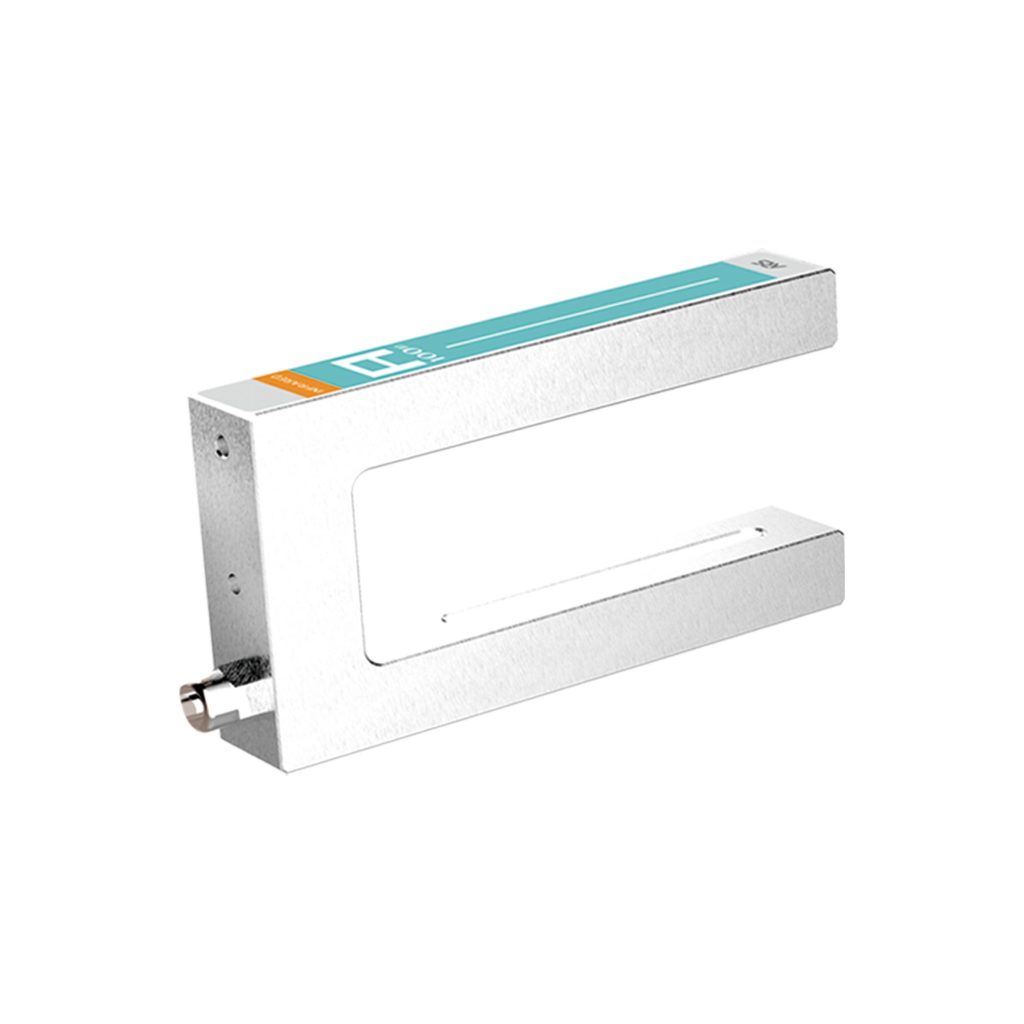
Once the system is selected, integration into the production line begins with sensor placement. Web guide sensors are typically installed to detect either the edge or centerline of the web material. Their positioning must be stable and free from vibration to ensure accurate readings. The control unit processes sensor data and determines corrective actions. In retrofit applications, ensuring communication compatibility is critical. Modern systems often support multiple industrial communication protocols, allowing them to interface with legacy equipment without requiring full system replacement. Proper integration ensures that the web guide system becomes a responsive part of the production line rather than an isolated add-on.
4. Mechanical Installation and Alignment
For physical installation, actuators, guide frames, or spools are mounted at position adjustments with high precision. It is necessary to ensure that this step is carried out very carefully, with no error in the mechanical adjustment. The structure must have enough strength to allow for the expected loads, while the guiding system will still effortlessly and precisely move material. The engineers should look at guiding mechanism positioning that does not impinge any other hereto existing function in the machinery. Angle space, stretch paths, and rollers’ spindle geometry must be properly adjusted to ensure a continuous flow of material.
5. Calibration and System Tuning
For accurate performance of web guiding, calibration is mandatory after installation. It requires custom tuning for the properties of the web, line speed, and tension conditions. Setting the sensitivity, establishing control limits, and adjusting the response speed are included here. Too aggressive a response will create an oscillation; too slow and the response may occur after the deviations are undesirably large. The standard questioning program experiences stable, smooth behavior across all operating conditions.
6. Testing Under Production Conditions
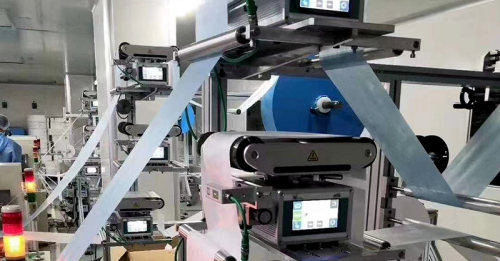
The web guiding system is subject to a test under the real conditions of production before final installation. It is during this step that it is made sure that such dynamic changes as speed variation, roll change, material variables can be dealt with by the web guide system. The material quality is monitored for proper system response and alignment at this juncture with some fine-tuning. It needs to operate that way before it goes for a full schedule.
7. Operator Training and Workflow Integration
Although the most sophisticated retrofits involve correct operator understanding, training becomes almost indispensable. Training prepares the production team to handle performance tracking, alarm conditions, and essentially any simple fine-tuning requirements. In numerous scenarios, web guide systems become part of the larger automation workflow. Operators are taught how to interpret system information and how to inject that feedback into things that must be done on the production side.
8. Ongoing Maintenance and Performance Monitoring
Following installation, considerable attention needs to be focused on maintenance of installed systems and their long-term performance. Sensors remain clean and aligned properly, while mechanical components require periodic checking and adjustments to ensure they don’t wear into misalignment. In addition to indicators of machine fault, modern systems combine diagnostics that monitor performance over time. This results in early detection of issues like sensor miss-configuration or actuator dilapidation, hence controlling timely and unplanned machine downtime.
Key Factors to Consider for Integrating Web Guide Systems into Existing Production Lines
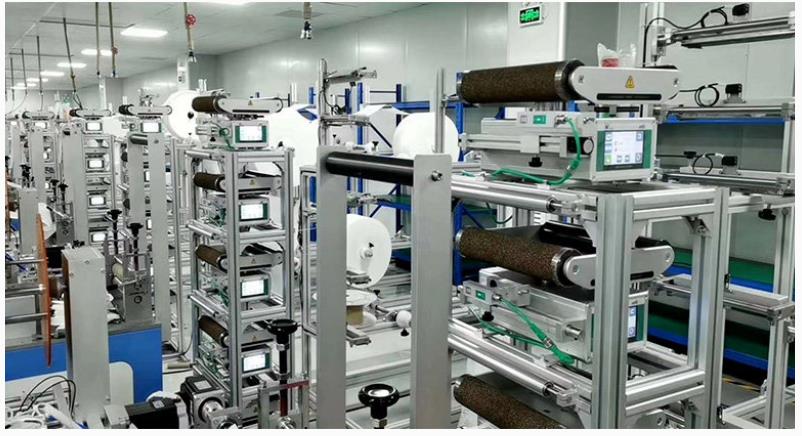
A properly designed integration of a web guiding system depends on balancing all these factors to ensure stable performance, accurate alignment, and minimal disruption to existing production workflows.
| Key Factor | Description | Importance |
| System Compatibility | Matching the web guide system with existing PLCs, sensors, and control architecture | Ensures smooth integration without requiring full line replacement |
| Material Type and Behavior | Understanding properties such as thickness, elasticity, stiffness, and sensitivity to tension | Different materials require different web guiding precision and response settings |
| Installation Space | Evaluating available space for sensors, actuators, and guide frames | Older production lines often have limited room for retrofit components |
| Web Path Analysis | Identifying where misalignment occurs (unwind, processing, or rewind sections) | Helps determine optimal placement for the guiding system |
| Control Response Speed | Setting how quickly the system reacts to deviations | Prevents oscillation or delayed corrections during high-speed production |
| Sensor Selection | Choosing edge, center, or line sensors based on application | Directly affects detection accuracy and guiding performance |
| Mechanical Stability | Ensuring rigid mounting and vibration-free installation | Prevents false readings and maintains long-term precision |
| Integration with Automation | Connecting with existing monitoring systems or Industry 4.0 platforms | Enables real-time data tracking and predictive maintenance |
| Production Speed Range | Ensuring the system performs consistently at both low and high speeds | Critical for maintaining alignment under varying operating conditions |
| Maintenance Requirements | Accessibility for cleaning, calibration, and part replacement | Reduces downtime and supports long-term reliability |
Summary
Retrofitting production lines with a web guide system is a practical, high-yield upgrade practice for manufacturers pursuing better precision, efficiency, and reliability without a full replacement of production equipment. By ensuring proper material alignment, these web guiding systems make waste decrease, enhancement of product quality possible, and extend the operational life of existing machinery.