
Why Does My Web Guiding System Fail at High Tension Levels?
Increasing web tension appears to be an easy answer in many production lines. In theory, higher tension can help improve flatness, eliminate wrinkles, and even stabilize the process.
However, engineers in many cases report the reverse impact on their web guiding system. When the tension is increased, the guide becomes slow to react, overcorrects, or, particularly at high speeds, the web is not kept in the center at all.
It does not take long for this question to be raised:
What is the reason for the failure of my web guiding system at high tension levels?
The system is usually not considered to be at fault. The behavior of the web changes with high tension, and the guiding system needs to apply more force. If the performance of the system was not designed or set up for these conditions, then the performance of the guiding system will be reduced.
The following content outlines the most frequent issues and their solutions.
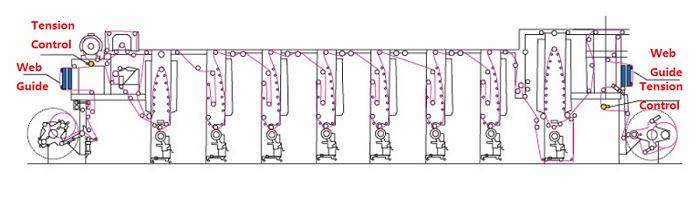
Table of Contents
How High Web Tension Affects Web Guiding System Performance?
Increased web tension does not imply tauter material only. It also does has a direct effect on the way the web will react to correction.
Lesser Web Elasticity Within High Tensions
With an increase in tension, stiffer web lateral movement is obtained, which implies that –
- The web opposes the side movement
- Small guiding corrections produce less visible displacement
- The response time between correction command and actual web movement lengthens
From the point of view of the controller, the system appears slow or unresponsive, even though the actuator is moving.
Given this slower response in high-tension settings, the system often leads to overcorrection or continuous hunting.
Increased Force Load on Guiding Mechanisms
The high tension leads to an increase in the lateral force that is required to advance the web:
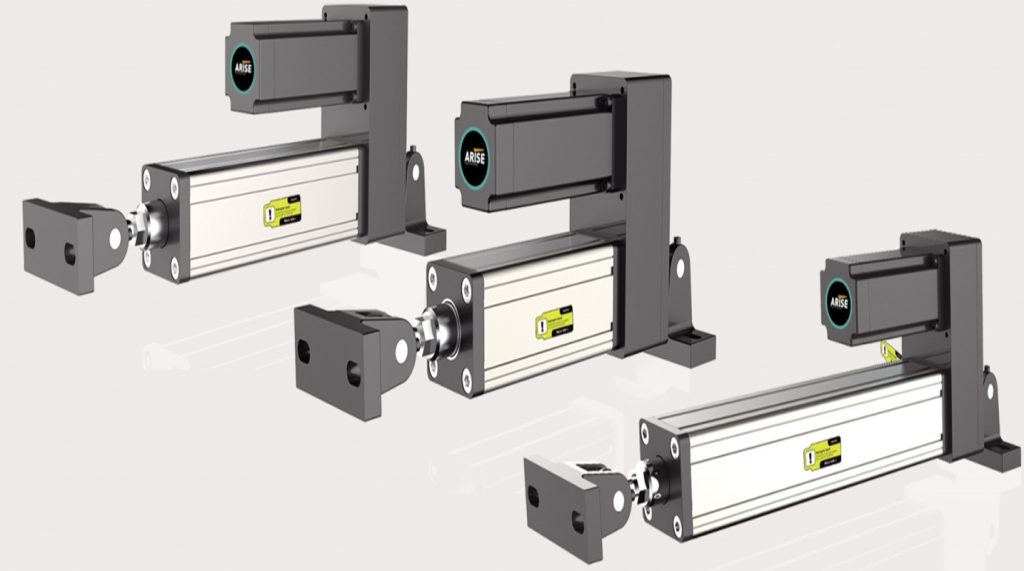
- Actuators would need to exert a stronger force in the
- Mechanical parts undergo greater stresses
- The small guide frames might bend when loaded.
If the guide mechanism cannot produce sufficient force relative to the web tension, the precision of the correction falls off.
Common Reasons Web Guiding Systems Fail at High Tension Levels
A web guiding system in high tension is usually not brought down by a single point of constricting problems, but a combination of flying restrictions as to the mechanics, sensing, and control issues.
Guide the Force to the Maximum Power
While tension is high, the web moves much more laterally than it does at a low tension and at lower tension. Under such conditions, the guiding actuator could still respond to the commands for correction; however, the force applied would no longer bring about any movement in the web. Here, the system presents a species of operation, yet the real correction of action is very minimal.
It often occurs on the production line where tension or speed has been increasing over time, while the original guiding hardware remained the same. The actuator was just never intended to overpower the higher lateral forces created by higher tension, and consequently, its acceptable correction range will be critically truncated.
Sensor Signals are Less Reliable at High Tensions
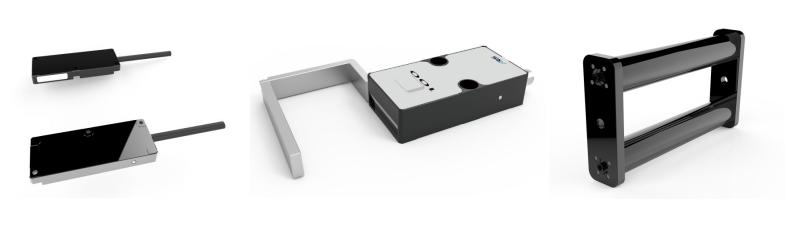
Increased tension impacts the dynamics of the web edge as well. Rather than having a sharp and constant edge, it might vibrate or oscillate as it travels with the line. Such minute vibrations might interfere with edge detection, particularly when optical or contrast sensors are used.
When the signal generated by the sensor starts having instability, this sends rapid changes in position to the controller. It can, therefore, command corrections in a way that is unrelated to the actual average position of the web. This will eventually cause irregularities in the control of the web, resulting in delay and rapid correction, indicating a possible system breakdown.
Control Tuning No Longer Represents High-Tension Conditions
Control parameters that are optimum at low or moderate tension often become unsuitable at higher tensions. The natural flexibility of the web is reduced at high tension, and aggressive settings can make the guiding loop oversensitive. If the correction gain is too high, the system overreacts and oscillates. If the response is too slow, the correction arrives too late to counter the deviation.
In practice, one of the following two behaviors is usually observed by engineers:
- the web continually searches around the centerline, or
- the acting guidance lags behind the actual misalignment
Both are indications that the control loop is no longer tuned for the operating tension. For the most part, these factors are not independent. Increased mechanical load, reduced sensing stability, and reduced control margins tend to be self-reinforcing. Performance degradation is unavoidable unless the web guiding system is specifically designed and adjusted for high-tension operation.
Typical Symptoms of Web Guiding Failure in High-Tension Applications
Recognizing symptoms helps identify tension as the root cause.
Common symptoms include:
- Web alignment is never constant.
- The response lags at high speed
- The correction range seems less than expected
- Web tracks correctly at low speeds but fails during ramp-up
These symptoms often indicate that the guiding system is operating beyond its effective mechanical or control limits.
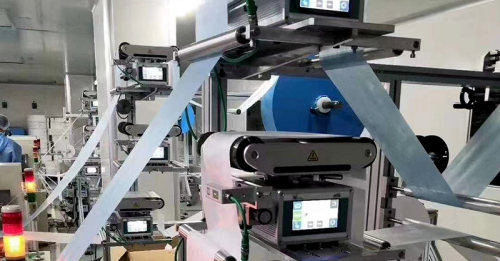
How to Improve Web Guiding Performance at High Tension Levels?
At high levels of tension, improvements in the guiding performance of the web must solve both mechanical issues and system adjustments. Mere increases in the sensitivity of the correction will not accomplish this.
- First, the web guiding system must be rated for the true tension and line speed at which it is being operated. The actuator must provide sufficient lateral force to translate the web at a high rate of correction. Inadequately sized web guiding systems result in premature failure when running high tension.
- Second comes the installment geometry. The guiding unit should be placed to impact web motion with substantial span and guiding angle availability. Poor placement will limit the control on correction, irrespective of system quality.
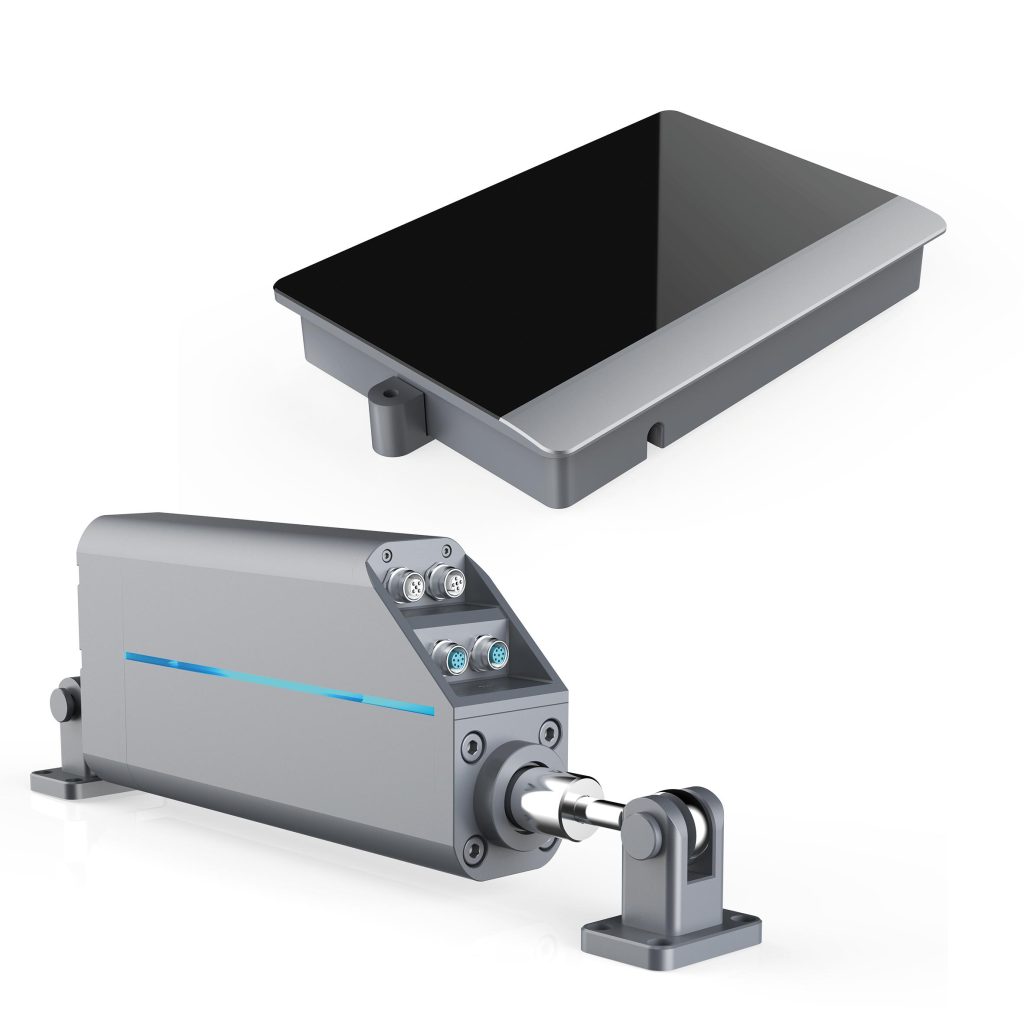
- Also, system integration matters significantly, depending on what type of system it is. Further integrative conditions could exclude sensor delay and coordinating timeliness, as a thorough integration of the program’s functional blocks (sensors, controllers, actuators, etc.) speeds up the response time, stabilizes the motion more quickly, and ensures the web alignment is more consistent at high speed and tension.
When High Tension Requires a Different Web Guiding Strategy?
Not all web guiding problems can be solved through tuning or minor upgrades.
When applications involve:
- Very high tension
- Thin or sensitive materials
- High-speed roll-to-roll processing
A different guiding strategy might be used; for example:
- More powerful actuators
- Two guiding points
- Design of integrated guiding and tension control
In this instance, treating web guiding as a systems-level function, rather than an isolated component, allows for far more reliable alignment.
The failure of a web guide system at high tension does not mean that the system is defective per se. Most often, the issue arises due to a mismatch between the guiding force, the system response speed, and the actual tension conditions on the production line.
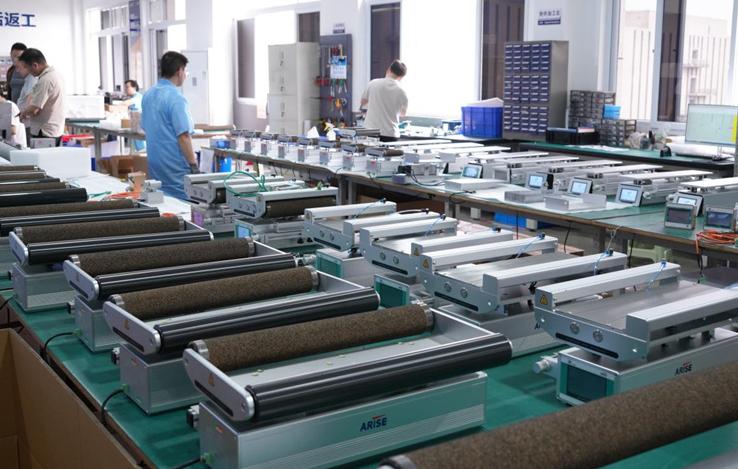
For production lines running in a tight and fast tension, and where stable, gentle-looking corrections are necessary, Arise’s all-in-one web guiding system offers an integrated solution designed to guarantee better guiding force, greater performance in real industrial conditions, and faster, more accurate-guided alignment.
Why not get in touch with us to discuss your application and strategies for the right web guiding solution for your production line?