
How Print Inspection Systems Improve Color Accuracy
Modern printing requires accurate color accuracy because it represents one of the most important quality standards. All production processes, from packaging and label creation to magazine printing, textile manufacturing and commercial product development, require brand identity maintenance through exact color matching. The production process requires print inspection systems because they help businesses achieve higher color accuracy through their entire workflow.
Why Color Accuracy is Important in Printing
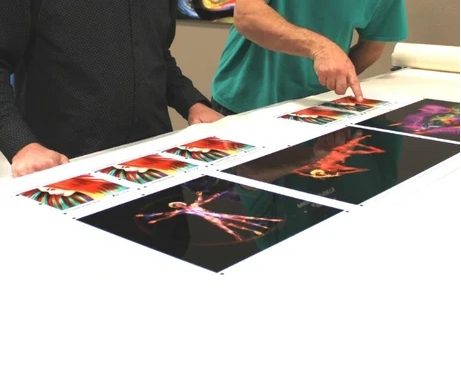
Colors are often tied closely to brand recognition and product appeal. The incorrect red shade on a beverage label together with the cosmetic package’s tonal inconsistencies, will confuse consumers while damaging their trust. Color deviations in pharmaceuticals or food packaging products result in identification problems and compliance violations.
The production process requires maintaining color consistency as production facilities create thousands of prints every hour. The final color output results from multiple variables which include ink viscosity together with substrate type, temperature, humidity, press speed and mechanical wear.
The Process of Print Inspection Systems for Color Accuracy
1. Real-Time Monitoring During Production
One of the most effective ways a print inspection system enhances color accuracy is through real-time monitoring. High-resolution cameras and special sensors check the printed material while it moves through the press. Printers can spot color deviations right away, instead of waiting for the production lot to be done. This immediate feedback allows the operator to respond before a large amount of print defect products pour out. Early detection stops waste and material saving costs on the stock, and minimizes expensive reprints. Real-time monitoring is of valuable use where long production runs can cause small color deviations, evolving into major issues.
2. Precise Comparison with Approved Standards
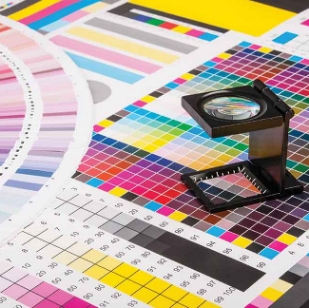
Sections of repeated print inspection systems have compared live prints with approved references and digital color standards to develop tolerances to regulate the effectiveness of colors and features with regard to hue, density, contrast, and saturation.
The automated process eliminates some of the subjective judgment errors that irrevocably seem to accompany visual inspection-what seems acceptable to one operator may be viewed by another as unacceptable, but automatic inspection systems during printing operations maintain consistent standards throughout all jobs.
3. Automatic Press Adjustments
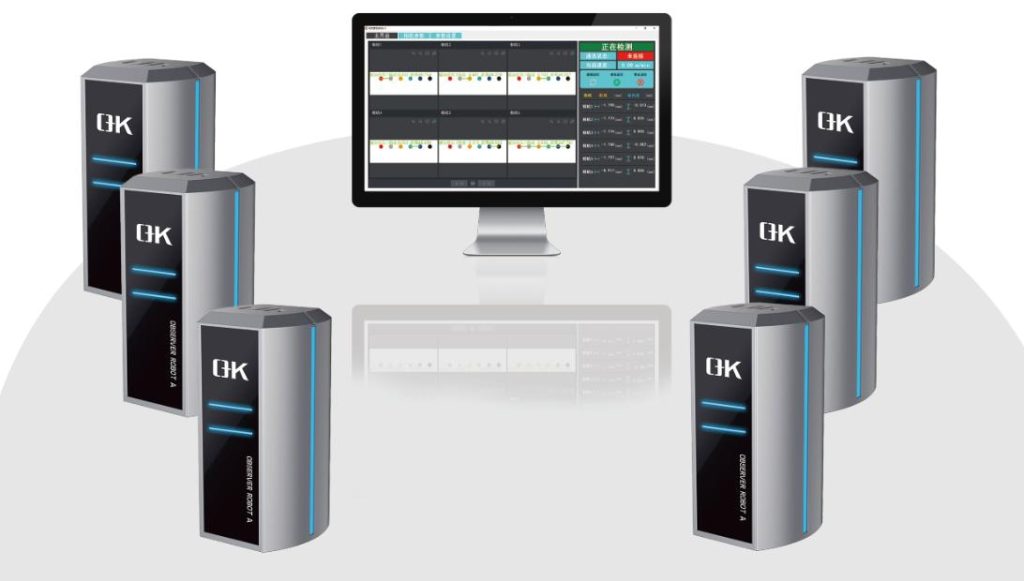
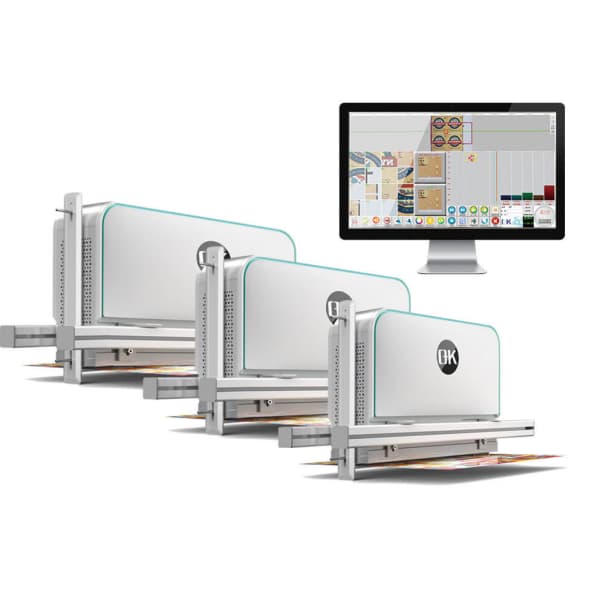
Advanced 100% print inspection systems seamlessly integrate with press operations to control stresses and strain. When these kinds of inspection systems show color shift downstream, it may trigger programmed adjustments to ink flow, pressure, registration, or other process variables.
The closed-loop control system handles the pressing machine accurately, keeping a balance at its optimal setting without continuous human intervention. This ensures a stable color performance in galley printing jobs, where there will careful regard for the speed at which operations have to take place, minimizing undesirable control delays.
4. Detection of Ink and Substrate Variations
Changes in raw materials can significantly affect color results.
| Variation Type | How Print Inspection Systems Detect It | Common Causes | Production Impact |
| Ink Density Variation | Cameras and densitometers identify areas that appear too light or too dark compared with reference standards. | Inconsistent ink flow, low ink levels, pressure changes. | Weak colors, uneven appearance, rejected prints. |
| Color Shade Shift | Spectral sensors measure deviations in hue and Delta E values from approved targets. | Incorrect ink mixing, batch differences, contamination. | Brand color inconsistency, customer complaints. |
| Ink Streaking or Banding | Vision systems detect repeated lines or uneven ink distribution across the print width. | Dirty rollers, damaged anilox rollers, clogged nozzles. | Poor visual quality and non-uniform coverage. |
| Ink Smearing | High-speed cameras identify blurred images or spread ink edges. | Slow drying, excessive ink volume, substrate incompatibility. | Reduced readability and unattractive finish. |
| Missing Print Areas | Cameras compare live print with master artwork and detect blank or incomplete sections. | Nozzle blockage, plate damage, poor ink transfer. | Incomplete graphics or missing text. |
| Gloss Variation | Imaging systems measure reflected light differences across surfaces. | Uneven coating, drying inconsistency, substrate texture changes. | Irregular appearance and perceived color mismatch. |
| Substrate Brightness Variation | Sensors detect differences in base material whiteness or reflectivity. | Mixed paper lots, supplier inconsistency, recycled content changes. | Altered color appearance and contrast. |
| Surface Absorbency Changes | Color readings show inconsistent ink penetration or density across the substrate. | Coating inconsistency, moisture content changes, material defects. | Blotchy color, drying issues, unstable print quality. |
| Material Wrinkles or Distortion | Cameras identify deformation affecting image placement and color consistency. | Improper web tension, damaged rolls, humidity exposure. | Registration errors and distorted graphics. |
| Registration Shift with Color Layers | Inspection systems monitor alignment of multiple printed colors. | Mechanical wear, web stretch, speed fluctuations. | Blurry images, halos, poor color sharpness. |
| Contamination Spots | Cameras detect unexpected marks, stains, or foreign particles on substrate or ink film. | Dust, debris, dirty environment, contaminated ink. | Visible defects and reduced print quality. |
| Drying or Curing Inconsistency | Sensors and imaging detect gloss, tone, or texture changes after printing. | Insufficient heat, UV lamp weakness, airflow issues. | Smudging, color instability, adhesion problems. |
Early detection of printing defects allows operators to replace materials, recalibrate settings quickly or modify production parameters before quality problems spread across the run.
5. Improved Quality Documentation and Traceability
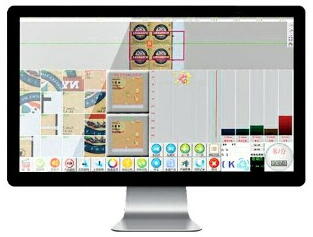
Several industries demand meticulous documentation of production records as part of their QA and regulatory compliance obligations. Accordingly, Print inspection System holds down inspection data, colour measurements, defect images, and defect correction history-using such information consistently makes the production job’s earmark quality. The existence of traceable data helps manufacturers to really get down to analyzing root problems, improving workflow, and providing evidence of compliance to the customer or regulatory authority. Traceable data also plays a side role for color performance improvement efforts.
Key Technologies in Print Inspection Systems for Improving Color Accuracy
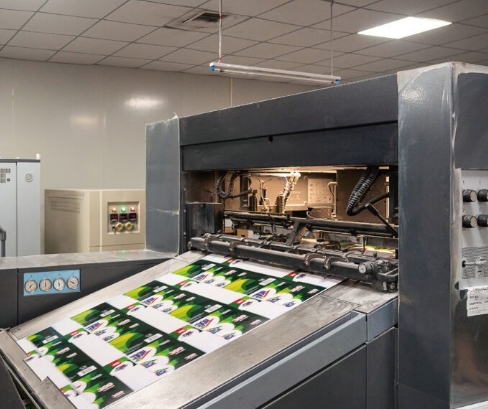
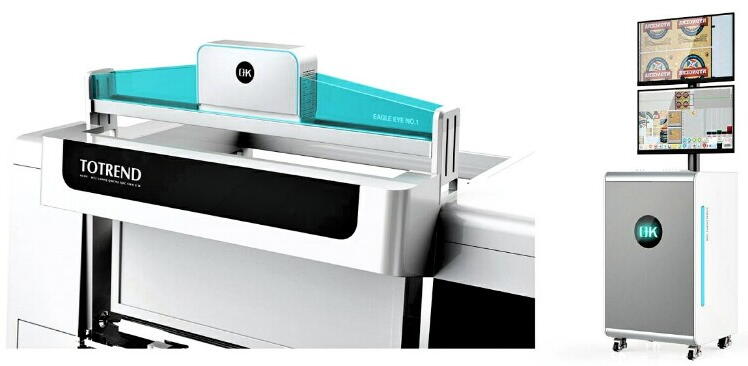
Printing inspection systems use a range of advanced technologies designed to monitor, measure, and control color performance throughout production.
1. High-Resolution Industrial Camera Systems
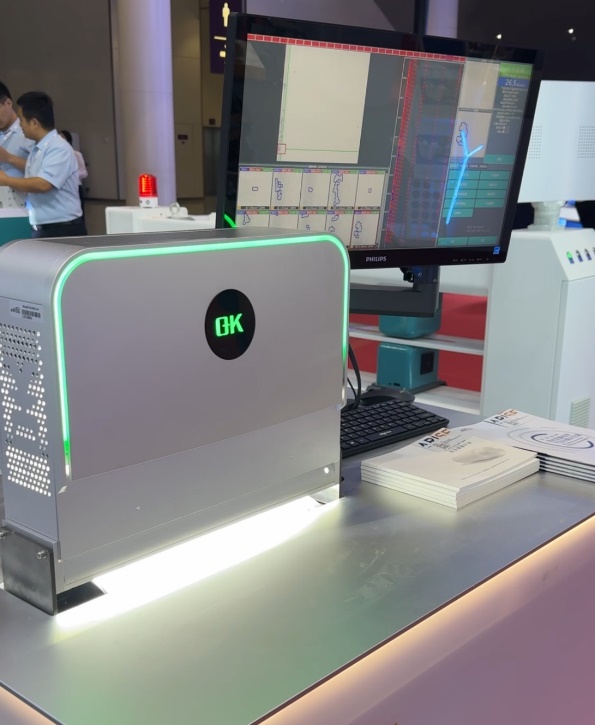
The use of ultra-high resolution industrial cameras is crucial in print inspection systems. These cameras are equipped to photograph detailed images of printed material when they are on the press or finishing line.
These cameras monitor every frame in order to detect density changes of color, streaking, ink blending, or printing defects. High-speed cameras are especially beneficial in monitoring the continuous printing of webs, in which case defects are detected instantly without halting the production line. State-of-the-art cameras are very sensitive, enabling inspection even under bad lighting conditions and pulled along by extreme speeds by virtue of their fast image processing.
2. Spectrophotometers and Color Sensors
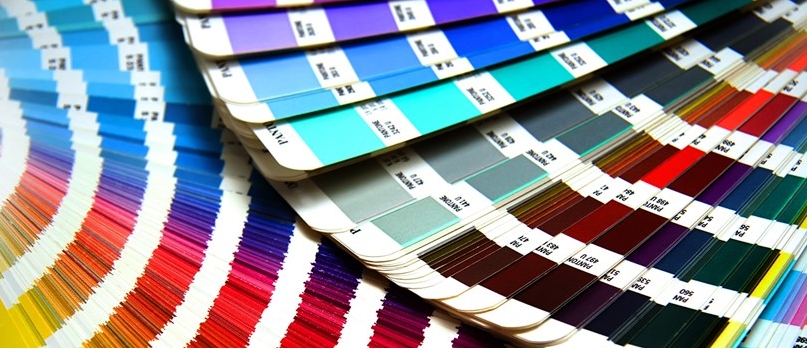
Within this industry, while cameras catch visual imaging, spectrophotometers and dedicated color sensors are equipped for the most accurate calculation of color. Scrutinized with multilevel reflection of light upon a spectrum of wavelengths so as to measure out right color values instead of visual aspects.
It allows the print inspection system to compare live production colors to reference standards with internationally recognized color spaces, like LAB or Delta E tolerances. In turn, printers can keep brands accurately represented while following all the toughest client color standards.
3. Controlled LED Lighting Systems
The lighting condition is another influencing factor that often effects color capturing and measurement. To create consistency in working, the print inspection systems use controlled LED illumination systems having advantages of even brightness, extensive coverage, and long operational lives. Lighting design helps reduce shadows, glare, and light reflection from glossy or metallic surfaces. Lighting ensures greater reliability of cameras and sensors, ensuring consistent color measurement results across different jobs and materials.
4. Image Processing Software
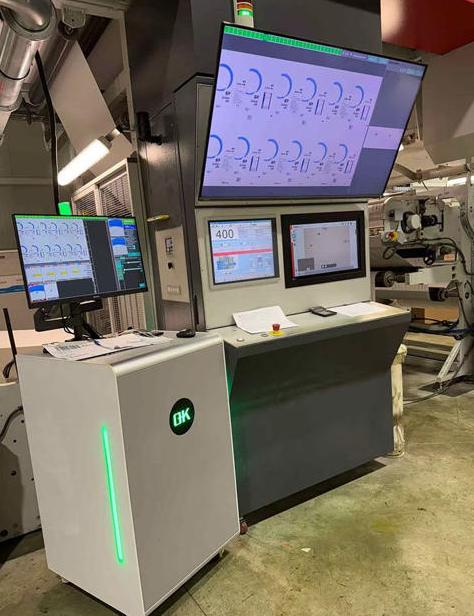
Sophisticated software is the heart of 100% full-color print inspection systems. The image processing algorithms perform real-time analysis on captured images. On that basis, it is possible for comparison against a master reference or established tolerance limits.
By integrating with the above, it is possible for the software to be able to recognize gradual color changes, missing print areas, misregistration, added contamination, and differences in tone. Furthermore, it filters out randomly fluctuating background variations, such as lighting changes or fluctuating temperature, drawing attention to quality issues that are of highest priority. Advanced software would usually come with dashboards, statistical reports, and automatic alerts for the user to make a judgment quickly.
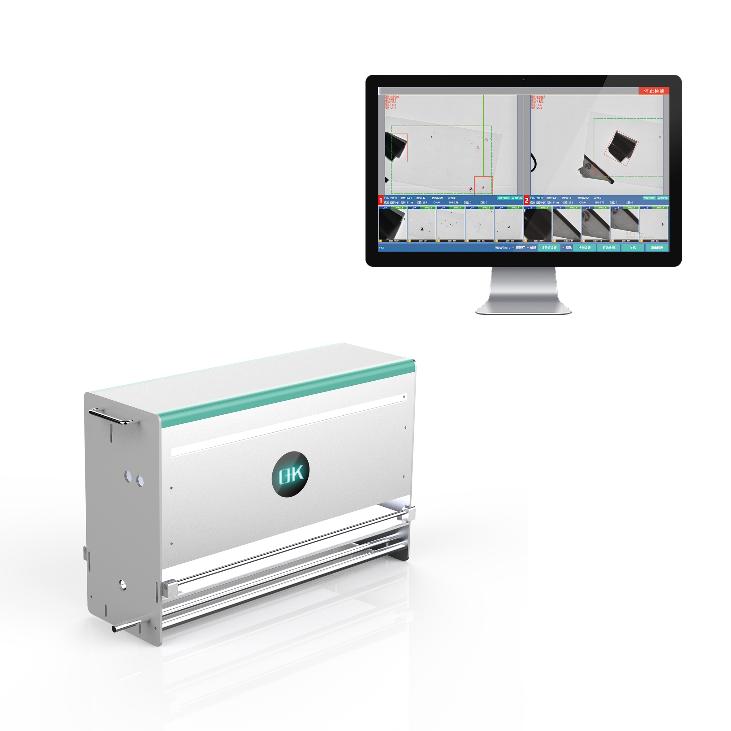
100% print inspection system
5. Artificial Intelligence(AI) and Machine Learning
The importance of artificial intelligence in color management is increasing. Teachable systems accomplish machine learning here, learning from all past relevant data to recognize patterns that otherwise can’t be obviously seen by conventional rule-based applications. Machine learning decreases false alarms, predicts recurring color issues, and optimally correct strategy. Over time, these solutions improve in capability as well as efficiency, providing high-quality consistency and increased operational performance for operators.
6. Cloud Connectivity and Data Analytics
It also helps that most industries nowadays run multiple presses where common quality standards must be set. 100% inspection systems for printing quality, is connected to the cloud could monitor color performance across different locations. Feedback reports-on expedited grounds, data is gathered and analyzed so that managers can make informed decisions on machine performance. This goal is accomplished through charting, statistics, and thorough causation during analysis for better standardization and ongoing improvement across the enterprise.
Best Practices for Improving Color Accuracy When Using Print Inspection Systems
| Best Practice | Description | Benefit |
| Regular System Calibration | Calibrate cameras, sensors, spectrophotometers, and lighting systems according to manufacturer schedules. | Ensures accurate and repeatable color measurements. |
| Use Standardized Color References | Apply approved master samples, ICC profiles, and brand color standards for every print job. | Maintains consistency across batches and production sites. |
| Maintain Stable Lighting Conditions | Use controlled inspection lighting and prevent outside light interference in the production area. | Improves reliable color detection and reduces false readings. |
| Control Ink Quality and Viscosity | Monitor ink formulation, viscosity, temperature, and mixing consistency during production. | Prevents color drift and uneven print appearance. |
| Verify Substrate Consistency | Check paper, film, label stock, or other substrates for brightness, coating, and absorbency variations. | Reduces unexpected color shifts caused by material differences. |
| Set Proper Tolerance Levels | Establish realistic Delta E and density tolerance ranges based on customer and product requirements. | Balances quality expectations with production efficiency. |
| Perform Real-Time Monitoring | Continuously inspect printed output during the run rather than relying only on end-of-line checks. | Detects issues early and minimizes waste. |
| Integrate Closed-Loop Control | Connect inspection systems with the printing press for automatic ink and registration adjustments. | Maintains stable color with less manual intervention. |
| Clean Equipment Regularly | Keep lenses, sensors, print heads, rollers, and lighting components free from dust and contamination. | Prevents inaccurate readings and print defects. |
| Train Operators Thoroughly | Educate staff on color theory, system settings, troubleshooting, and data interpretation. | Improves response speed and reduces operator errors. |
| Monitor Environmental Conditions | Control temperature and humidity in the pressroom. | Helps stabilize ink behavior and substrate performance. |
| Analyze Historical Data | Review inspection reports and production trends to identify recurring color issues. | Supports continuous improvement and process optimization. |
| Schedule Preventive Maintenance | Maintain presses, pumps, rollers, and inspection hardware on a planned schedule. | Reduces mechanical issues that affect color consistency. |
| Validate Before Full Production | Run test prints and confirm color accuracy before starting mass production. | Minimizes startup waste and customer rejections. |
| Standardize Across Multiple Sites | Use common workflows, profiles, and inspection procedures at all facilities. | Ensures global brand color consistency. |
Future Trends in Print Inspection Systems for Improving Color Accuracy
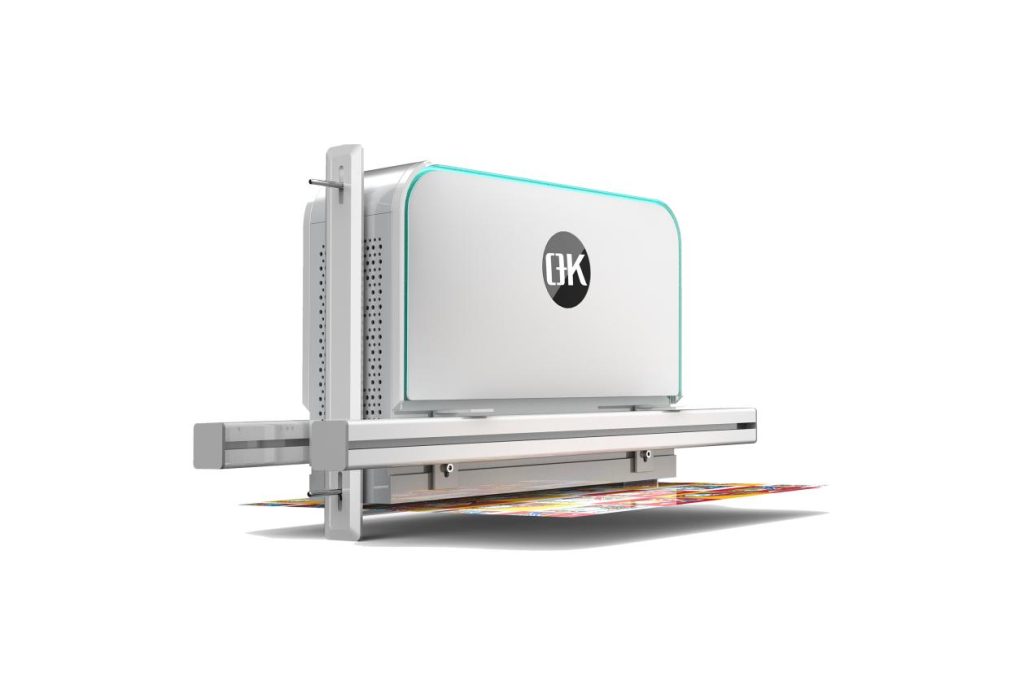
The future of print inspection systems is moving toward smarter automation.
| Future Trend | Description | Expected Impact |
| Hyperspectral Imaging | Advanced cameras will capture wider wavelength data beyond traditional RGB imaging for deeper color analysis. | Greater precision for brand colors, metallic inks, and specialty substrates. |
| Fully Closed-Loop Automation | Inspection systems will communicate directly with presses to continuously optimize ink flow, pressure, and registration. | Stable long-run production with minimal manual intervention. |
| Digital Twin Technology | Virtual models of printing presses and workflows will simulate color outcomes before production starts. | Reduced setup time, faster job changeovers, lower waste. |
| Real-Time Remote Diagnostics | Equipment suppliers and managers will access live system data remotely for troubleshooting and support. | Faster maintenance response and reduced downtime. |
| Enhanced LED Smart Lighting | Intelligent lighting systems will automatically adjust brightness and angles based on substrate and ink type. | More accurate inspection across varied materials. |
| Advanced Color Standards Integration | Systems will seamlessly connect with updated ICC profiles, brand libraries, and customer approval databases. | Stronger brand protection and simplified workflow control. |
| Inline Spectrophotometric Scanning | Continuous inline spectral measurement will replace more manual spot-checking processes. | More reliable full-run color verification. |
| Robotics in Quality Handling | Robotic systems may separate defective prints or assist with automatic sampling and verification. | Higher efficiency and lower labor dependency. |
| Sustainability-Focused Optimization | Inspection systems will optimize ink usage, substrate consumption, and energy efficiency while maintaining color quality. | Lower operating costs and reduced environmental impact. |
| Augmented Reality Interfaces | Operators may use AR displays to visualize live color deviations and maintenance guidance. | Faster decision-making and improved usability. |
| Self-Calibrating Inspection Systems | Future systems will automatically calibrate cameras, sensors, and measurement devices. | Reduced maintenance effort and more stable performance. |
| Smart Multi-Site Benchmarking | Global manufacturers will compare color accuracy metrics across factories in real time. | Better standardization and continuous improvement worldwide. |
Summary
Print inspection systems improve color accuracy by combining real-time monitoring, automated correction, advanced imaging and disciplined process control, which help manufacturers achieve consistent and reliable color performance. As color inspection technology continues to advance, color management will become even faster, smarter, and more precise.