
How to Detect Micro Print Defects Accurately
The current printing industry requires accurate printing results because it operates in fast-paced printing environments. The packaging, pharmaceutical and security printing industries depend on their ability to reproduce micro text and detailed patterns and high-resolution graphics with exact accuracy. Micro print defects, which people can’t see with their eyes, will damage both product quality, brand reputation, customer relationships and company ability to meet regulations. The advanced printing inspection systems now need accurate print defect detection methods as their main quality control requirement.
Table of Contents
What are Micro Print Defects
Micro print defects refer to extremely small imperfections that occur during the printing process. The defects impact micro text and thin lines and barcodes and high-density patterns. The small size of these objects makes them impossible to detect through manual inspection which needs specialized detection technologies.
Common Types of Micro Print Defects
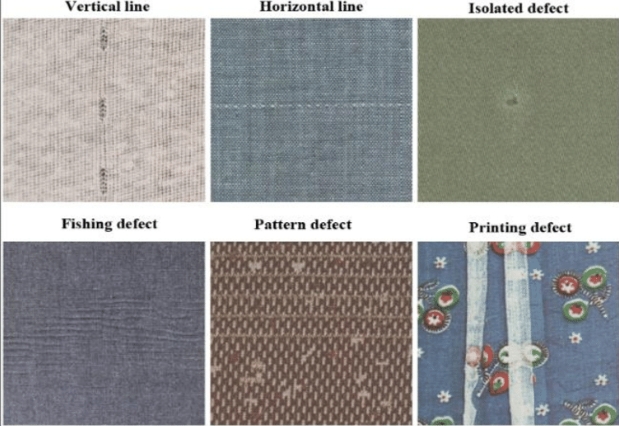
This chart provides various types of micro print defects, together with their causes and impact on quality.
| Defect Type | Description | Typical Causes | Impact on Print Quality |
| Ink Voids | Small missing areas where ink fails to transfer onto the substrate | Low ink transfer, plate wear, contamination | Incomplete text or patterns, reduced readability |
| Broken Lines | Discontinuities in fine lines or micro text | Plate damage, improper pressure, ink starvation | Distorted characters, loss of detail |
| Dot Gain Variations | Inconsistent spreading of ink dots beyond intended size | Excess ink, substrate absorption, pressure imbalance | Blurred images, loss of sharpness |
| Misregistration | Misalignment between different color layers or print passes | Mechanical misalignment, web tension issues | Color shifts, overlapping errors |
| Pinholes | Tiny holes or gaps within printed areas | Air bubbles, substrate defects, ink contamination | Weak print density, visual imperfections |
| Smudging | Unintended spreading or smearing of ink after printing | Slow drying, excessive ink, handling issues | Blurred micro text and patterns |
| Ghosting | Faint duplicate images or patterns appearing near the original print | Ink residue, roller issues, improper cleaning | Reduced clarity, confusing visual output |
| Contamination Spots | Foreign particles embedded in the print | Dust, debris, dirty environment | Random defects, compromised precision |
| Feathering | Ink spreading irregularly along edges, creating a “feathered” appearance | High absorbency substrate, low ink viscosity | Poor edge definition, loss of fine detail |
| Banding | Visible lines or streaks across the print surface | Uneven pressure, roller defects, ink flow inconsistency | Non-uniform appearance, reduced aesthetic quality |
Technologies for Detecting Micro Print Defects
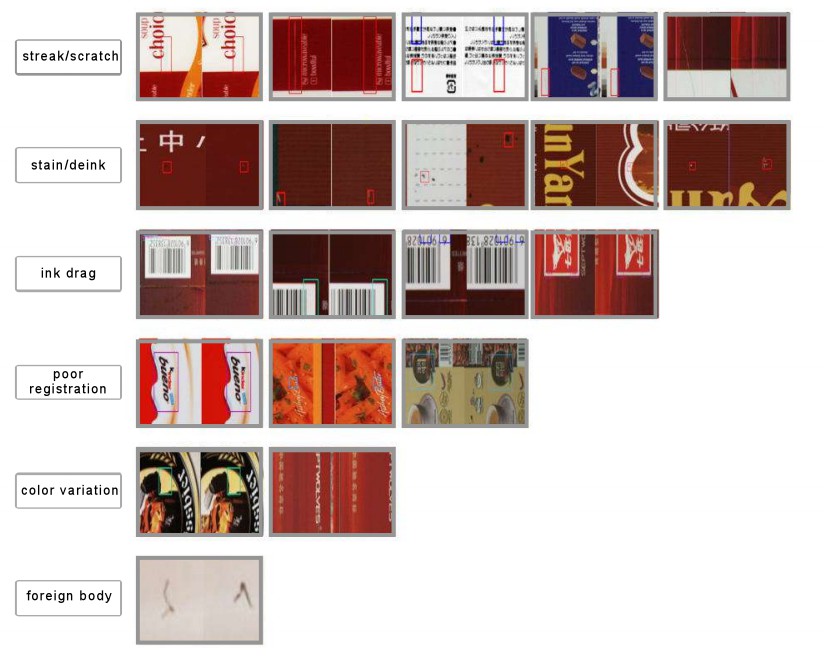
A wide range of advanced defect detection technologies has been adopted for detecting micro print defects, combining high-resolution imaging, intelligent algorithms, and real-time data processing.
1. High-Resolution Machine Vision Systems
The Integrated web vision inspection systems relying mostly on high-resolution machine vision systems are capable of acquiring extremely small details. For the purpose of acquiring fine detail in ultra-high- speed applications, the systems usually use either line-scan or area-scan cameras. The latter is usually more suitable for continuous web lines wherein the material moves very fast through the line.
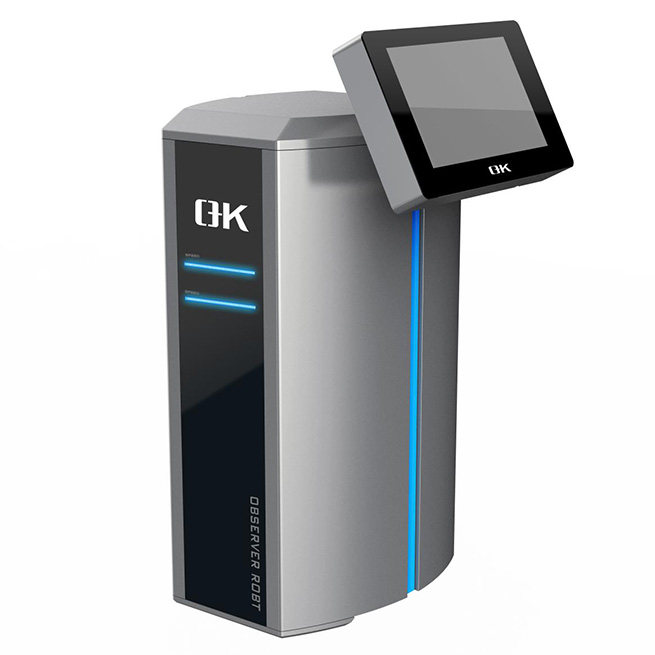
Advanced optics and sensors make it possible to achieve micron-level resolution, capable of detecting the smallest of defects in either micro text, fine lines, or intricate patterns. The phenomenon is even more pronounced when coupled with high frame rates in real time inspection, a great advance in their use along a production line.
2. Advanced Lighting Techniques
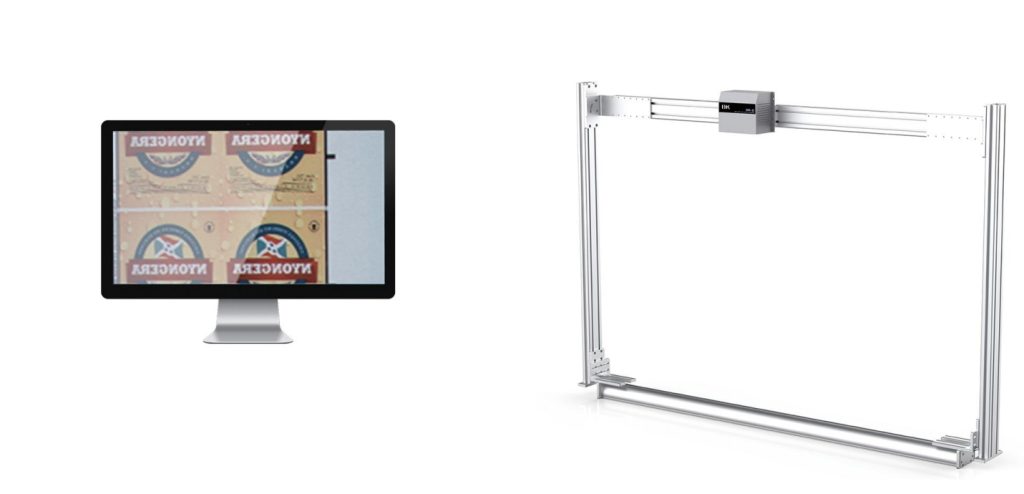
Defect visibility can be altered by types of illumination, depending on the defect and the surface characteristics.
High contrast light is frequently used to emphasize surface features, thereby guaranteeing reliable illumination aiding in recognizing results in minor print density variations. With respect to dark-field illumination, it is preferred for highlighting surface irregularities, such as scratches, pinholes, or contamination, by capturing scattered light.
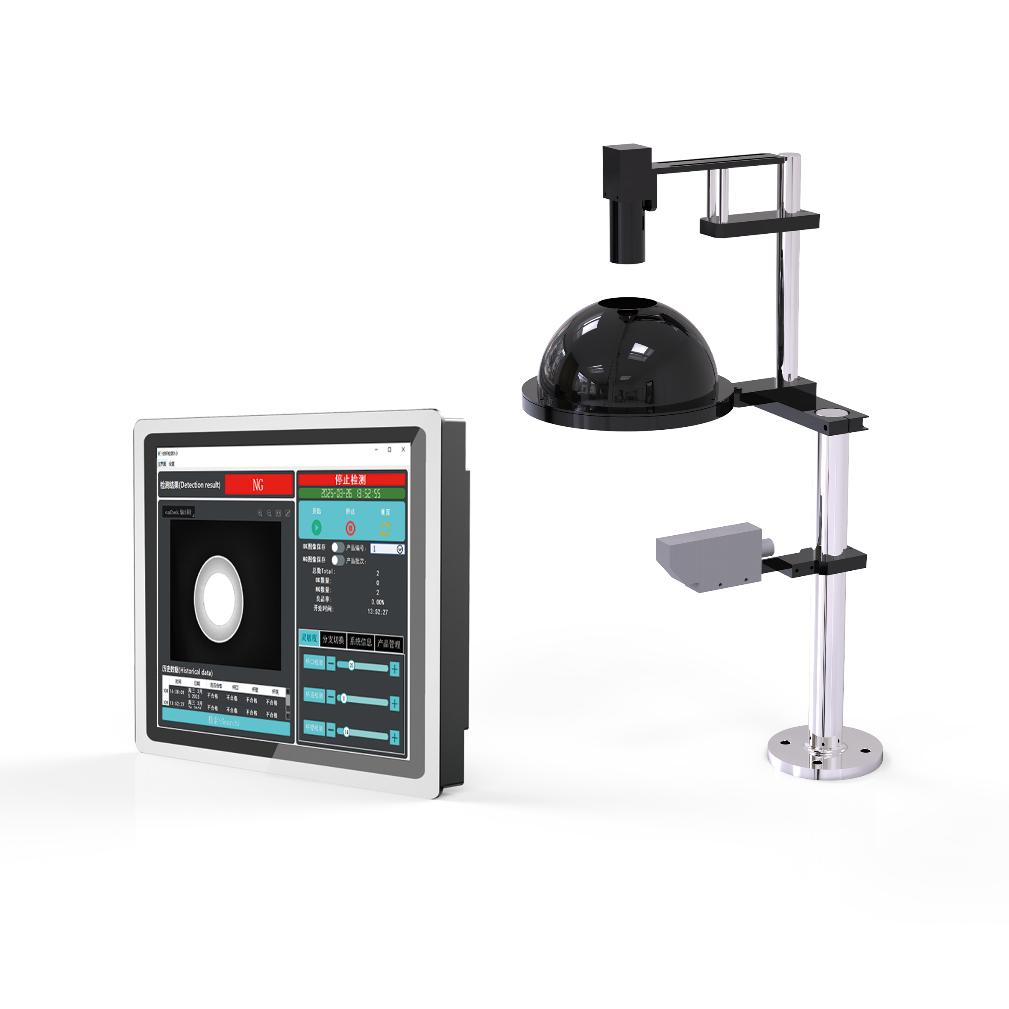
Another aid comes from diffuse dome lighting and multibeam illumination to reduce shadows and reflections. This helps in obtaining clearer images that can be analyzed. Selection and configuration of the lighting substantially improve the accuracy of detection.
3. Image Processing and Computer Vision Algorithms
Once images are captured, elaborate image processing algorithms sort out the possible defects. Traditional methods include thresholding, edge detection, and template matching, where deviations are sought by comparing the actual-shot image to a reference pattern.
Frequency and texture analyses detect periodic sorts of defects such as ghosting or banding. The underlying algorithms apply large amount of image data in shorter time windows supporting instantaneous decisions of high-speed production environments. Some of the new systems incorporate adaptive thresholding and dynamic calibration, while taking into account lighting conditions, material conditions and subtitle printing, hence significantly improving on reliability and reducing false positives.
4. Artificial Intelligence(AI) and Deep Learning
Deep learning has significantly advanced the capacities of micro defect detection systems. Deep learning models, mainly convolutional neural networks, are trained on large defect dataset of images to identify complex and subtle patterns.
AI’s methodology is very sensitive to design and printing variations compared to traditional rule-based systems. AI remarkably improves the scope for identifying miscellaneous or hidden printing defects, making them indispensable tools for industries with a wide spectrum of printing templates.
AI technology also enables perpetual improvement. More data used just makes retraining of their detection models an option, inducing higher accuracy of these faults and maintaining a low false alarm, building up to successive performance adaption.
5. Inline Print Inspection Systems
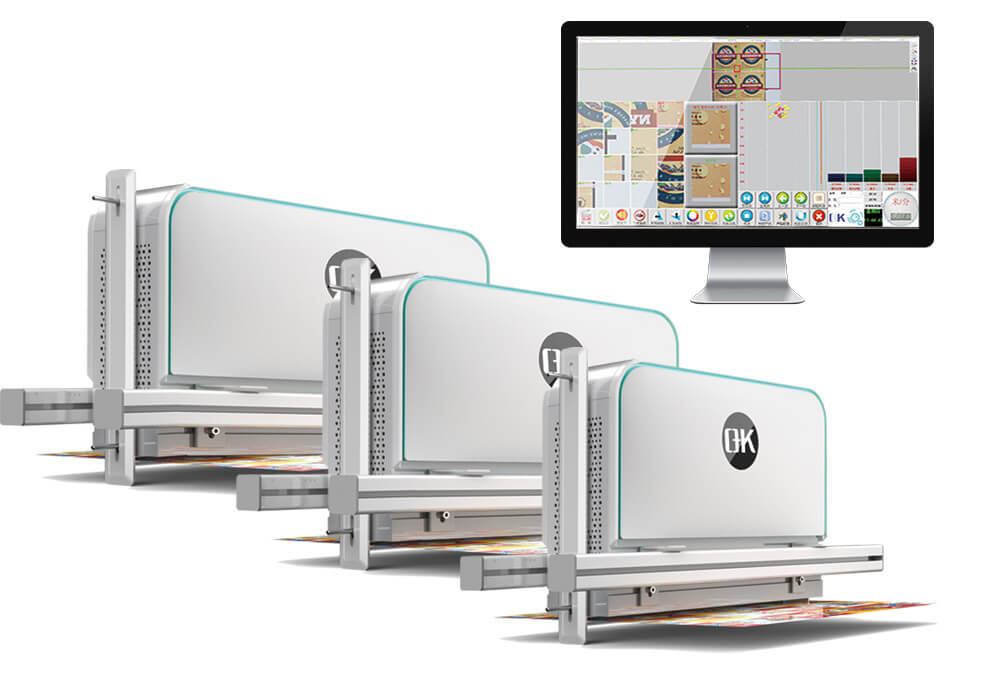
Inline 100% print inspection systems install within the production line, monitoring print quality in real-time. Planting the inspection system into the workflow could also involve high-speed precision cameras, computational nodes or processors, and automatic feedback mechanisms.
When alarms are triggered indicating a defect, the system will mark the unsatisfactory areas, or even carry out instant repairs, viz., a change in printing parameters. Such prompt action will reduce wastage and prevent the manufacture of defective products to target downstream processes.
The 100% full-surface printing inspection systems are essential for large-volume production environments where manual checking is impractical.
6. 3D Surface Inspection Technologies
Traditional systems are based on 2D image interpretation, but the newer 3D surface inspection technologies provide data about depth. The techniques employ procedures like laser triangulation and structured light scanning to measure the topography of the surface and to detect defects connected to uneven heights.
Various systems may assist in the identification of embossing defects, ink thickness inconsistencies, and surface deformations potentially hidden from common imaging. Through a mutually supportive examination of both 2D and 3D data, manufacturers can attain a better grasp of print quality.
7. Hyperspectral and Multispectral Imaging
Hyperspectral and multispectral imaging systems allow for the detection of structural and chemical changes of materials under the radiation of various wavelengths. These systems differentiate materials based on their composition, contaminations, and other identifying characteristics caused by chemical impurities.
An important type of such application involves identifying invisible defects or residues in a security printing or pharmaceutical packaging; conventional industrial visioning systems will somewhat miss this detection. With hyperspectral imaging, the level of defect detection deepens further to overcome frequent fault cases.
8. Integration with Industry 4.0 and Smart Manufacturing
Increasingly, modern defect detection technologies are integrated into the Industry 4.0 framework. In that space, everything is connected, from the system to inspection equipment, production, machinery, and quality management platforms-all in real time.
Such an integration has control to help predicative maintenance, process optimization and data-driven decision-making. For example, patterns of defects can be analyzed to trace back to the root causes, which will allow the manufacturer to address the issue proactively instead of reactively.
Cloud computing will enhance system capabilities, together with edge processing, through faster analysis and more scalable data management.
Challenges in Detecting Micro Print Defects
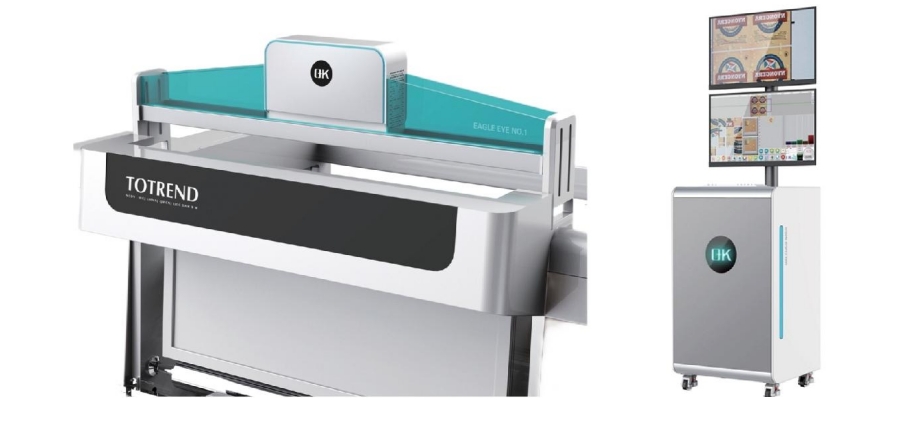
Despite significant technological advancements, several key challenges continue to impact detection accuracy and efficiency.
| Challenge | Description | Impact on Inspection Systems | Potential Solutions |
| Resolution Limitations | Difficulty capturing extremely small (micron-level) defects | Missed defects or need for expensive high-resolution systems | Use advanced optics, high-resolution cameras, precision lenses |
| High-Speed Data Processing | Large volumes of image data generated in real time | Processing delays, reduced inspection accuracy | Implement edge computing, GPUs, and optimized algorithms |
| False Positives vs. False Negatives | Difficulty distinguishing real defects from normal variations | Increased waste or undetected defects | Use AI-based adaptive learning and dynamic thresholding |
| Substrate and Ink Variability | Different materials and inks behave inconsistently | Inconsistent detection performance | Customize calibration for each material and ink type |
| Lighting and Reflection Issues | մակ Surface reflections and uneven lighting conditions | Poor image quality, hidden defects | Apply multi-angle, diffuse, or dark-field illumination |
| System Calibration Complexity | Frequent need for tuning due to changing production conditions | Increased downtime and maintenance effort | Develop automated calibration and self-adjusting systems |
| Environmental Influences | Temperature, humidity, and dust affecting print and imaging | Fluctuating detection accuracy | Control environment and use robust system enclosures |
| Integration with Production Lines | Difficulty synchronizing inspection systems with high-speed machinery | Missed defects or process inefficiencies | Use real-time communication and synchronized control systems |
| Data Storage and Management | Massive data generated from continuous inspection | Storage overload and slow retrieval | Utilize cloud storage and efficient data compression |
| Cost of Advanced Technologies | High investment required for cutting-edge inspection systems | Budget constraints for small or mid-size manufacturers | Evaluate ROI and adopt scalable or modular solutions |
Strategies for Improving Detection Accuracy of Micro Print Defects
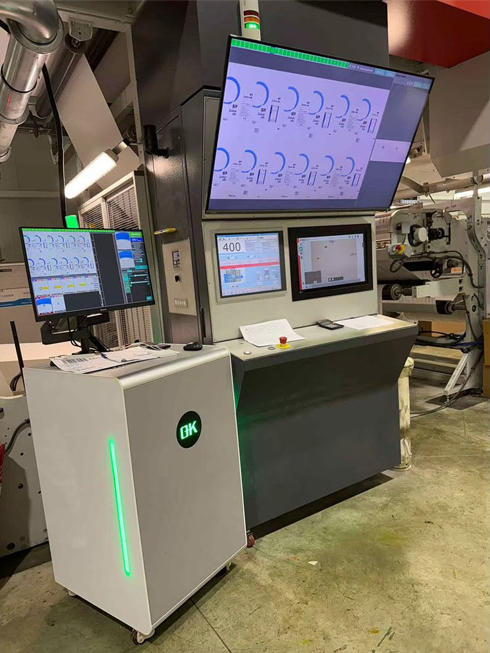
While modern printing inspection systems feature very dependable technology, it has been still a challenge to ensure and maintain high detection accuracy across different print defects. Variabilities present in the process, environmental factors, and defect sizes at a microscopic level are some of the reasons why being high accuracy remains a difficult mission to accomplish. For them to go beyond these barriers, the manufacturers will need to utilize a combination of new technology, intelligent predictions using algorithms and process optimizations.
1. Enhancing Imaging Hardware Performance
Everything depends on good imaging hardware. It is the root for the progress of error detection. The purchase of cameras with high resolution and pixel density will offer a clear view of micro features such as fine lines and micro-text. They provide optical excellence in terms of telecentric lenses, which eliminates distortions because of manual focus and guarantees accurate magnification across the entire image area.
Besides, having the correct camera alignment in combination with focus stability is very important. Even a tiny shift in either of these aspects may cause blurred or distorted images, effectively reducing detection reliability. The further addition of vibration-free mounting systems and a vibration-canceling apparatus would only add to image clarity, specifically where high-speed production environments are present.
2. Real-Time Monitoring and Feedback Integration
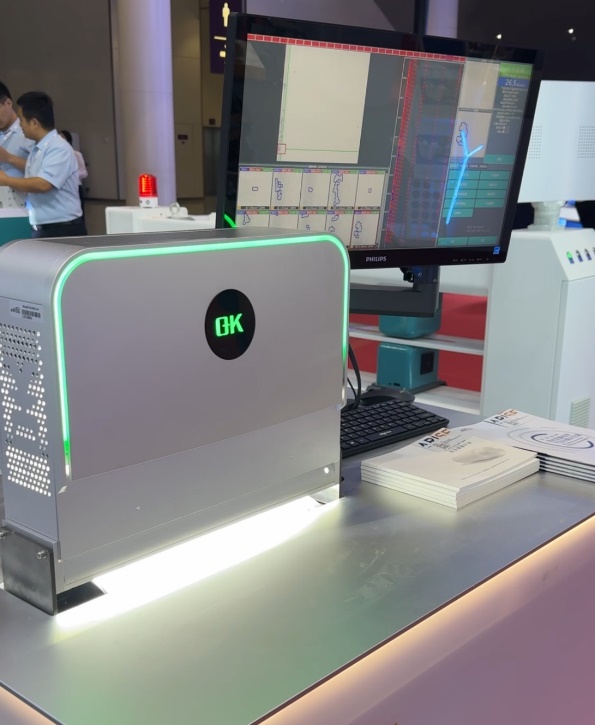
Integrating an inspection system with real-time monitoring and feedback components amplifies the system’s accuracy and process control. If something is not right, an inline inspection system can flag it immediately, thereby enabling a correct of actions, contributing towards alleviation of the problem—such as immediate adjustments in print pressure, ink flow, or alignment.
With closed-loop automated 100% inspection systems, what happens next is fine-tuning process parameters automatically based on inspection results, all of which continuously over time puts in question the printing conditions as close to the specified optimum, minimizing the need for investigation after each defect that potentially perverts system accuracy.
3. Standardizing Calibration and Maintenance Procedures
Calibration and maintenance as a regular strategy are positive factors for sustained detection. Standardization implies that cameras, lighting systems, and software algorithms function within an optimal set of parameters.
Automated calibration tools can acutely facilitate ensuring this by adjusting system parameters for correcting minute changes with respect to their surroundings or operational conditions once these necessitate a parameter reassessment. Keeping all optics as clean as the day they were manufactured, regular maintenance, and inspection of moving parts sustains the expected product of many seasons.
4. Controlling Environmental Conditions
Environmental factors like temperature, humidity, and airborne contaminants can really come into play and have an effect on the quality of the print as well as the accuracy of inspection. Variations in these factors can alter the behavior of ink, surface characteristics, and image clarity.
Stabilizing conditions lead to improved consistency. Clean rooms or enclosed inspection systems are the best to mop up the settings, in which climate control technology and air filtration systems assist in eliminating variations. This further surveys an everlasting reliable fault recognition.
5. Customizing Systems for Specific Applications
There is no perfect mechanism to fit all printing applications. Industries and products have unique requirements, from flexible packaging, printed electronics, and security labels, inter alia.
Customizing printing inspection systems to be adjusted with the assistant substrate, ink type and print design are moved towards higher beneficial accuracy. That includes tailoring the software algorithms, opting for the right lighting configuration and defining defects, while on the procurement of the application need. Hence, the specificity of the solution oriented application implies a guarantee that the system works in the best achievable manner.
6. Using Data Analytics and Continuous Improvement
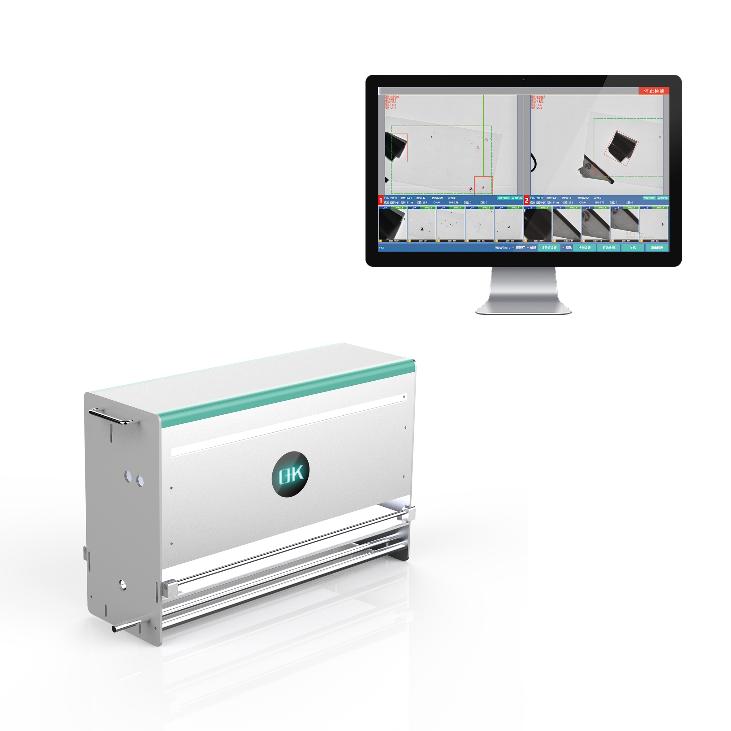
The data procured by inspection systems becomes crucial in providing an overall picture of where the process has been subjected to failure and defect-developing patterns. These data give an insight to repeated abnormalities in workflow development and assist in devising better methods in detecting problems.
Company workers use advanced tools to further analyze problems and give light to the subject, potentially revealing ways to solve the root issues before they start. Continuous improvement is the driving force that helps us evolve these systems as production requirements change.
Summary
In today’s printing industry, the detection of micro print defects is critical for quality control elements. As the industry demands ever more accuracy and stringency for microscopic flaws, isolating and addressing these micro imperfections is increasingly sought after. By way of combining a high degree of sophisticated imaging abilities together with apt algorithms and stable process control, manufacturers can achieve superior print quality and will remain competitive in the market.