
How to Implement High-speed 100% Printing Inspection
The printing industry needs to maintain product quality throughout their operations. The rising customer needs and the requirement for flawless printed materials have led manufacturers to adopt high-speed 100% printing inspection systems which help them achieve quality standards while decreasing production waste, enhancing their operational efficiency. The article focus on the implementation of 100% printing inspection systems by examining their significance, technological components and the requirements needed for their actual use.
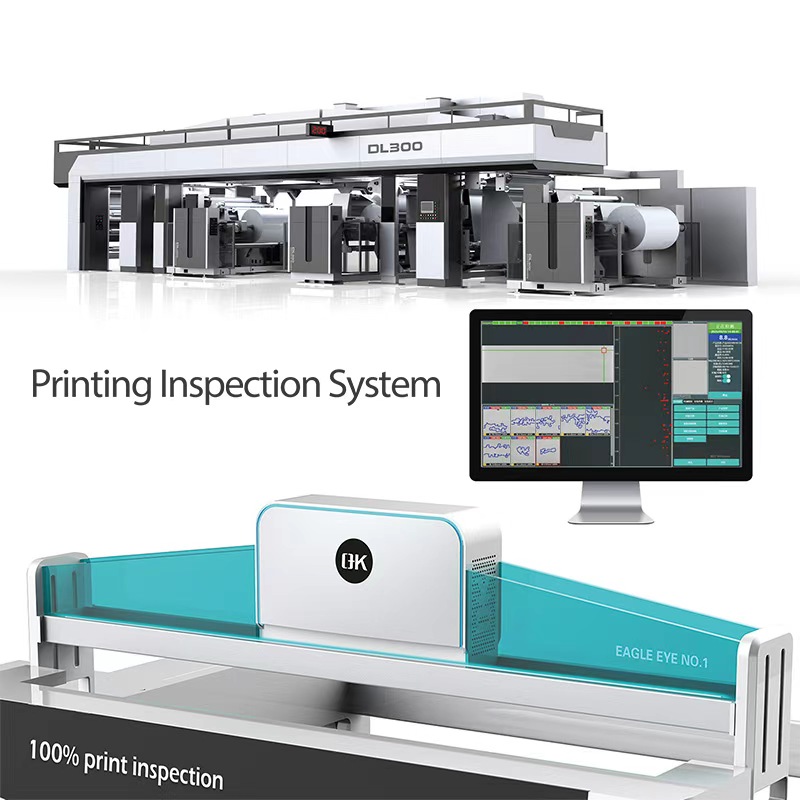
Table of Contents
The Importance of High-speed 100% Printing Inspection
Manual sampling, which serves as a traditional quality control method, requires significant time investment while delivering unreliable results because it depends on human operators who handle the process. The 100% printing inspection systems assess every printed product through their real-time inspection process which enables them to identify defects that include misalignment and color inconsistencies and smudges and streaks and missing elements. The comprehensive method increases product quality while decreasing waste and rework expenses which results in higher profitability and greater customer satisfaction.
Key Components of a High-speed 100% Printing Inspection System
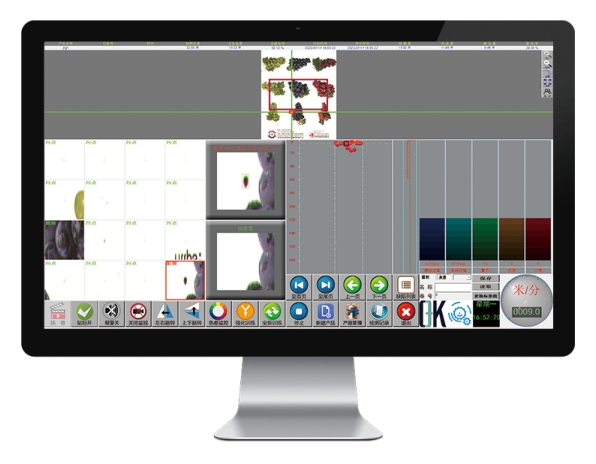
This chart provides a comprehensive overview of the essential components that make a high-speed 100% print inspection system accurate, reliable, and suitable for modern production lines.
| Component | Function | Key Features |
| High-Speed Camera System | Captures images of every printed piece in real time | High resolution, fast frame rate, adjustable lighting, line-scan or area-scan options |
| Illumination System | Provides consistent lighting for accurate image capture | LED-based, adjustable intensity, uniform illumination to minimize shadows and glare |
| Image Processing Software | Analyzes captured images to detect defects | Real-time processing, advanced algorithms for color, shape, and pattern recognition, AI/ML defect classification |
| Conveyor / Transport System | Moves printed materials through the inspection station | Stable, vibration-free, synchronized with camera system, supports variable speeds and sizes |
| Defect Classification and Reporting Module | Identifies defect types and generates reports | Categorizes defects (e.g., misprints, smudges, missing text), tracks trends, supports traceability |
| Rejection / Sorting Mechanism | Removes defective items from the production line | Pneumatic or mechanical systems, fast response, integrates with software detection signals |
| User Interface (HMI) | Allows operators to monitor and control the inspection process | Intuitive display, real-time visualization of defects, settings adjustment, and system alerts |
| Data Management and Integration | Stores inspection data and interfaces with other systems | Cloud/local storage, MES/ERP integration, quality analytics, compliance tracking |
| Calibration and Maintenance Tools | Ensures system accuracy over time | Automatic calibration routines, self-diagnostics, easy maintenance access |
Challenges in Implementing High-speed 100% Printing Inspection
This chart provides the practical difficulties companies face when implementing 100% printing inspection systems.
| Challenge | Description | Impact on Inspection System |
| High-Speed Processing Requirements | Handling large volumes of printed materials at high speed without missing defects | Requires advanced cameras, high-performance image processing, and precise synchronization |
| Lighting and Image Quality | Ensuring consistent and accurate lighting to capture clear images | Poor lighting can lead to false positives/negatives and reduced defect detection accuracy |
| Defect Detection Accuracy | Identifying subtle defects such as color variations, smudges, or missing elements | Requires sophisticated algorithms and AI-based classification to reduce false alarms |
| Integration with Production Line | Synchronizing inspection system with existing printing equipment | Misalignment or timing issues can result in missed inspections or slowdowns in production |
| Data Management and Storage | Managing large volumes of inspection data in real time | High-speed systems generate massive amounts of images and logs, requiring efficient storage and analysis solutions |
| Operator Training and Usability | Ensuring staff can effectively monitor, adjust, and maintain the system | Complexity of system interfaces and software may lead to human errors or underutilization of capabilities |
| Maintenance and Calibration | Keeping cameras, lighting, and sensors calibrated for consistent performance | Regular maintenance is critical; downtime or miscalibration reduces inspection reliability |
| Cost of Implementation | High initial investment for equipment, software, and integration | Can be a barrier for smaller manufacturers, though ROI improves with defect reduction and efficiency |
Best Practices for Implementing High-speed 100% Printing Inspection
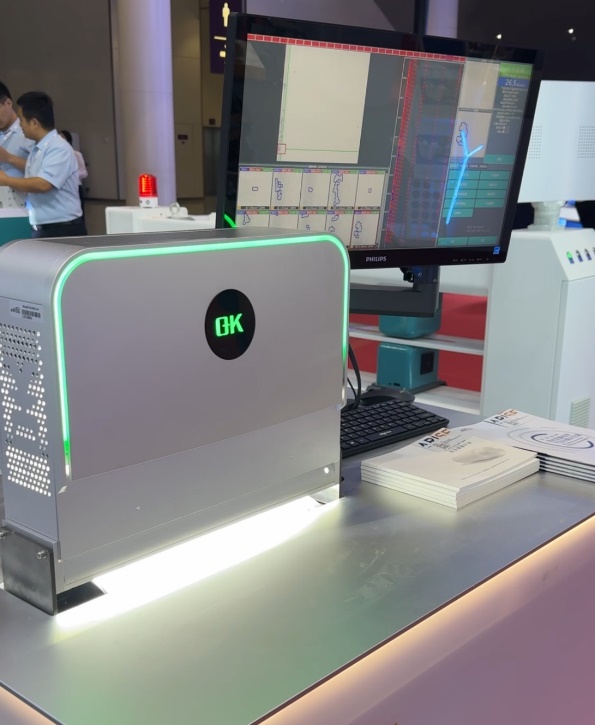
Implementing high-speed 100% print inspection effectively requires strategic planning and adherence to best practices.
1. Assessing Production Requirements
Before incorporating an inspection system it is crucial to conduct an extensive evaluation of the manufacturing line. Understanding the kinds of materials that are printed, the printing techniques employed, as well as the quality standards that are desired form the basis of selecting a system. Every production environment has its own specifications, and a universal approach could lead to problems or omissions.
2. Selecting Suitable Inspection Technology
Selecting the best technology is essential to ensure the best performance. High-resolution cameras that can capture tiny details, in conjunction and intelligent light systems are vital for reliable defects detection. The latest image-processing software that is often enhanced by artificial intelligence guarantees that deviations in alignment, color or print quality are detected quickly. By aligning these technologies to the particular printing technique which is offset, digital or flexographic, enhances the effectiveness of the system.
3. Integration with Production Lines
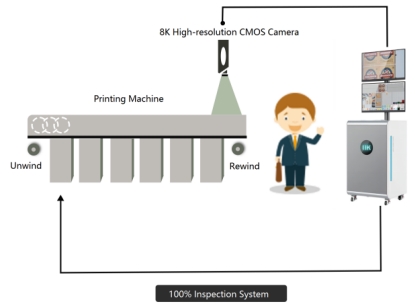
One of the most crucial aspects to a the successful implementation is seamless integration with the existing production equipment. Print inspection systems must be able to connect directly to printing machines in order to provide real-time feedback to defects that are detected. This could mean stopping the process, removing defective products, or notifying operators to intervene immediately. A well-integrated system reduces time to repair, eliminates waste and ensures quality issues are addressed when they arise.
4. Training and Operator Readiness
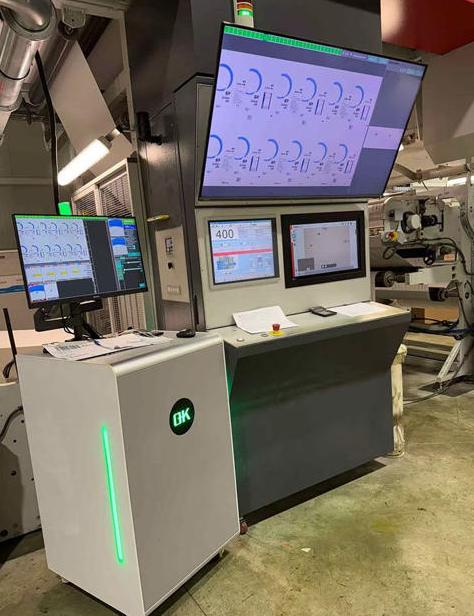
Even the most sophisticated 100% full-surface inspection systems requires skilled technicians. Training that is thorough ensures employees can understand results with accuracy as well as troubleshoot problems and keep the system running smoothly. Operator readiness is also about understanding the limitations of the system, so that minor deviations aren’t misinterpreted as defects, thus avoiding unneeded production interruptions.
5. Leveraging Data for Continuous Improvement
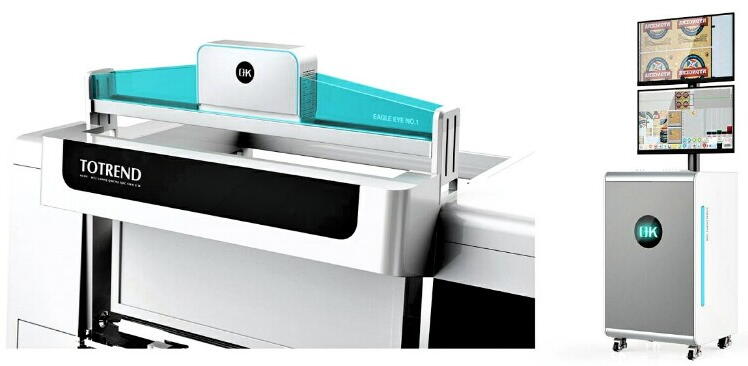
High-speed web inspection systems during printing operations create huge quantities of information which can be utilized to improve the efficiency of production processes. Examining trends in defect and the performance of machines over time allows manufacturers to spot problems that are recurring, optimize machine settings, and forecast maintenance requirements. Utilizing this information strategically helps continuous improvement in quality as well as operational efficiency.
6. Maintenance and Calibration
To ensure accuracy, the system must be maintained with periodic calibrations and maintenance. Cameras, lighting, and the software must be kept in good condition to ensure accurate quality detection of defects. Implementing a maintenance plan can help keep out any unexpected downtime, and also maintains the effectiveness in the process of inspecting.
Summary
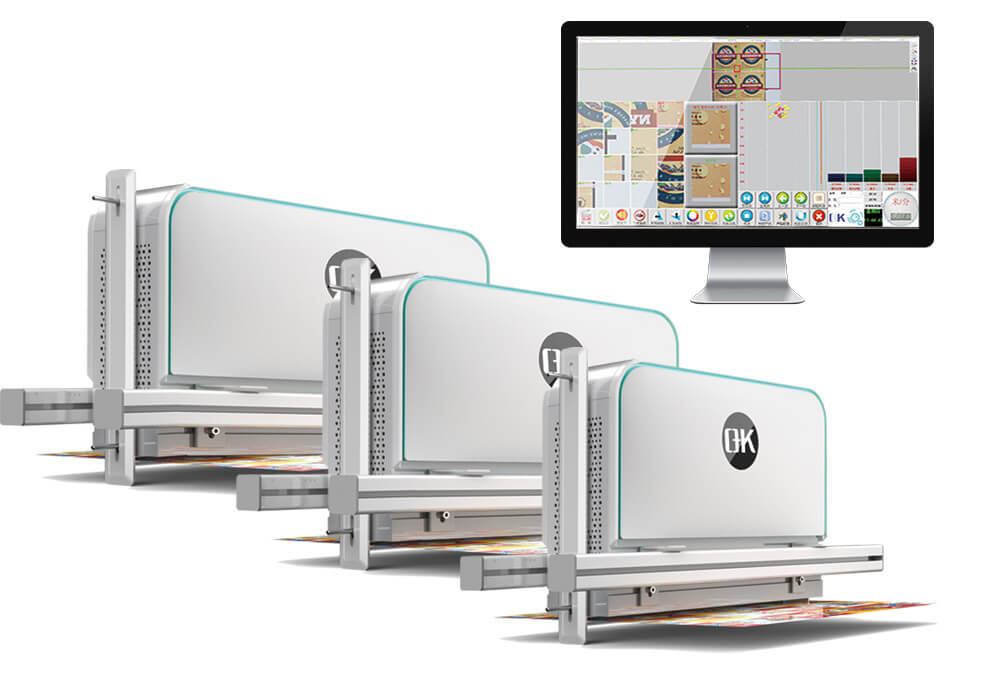
High-speed 100% printing inspection revolutionizes the print industry with a precise, automated and reliable way to ensure the quality of. Through detecting issues in real-time and offering actionable insight, they help manufacturers reduce waste, increase production efficiency, and fulfill clients’ demands for high-quality printed products. A successful implementation requires careful planning, investments in the right technologies, constant monitoring, etc, but the benefits over the long term are a crucial factor for the modern printing operations.