
Vision vs. Manual Print Inspection: Which Method to Choose
Print inspection systems work in modern industries to maintain quality standards, deliver consistent results and meet regulatory requirements which apply to packaging, labels and high-security printing. Traditionally, the print inspection process depends on human operators who conducted manual inspections to find defects. Machine vision technology has made it possible to develop automated vision inspection systems which serve as an effective replacement. The article examines how vision-based print inspection methods differ from manual printing inspection methods by showing their benefits, drawbacks and their usefulness in contemporary production settings.
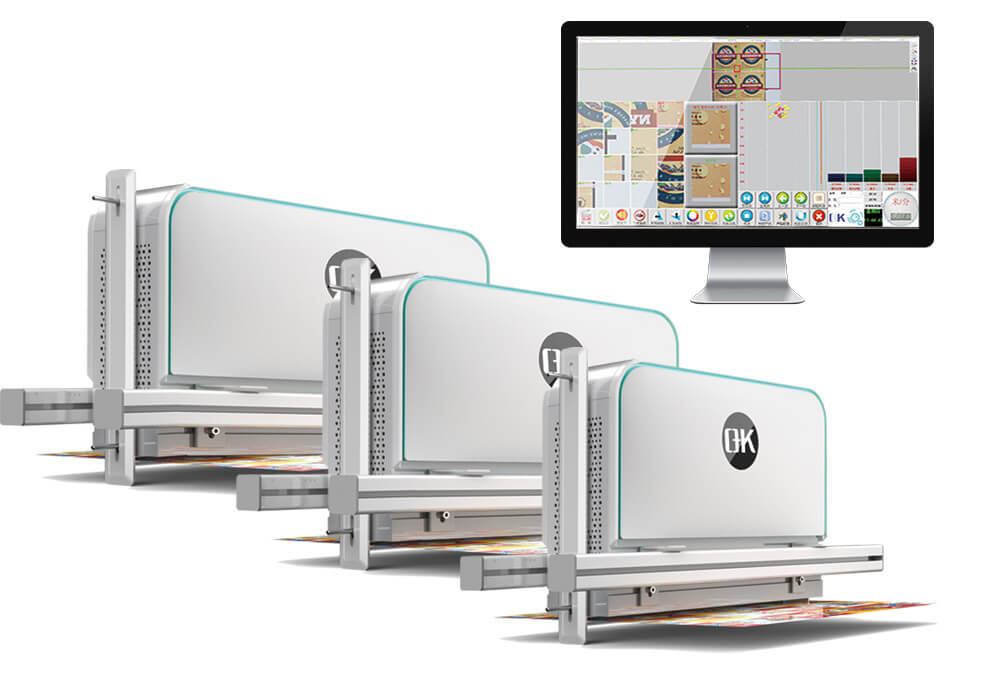
Table of Contents
Understanding Manual Print Inspection
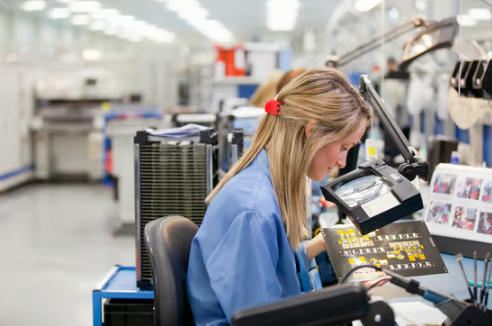
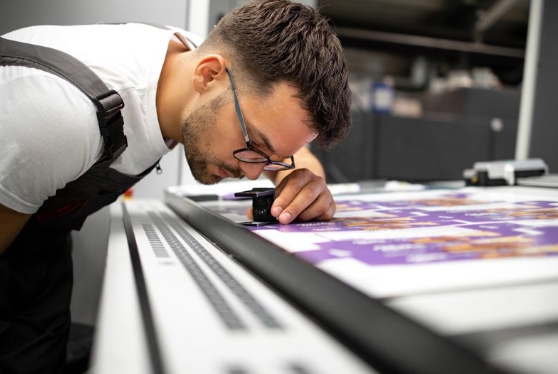
Operators who work in manual print inspection need special training to perform quality control work because they must visually examine printed materials to find defects and verify compliance with established standards. Flexible work environments that require human decision-making skills make this method suitable for packaging and publishing and specialty printing industries.
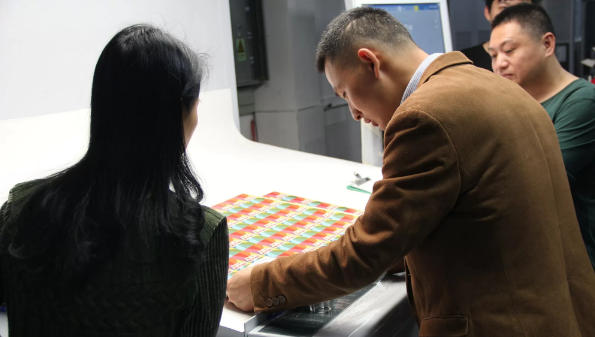
The operators need to check printed outputs by comparing them to reference samples and approved proofs to find problems which include color variation and misregistration and smudging and missing elements and surface imperfections. The operators use magnifying glasses and light tables and color charts as their tools to achieve better precision.
Advantages
- Flexibility in Handling Variations: It is possible for manual inspection to be adaptable to all the styles, formats, and material varieties – be that an advantage to carrying out last-minute, not-a-contract-determined checking of the print for quality or performance.
- Strong Subjective Judgment: Operators are better judges of the aesthetic qualities of the print -such as colour appeal, balance, and the general acceptance of the print-there where machines have difficulties.
- Low Initial Investment: In the event the operation is confined on a small scale, manual inspection-carrying with it equipment requirements on the lower slight-side parameters-is beneficial here in that it minimally affects overheads.
- Effective for Short Runs and Custom Jobs: Manual inspection proves to be a more convenient and economical exercise in the event of very short-runs of production or highly customized print jobs.
- Immediate Judgment: Experienced inspectors could likewise detect unusual defects and make instantaneous decisions.
Limitations
- Inconsistencies and Human Errors: A result that often comes out of manual inspection is: operator dependency where different operators have different results, or a single operator performs differently at different times.
- Fatigue and Reduced Efficiency: The fatigue and eye strain caused by continuous inspection reduce the accuracy with which defects may be detected over hours of production.
- Limited Detection Thresholds: There will be some chances that very small defects—the very subtle ones-slip past the system by escaping detection.
- Low Yield: Manual inspection is much slower than an automated system, and its use can cause considerable time-lags in high-speed production setups.
- Labor-Intensive and Costly Over Time: While initial cost is low, labor is very expensive in the long run, especially for commercial purposes.
Understanding Vision Print Inspection
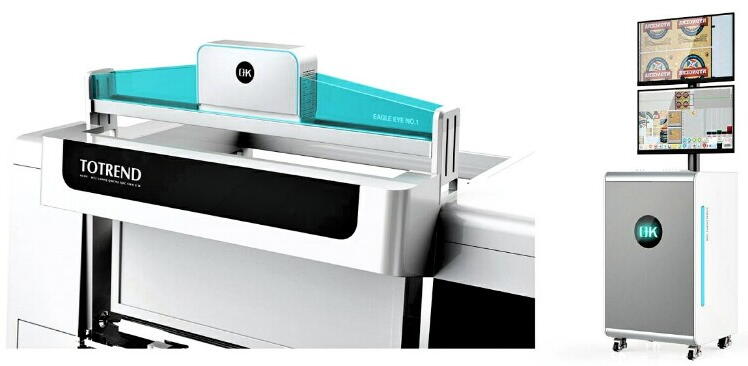
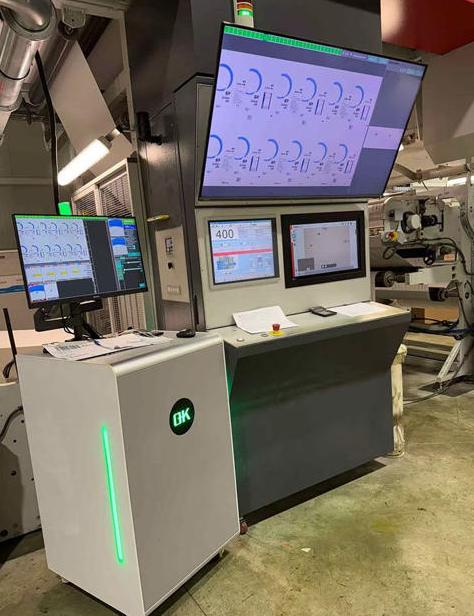
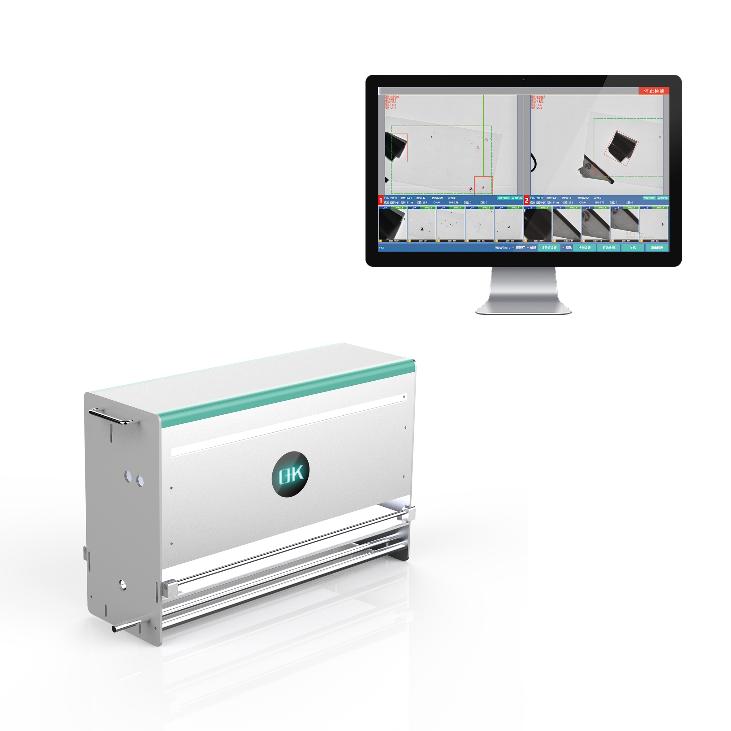
Vision print inspection refers to utilizing machine vision systems, including industrial cameras, light setups, and advanced image-processing software, for automatic inspection of defects in printed materials. Often, such systems are integrated directly into the printing or converting lines to offer real-time quality checks uninterruptedly.
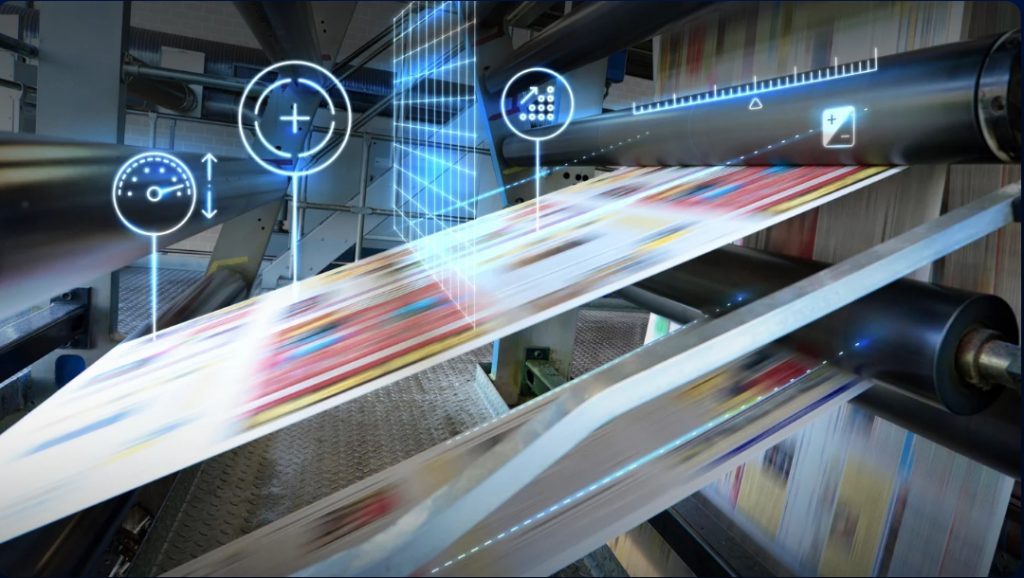
The crux of vision inspection is the comparison of the captured images of the printed product against the already-set digital references (golden templates). Various system algorithms taking care of color, registration, contrast, and structural integrity assessment are used. Today’s systems even include artificial intelligence and deep-learning auto-focusing on improving defect recognition.
Advantages
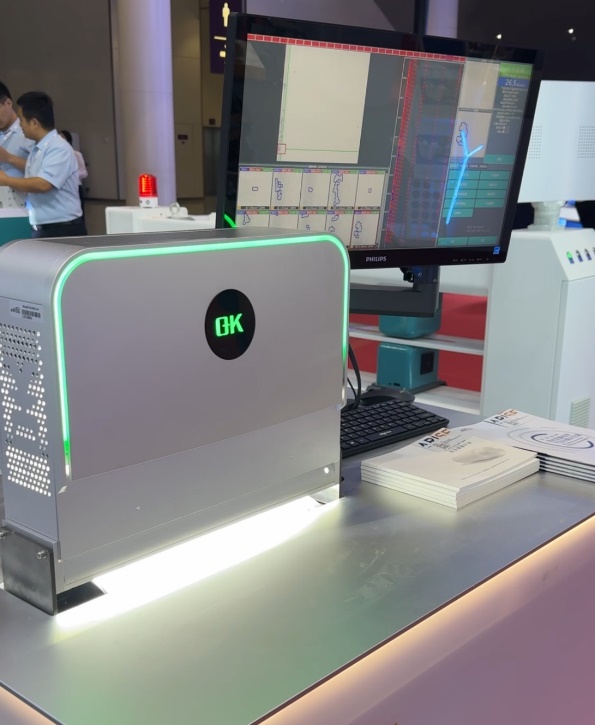
- High Accuracy and Consistency: Vision print inspection systems remain consistent with respect to quality assurance, eliminating the possibility of bias due to varying human judgment, and does not lack a capacity to contain consistent quality over long periods of production.
- High-speed Inspection: Web vision inspection systems literally have the capacity to inspect thousands of items in a minute without having any faulty impact on the ambiance of the industrialized product flow.
- Detection of Subtle and Microscopic Defects: For cases where also an invisible defect can raise risk, vision inspection systems equipped with sophisticated algorithms and cameras can take into account even the most minor defects ever encountered by the human eyes to be quickly discovered. These might be slight misregistrations of very small jumps, slight distortion of fine print, or pinch color variation in many forms.
- Real-Time Monitoring and Feedback: Vision print inspection systems forward data directly into the hands of the workers immediately after detecting an error on a real-time basis thus helping them to take appropriate action.
- Data Collection and Traceability: One can gather quality control production data promptly and accurately, which can ultimately help optimize productivity with input effective data, driving for enhancing different enterprises.
- Integration with Automation and Smart Manufacturing: The integration of vision inspection systems into automatic production lines and Industry 4.0 frameworks enables the concept of centralized monitoring and control.
- Reduced Labor Dependency: In the context of automation, there is reduced need for manual inspection, therefore decreasing long-term labor costs and reducing errors that can be put down to human beings.
Limitations
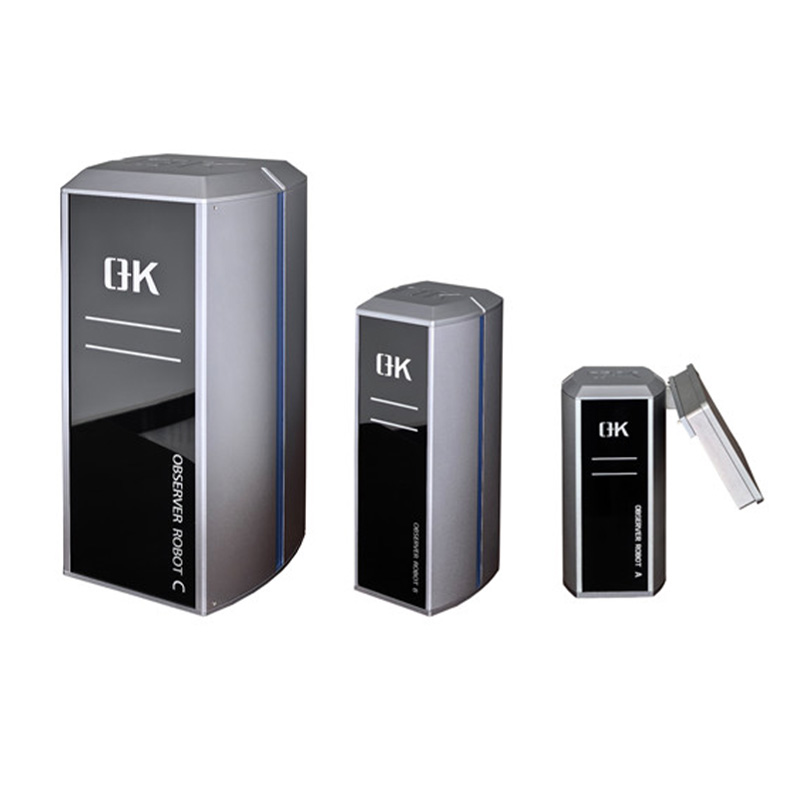
- High Initial Investments: Camera, lighting system, and software costs, plus integration cost can be staggering for small or medium-sized businesses.
- Complex Setup and Calibration: Setting up cameras, lights, and inspection parameters for optimal performance sometimes calls for specialized personnel, adding an extra layer of intricacy.
- Limited Flexibility for Frequent Design Changes: They may go through reconfiguring systems if there are many design or format changes, thereby interrupting production due to reprogramming or retraining.
- Challenges with Subjective Quality Assessment: For measuring defects, they have offered excellent results; however, when it comes to subjective capabilities such as aesthetics or color perception, a vision system might overor underemphasize the variables involved.
- Sensitivity to Environmental Conditions: Sensitivity to lighting, vibration, or material variations can affect performance, if not controlled.
- Maintenance and Upkeep Requirements: Calibration, checking or cleaning of lenses, and software upgradation are needed to maintain high performance.
Key Differences Between Vision and Manual Print Inspection
| Aspect | Vision Print Inspection | Manual Print Inspection |
| Inspection Method | Automated using cameras, sensors, and image-processing algorithms | Performed by human operators using visual judgment |
| Accuracy and Consistency | Highly consistent and repeatable with minimal variation | Variable; depends on operator skill, attention, and fatigue |
| Inspection Speed | Extremely fast; capable of inspecting high-speed production lines in real time | Relatively slow; limited by human processing speed |
| Defect Detection Ability | Detects microscopic and subtle defects with high precision | Limited to visible defects; small issues may be overlooked |
| Subjective Evaluation | Limited ability to assess aesthetic or subjective quality | Strong capability in evaluating visual appeal and subjective criteria |
| Labor Requirement | Low; minimal human intervention once system is set up | High; requires continuous human involvement |
| Initial Cost | High upfront investment in equipment and integration | Low initial cost; minimal equipment required |
| Operating Cost | Lower over time due to reduced labor and higher efficiency | Higher long-term cost due to labor expenses |
| Flexibility | Less flexible; requires reprogramming for design or product changes | Highly flexible; can quickly adapt to new designs or unexpected defects |
| Fatigue Impact | No fatigue; operates continuously with stable performance | Performance declines over time due to fatigue and eye strain |
| Data and Traceability | Provides detailed data logging, analysis, and traceability | Limited data recording; often relies on manual documentation |
| Integration Capability | Easily integrated into automated systems and Industry 4.0 environments | Difficult to integrate into automated workflows |
| Maintenance Needs | Requires technical maintenance, calibration, and software updates | Minimal technical maintenance; mainly workforce management |
Key Factors to Consider for Choosing Between Vision and Manual Print Inspection
Choosing the appropriate print inspection method would always remain an important decision as it directly controls the output quality, efficiency, and operations cost. The choice between vision and manual print inspection methods would always depend on combinations of technical, economic, and operational aspects. Keeping a close watch on these primary factors would help vendors in being able to align printing inspection strategies with their specific production goals.
1. Production Volume and Throughput Requirements
Volume of work is among the most influential deciding factors when determining which inspection method-vision or manual-inspection is most suitable. Compared to a low-volume firm, one within the high-volume printing environment requires fast and continuous inspection processes for keeping pace with the modern assembly lines. Vision inspection systems of the sort work very well in this context due to their high-speed scanning as well as extreme accuracy.
However, manual inspection is the best method in low-volume or short-run jobs, using discretionary speed levels. Sometimes slow-paced individual outputs of human inspections favor the purchase for designer or artisanal printing assignments, rather than present a great limitation.
2. Quality Standards and Defect Sensitivity
The level of quality required for final products is very important in determining the approach to inspection. For example, industries like the pharmaceutical industry, as well as food packaging and security printing industries, demand very high precision to ensure no defects are tolerated. In such cases, vision 100% printing inspection systems play an important role in detecting the smallest inconsistencies with a consistent degree of reliability.
In cases where quality is subjective-certain color aesthetics, for instance, or design appeal, consumer perception, etc.- manual inspection continues to be valuable. A human other than the inspector can only interpret certain shades and variations when the automated system is unable to do so.
3. Cost Structure and Return on Investment
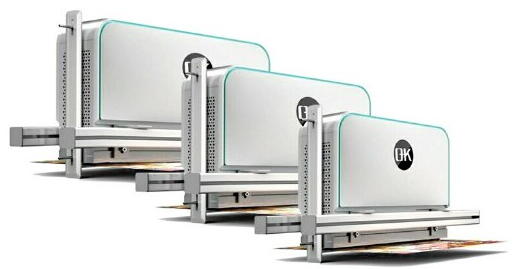
Financial considerations are more than just setting up initial costs and should also take long-term operational costs into the picture. Vision inspection systems demand a huge upfront investment not only for hardware but also software and system integration (Figure 3.9). Nonetheless, automation reduces labor costs in the long run and considerably increases efficiency for a large-scale operation. Manual print inspection has almost zero upfront costs, and involves labor since it is a hands-on operation. Small businesses, as well as businesses trying with fained budget operations, can well start from a manual inspection process, even though less efficient RNA on costs, thus making the latter the better of the two.
4. Flexibility and Production Variability
Factories requiring frequent changes in patterns, formats or materials do have the requirement of being heterogeneous. When the required changes during production are to be wrought, humans can adapt to them without needing to reconfigure the systems themselves. Although vision systems are highly efficient, they may need some adjustment, reprogramming, or retraining for changed product specifications, thus incurring downtime and additional complexity, especially in a dynamic production environment.
5. Workforce Availability and Skill Level
The availability and expertise of skilled labour can influence the determination. The need for extremely well-trained operators to perform the manual inspection work demands that such inspection systems be constantly monitored for defects and quality. Recruiting, training, and maintaining such human resource may be a challenge in certain geographical locations or industries. Vision-based 100% full-surface inspection systems have decreased the dependence on manpower and, undeniably, the need of technical proficiency for their setup, calibration, and maintenance. A reviewing backdrop for any organization is if these technical chunks are available to use together effectively.
6. Integration Into Existing Production Systems
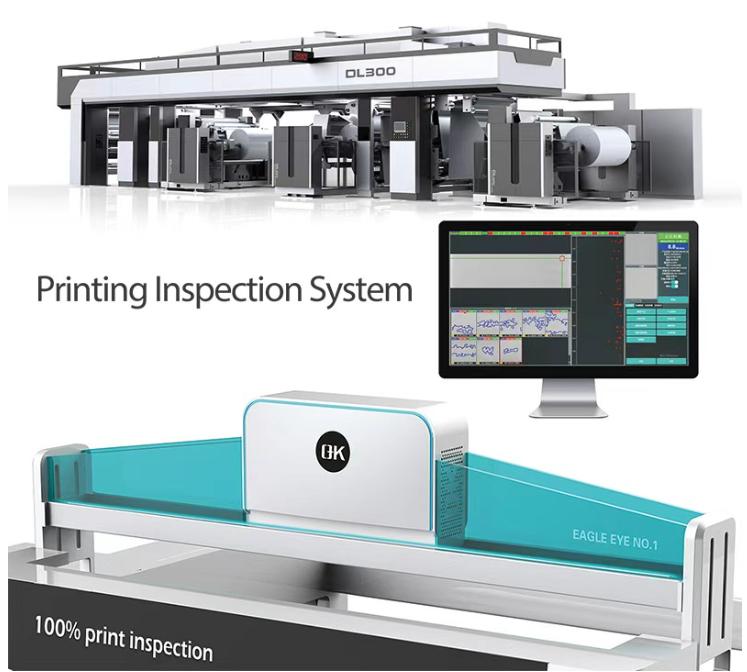
Another point of consideration is on how well an inspection system be linked with existing production infrastructure. Vision systems are designed to effortlessly operate at the bleed of an automation line with no difficulty. They can interlink with a wider spectrum of digital manufacturing platforms, rendering real-time monitoring and data-driven decision-making. Manual inspection, on the other hand, has a more difficult path of integration into automated workflows, complicating operations and possibly necessitating additional handling steps, negatively affecting overall efficiency and further increasing error-related hazards.
7. Environmental and Operational Conditions
The detection accuracy might also be influenced by an arduous operating setting. Visualizing and sensing tasks involve steady lighting, minimal amount of vibration, and a controlled environment. Any disturbance from these causes can tamper with detection accuracy if not managed correctly. Whereas manual inspection, which can be affected by environmental conditions, is overall more versatile. Workers can adjust their way of working to slight deviations in lighting or material appearance, making manual inspection much more robust in environmental factors not always tend to be under control.
Summary
- Vision print inspection offers superior speed, precision and scalability, widely applied in industries where precision and traceability are critical, including packaging, pharmaceuticals, electronics, security printing, etc.
- Manual print inspection provides adaptability and valuable human judgment, used in situations requiring flexibility, low-volume production and subjective quality evaluation.
- In many cases, the most effective solution lies in combining both approaches, leveraging the efficiency of automated vision systems alongside the insight of experienced operators, which enables manufacturers to achieve high-quality outcomes while maintaining operational flexibility in a competitive printing industry.
Final Thoughts
The decision to opt for vision and manual print inspection is generally decided based on scale of production, quality requirements, costs, flexibility, skills of the workforce, etc. As the printing technology progresses, it appears that automated vision 100% printing inspection system is going to become a norm set up for high-speed production lines. For the long term, however, rather than replacing human inspectors entirely, the future lies in intelligent collaboration between machines and skilled operators, ensuring optimized quality and performance throughout the printing industry.