
Traditional vs. Automated Print Inspection Methods
The current printing industry depends on quality control systems for maintaining product consistency, accurate results and achieving customer satisfaction. The development of advanced automated print inspection systems, which evolved from traditional manual printing inspection methods, has occurred because of rising production speeds and increasing product complexity. The selection process, which helps manufacturers select the suitable print inspection method for their business needs, relies on understanding how traditional print inspection methods differ from automated inspection systems.
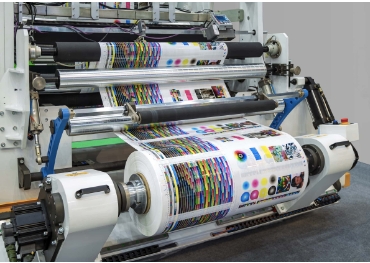
Table of Contents
Understanding Traditional Print Inspection Methods
Human observers perform traditional print inspection by using direct observation of printed materials. Inspectors with specialized training use approved references and proofs to inspect printed materials, which include packaging and labels and newspapers and commercial prints.
The goal of this research is to detect visible defects, which include color inconsistency and misregistration and ink smearing and streaking and ghosting and missing or distorted text and images, which might harm product quality. The process includes various phases, which cover press setup and in-process checks and final product inspection.
Common Traditional Inspection Methods
| Inspection Method | Description | Advantages | Limitations | Typical Applications |
| Visual Sampling Inspection | Periodic selection and visual checking of printed samples against standards | Simple, low cost, easy to implement | May miss defects due to limited sampling | General printing, medium-volume production |
| 100% Manual Inspection | Every printed item is inspected individually by human operators | High accuracy, ensures no defective items pass | Time-consuming, labor-intensive | Security printing, pharmaceuticals, luxury packaging |
| Light Table Inspection | Use of illuminated surfaces to detect subtle defects | Enhances visibility of fine imperfections | Requires controlled environment and operator skill | Film, labels, translucent materials |
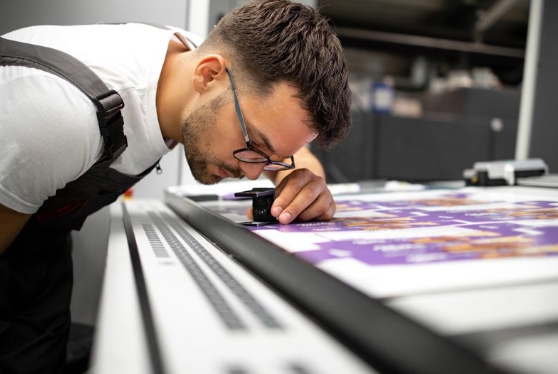
| Magnification Inspection | Use of magnifiers or microscopes to examine fine print details | Detects micro defects and high-resolution issues | Slower process, requires trained personnel | High-precision printing, microtext inspection |
| Comparative Proofing | Side-by-side comparison with approved reference samples | Effective for color and design consistency checks | Subjective, dependent on human judgment | Press setup, calibration, short-run printing |
The Rise of Automated Print Inspection Systems
The automation shift in print inspection processes exists because industries need to produce more work while meeting higher quality requirements. Modern printing operations of which packaging and label production and security printing belong require their output to achieve perfect quality during their operations which run at maximum speed.
Printing inspection processes which depend on human workers cannot meet these operational requirements. The solution for manufacturers exists in automated print inspection systems which conduct real-time inspections of all printed products without interrupting production. The need to decrease waste while meeting regulations and protecting brand image has driven businesses to implement automated inspection systems.
How Automated Inspection Systems Work
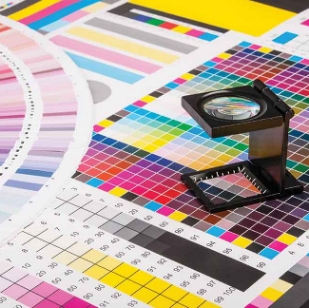
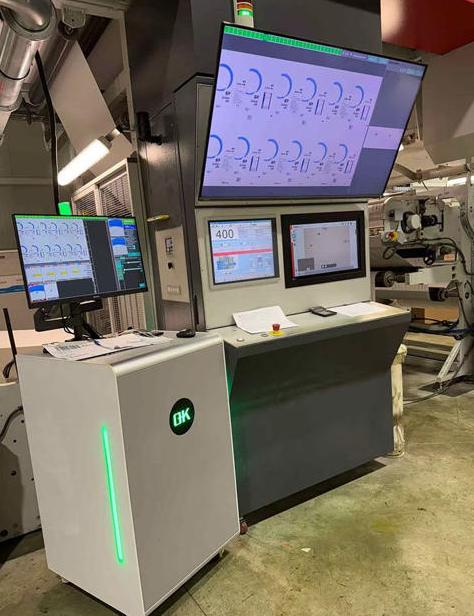
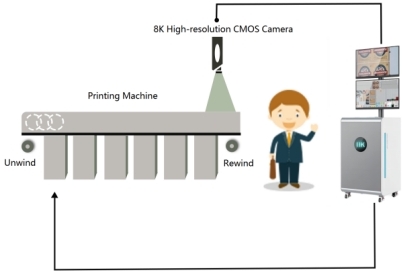
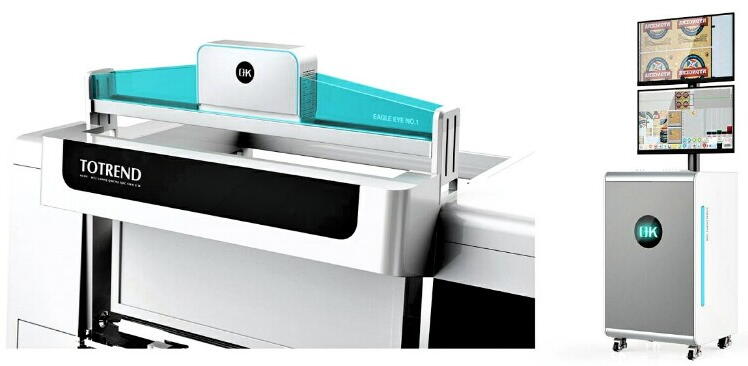
The printing line uses automated print inspection systems as integral components of its operation. The system uses high-speed cameras together with advanced lighting systems and sophisticated software to continuously check print quality.
The system uses cameras to capture high-resolution images which stay visible as printed material moves through it. The system uses algorithms to process these images which then compare them against a predefined reference. The system can identify any deviation from the expected output which includes color changes and misregistration and presence of streaks and missing components and other defects.
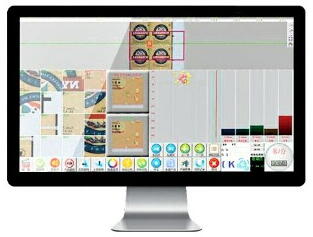
The system operates by automatically alerting users when it detects a defect while also marking defective products and initiating automatic rejection procedures which prevent faulty items from advancing through production.
Common Automated Print Inspection Methods
Automated print inspection is not a single technique but a combination of methods designed to detect different types of defects with high precision. The most widely used methods include:
| Inspection Method | Description | Benefits | Typical Applications |
| Line Scan Camera Inspection | Uses high-speed line scan cameras to capture continuous images of moving prints | Ideal for high-speed production, high-resolution imaging | Flexible packaging, web printing |
| Area Scan Camera Inspection | Captures full-frame images at specific intervals | Suitable for detailed inspection of discrete items | Sheet-fed printing, carton inspection |
| 100% Inline Inspection | Inspects every printed unit in real time during production | Ensures complete quality control, no sampling required | Labels, packaging, security printing |
| Color Measurement and Control | Monitors color consistency using spectrophotometry or image analysis | Maintains brand color accuracy | Brand packaging, high-quality commercial printing |
| Barcode and Text Verification | Checks readability and correctness of barcodes and printed text | Ensures compliance and traceability | Pharmaceuticals, food packaging |
| Defect Classification Systems | Uses AI to categorize defects (e.g., streaks, spots, misprints) | Reduces false positives, improves decision-making | High-volume automated production lines |
| Register Control Systems | Detects and corrects misalignment between print layers | Improves print precision and reduces waste | Multi-color printing processes |
Key Differences Between Traditional and Automated Print Inspection Methods
| Aspect | Traditional Print Inspection | Automated Print Inspection |
| Inspection Approach | Manual, human visual assessment | Machine-based using cameras and software |
| Inspection Coverage | Sampling-based or limited full inspection | 100% full-surface print inspection systems for all products |
| Speed | Slower, dependent on human capability | High-speed, matches production line speed |
| Accuracy and Consistency | Variable, affected by fatigue and subjectivity | Highly consistent and objective |
| Defect Detection Capability | Effective for visible and subjective defects | Highly precise, detects micro and systematic defects |
| Data Collection and Analysis | Minimal or manual record-keeping | Real-time data capture, reporting, and analytics |
| Labor Requirement | High, requires skilled inspectors | Lower direct labor, but requires technical expertise |
| Initial Investment | Low | High (equipment, integration, training) |
| Operational Cost | Ongoing labor costs | Lower long-term cost due to efficiency gains |
| Flexibility | Highly adaptable to new jobs without setup | Requires configuration or programming for new jobs |
| Reliability Over Time | Affected by human fatigue and inconsistency | Stable performance over long production runs |
| Integration with Production | Often offline or semi-inline | Fully integrated inline systems |
| Typical Applications | Small-scale, specialty, short-run printing | High-volume, packaging, labels, security printing |
Key Factors to Consider for Choosing between Traditional and Automated Print Inspection Methods
Choice of print inspection method is a decisive one, one that affects the quality of a product, operational efficiency, and overall cost. Making the right choice essentially means that printing companies would align their quality control strategy with their production objectives.
1. Production Volume and Speed Requirements
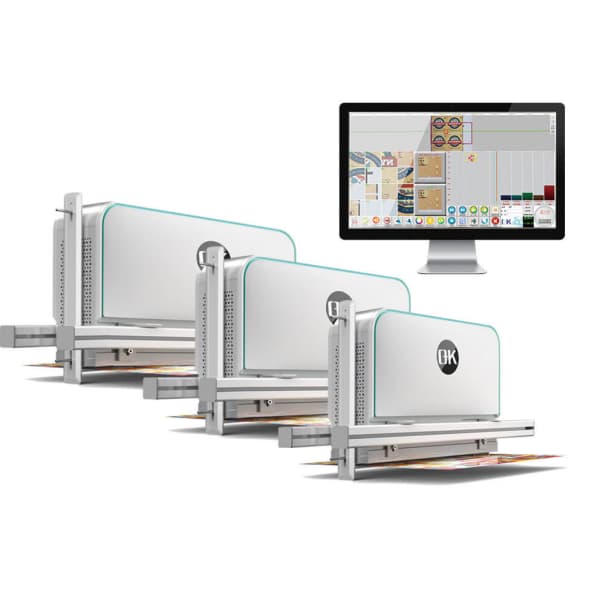
Obtaining the best inspection method is very much a question of what volume and speed of printing will be required in manufacturing. With the increase in print volume, manual inspection will obviously become less and less practical. The particularly gaping chicken cavity defect that occurs when attempting to help any human inspectors keep up at superfast high-speed rates exists.
Automated 100% print inspection systems can perform real-time, 100% inspection without slowing down production. On the other hand, for low-volume or short-run jobs, traditional inspection methods can be sufficient and more cost-effective, providing adequate quality control without the need for advanced equipment.
2. Quality Standards and Defect Tolerance
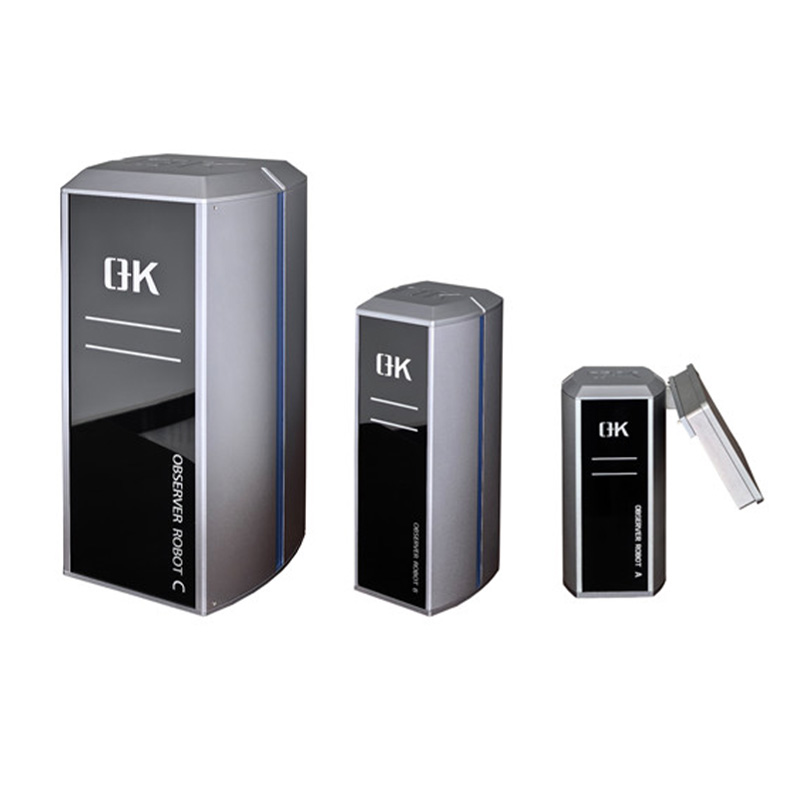
The level of quality required by the end product plays a crucial role in determining the appropriate inspection method. Industries such as pharmaceuticals, food packaging, and security printing often have extremely strict quality standards and low tolerance for defects.
In such cases, automated web video inspection systems offer a clear advantage by ensuring consistent, objective, and comprehensive defect detection. Conversely, in applications where minor variations are acceptable or where aesthetic judgment is more important, traditional inspection methods may be more appropriate due to their reliance on human perception and flexibility.
3. Cost Considerations and Return on Investment
When it comes to making a decision about the merits of automation, financial considerations come first. Generally, traditional inspection methods are quite useful from an investment point of view, but depending upon the volume of product control being accomplished, they may incur labor costs along with possible risks of undiscovered flaws.
The investment in automated inspection systems can return profits long after their initial cost, for these can be functional in saving resources otherwise wasted in defects and constricted by production volume constraints created by extensive labor requirements. Companies should assess the return value proposed by such investments in terms of product production or defect rates or process improvement over time.
4. Complexity of Print Jobs
The complexity in design and material also affects the print inspection method required. Where intense graphics, variable data printing, or opaque print run across multiple different substrates, both manual and automated systems face the severest inspection challenges.
In the traditional sense, the human aspect is indispensable for interpreting complex visual elements and hence arriving at a decision based on the given circumstances. But fast-improving automated systems with the capabilities made possible by superior imaging technologies and AI have brought this up to a new level, especially when given a proper set-up and calibration.
5. Flexibility and Frequency of Job Changes
In this respect, integral to the print environment, where high occupancy and job alterations take place frequently, flexibility has emerged as relevant. Traditional means of inspection turn to short-time changes that are fully dependent on human interpretations and do not need any configuration modifications to the system for image explanation or analysis.
The shifting between job types may require a few setups, parameters adjustment, and programming for automated tools. New systems intend to be more user-oriented and flexible in nature toward job switching; however, companies having very high production variability have to give paramount consideration to the time and effort required for changeovers.
6. Labor Availability and Skill Requirements
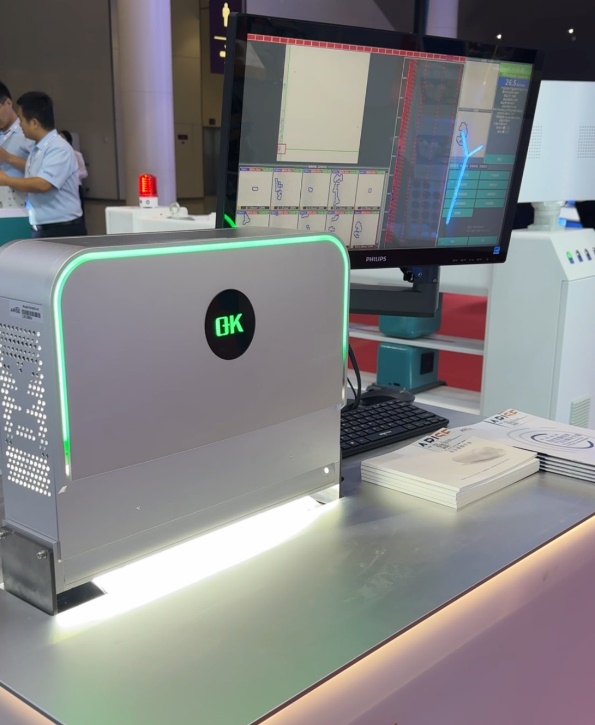
Skilled labor availability is something else that should be put into consideration. Manual inspection relies on the skills of operators to identify defects accurately and make good judgments in their corrective actions. In locations where skilled labor is difficult to find or expensive to secure, the manual inspection process can look like too much of a burden.
Automation, by shifting dependence from manpower to mechanization, requires technical understanding to operate machines, maintain them, and trouble-shoot the same. Organizations need to pay attention to what their workforce can do and what would they have to learn in order to arrive at a decision.
7. Data Utility and Process Optimization
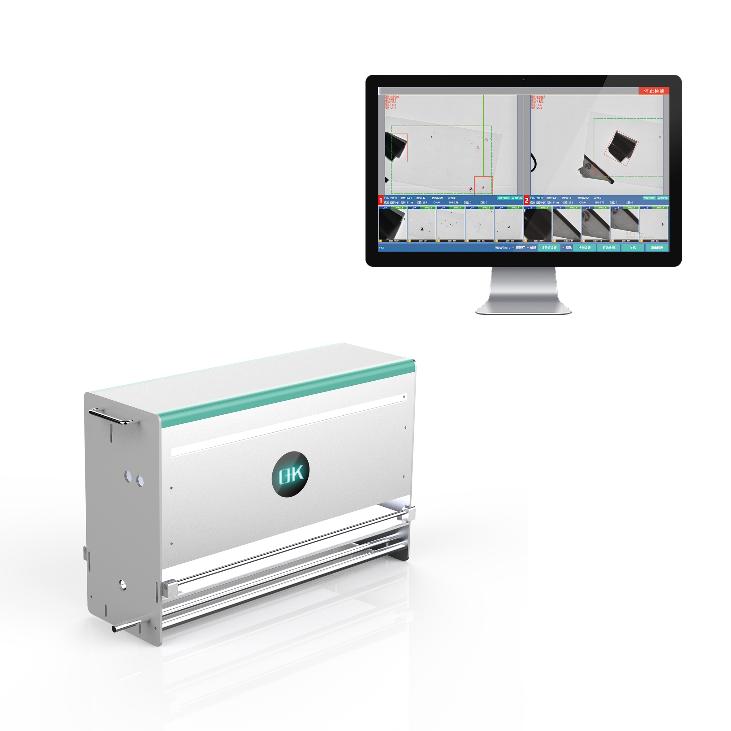
The collection and analysis of quality data is becoming increasingly crucial in the context of manufacturing, which is now driven by data. Automated inspection systems produce real-time data in abundance, offering much to be used for traceability, compliance, and further continuous improvement.
In contrast, traditional print inspection methods provide limited data capture and analytics support. Future-ready analytics-oriented organizations will see automated inspection systems as more closely aligned than anything else that could be shortlisted in the deliberate pursuit of process optimization and smart manufacturing objectives.
8. Integration with Existing Production Systems
Also among the important considerations involved is the integration of the print inspection systems with existing production work. Quick-to-integrate systems fully integrated on packaging lines will enable seamless operation with real-time feedback.
Integration, however, may involve modifications to conventional equipment and processes. Traditional routines may be easier to implement forcedly within operational-workflows settings, but sanitary convenience and real-time control are not necessarily ensured.
9. Balancing Technology and Human Expertise
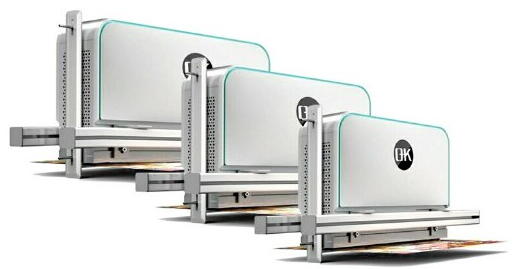
More and more businesses now use hybrid inspection methods that do not require them to choose between traditional and automated print inspection procedures. High-speed, repetitive inspection tasks are performed by automated systems, whereas human inspectors are free to concentrate on subjective evaluation and complex decision-making processes.
By mixing the two different printing inspection methods, organizations will optimize the use of these two very diversified strategies to obtain greater effectiveness without, however, losing the subtle judgment possessed by the expertise of a human.
Final Thoughts
When choosing between traditional and automated print inspection methods, parameters for the production requirements, quality expectations, budgets available and operational capacities need to be satisfied. Many expedient aspects of no-cost installation and operational flexibility make manual methods cost-effective, with automated systems offering unrivalled efficiency, uniformity and data-driven analytics.
With the evolution of printing on the horizon, the drift toward automation will soon become irresistible. Nonetheless, the best printing inspection approach will remain in uniformity a blending of technological innovation with human skills to guarantee precision and fitness for market demands.