Automated Tracking Systems for Coating Quality
Coating quality consistency is important for manufacturing industries. Deviations in coating thickness, coating uniformity, coating adhesion, surfacial aesthetics give rise to performance failures, increased invention, and prior expenditure. Automated tracking systems for coating quality, are opined to be the response to these bottlenecks. The automated tracking system will help in integrating cutting-edge sensor technology, data analytics, and real-time monitoring to increase efficiency and precision.
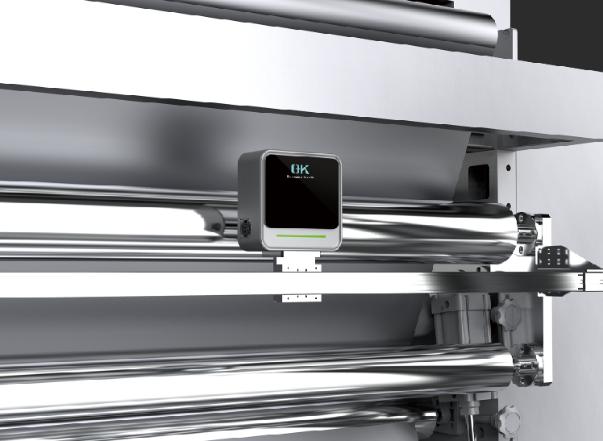
Table of Contents
Understanding Automated Coating Quality Tracking
Automated tracking systems are designed to monitor coating processes continuously, providing quantitative data on critical parameters. By becoming aware of the mistakes of human error during manual inspection, these continuous tracking systems offer instantaneous inputs in order to mitigate the defects within the coating process. Our systems will measure coating thickness, surface finish, color consistency, and defect detection, often through incorporating multiple types of measurement technologies for complete quality assurance.
Key Technologies Used in Automated Tracking Systems for Coating Quality
Several advanced technologies that work together to ensure precision, efficiency, and reliability of automated coating quality tracking systems.
1. Lasers and Optical Sensors
One of the most important technologies used in automated tracking systems of coating quality is laser sensors and optical sensors. In particular, these sensors measure the thickness and evenness of the coating with great sensitivity without touching that product physically. The reflected light pattern gives the real-time feedback of the coating process helping the manufacturers to make immediate adjustments to parameters. This non-touch measurement is very effective, especially with high-speed production lines, to ensure that consistent quality is maintained without slowing down productivity.
1. Robotics Integration
In terms of current trends in robotic integration in manufacturing, the industry is currently being impacted by advanced-level technology factors like that of new sensor technology. The last chance for robots to be an integrated part of the production process is the sensor technology to play its role in quality control inspection and autonomous maintenance support. However, the use of robotic integration technology in quality control inspection and autonomous maintenance as well as other parts of the production and operation configuration will increase the overall scope of automation. COVID-19 has also had a substantial impact on the sensor technology industry across various robotics applications by providing a player, driver, and locomotor system, etc.
3. Machine Vision Systems
The automated visual machine vision inspections to complement sensor technology and find errors in surfaces are defined in available literature. These systems consist of cameras with high resolution and intelligent algorithms, specifically representing defects in pinholes, scratches, streaks, or texture inconsistency. For many an age, a false evaluation involving Big Brother vision of defects practiced to corrupt early across the pipeline, drastically reduce waste across the materials, and maintain high as regards reelability and unicity of a coating.
4. Data Analytics and Artificial Intelligence (AI)
AI and data analytics help generate behavior patterns that guide intelligence when it comes to making comparisons with the original and residual datasets provided in the previously collected data. Close to instant analytics can help identify emerging trends, detect abnormalities, or prognosticate about defects heading towards failure before these affect production. Combined with this is the set of tools that can help with the op-timization of the surface treatment process through continual fine-tuning and learning about changes in materials and/ or environmental conditions. The predictive analytics, in turn, can also be in favor of maintenance planning that reduces downtime while ensuring the upmost product output quality.
Benefits of Automated Tracking Systems for Coating Quality
Improved Consistency and Accuracy
Automation of systems helps in enhancing consistency and accuracy during coating processes. Continuous monitoring of important indices such as thickness, degree of bonding, and evenness of the surface ensures stringent compliance with high-quality standards on each product. These automated systems provide unbeatable benefits of objective and repeatable measurement, whereas human interpretation involving manual inspection is inevitably subjective, error-ridden, and perception dependent and may likely exacerbate rather than spur QC endeavors.
Early Defect Detection
One of the most significant attributes of automated inspection systems is the detection of defects during the first stage of production. The machine vision, laser sensors, and data analytics are capable of catching discrepancies such as scratches, pinholes, or uneven coating at the very beginning. In so doing, an early warning would allow manufacturers to rectify in order to avoid the defect stage, which is significantly expensive in terms of rework, save a loss of resources, and prevent shipment of non-statutory products to the customer.
Increased Efficiency
This overall production efficiency increase is due to the automation of inspection and monitoring duties. Automated tracking eliminates the inefficiency of manual checking, which is a sore saver and a sneaker of the production floor. Real-time feedback on coating parameters serves shop floor adjustments and cut downs on downtimes while keeping the achievement of high quality standards up.
Enhanced Traceability and Compliance
There exist automated systems providing logs of the detailed parameters of a coating, result of inspection along with adjustments in the processes. Such a recording supports standards of compliance and regulatory conformities, which is like keeping a witness of quality for audit inspections and certifications. Quality assurance is enhanced due to this ability to record and track at every stage of production, adding confidence in the customer’s final product.
Cost Savings
Once again, one can find the resulting contribution to cost savings, directly being an outcome of better quality, enhanced detection of issues, and better machine methodologies. Reducing rework and spoilage of materials, together with reduced cycles with higher profit margins for the manufacturer are reasons why one might say that there will definitely be cost sav-ings. Moreover, orchestrated predictive analytics can aid even the most accurate scheduling of equipment maintenance, thus easing up on operational costs.
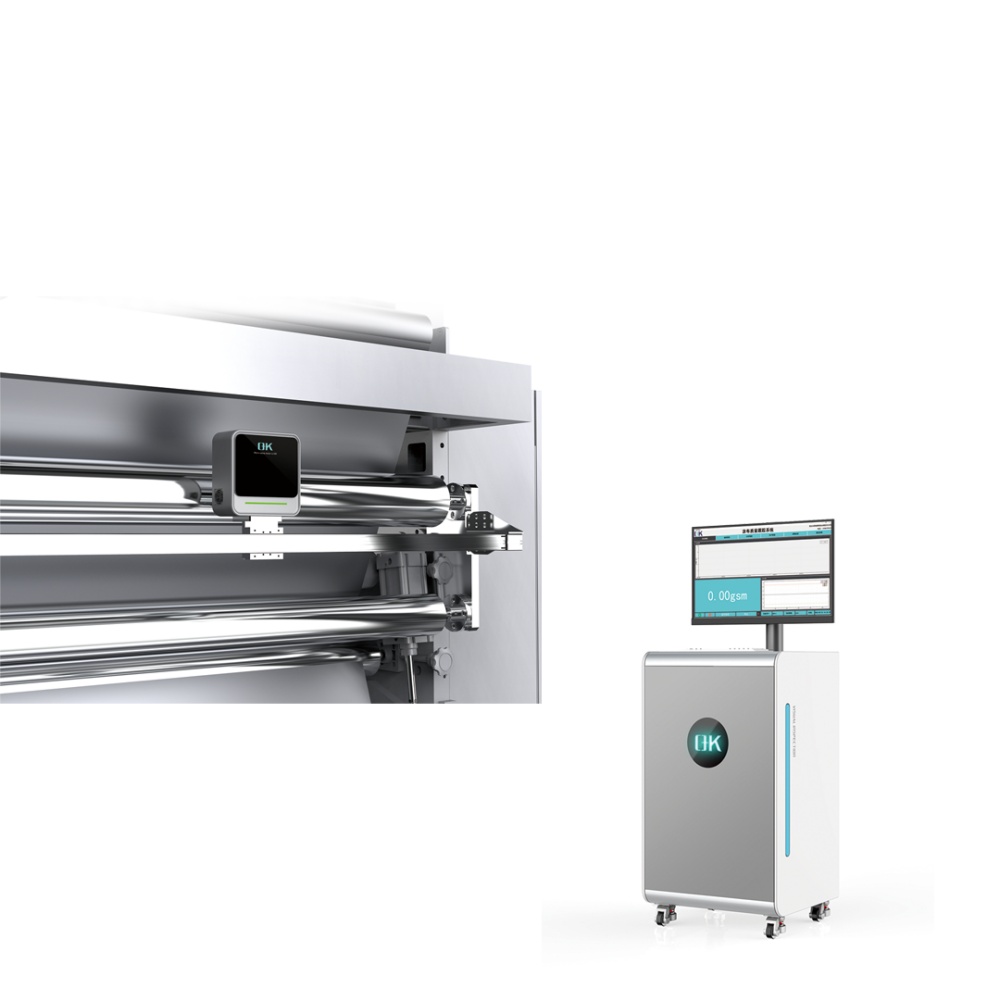
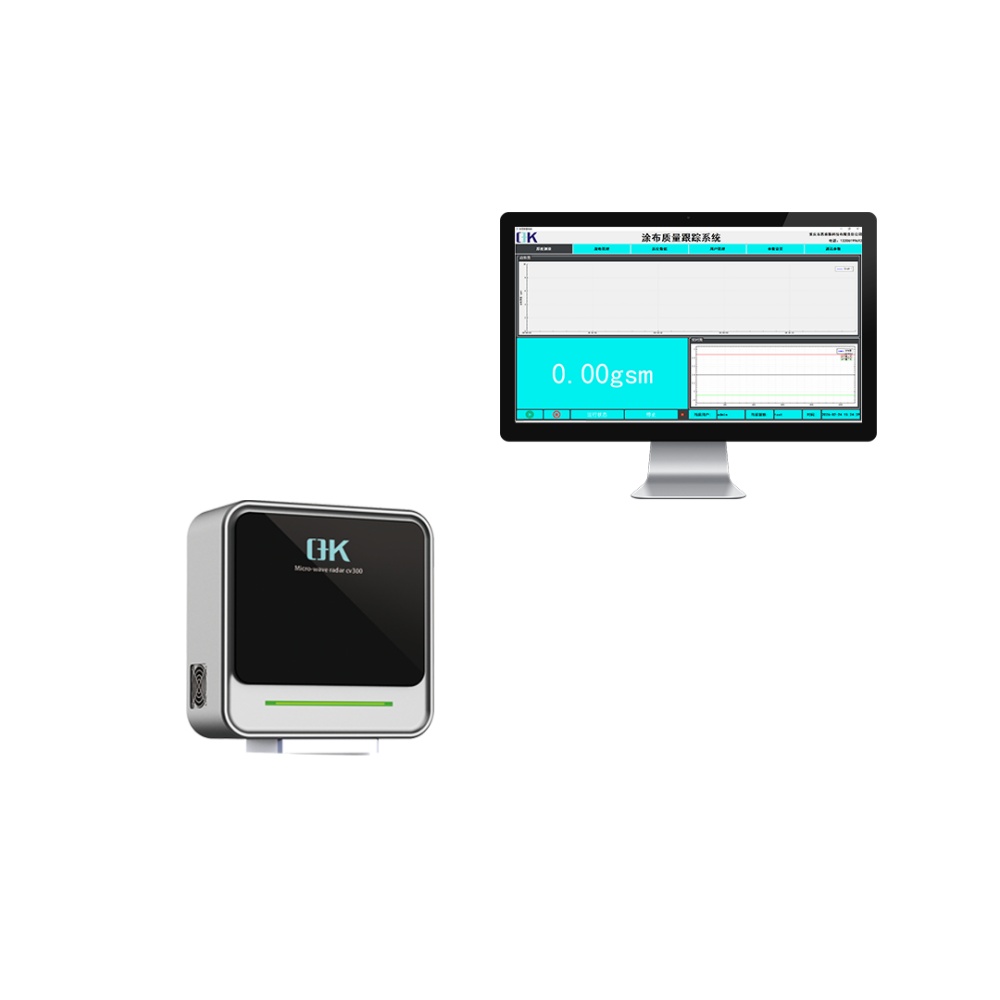
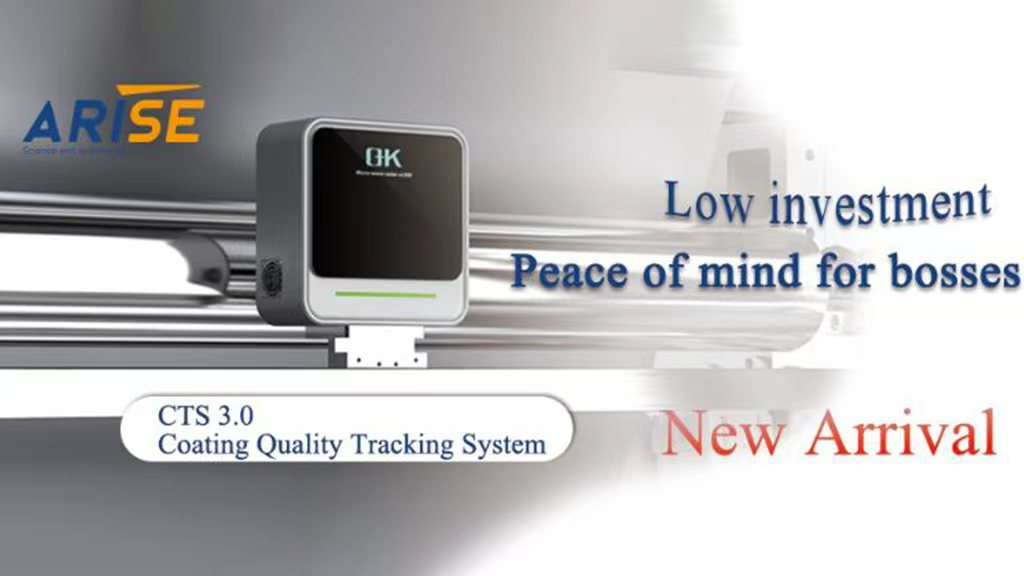
Arise provides the advanced CTS 3.0 coating quality tracking systems, designed specifically for coating and laminating production lines. This innovative system delivers real-time monitoring of coating thickness, uniformity, and surface quality, ensuring consistent product performance. By integrating high-precision sensors, intelligent analytics, and automated feedback, the automated tracking systems help manufacturers reduce waste and maintain the high quality standards.
Applications Across Industries of Automated Coating Quality Tracking Systems
Automated coating quality tracking systems are versatile and adaptable.
| Industry | Applications | Key Benefits |
| Automotive | Monitoring paint thickness, ensuring uniform color application, detecting surface defects | Consistent vehicle appearance, reduced rework, higher customer satisfaction |
| Aerospace | Inspecting protective coatings on aircraft components, detecting corrosion-preventive coating flaws | Enhanced safety, compliance with strict regulations, longer component lifespan |
| Electronics | Verifying protective coatings on PCBs, semiconductors, and delicate components | Prevents short circuits, ensures reliability, improves product durability |
| Metal Fabrication | Monitoring anti-corrosion coatings, powder coatings, and surface treatments | Reduces material waste, ensures uniformity, enhances long-term performance |
| Industrial Equipment | Tracking protective coatings on machinery, pipelines, and tools | Minimizes equipment failure, lowers maintenance costs, ensures operational safety |
| Consumer Goods | Ensuring consistent coatings on appliances, furniture, and packaging | Maintains aesthetic appeal, reduces returns, strengthens brand reputation |
| Medical Devices | Inspecting biocompatible coatings, sterilization-resistant layers | Ensures patient safety, meets regulatory standards, improves device reliability |
Future Innovations in Automated Tracking Systems for Coating Quality
As industrial manufacturing continues to evolve, automated tracking systems for coating quality are poised for significant innovations in industrial manufacturing. This kind of system should become more efficient, adaptive, and cognitive.
Integration with Industry 4.0
Much of the talk about future growth trends revolves around the full integration of automatic tracking systems into the self-effacing benefit of Industry 4.0. Smart factories equipped with interconnected sensors and devices allow coating quality data to be shared in real time across production lines. This integration enables immediate adjustments, alerts, and continuous improvement of operations. Coating systems must also be integrated with centralized control platforms to ensure the fault-free coordinating of inspections, production processes, and supply operations.
Enhanced Sensor and Imaging Technologies
Future automated tracking systems would wield richer sensor technology, including multispectral imagery, hyperspectral cameras, and next-generation laser sensors, to provide ever more precise measures of coating thickness, color consistency, and surface uniformity, while also detecting those subtle defects that traditional inspection methods might overlook. High-resolution imaging combined with the finest sensors will be the ultimate system to monitor difficult geometries and surfaces.
Digital Twins and Virtual Coating Simulations
Digital twin technology represents another transformative innovation. By creating virtual replicas of the coating process, manufacturers can simulate production conditions, anticipate defects, and optimize coating parameters before actual production begins. Digital twins enable proactive quality control, reducing trial-and-error iterations, and allowing engineers to refine processes with minimal material waste. This predictive approach increases both efficiency and overall coating reliability.
Autonomous and Adaptive Systems
There is an increasing need for autonomous and in-action coating quality tracking, together creating a self-evolving decision-making capability of a new kind. Based on data from changes in part type, surface status, production speeds, inspection protocols, sensor positions that ought to be set, measurements, and similar are frequently left to discretion. Autonomous systems reduce the dependability on human intervention while ensuring an indefinitely regulated, precise, and uniform enhancement of useful models.
Sustainability and Resource Efficiency
Another area in which advancements can be pursued in the innovation of coatings tracking systems is, particularly, sustainability. Optimized coating processes reduce material waste, lower energy consumption, and minimize chemical waste as well. Future systems would also integrate environmental testing along both quality tracking parameters, which would provide manufacturers everything they need to meet regulatory requirements and goals over sustainability while ensuring superior product quality.
Final Thoughts
Automated tracking systems for coating quality signal a momentous pivot in industrial manufacturing, offering unmatched precision, efficiency, and reliability. With the help of highly evolved sensor technology, robotics, and analytics formulated on AI, such avenues provide a significant boost in terms of product quality, curbing waste, and guaranteeing the competitive edge in a product-hungry market. It is safe to say that as automation keeps on progressing, these systems will be pivotal in the new Quality Control strategies, shaping the future of coatings technology across industries.