How Tracking Systems Work for Multi-layer Coating Quality
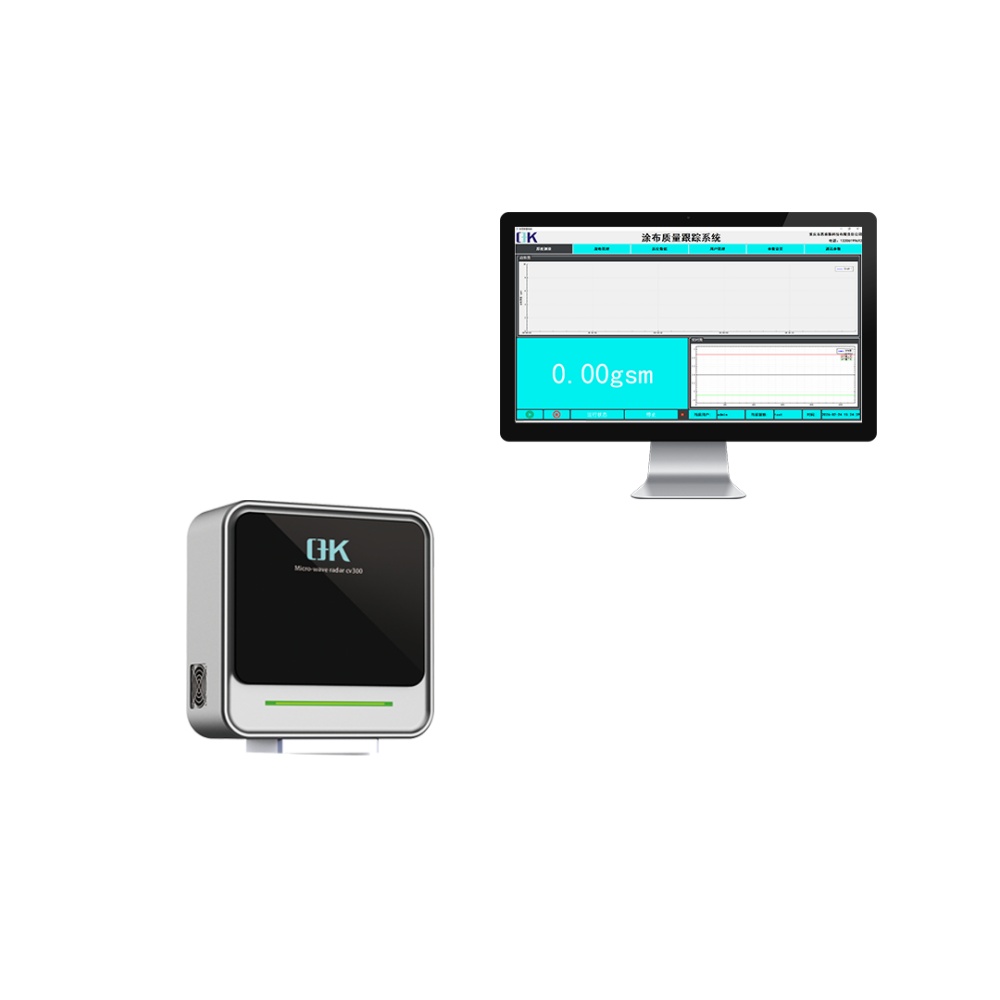
As coating structures become more and more sophisticated, keeping a consistent quality across multiple layers has turned into, sort of, a big manufacturing challenge. Tracking systems for multi-layer coating quality are crucial because they help confirm coating uniformity, adhesion integrity, thickness accuracy, defect detection, and process stability during the whole production run. Nowadays, modern coating quality tracking systems blend advanced sensors, automation, digital imaging, artificial intelligence, and real-time monitoring, so they can deliver precise control over the coating operations.
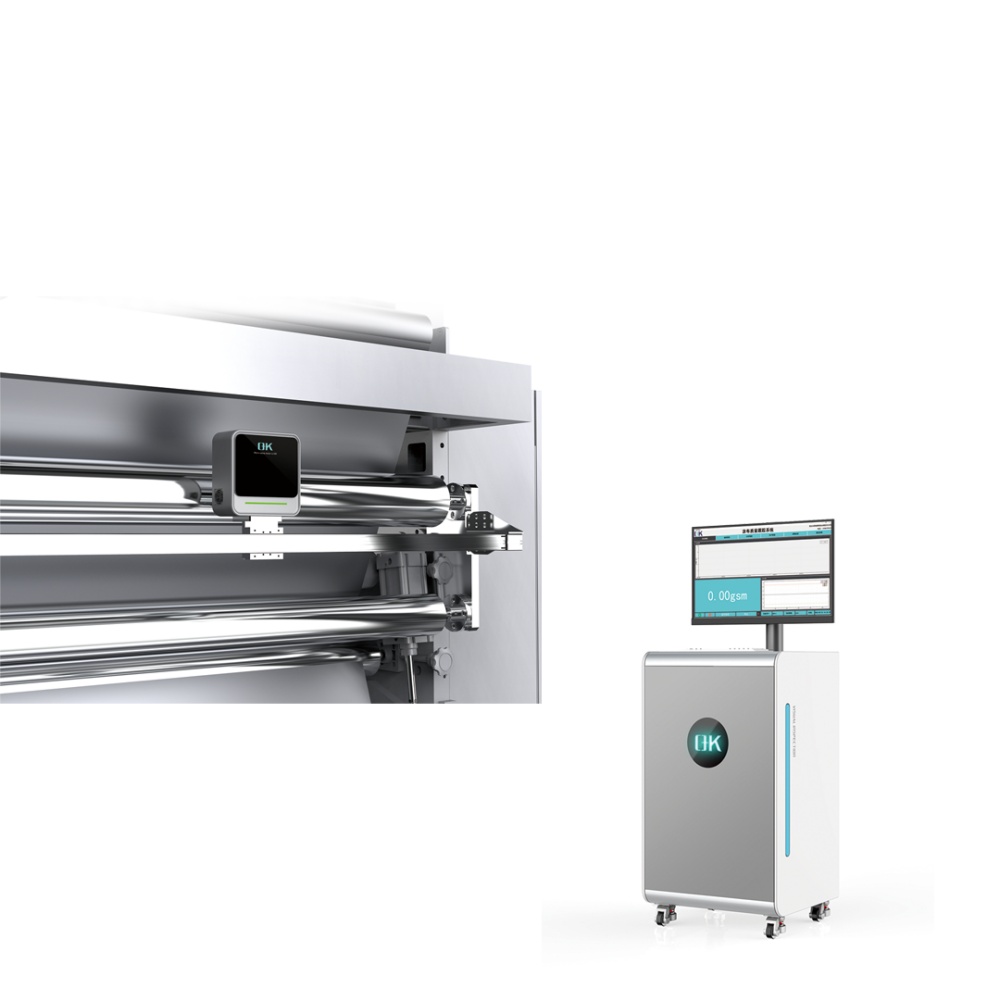
Table of Contents
Why Tracking Systems are Important for Multi-layer Coating Quality
Unlike single-layer coatings, multi-layer systems demand accurate coordination across several coating stages. If one layer varies even a little, it can mess with the performance of the layers after it, which then causes things like delamination, uneven thickness cracking, discoloration, pinholes, or simply bad adhesion.
These automated tracking systems let manufacturers keep an eye on the coating process, and catch deviations before they turn into major defects. Through collecting real-time production data, they support steadier product consistency, lower scrap, reduce downtime, and improve manufacturing efficiency overall.
In high-precision areas like semiconductor fabrication and lithium battery production, even micron-level coating deviations can shift the final product performance. Because of that, advanced coating quality tracking systems are basically required for holding strict quality targets without drifting off course.
Key Components of Multi-layer Coating Tracking Systems
| Component | Primary Function | Importance |
| Thickness Sensors | Measure layer thickness in real time | Uniform coating thickness across multiple layers |
| Vision Inspection Systems | Capture and analyze surface images | Detection of defects such as scratches, pinholes, streaks, and bubbles |
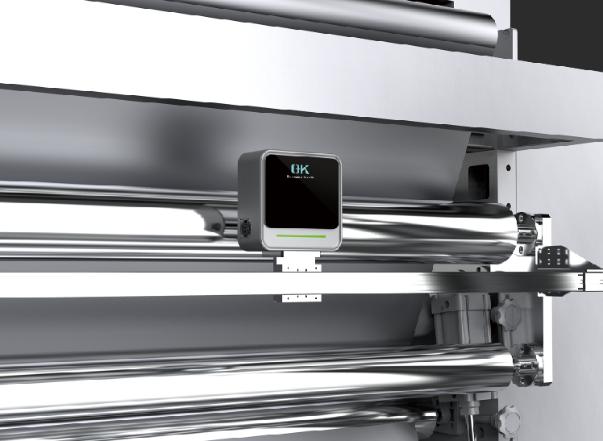
| Web Tracking Systems | Control substrate alignment during coating | Precise positioning and edge alignment of coated material |
| Spectroscopic Sensors | Analyze chemical and optical properties | Consistency in coating composition and layer uniformity |
| Thermal Monitoring Systems | Monitor temperature during drying/curing | Proper curing, adhesion strength, and prevention of thermal defects |
| Data Acquisition Systems | Collect and synchronize process data | Centralized monitoring and traceability of coating parameters |
| AI-Based Analytics | Analyze patterns and predict defects | Early detection of process drift and quality issues |
| Automated Feedback Control | Adjust process parameters automatically | Real-time correction of coating deviations and improved stability |
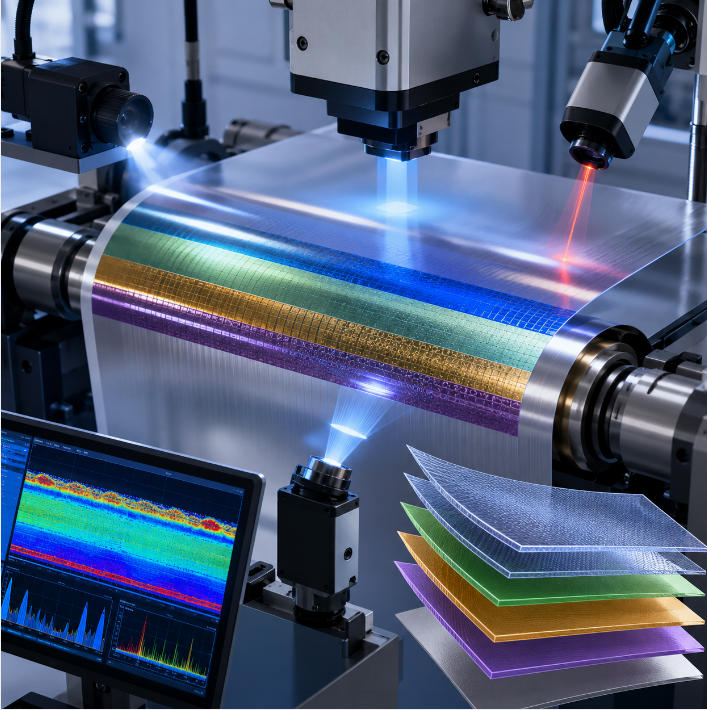
Key Technologies Involved in Tracking Systems for Multi-layer Coating Quality
These technologies involved in coating quality tracking systems, work together to ensure consistency, reduce defects, and stabilize large-scale production.
1. Optical and Laser-Based Measurement Technologies
Optical and laser based measurement technologies are some of the most used in coating tracking, largely because they bring high precision while staying non contact. In real operation these systems typically look at coating thickness, surface evenness, and also whether the layer stays continuous, they do this by using light interference, reflection, or scattering rules. For multi layer structures optical approaches are valuable, because they can help separate small distinctions between clear, or semi transparent layers, even when the overall appearance looks similar.
In places with high speed production, laser triangulation and interferometry are frequently chosen when micron level accuracy is needed. The main point is they enable ongoing supervision without stopping the coating process , so they fit electronics, display films, and advanced packaging in a practical way.
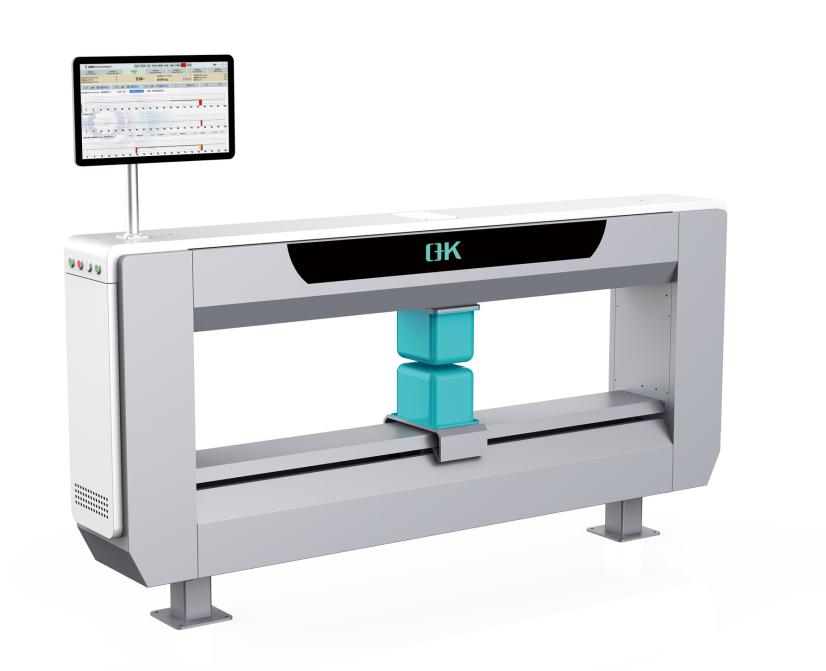
2. X-ray and Beta Radiation Thickness Measurement
X ray based thickness measurement works by evaluating how radiation attenuates as it passes through the coating stack. This provides thickness information even when the layers are complex, and it can be effective for materials that do not respond well to purely optical sensing. Beta radiation approaches are also used, mainly for thickness assessment where penetration depth and sensitivity need to be balanced carefully, depending on the substrate and coating composition.
With more complex or opaque multi-layer coatings, X-ray and beta gauge technologies give very precise thickness checks, but the workflow can feel a bit opaque at first, yes. These setups are often found in industrial scale manufacturing, like metal coatings, battery electrodes, and also in high density functional film production.
X-ray thickness measurement systems, basically work by tracking how radiation gets absorbed as it moves through the different coating layers, so the thickness differences can be worked out accurately. Beta gauges, instead, are good for ongoing watch over coating weight and density, including when the line is running steady. Together, they tend to be especially useful in roll to roll production, where stable material motion matters a lot.
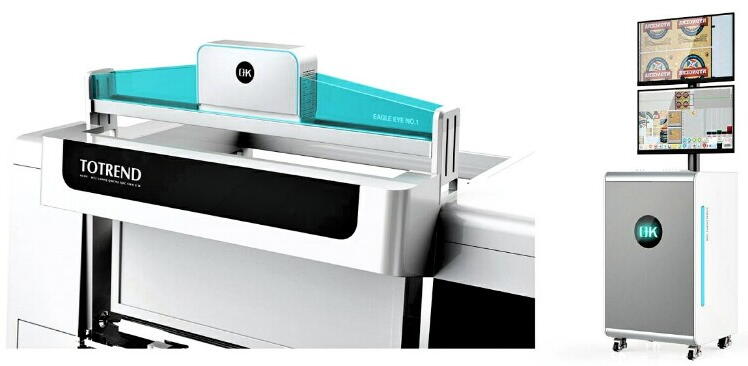
3. Vision Inspection Systems and AI-Based Defect Detection
Machine vision systems are usually the key for spotting surface flaws and structural irregularities in multi-layer coatings. Fast cameras gather detailed images of the coated area, then the footage gets interpreted by image processing methods that can be pretty sophisticated.
With the integration of artificial intelligence and deep learning, these systems can automatically classify defects such as pinholes, streaks, bubbles, scratches, and contamination. AI-driven inspection systems also absorb knowledge from historical production records so the detection accuracy keeps improving over time, while fewer false positives occur that can interrupt manufacturing efficiency, and overall yield.
4. Spectroscopic and Chemical Analysis Technologies
Spectroscopic technologies give important insight into the chemical makeup and consistency of coating layers. Infrared spectroscopy is frequently used to track solvent evaporation, curing behavior, and molecular bonding during the coating process.
Raman spectroscopy provides a more layered molecular insight, so it works well for high precision fields such as semiconductors and pharmaceuticals. With these methods, every thin coating layer stays aligned with the intended chemical layout, and this has a direct impact on performance traits like sticking strength, long term durability , and optical response.
5. Thermal Imaging and Temperature Control Systems
Thermal management becomes crucial during multi layer coating runs, because temperature influences the curing velocity, the bonding strength, and also the mechanical stability of the structure. Infrared thermal imaging tools are applied to watch the temperature distribution across coated zones in real time.
They help spot hot spots, patchy heating or inconsistent cooling, which can later turn into issues like cracking or delamination. When thermal feedback is connected to the process control systems, producers can adjust oven temperatures and drying conditions while the run is active, in order to keep a steady coating quality.
6. Web Guiding and Alignment Technologies
In continuous roll-to-roll coating systems, keeping exact alignment of the substrate is essential so the layer deposition stays uniform. Web guide systems rely on sensors plus automated actuators, to hold the material centered and steady, while it passes through the coating line. These web guiding control systems detect the edge locations, and correct deviations quickly, preventing misalignment, uneven edges and also registration errors between layers. That kind of precision becomes even more important in flexible electronics, and multi-layer film manufacturing.
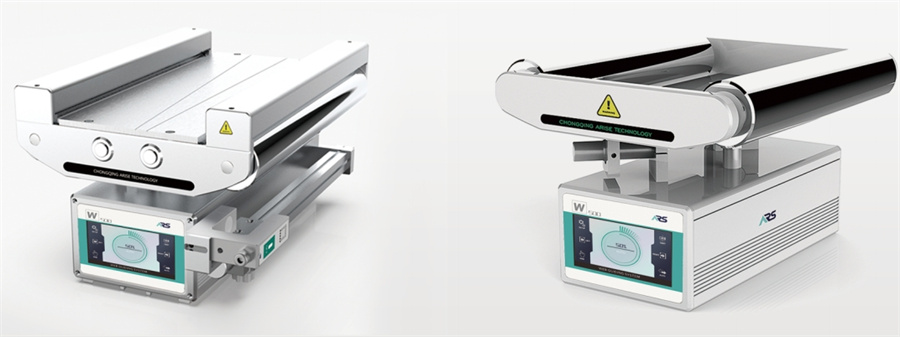
7. Industrial IoT and Real-Time Data Integration
Industrial Internet of Things (IIoT) platforms let you combine several tracking methods into a single digital environment. Sensors, cameras, and analytical instruments continuously forward measured signals to centralized platforms, for real time monitoring and interpretation.
This connectivity gives manufacturers a way to see coating performance across the whole production line and react quickly when something shifts. Using cloud based together with edge computing solutions, the processing gets faster , so decisions can happen close to instantly, even when manufacturing moves at high tempo and keeps running.
8. Artificial Intelligence and Predictive Analytics
Artificial intelligence is changing how coating quality is monitored, moving it from reactive inspection into a more predictive management mindset. Machine learning methods sift through large amounts of process data , looking for signals that show up before defects appear or before the process becomes unstable.
With predictive analytics, coating failures can be anticipated before they really happen, which supports proactive changes to the process settings. That cuts down waste , boosts yield and raises general production efficiency. As time goes on, the AI approach becomes more accurate since it keeps learning from ongoing production feedback.
9. Edge Computing
Edge computing improves tracking systems by handling the data right near the production equipment instead of depending only on a centralized cloud setup. In practice this lowers the latency, and it supports real time decisions in high speed coating conditions. In multi layer coating work , where milliseconds can change the quality results , edge computing helps make sure corrective actions arrive immediately . That in turn reduces the chance of defects spreading across successive layers.
Challenges in Tracking Multi-layer Coating Quality
The following chart provides challenges and potential solutions in multi-layer coating quality systems.
| Challenge | Description | Potential Solution |
| Measurement accuracy limitations | Difficulty in precisely measuring ultra-thin or complex stacked layers | Use high-resolution optical interferometry, X-ray measurement, and hybrid multi-sensor fusion systems |
| Signal interference between layers | Overlapping signals from multiple coating layers reduce clarity | Apply advanced signal separation algorithms and spectral decomposition techniques |
| High-speed production constraints | Fast-moving coating lines reduce inspection time windows | Deploy high-speed cameras, edge computing, and real-time processing units |
| Environmental disturbances | Dust, vibration, humidity, and temperature fluctuations affect readings | Use environmental shielding, sensor compensation algorithms, and controlled production environments |
| Data overload and complexity | Large volumes of multi-source data are difficult to process | Implement AI-driven analytics and cloud/edge hybrid data architectures |
| System integration difficulties | Combining multiple tracking technologies into one system is complex | Use standardized communication protocols and modular IIoT platforms |
| Real-time response delays | Lag between defect detection and corrective action | Integrate closed-loop control systems with low-latency edge computing |
| Hidden subsurface defects | Defects located between or beneath coating layers are hard to detect | Use ultrasonic inspection, advanced X-ray imaging, and multi-angle scanning systems |
| Calibration drift over time | Sensor accuracy decreases without regular recalibration | Implement automated self-calibration and predictive maintenance systems |
| High system cost | Advanced tracking systems require significant capital investment | Adopt scalable modular systems and phased implementation strategies |
Final Thoughts
Tracking systems for multi-layer coating quality have become essential tools in modern manufacturing environments where precision, consistency, and efficiency really matter, and where it feels like every detail is watched. When thickness monitoring, machine vision, spectroscopy, thermal analysis, AI, and automated control technologies are stitched together, manufacturers are able to keep coating performance steady across production lines that get more complex. And as many industries request thinner, smarter, more functional coating structures over time, these coating quality tracking systems will likely move toward stronger automation, more precise measurement, and deeper connection with intelligent manufacturing platforms.