
How to Improve Tension Control in Web Guiding System
When it comes to conversion, printing and packaging operations, precise tension of moving material (web) must be maintained to make the product predictable and efficient. Web guiding system correct the alignment of the material on a lateral plane, but it is tension control that keeps the web stable throughout its winding at rollers, processing stations, and winding units, which becomes skewed when tension fluctuates. The most sophisticated web guide systems will face disorientation when tension control is not this robust. Therefore, improving tension control must indeed go a long way in enhancing web guiding performance.
Table of Contents
Understanding the Role of Tension Control in Web Guiding System
Web guiding is the process that maintains the accurate lateral position of a moving web, such as film, paper, foil, or textile as it is moving through processing. Tension control work in conjunction with web guide systems in order to regulate a controllable amount of stopping force as the material progresses through the production line.
Contrarily, balanced tension lets the web remain flat, stable, and dynamically responsive to the directional adjustments of the guiding systems. An unstable tension condition allows the material to stretch, become wrinkled, or drift away, thus reducing guiding precision and leading to misalignment, uneven coating application, or printing inaccuracies. Such tension control enables consistency in the web’s application to guides and the maintenance of the dimensionally-stable web.
Challenges associated with Tension Control in Web Guiding System
| Challenge | Description | Impact on Web Guiding System and Production |
| Roll Diameter Changes | During unwinding or rewinding, the diameter of the roll continuously changes, altering the torque required to maintain constant tension. | Causes tension fluctuations that can lead to unstable web tracking and inconsistent guiding corrections. |
| Material Variability | Different materials such as paper, film, foil, or laminates have varying elasticity, thickness, and strength. | Makes it difficult to maintain uniform tension, increasing the risk of stretching, deformation, or misalignment. |
| High-Speed Operation | As production speeds increase, the system has less time to react to tension variations. | Even small disturbances can quickly escalate into wrinkles, web breaks, or poor guiding accuracy. |
| Inaccurate or Slow Sensors | Tension sensors or load cells that lack precision or have delayed response times may fail to detect rapid tension changes. | Leads to delayed control adjustments, causing unstable tension and guiding errors. |
| Roller Misalignment | Misaligned rollers or uneven roller surfaces can create uneven tension distribution across the web width. | Results in edge wandering, wrinkles, or difficulty maintaining proper web position. |
| Mechanical Friction and Inertia | Bearings, rollers, and drive components introduce friction and inertia that can disrupt smooth web movement. | Produces inconsistent tension levels, especially during acceleration or deceleration phases. |
| Poor System Integration | Lack of coordination between drives, brakes, and guiding systems can create conflicting control actions. | Reduces the effectiveness of both tension control and web guiding systems. |
| Environmental Influences | Temperature and humidity can affect material properties, particularly for paper and thin films. | Changes in material behavior may alter tension response, making consistent control more difficult. |
| Improper Tension Zoning | Inadequate separation of tension zones in the production line allows disturbances to spread between machine sections. | Causes instability across the system and reduces the effectiveness of guiding corrections. |
| Operator Setup Errors | Incorrect tension settings or poor calibration during machine setup can lead to unstable operation. | Results in higher defect rates, material waste, and frequent production adjustments. |
Effective Strategies for Improving Tension Control in Web Guiding System
Implementing effective strategies to improve tension control can significantly enhance the performance of web guiding equipment, reduce material waste, and increase overall production efficiency.
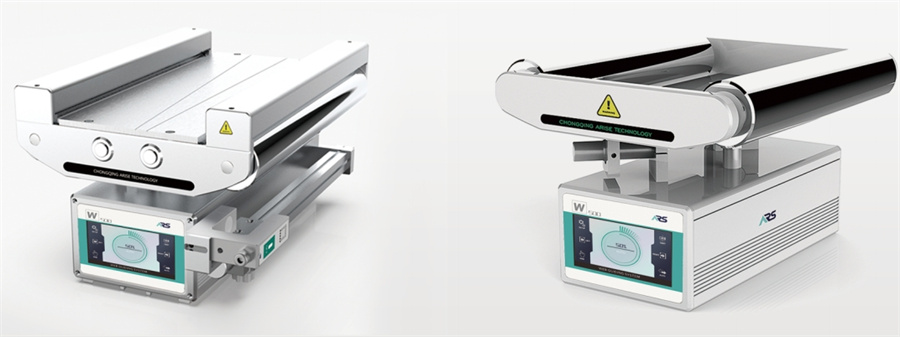
1. Designing an Optimized Web Handling System
A good web handling system is the basis for effective tension control. The mechanical configuration of the rollers, idlers, and processing stations is thus critical to maintaining excellent web movement. Proper roller alignment ensures that tension is distributed evenly across the full width of the web. Misaligned rollers or local roller misalignment can cause localized tension variability, resulting in web wandering and web wrinkling.
Optimum designing of the web path is required to reduce abrupt direction changes and undue wrap angles on the rollers. A smooth and well-balanced web path ensures constant tensionage throughout the production process, reducing mechanical disturbances that could affect alignment.
2. Establishing Effective Tension Zones
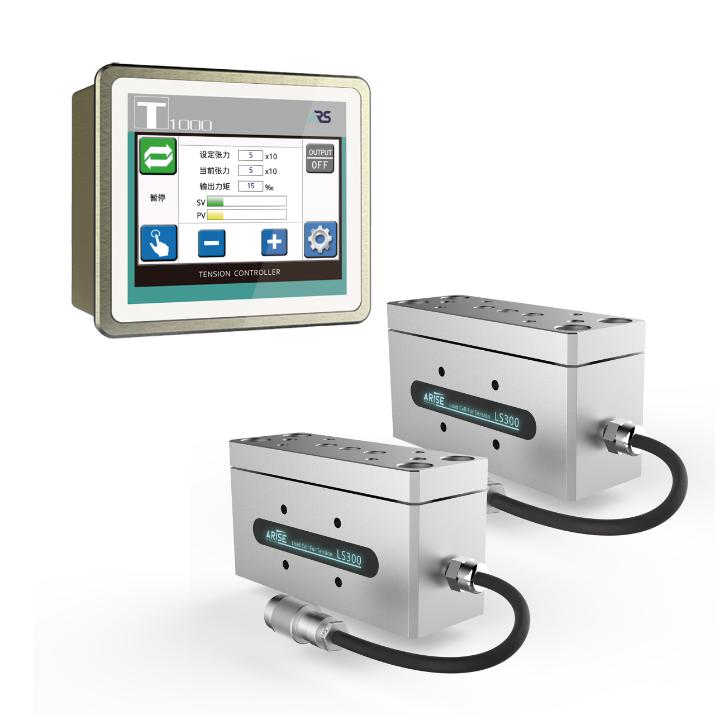
Another tried and true tension control strategy is segmenting a production line into multiple tension zone, specific areas such as unwinder, process, and rewinder that will have different needs for tension.
By separating these sections and controlling tension independently within each zone, manufacturers can protect disturbances in one area from affecting the whole. This setup, being more precise, thus maintains stability in the web while the speed changes or process transitions.
3. Using High-Precision Tension Measurement
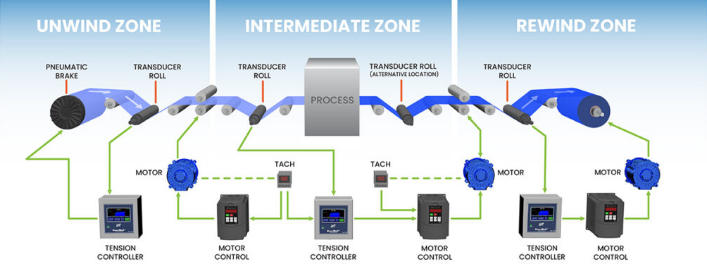
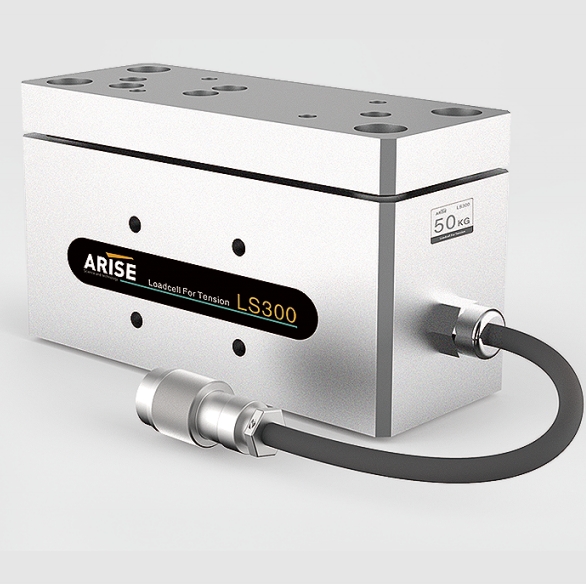
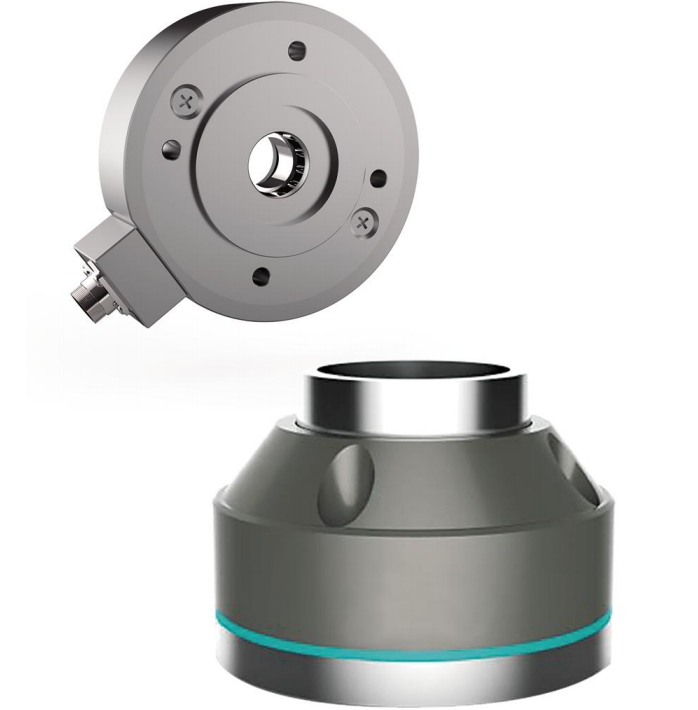
A major necessity concerning web-entrained tension regulation is precise measurement. In this case, load cells and tension sensors are mounted on rolls to provide realtime data of genuine tension in the web. Detection of quick tension changes by the sensors allows the control systems to make instant adjustments.
Highly sensitive and quick responding tension sensors could well be more effective in identifying the smaller changes concerning web guide error. A reliable measurement technology guaranteeing the right details in-control to the control system that the web is in the flat position.
4. Implementing Closed-Loop Tension Control
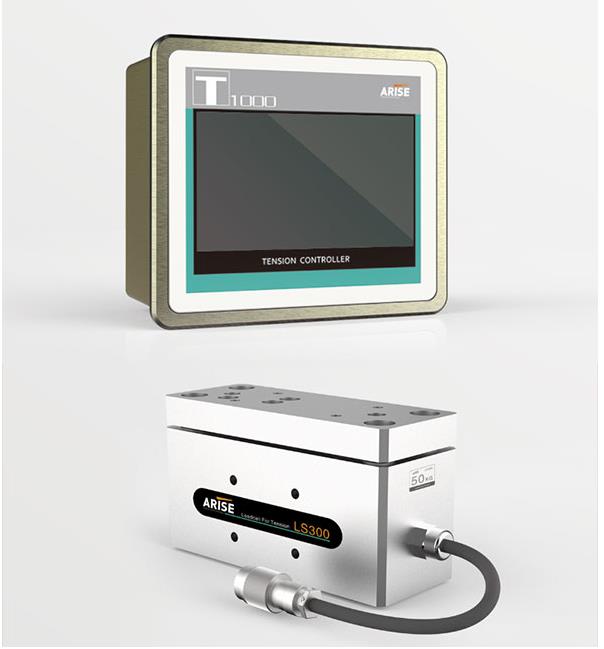
Closed-loop tension control system significantly increases the stability of web guide control systems. In this setup, a tension sensor watches over the web tension continuously, sending signals back to a controller. The tension controller then acts on motors, clutch, or brake to sustain the set tension level.
Continuous feedback permits automatic responses of the system operating disturbance like diameter changes around rolls, acceleration/deceleration of the machine, and material properties. Closed-loop control assures stable tension in all types of dynamic production conditions.
5. Incorporating Advanced Drive and Servo Technologies
In an effort for tension control, the drive technologies are ushering in an era of modern conditioning that relies increasingly on servo motors. These drive technologies allow one to control the rotational speed of the motor with utmost precision.
The servo drive is so incredibly fast at following the control input, making adjustments that will maintain tension stability almost instantly. In the phase between the servo drive and the traditional braking system, there is a means for changing from jerky operations to smoother operations as well as ensuring the machine sections work together in harmony, breathing life back into the flexographic press by waking up the system response layer of the system.
6. Enhancing Automation and Intelligent Control
Web guiding control systems manage tension is undergoing a holistic transformation by means of automation technologies. Smart control systems are able to provide for real-time data evaluation and thus automatically adjust process setpoints and reinitiate the most favorable tension conditions.
Intelligent systems reduce the need for manually adjusting equipment to provide consistent performance across various production conditions.
7. Maintaining Equipment and System Calibration
Without the regular maintenance and calibration of tension control system, the device will never perform as expected. Irregularities such as worn rollers, broken bearings, or poorly calibrated sensors can lead to perturbation of the tension, thereby leading to decreased accuracy.
These days, troubleshooting is all about making sure all mechanical components work optimally and are in their proper places. Calibration of sensors and control systems should be done at regular intervals to ensure that tension levels can be duly measured and relied upon.
An efficiently managed system not only aids in control but also increases the life of key machine components.
Future Trends in Web Guiding and Tension Control
| Trend | Description | Potential Benefits |
| Smart Sensor Integration | Advanced tension sensors with higher sensitivity and faster response times are being integrated into web handling systems to monitor tension, alignment, and material behavior in real time. | Improves measurement accuracy, enables faster system responses, and enhances overall process stability. |
| AI-Driven Predictive Control | Artificial intelligence and machine learning algorithms analyze historical and real-time data to predict tension variations and adjust control parameters automatically. | Reduces manual intervention, minimizes defects, and allows more adaptive tension control across different materials and speeds. |
| Fully Integrated Automation Systems | Web guiding and tension control systems are increasingly integrated with centralized machine control platforms and automated production lines. | Enhances coordination between machine components, improving production efficiency and reducing operational errors. |
| Digital Twin Technology | Digital twin models simulate web handling systems and production conditions to test tension control strategies before implementation. | Helps optimize system design, reduces commissioning time, and improves operational reliability. |
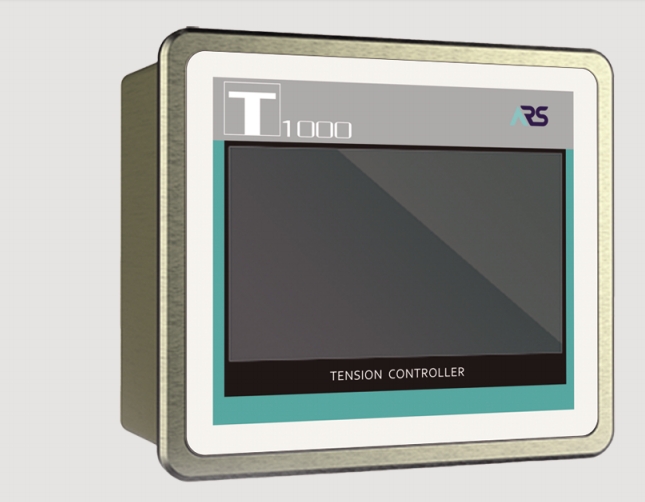
| Real-Time Data Visualization | Advanced human–machine interfaces (HMIs) provide operators with real-time tension profiles and system diagnostics across the production line. | Allows quicker identification of issues and more informed decision-making during operation. |
| Adaptive Tension Control Algorithms | Modern control systems can automatically adjust tension settings based on changing material properties, roll diameter, or environmental conditions. | Ensures consistent web handling performance despite variable production conditions. |
| Industry 4.0 Connectivity | Web guiding and tension control systems are increasingly connected through industrial networks and IoT platforms for remote monitoring and analysis. | Enables predictive maintenance, remote diagnostics, and improved production management. |
| Handling of Advanced Materials | New lightweight, ultra-thin, or stretchable materials require more sophisticated tension control solutions. | Encourages the development of more responsive and accurate web handling technologies. |
| Energy-Efficient Tension Control Systems | Manufacturers are focusing on drive systems and control strategies that reduce energy consumption during tension control operations. | Lowers operational costs and supports sustainable manufacturing practices. |
Summary
Tension control implies having an excellent web guiding system. It is futile to propose web guiding technologies unless one has solid tension control. With the optimized design of mechanical components, higher-quality sensors, and a closed-loop tension control system, manufacturers will, indeed, optimize stability during tension control following the use of smart drive. Industrial processes are moving fast while needing high precision, so continuous improvements in tension control technology are crucial support for ensuring reliable web handling and superior product quality.