
How to Retrofit Printing Inspection Systems
The printing business is highly competitive, and sustaining quality and increasing cost efficiency are the salient landmarks. Many old inspection systems are located in print facilities, but their performance is poor regarding contemporary demands such as high speed, sophisticated substrates, and very strict quality standards. Retrofitting printing inspection systems, hence, is the most workable and cost-effective option for expanding print manufacturing facilities: Once the old equipment is upgraded, the manufacturers may do these efficiently without overhauling the system.
Table of Contents
Understanding Printing Inspection System Retrofitting
Retrofitting printing inspection systems among other values new technologies, components, or software in improving the existing systems. Instead of simply throwing out a workable machine, retrofitting improves performance, prolongs the service life, and brings older systems in line with current production requirements. This job may entail the changing of worn-out cameras, upgrades to lighting systems, advanced image processing software setup, and automation and data processing capability as additions to retrofitting.
Why Retrofitting Printing Inspection Systems is Important
1. Keeping Up with Increasing Quality Standards
The problem of margins-related expectations is when a minor defect such as color mismatch, misregistration, and the reigning head and face breeds product rejection. The means are the necessarily fewer number available in inspection systems. Older waves of inspection equipment are not capable of allowing low resolution and not skilled enough to eliminate errors majestically.
Fit and install advanced imaging technologies, software, and intelligent software that enable manufacturers to adhere to strict quality standards, whilst also stopping defective products from escaping into the market.
2. Enhancing Production Efficiency
Because high-speed printing connections require systems that are internally fast-paced and yet fairly stable error profiles, yesterday’s system clatters with its slow processing foods, causing a chocking effect within the overall higgledy-piggledy game of production.
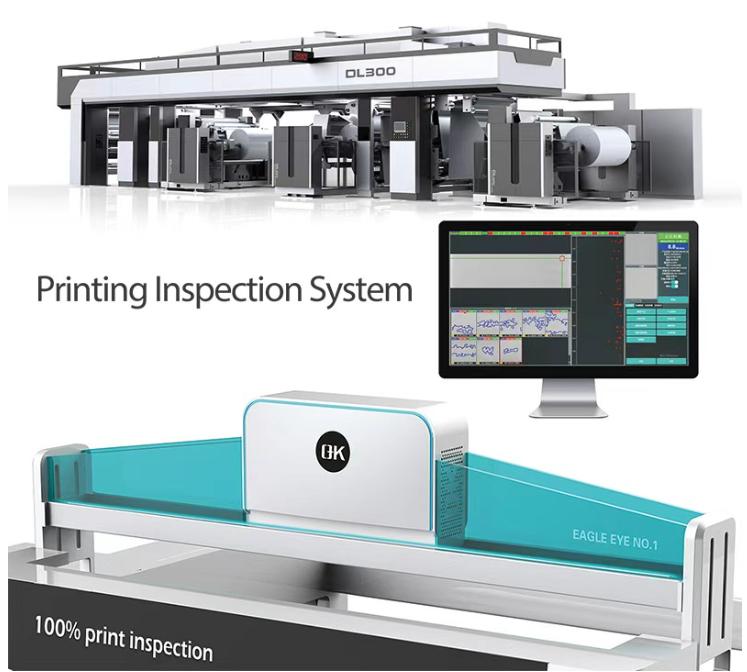
Companies can upgrade to faster cameras, better lighting, and real-time processing capabilities by retrofitting. This will ensure that the 100% full-surface printing inspection systems work alongside modern high-speed printing installations for better workflow efficiency.
3. Reducing Operational Costs
Subject to considerable capital expenditure, replacement of an inspection system is often necessitated, a plan that, as far as a broader scale of operations is concerned, is not always practical. Retrofitting all essential components is often considered a cost-effective alternative.
Moreover, improved defect detection is an optimal way to cut material losses and rework, bringing along savings in the long run. Enhanced reliability in the system brings down maintenance expenses and drastically reduces unplanned downtime.
4. Extending Equipment Lifespan
Several machines used in printing are indeed robust in terms of mechanics and capable of achieving good performance now, although the inspection system integrated now may well have become obsolete through time.
For companies, system retrofitting extends equipment life by incorporating modern technologies. This method assures a good rate on investment and delays costly system replacements.
5. Support Digital Transformation
The printing industry has started to widely adopt digital technologies, including automation and data analytics tied into smart manufacturing systems. Traditional inspection systems do not integrate well in terms of connectivity, data fusion capabilities, and IIoT.
Retoolment is about integrating connectivity to work with more IIoT features and tools of real-time monitoring and data-based decision-making. It looks after bringing a more connected and intelligent production environment.
6. Improving Defect Detection Accuracy
Traditional inspection systems may find the finer or more complex defects hard to resolve, particularly in relation to high-resolution/multi-color printing applications.
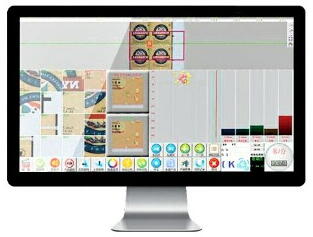
There is scope for advanced technologies like artificial intelligence and machine learning with refurbishment. The machines help in better accurate defect detection with the benefit that man-made false negatives are practically eliminated which would become inevitable in standalone designs.
7. Enhancing Sustainability
Sustainability has become a major concern in the manufacturing realm. Excessive waste, energy consumption, and excessive equipment replacements erode the environment.
Retrofitting renders sustainability through less waste material and improved defect data, with a counterpart design that can be exploited to call a halt to the environmental footprint that might possibly form due to new machinery involved in manufacturing.
8. Adjusting to Various Printing Applications
Present-day printing is a mélange of a large set of materials, formats, and customization opportunities. Sometimes, traditional components are not flexible enough in handling such variations.
Retrofitted print inspection systems are adjustable to precisely suit the task of their installation hence achieving very high levels of robustness and efficiency in various printing tasks-laminating, coating, and other label and package printing systems.
Key Technologies Involved in Retrofitting Printing Inspection Systems
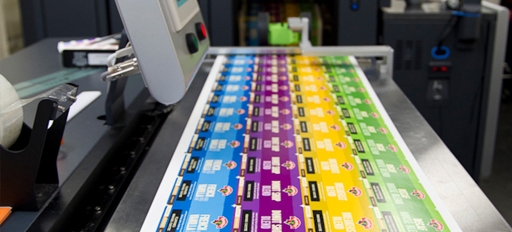
Retrofit projects for print inspection system often integrate advanced technologies that greatly improve the inspection capabilities.
1. High-Resolution Cameras
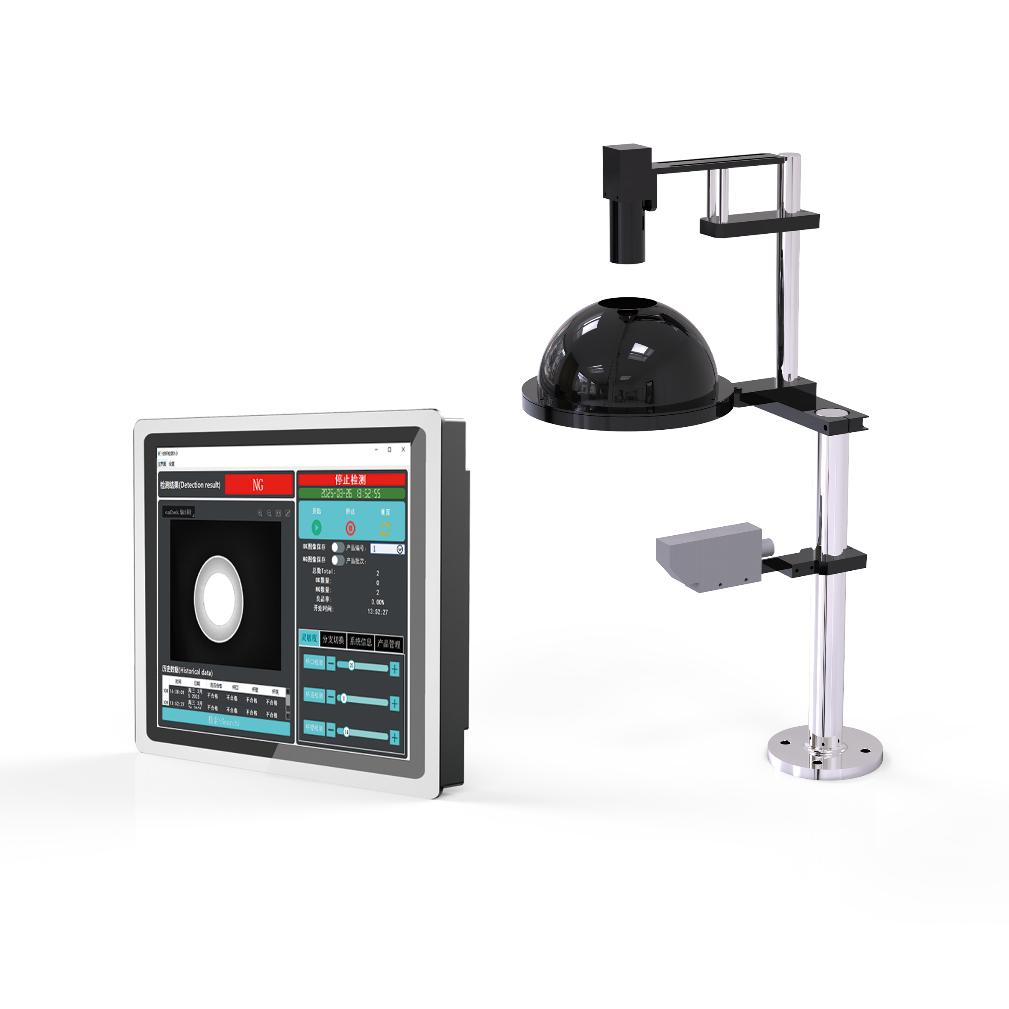
A high-resolution camera in a printing inspection system, consummately play a significant role in ensuring accurate defect detection. These are cameras with the ability to capture detail to the t with immense precision, an imperative for faults like color deviations, misregistration, and surface imperfections. From upgrading traditional inspection systems, an improvement in cameras image resolution will improve image clarity, allowing even the most minute defects to be spotted more efficiently during the printing process.
2. LED Lighting Systems
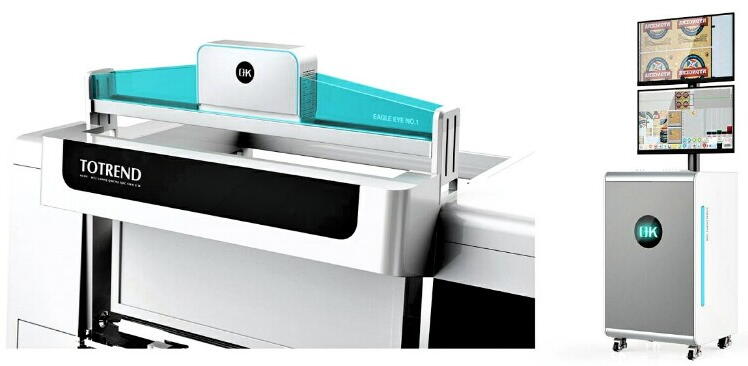
One of the latest developments in upgrading the print inspection setup, which is fundamentally essential, involves LED lighting systems for a one-stop service, ensuring even illumination and minimal heat generation to promote stable lighting over the printed material. When older systems involve changing lights to LED lights, the final output for these glaring perceptions arises across some shadows, glare, and uneven light, better enhancing defect visibility and the credibility of inspection results. In very high-speed printing environments, a homogeneous installation must also be achieved to enter color matching exactitude and defect detection.
3. Artificial Intelligence (AI) and Machine Learning
The integration of artificial intelligence (AI) and machine learning technologies transforms vision systems into fully developed subsystems that automatically identify, classify, and find defects. The AI algorithms analyze data from the cameras and sensors to look for intricate patterns not easily detected by operators. Boxed up with a model, machine learning gradually optimizes its performance with every feeding; and in fact, limitless addition of print data for the machines to reach more accurate and faster identification of defects with repetition. This integration reduces human error, matures defect detection, and can also warn in advance before issues arise for intervention.
4. Image Processing Software
Image processing software serves as the cornerstone for any contemporary print inspection system as it enables detailed study of images captured. In retrofit applications, software’s upgraded versions may allow the system to process high-resolution images swiftly and accurately. For this software, different types of defects, such as registration errors, color mismatches, and surface defects, have to be identified by comparison with pre-defined standards for color and quality. The medium- to high-level configuration of image-processing algorithms allows a system to manage complex inspections associated with multi-color prints or variable data printing to achieve a very high overall quality of production.
5. Integration of Industrial Internet of Things (IIoT)
IIoT is applied everywhere, even in print inspection systems, allowing them to communicate with other machines on the production floor. The IoT facilitates real-time data collection, analysis, and monitoring of the print process, ensuring that the enhancements in quality and activity are put together and maintained. A retrofit of IIoT completes systems big-time: remote diagnostics, predictive maintenance, and automatic updates help detect and address any issues as they come up, and long before their occurrence lead to downtime. It has been made clear that it eases effortless system coordination with other machines-thus creating a wise and more resourceful working environment.
6. Cloud Connectivity and Data Analytics
The connection of the cloud is of great importance for the retrofitting of print inspection systems by providing a centralized platform where large volumes of production data could be stored and processed. This set up allows operators to access real-time data remotely and obtain insights to production trends, defects, performance matrixes and so on. In the next phase, from leveraging onsite data analytics, print manufacturers can better predict any existing or future-production problems as well as optimize their quality control strategies. Systems work with the cloud also account for data safeguarding. This allows for convenient storage and availability in analysis of valuable production data, improving decision-making across the organization.
7. Automated Reject Systems
Automated reject systems attack the moment identification and removal of defective products from the production line. The integrated retrofit with older inspection systems offers automatic reject capabilities to tackle defect removal efficiently and accurately; hence, only higher-quality products are delivered to meet the customers. Instead, sensors and AI have real-time spotting abilities to bring the occurrence of the printing system defects to encourage mechanical and robotic rejections of the defective prints. Automated reject systems are intended to reduce human intervention, alleviating chances of human errors and increasing the overall throughput of the production line.
8. Advanced Sensors
Yet another essential technology that retrofit print inspection systems need to include is the use of smart sensor elements. They include advanced color sensors, thickness measurement systems, and alignment sensors that measure various print parameters trickling off the object. These sensors give direct quantified color, material thickness, and other features measurement control to the operator during its productive process. The integration of advanced sensors into the retrofitting systems increases the accuracy of defect detection, particularly in high resolution and multi-layer print applications, and results in improved quality control.
9. Vision-Based Inspection Systems
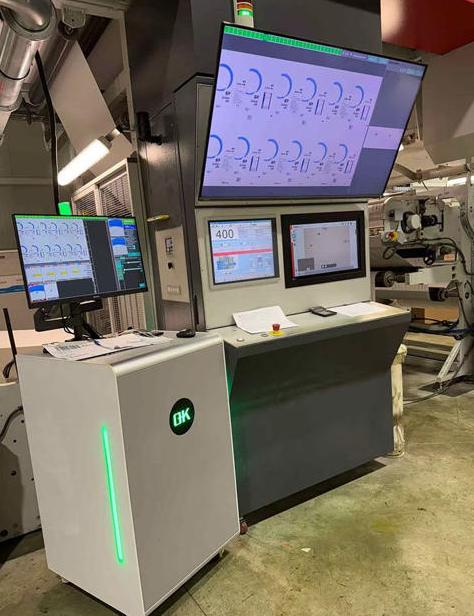
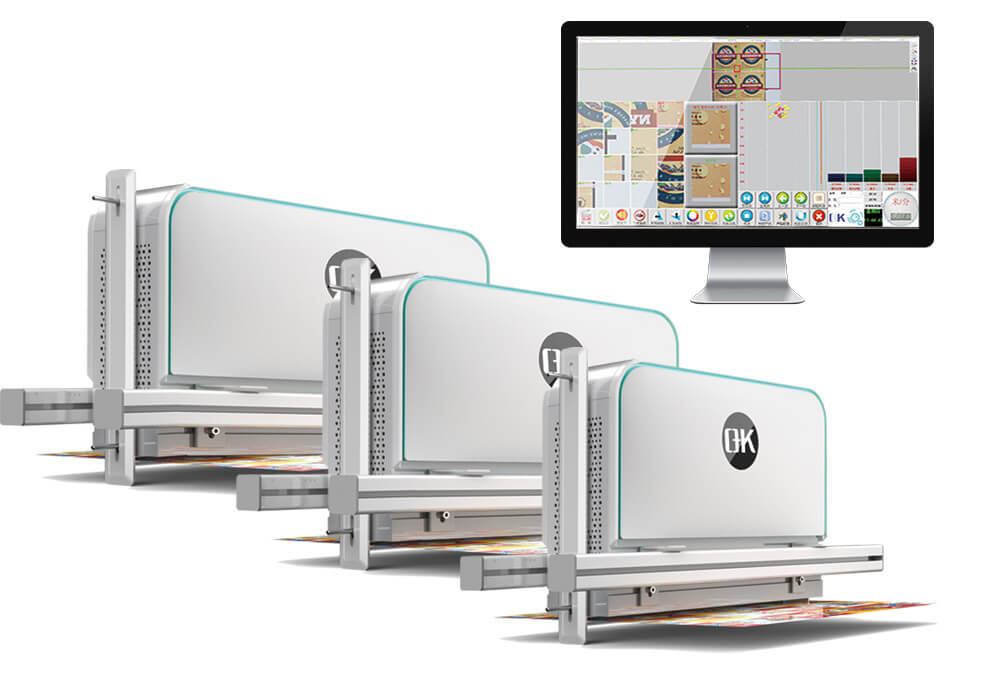
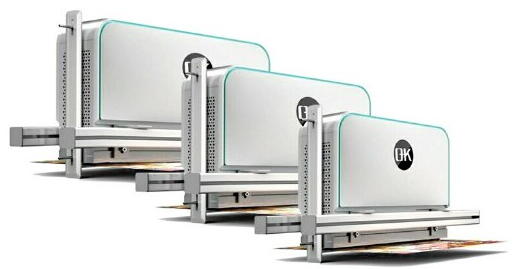
Web inspection vision systems for printing quality, indeed utilizes multiple cameras and sensors to capture a combined view of the printed material, further improving the detection of invisible defects and defects that are hard to detect. These systems come most useful when retrofitting a good old system because they hail a comprehensive multi-angle view of the print job and defects being seen from different angles. If one decides to use the vision-based inspection system, it not only proffers the much of the system interface in many multiple languages (including, but not limited to, English, German, French, and Italian) but also can spot the most difficult defects in each print process, i.e. more readily discernible minute surface defects or misregistrations that might just escape notice in a single-camera inspection setup.
This technology allows for very comprehensive and reliable error detection in higher quality or multiple-layer print applications.
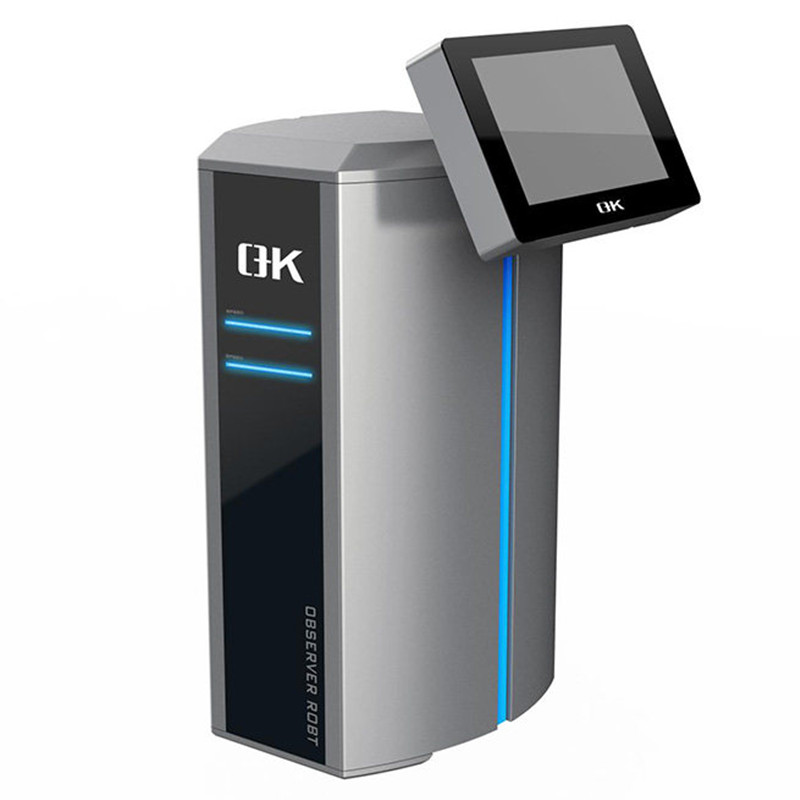
10. Real-Time Monitoring Dashboards
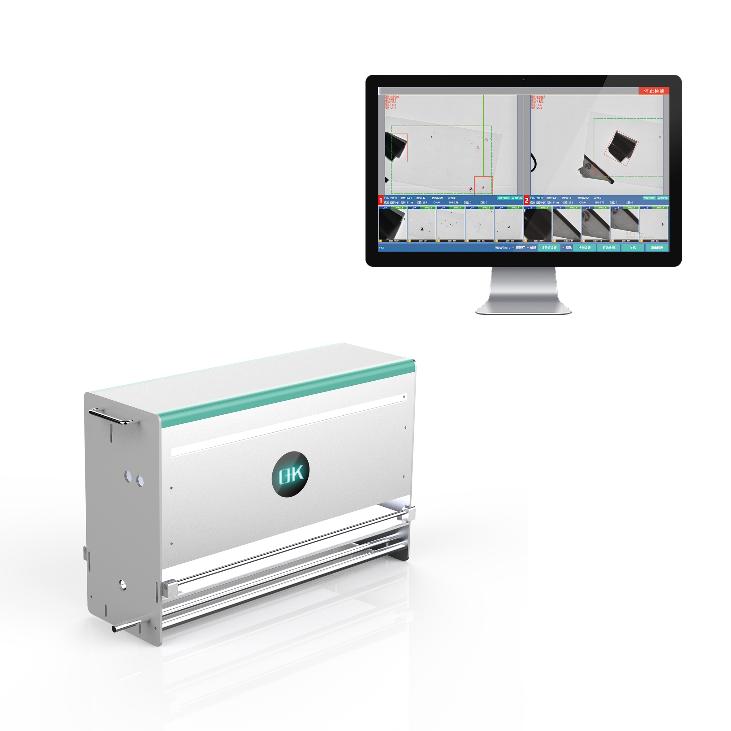
To enhance uninterrupted monitoring of the printing inspection machine, the real-time system and the monitoring dashboard must be equipped with improved user interface features and reliable and stable performance as observation of real-time monitoring processes is concerned. Analysis of interrelations between multiple departments would thereafter allow operations supervisors to make speedy decisions with risk mitigation to potentially decrease unplanned downtime and improve production management.
Key Steps for Successfully Retrofitting Printing Inspection Systems
| Step | Description | Key Actions |
| 1. Assess Current System Performance | Evaluate the performance and limitations of the existing printing inspection system. | Conduct a thorough audit of current inspection capabilities, identifying key performance gaps and areas for improvement. |
| 2. Define Retrofit Objectives | Set specific goals for the retrofit project to ensure alignment with business needs. | Define clear objectives such as improving defect detection accuracy, increasing throughput, or enhancing data analysis capabilities. |
| 3. Select Suitable Inspection Technologies | Choose modern printing inspection technologies that align with the defined objectives. | Evaluate and select advanced cameras, sensors, and AI-based software that offer higher resolution, better defect detection, and faster processing speeds. |
| 4. Plan Integration Strategy | Develop a comprehensive integration plan to ensure smooth compatibility with existing equipment. | Plan for hardware and software integration, considering existing system limitations, space, and potential disruptions. |
| 5. Develop a Phased Retrofitting Plan | Implement the retrofit in phases to avoid significant downtime and allow for easier adjustments. | Divide the retrofit into manageable stages, upgrading key components without halting production. Prioritize critical systems first. |
| 6. Conduct Testing and Calibration | Ensure that the retrofitted print inspection system works as intended through testing and calibration. | Run extensive tests on the new components to ensure proper functionality. Calibrate sensors and cameras to align with quality standards. |
| 7. Train Operators and Technicians | Provide training to ensure that staff are proficient with the new system. | Offer hands-on training for operators and technicians, covering new software tools, sensor calibration, and troubleshooting. |
| 8. Monitor and Optimize Performance | Continuously monitor the new system’s performance and make adjustments as needed. | Use real-time data to monitor system performance, analyze defect detection accuracy, and optimize the inspection process. |
| 9. Ensure Ongoing Maintenance and Support | Implement a robust maintenance plan to ensure the long-term reliability of the system. | Schedule regular preventive maintenance, conduct software updates, and set up a support team for troubleshooting. |
| 10. Review and Evaluate Retrofit Success | Assess the success of the retrofit after full implementation. | Evaluate the retrofit against initial objectives, assessing improvements in defect detection, throughput, and quality control. |
Challenges and Potential Solutions in Retrofitting Print Inspection Systems
| Challenge | Description | Potential Solutions |
| Compatibility with Existing Equipment | Older printing inspection systems may not support modern inspection technologies, making integration difficult. | Use modular and flexible inspection systems that can be easily integrated with legacy equipment. Retrofit systems with adapters or custom solutions to bridge compatibility gaps. |
| High Cost of Upgrades | Retrofitting older print inspection systems can be expensive, especially when upgrading sensors, cameras, or software. | Prioritize critical upgrades that offer the highest ROI, explore financing options, and implement phased retrofitting to spread costs over time. |
| Data Integration and Analysis | Combining new inspection data with existing production data can be complex and time-consuming. | Implement software solutions that integrate seamlessly with existing systems, allowing for real-time data analysis and easy decision-making. Use cloud-based platforms to centralize data for better access and insights. |
| Sensor and Camera Accuracy | Older printing systems may require upgraded sensors and cameras that can offer higher resolution and better defect detection. | Upgrade to high-resolution cameras and sensors with improved sensitivity and defect detection algorithms. Implement machine learning or AI-based systems to enhance accuracy and reduce false positives. |
| Software and System Compatibility | Software updates for print quality inspection systems may not be compatible with older printing machines or control systems. | Use backward-compatible software or employ hybrid solutions that combine old and new technologies. Consider modular software platforms that can evolve with future upgrades. |
| Training and Skill Gaps | Operators and technicians may not be familiar with new printing quality inspection technologies, leading to inefficiencies and errors. | Provide comprehensive training programs to ensure staff are proficient in the new systems. Develop user-friendly interfaces and offer ongoing technical support to ease the transition. |
| Maintenance and Downtime | Retrofitting can cause extended downtime for the production line, affecting productivity. | Plan retrofitting during off-peak hours, implement upgrades in stages, and ensure that critical inspection systems are back online quickly. Consider temporary systems to maintain operations during the retrofit. |
| Quality Control Consistency | Ensuring that the retrofitted printing inspection system maintains or improves quality control standards can be a challenge. | Test and calibrate new systems thoroughly before full deployment, run parallel inspections with old and new systems to ensure consistency, and use real-time data monitoring to adjust as needed. |
| Cost of Ongoing Maintenance | New 100% printing inspection systems may come with higher maintenance costs and complex support requirements. | Implement preventive maintenance schedules, invest in training for in-house technicians, and negotiate service contracts that balance cost with long-term reliability. |
| Space and Integration Constraints | Retrofitting may require additional space or modifications to the physical layout of the print production area. | Design compact, space-efficient solutions, and ensure the retrofitted systems can be easily integrated into existing layouts without requiring significant changes to floor plans. |
Final Thoughts
Retrofitting printing inspection systems is a strategic tactic for the print companies that aspire to enhance its quality, efficiency, and competition with minimal capital investment. By integrating best practices and advanced technologies into their framework, manufacturers can transform the aged system into a high-performance solution to satisfy today’s needs of the printing industry.