Print Inspection in Preventing Packaging Errors
Packaging errors will create expensive reprinting costs plus they will result in possible legal disputes and they will damage the brand’s reputation. The process of print inspection functions as an essential tool which protects packaging materials from displaying any defects that would compromise their quality. The article demonstrates how print inspection functions as an essential tool for preventing packaging errors while simultaneously improving the complete production process.
Table of Contents
Why Preventing Packaging Errors is Important
Packaging errors can have significant consequences, both from a consumer and a business perspective.
This chart provides the different types of errors that can occur during packaging and their potential consequences on product quality, compliance, and brand reputation.
| Error Type | Description | Potential Consequences |
| Incorrect Text or Labeling | Missing, incorrect, or misprinted product names, instructions, or ingredients. | Regulatory fines, customer confusion, legal issues. |
| Color Inconsistencies | Printed colors not matching brand specifications or being off-tone. | Poor brand representation, consumer dissatisfaction. |
| Barcode/QR Code Errors | Misprinted, blurry, or incorrect barcodes/QR codes that cannot be scanned. | Retail scanning issues, inventory problems, delays. |
| Misalignment | Graphics, logos, or text not properly aligned with packaging. | Aesthetic issues, brand inconsistency, product confusion. |
| Missing Information | Key product details like safety warnings, expiration dates, or nutritional facts omitted. | Legal penalties, product recalls, safety hazards. |
| Over or Underfill | Packaging that is either overfilled or underfilled with product. | Wasted materials, non-compliance, consumer dissatisfaction. |
| Wrinkling or Creases | Packaging material showing creases, folds, or wrinkles. | Damaged product appearance, perceived low quality. |
| Incorrect Closure | Flawed sealing or closure issues, such as unsealed containers or incorrect lids. | Product contamination, safety risks, customer complaints. |
| Poor Adhesion of Labels | Labels not properly sticking to the product or packaging. | Product damage, brand credibility loss, unprofessional appearance. |
| Print Smears or Blurring | Ink smears or blurry printing, often due to wet ink or poor printing quality. | Legibility issues, brand misrepresentation, delays. |
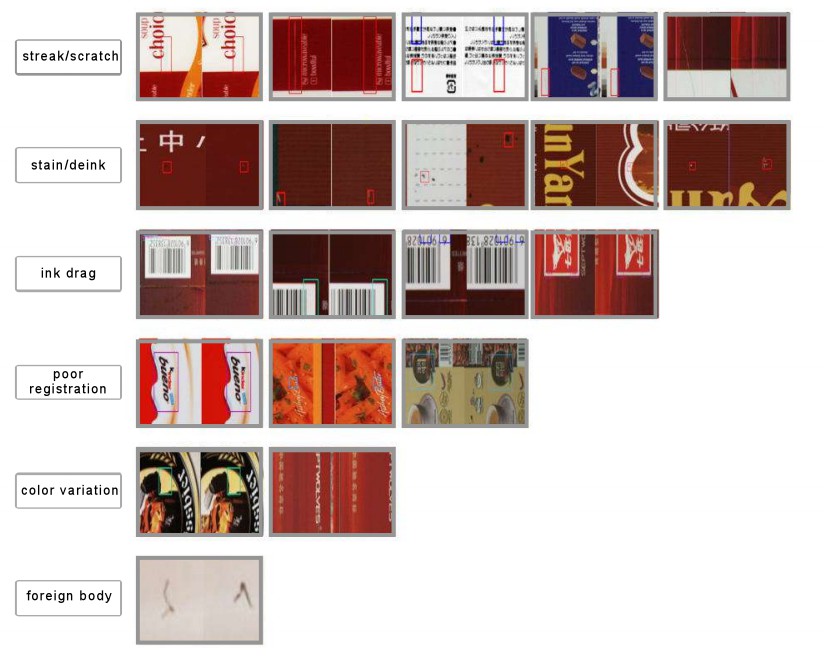
Packaging errors, which occur in regulated industries such as food, pharmaceuticals, chemicals, lead safety issues and expensive product recalls. The process of preventing packaging errors stands as an essential requirement which ensures products reach their intended customers without facing any extra challenges.
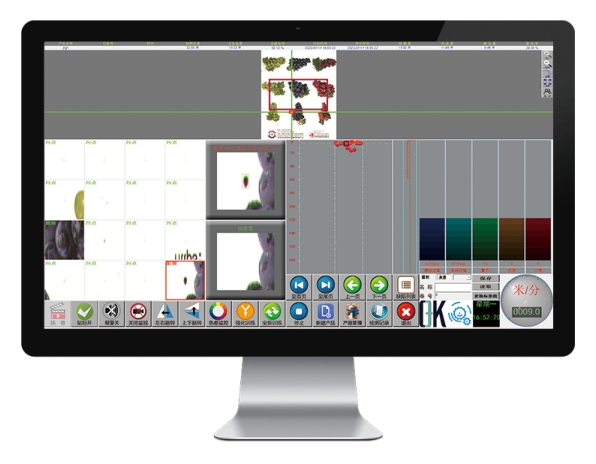
Key Benefits of Print Inspection in Preventing Packaging Errors
The early detection of potential errors allows the print inspection systems to catch any mistakes, maintain the package integrity by erasing costly mistakes.
1. Early Detection of Errors
A printing inspection system is usually designed to spot any error as they come into existence during a print run, helping to correct what the system knows is wrong immediately. This real-time monitoring offers good assurance to nip eventualities in the bud, for example, problems like the text being printed ambiguously, text going off its prescribed format, and even the manufacturer’s missing data, so the packaging gets so far away that it invites the possibility that the package is faulty.
2. Consistency and Quality Control
During production, print inspection is a tool to ascertain that every package produced meets using pre-described quality which it continues to monitor this quality. In certain industries, such as the pharmaceutical sector and food package labeling compliance, consistency is of the highest priority. Ensures that the text is always consistent throughout the run and always includes- labels, text, and graphics.
3. Cost Reduction and Waste Minimization
Print inspection prevents unnecessary reprints and cut material wastage by identifying defects at an early stage. This allays the need for complete discarding of all packs, especially when some errors can be corrected immediately on the production line. The cost of materials is drastically reduced because of material savings and the elimination of wastage. This also reduces extra costs of material, rework, and manpower.
4. Regulatory Compliance
In highly regulated industries such as food, beverages, pharmaceuticals, and chemicals, labeling has to correspond precisely for safety and compliance reasons. Print inspection must ensure that the label complies with all regulations, including the final ingredient listing, safety notices, and expiration dates. Manufacturers can avoid the fines and legal repercussions that elicit upon undetected issues in packaging by early error detection courtesy of print inspection.
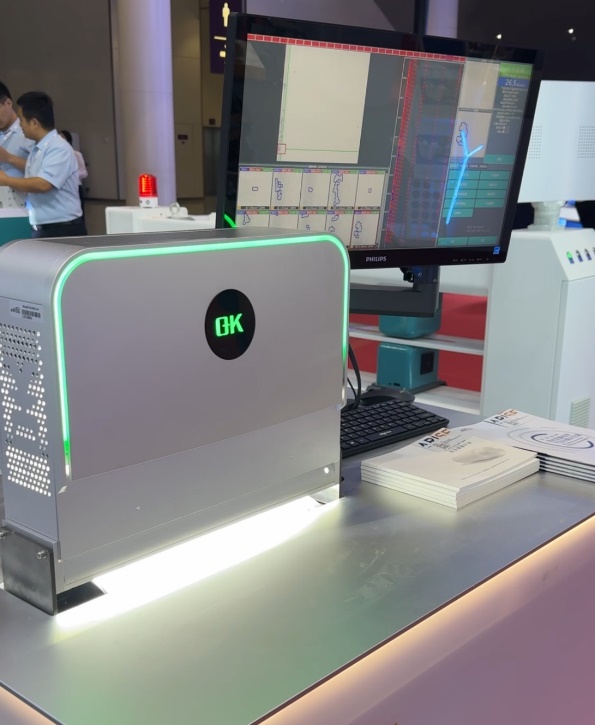
5. Brand Integrity and Consumer Trust
Packaging is a brand’s initial point of contact with consumers. Minor errors in text, colors, or logos can greatly reduce the perceived quality of a product and damage brand equity. Print inspection ensures that all branding elements are represented correctly and increases consumer trust and maintains the brand’s consistency.
6. Enhanced Operational Efficiency
Automated print inspection systems work at high speeds without slowing down the production lines. Quick feedback is possible there, and real-time detection of defects ensures high productivity while maintaining good quality. Through lower downtime and elimination of manual inspection processes, the overall effectiveness of an operation is bettered accordingly.
7. Reduced Risk of Product Recalls
In their absence, packaging errors could turn eventually into substantial consequences, even product recalls. Thus, wrong captions or missing important information could lead to all manner of confusion and safety issues. Print inspection guarantees that no chances are taken with such errors and at the very least, in part, means that each and every set of packages goes to the bins easily and seamlessly from the products. That is why the number of dangerous and costly recalls, as well as the possibility of liability risks reaching their peak.
8. Enhanced Consumer Safety
The pharmaceutical and food industries have linked the correctness of product labels to consumer safety. In this respect, print inspection makes it easy to control the accuracy of the main information such as dosage instructions, allergens, security warnings, etc., displayed in the packaging. This indeed protects consumers from potential risks to their health from wrong or incomplete labeling.
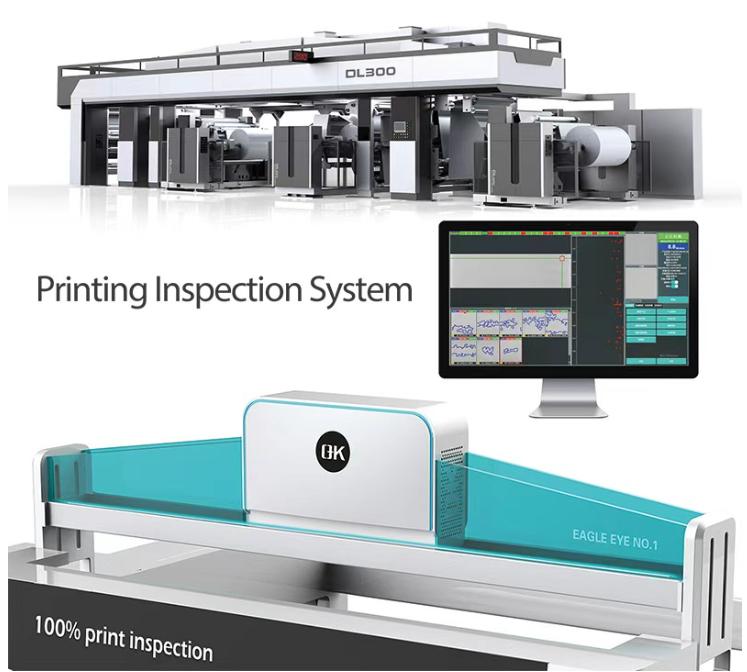
Technologies Behind Print Inspection Systems in Preventing Packaging Errors
Several advanced technologies were adopted by the modern printing quality inspection systems, to detect in order to prevent errors in packaging.
1. High-Resolution Camera Systems
One of the core technologies for printing inspection systems is that of high-resolution camera imaging. It is the role of these cameras in generating ultra-high resolution images of the packaged material traveling through the production line. These images are effectively screened for misaligned prints, incorrect texts, or out-of-focus graphics. Captivating those smallest of flaws, the high-resolution cameras will follow up the packaging throughout a long production run, ensuring consistent quality.
The cameras use a pretty neat set of optics to grab stunning high-definition images, which the software processes to flag out defects. Certainly, detailed images of the high-res caliber are needed for industries in which print quality is extremely required, like in the pharmaceutical sector, examples of inappropriate labelling, or missing data could lead to lawsuits or tainted drugstuffs.
2. Optical Character Recognition (OCR)
Optical Character Recognition technology plays a critical role in an inspecting setup to inspect the correctness of the printed text. Its function is to scan the text available on the package and arrange it using electronic data. The OCR software leads to checking-out this scanned text with the previously set information to conform the right data of all product names, ingredients, expiry dates, and other such details.
OCR is of maximum importance in businesses, such as food and medicine sectors, which have strict legal preconditions, as any single labeling mistake could attract administrative fines or health safety troubles. Thus, OCR systems can easily detect minor errors such as missing words, misspelled words, and a different font; hence, they fundamentally become indispensable for the correct packaging of products.
3. Barcode and QR Code Verification
An Integral part of product tracking quality, inventory, and customer interaction, barcodes and quality QR codes are useful for verification of these codes being properly printed and readable as part of quality print inspection systems. The print inspection systems of barcode and QR code verification have laser scanners or imaging systems to verify the clarity, size, alignment, and readibility of each code.
An out-of-focus or misaligned barcode or barcode is estimated to reflect signification in terms of extensive issues at sales points or else in logistics operations. By ensuring that every barcode is clear and scannable, companies manage inventories and avoid supply chain disasters, ensuring their transaction runs smoothly. In every avenue geared toward software development, printing of a near-perfect barcode is immensely pivotal, especially within industries such as retail, where barcodes have significantly cut down inventory management and checkout systems.
4. Spectrophotometry for Color Quality Control
Characterized by automation within print checking, spectrophotometry uncovers unknowns and achieves rich qualities of colors curated by masterful tact and craft. Companies increasingly insist on their spectrophotometers, which inspect packages and compare sampled colors against master standards as set for each brand. This incredibly lowers the sense of worry for any mismatch between God-awful colors and prescribed brand specifications.
Product consistency is essential for brand sustainability. Brands are served with the right color-matching.it is of utmost importance to marketers that their colors are easily recognizable by consumers. Inconsistent colors have a direct impact on consumer perception and in result product rejection. The spectrophotometer finds even the smallest color discrepancy so that branding errors do not creep in and the visual appeal is maintained across the board.
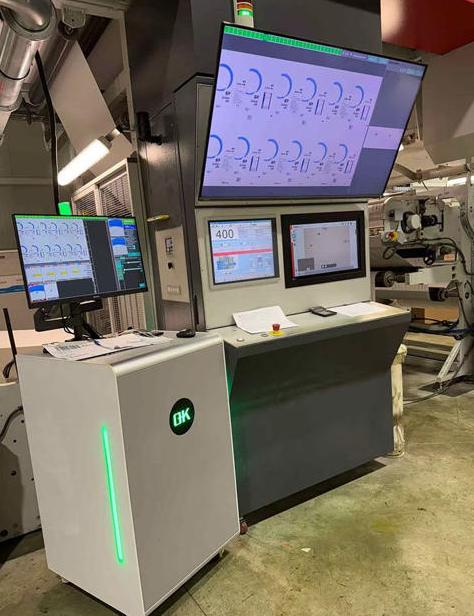
5. Artificial Intelligence (AI) and Machine Learning
Printing inspection systems are undergoing a massive changeover due to an adaptation of AI and ML technologies to detect defects with more precision and efficiency. The print inspection system guided by artificial intelligence works by utilizing modern algorithms to read the images and data from cameras, OCR, and other sensors. learning with each inspection and learning new defects to improve detection capabilities over time.
This is where machine learning comes into practice, where it can spot the anomaly and predict potential problems even before they arise. With artificial intelligence, for example, those problems that may reoccur-the same design/common printing technique-can be identified and the root cause addressed to improve the manufacturing process. Thanks to AI, the day is not too far when completely eliminating errors from packaging is possible, while providing much-needed predictive and automated assistance in overall quality control.
6. In-line Inspection Systems
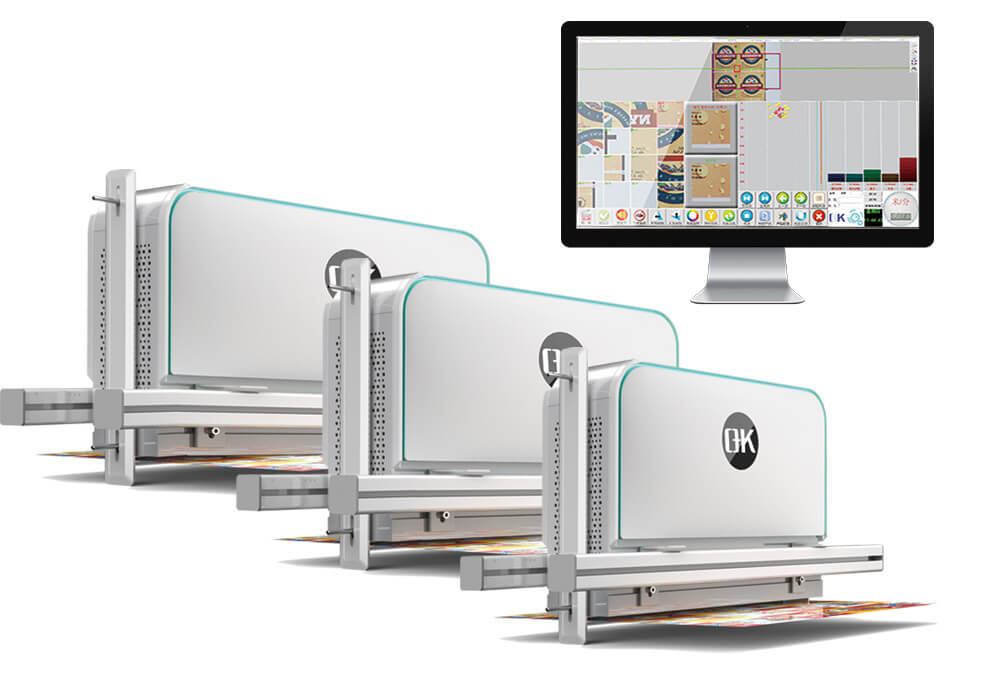
The purpose of the 100% printing inspection system is to strike a balance between printing quality and speed. Components, such as holograms, embossing, or metallographic foils in specific colors, are incorporated into the manufacturing process that gives the finished product its unique identity. High-quality print inspection devices are designed to monitor and inspect these extra dimensions.
The key requirement for the inspection of these printing enhancements is for their specific characteristics to be pre-programmed or set using a drawing package. The inspection systems count on this database to check for the correct position and appearance of the feature on the print during production.
7. 3D and Multi-Dimensional Inspection
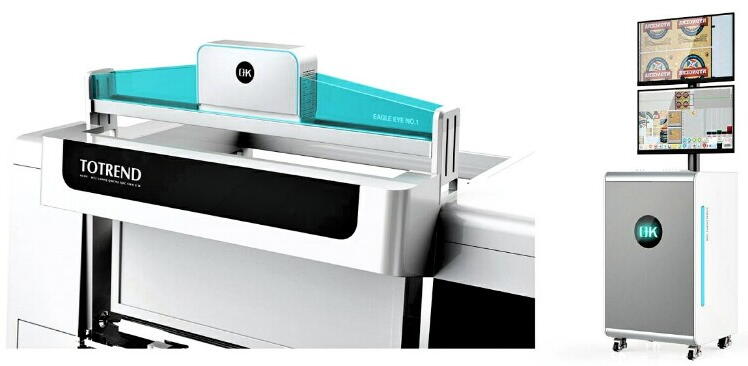
Whilst traditional print inspection remains restricted to 2D imaging, gradually advanced print inspection systems, coupled with 3D and multi-dimensional inspection capabilities, are becoming more applicable. For example, such systems use various technologies such as lasers and 3D cameras to analyze the physical structure of a printed package and can find issues related to improper folding, wrinkles, or dimensional difference.
A print inspection system for label, that is based on imaging system, can also be configured to inspect labels and packaging in cases of products having complex shapes, or labels attached to flexible materials that normal 2D inspection techniques cannot handle. This technology ensures that packaging errors– misaligned or misplaced labels, for instance–are identified early during the production process, thereby enhancing the quality of the entire packaging system.”
8. Data Analytics and Predictive Maintenance
To gain insights into print and the production processes, a rich set of data is under integration in automated web inspection systems for printing quality. This data are collected through various inspection technologies like cameras, OCR (Optical Character Recognition), and spectrophotometers, carrying with them to the forefront valuable analysis on defect trend and pattern identification throughout the lines of production. They give an overview of the prevalent types of defects and the root causes so as to leverage corrective actions before they become a nuisance to the operation.
Also, predictive maintenance for modern printing inspection systems is a very imperative feature. Lots of data studies are child propagation carried out to predict at what time in the future a component, be it a print head or camera, is liable to fail or degrade. With this, maintenance can be conducted before the actual breakdown, preventing downtimes and eliminating any holdups in production.
Challenges and Potential Solutions in Print Inspection for Packaging
This chart offers common challenges in print inspection for packaging and provides potential solutions to address these issues.
| Challenge | Description | Potential Solution |
| Complex Packaging Designs | Intricate graphics, small fonts, and transparent elements make inspection more difficult. | Utilize advanced high-resolution cameras and specialized algorithms for detecting small details and transparent areas. |
| High-Speed Production Lines | Fast-paced production makes it challenging to inspect packaging without slowing down the process. | Implement inline full-surface printing inspection systems with real-time feedback to detect errors instantly without slowing production speed. |
| False Positives/Negatives | Detection systems may incorrectly identify non-defective packaging as faulty (false positives) or fail to detect actual defects (false negatives). | Fine-tune inspection algorithms and leverage machine learning to improve accuracy and adapt to changing conditions. |
| Color Variations | Ensuring accurate color matching across different batches or printers can be difficult. | Use spectrophotometry for precise color measurement and automatic adjustments to maintain consistent color quality. |
| Barcodes/QR Code Legibility | Misprinted or poorly aligned barcodes/QR codes can cause issues at retail or in logistics. | Integrate barcode and QR code verification systems to ensure proper size, alignment, and readability. |
| Limited Inspection for 3D Packaging | Complex shapes or flexible packaging materials may not be easily inspected by traditional 2D systems. | Implement 3D inspection technologies and multi-dimensional sensors for more accurate assessments of packaging shape and form. |
| Variability in Printing Technology | Different printing methods (e.g., flexographic, offset) may require different inspection approaches. | Adapt packaging inspection systems with versatile capabilities to handle different print technologies and substrates. |
| Inconsistent Print Quality | Over time, print quality may degrade due to worn-out printing equipment or ink inconsistencies. | Use predictive maintenance tools integrated with data analytics to monitor print quality and schedule preventive maintenance. |
| Cost of Advanced Systems | High upfront costs of sophisticated print inspection systems can be a barrier for smaller manufacturers. | Opt for modular or scalable print inspection solutions that can be implemented progressively, starting with essential features. |
Summary
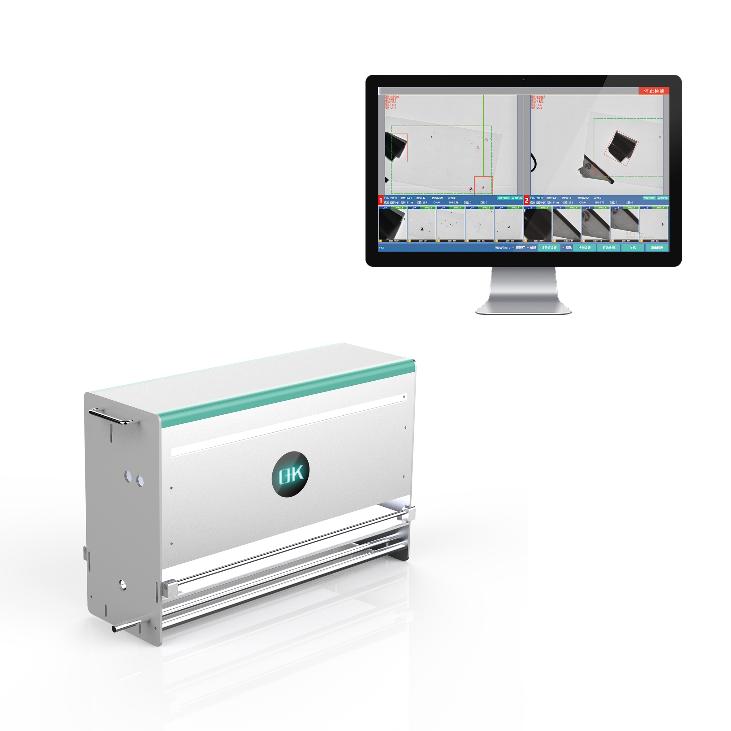
Print inspection is an integral safeguard against packaging errors, product integrity, and ensuring plant production efficiency; factors that require careful vigilance for detection at an early stage of production, and hence cannot go undetected. Minus the advanced technology, a less efficient facility would mar the company in terms of possible waste, solutions with extra expenses, and loss of corporate reputation. In the fields where accuracy is of the utmost importance, printing inspection systems lies squarely on the packaging, ensuring that products conform to the highest standards of layout, quality, and compliance and that no room is left for complacent processing.