
Print Inspection Solutions for Digital vs. Flexographic Printing
Image quality and consistency are indeed a big consideration in modern-day print production. Manufacturers use print inspection systems to make sure that they are getting defect-free output, reduced waste, and a constant brand name whether they are making short-run custom labels or long-run packaging reels. Since digital printing and flexographic(flexo) printing present different challenges, the print inspection solutions have to be tailored to the unique characteristics of each technology.
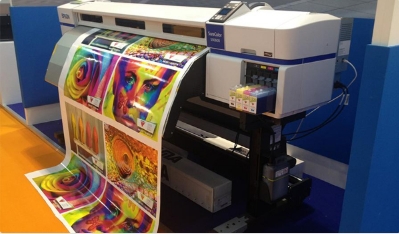
Table of Contents
Overview of Digital and Flexographic Printing
Digital printing is based fundamentally on data. Images are not exposed on physical plates; rather, they get transferred directly onto the substrates from a digital file through an inkjet or toner-based system. This technology supports fast changeovers, short runs, and output that are highly personalized, such as serialization, individuated packaging, and variable data printing.
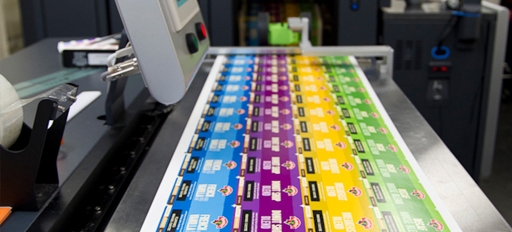
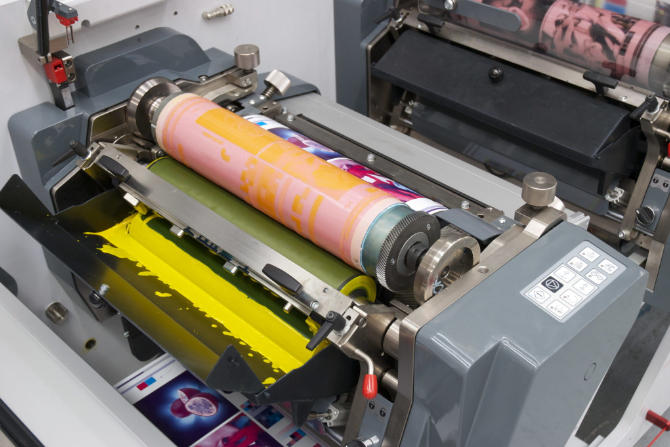
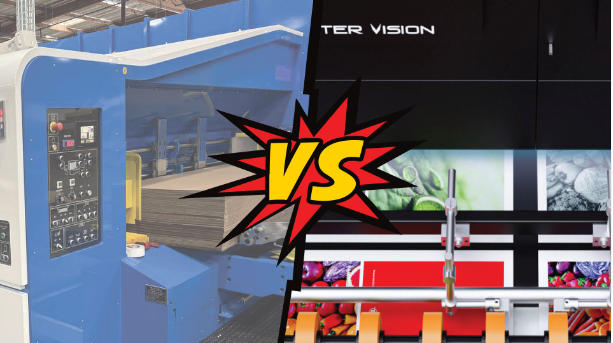
Flexographic printing, or flexo, uses flexible relief plates that transfer ink onto substrates in fast roll-to-roll processes. Indeed they will be found in the bulk output of flexible packaging, corrugated goods, and folding cartons – one of the advantages of their fastness and economy for long runs of pressure-sensitive labels, comes in the variables established in the mechanical structure compared to digital printing.
Inspection Challenges in Digital and Flexographic Printing
| Inspection Challenge | Digital Printing | Flexographic Printing | Impact on Inspection Strategy |
| Print Variability | High variability due to frequent job changes and variable data printing | Low variability with long, repetitive production runs | Digital requires adaptive, data-aware inspection; flexo relies on stable template comparison |
| Defect Types | Missing dots, banding, streaking, printhead misfires | Plate wear, ink smearing, ghosting, anilox contamination | Inspection systems must be optimized for technology-specific defect patterns |
| Registration Issues | Software-driven alignment errors between printheads | Mechanical misregistration caused by tension, gear, or cylinder drift | Flexo often requires real-time mechanical feedback integration |
| Color Consistency | Profile shifts between substrates or jobs | Ink viscosity changes and density fluctuation during long runs | Different color monitoring methods and calibration approaches are needed |
| Production Speed | Moderate to high, depending on configuration | Very high-speed continuous web production | Flexo demands ultra-fast continuous image processing stability |
| Variable Data Verification | Critical (barcodes, QR codes, serialization, OCR) | Limited in most long-run jobs, but increasing in regulated sectors | Digital print inspection must verify both image quality and content accuracy |
| Reference Image Management | Frequent changes; dynamic reference generation required | Stable reference image used for long periods | Digital systems need flexible setup; flexo systems emphasize repeat consistency |
| Substrate Handling | Wide range of materials, frequent switching | Continuous web with tension-related stretch or shrinkage | Flexo printing inspection system for label quality must account for web movement and distortion |
| Environmental Sensitivity | Affected by printhead temperature and electronic calibration | Affected by humidity, ink chemistry, and mechanical wear | Inspection systems must adapt to different sources of variation |
| False Positives Risk | Higher due to frequent design changes and variable content | Lower if run is stable, but gradual drift may be overlooked | Digital inspection relies heavily on AI filtering; flexo focuses on trend detection |
| Waste Accumulation Risk | Batch-level waste in short customized runs | Large-volume waste if defects go undetected at high speed | Early detection is critical in both, but flexo risks higher material loss |
| Integration Complexity | Requires integration with digital front-end and databases | Requires integration with mechanical press controls | Inspection architecture must align with production workflow structure |
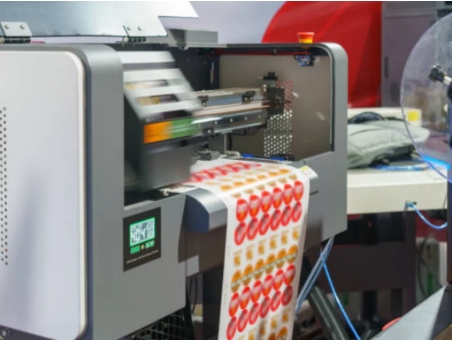
Comparing Print Inspection Technologies Used in Digital vs. Flexographic Printing
1. Imaging Systems
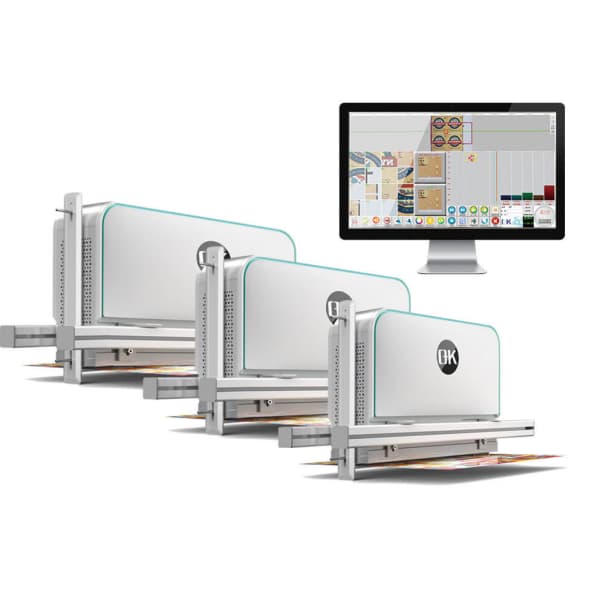
One of the most basic inspection units is the camera system. In flexographic printing, line-scan cameras are used, with line-scan cameras capturing continuous streams of image data and then reconstituting an image as the substrate passed through the press. The speed at which flexo presses are operated in web-to-web configurations tends to create the uninterrupted clear monitoring: the line-scan system is best suited to the high resolution of the image with no distortion due to motion.
Line-scan systems could be utilized for digital printers, especially those that feed web materials; but sheet-fed or segmented digital products normally employ area-scan cameras. These full-frame capturing systems take one exposure for a full-frame image and simplify inspection on an individual sheet, label, or variable print section. The decision usually rests with the press configuration and production speed rather than with the printing technology alone, with flexographic environments typically demanding more of a continuous high-speed line imaging.
2. Defect Detection Methods
Being template-based, inspections in flexographic printing are generally beneficial. Given the long production runs and usually constant designs, the 100% full-surface printing inspection system compares each printed repeat against a stored “golden image.” If the deviation exceeds predetermined tolerances, then an alarm is sounded. This defect detection method is best for spotting misregistration, ink smears, streaking, or damage to plates in stable, repetitive print jobs.
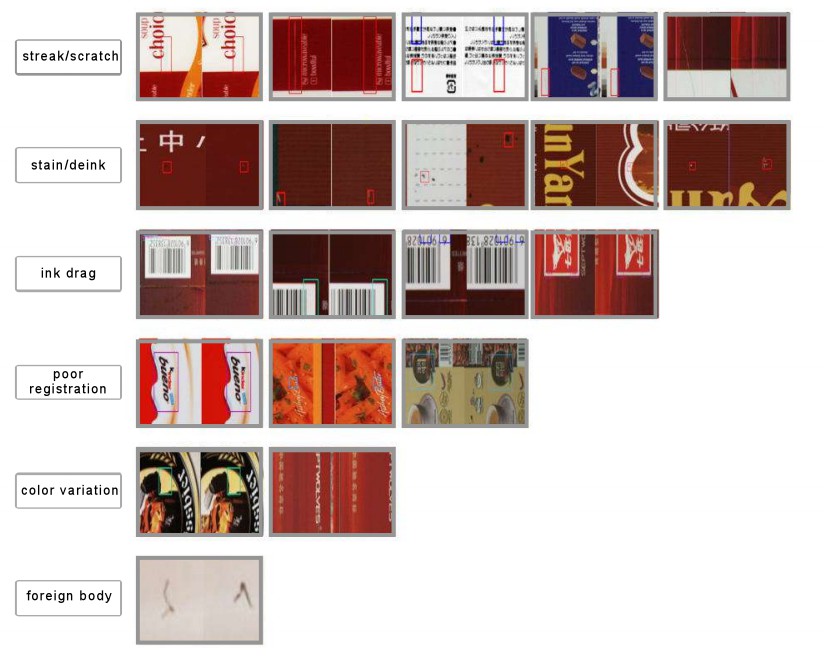
Digital printing, especially single-channel applications, which are connected to variable data, does require algorithms that are more adaptive. In those cases some of the printed materials will have one-of-a-kind text, bar-codes, or even graphical content, presenting cases whereby it is not practical to do direct template comparison. Rather, digital 100% inspection systems would better employ intelligent pattern recognition systems or live comparator systems or subject it to rule-based verification. These could be set to verify specific content fields individually, maintaining both image consistency and data accuracy. Artificial intelligence and machine learning have made their way in, as subject for minimizing the risk of false positives and changing to adapt to frequent alterations in the jobs.
3. Color Measurement and Spectral Analysis
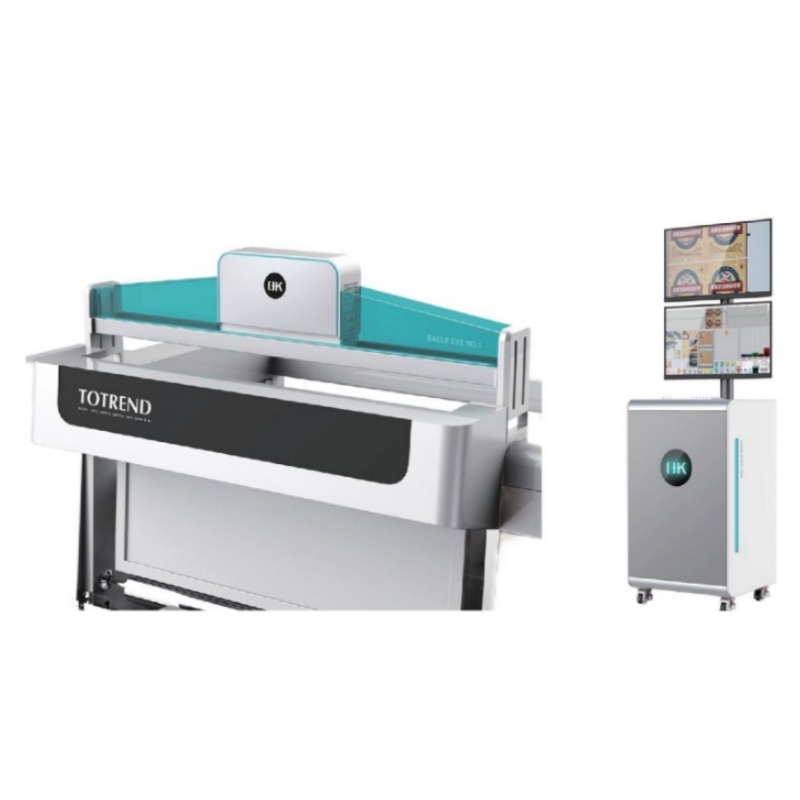
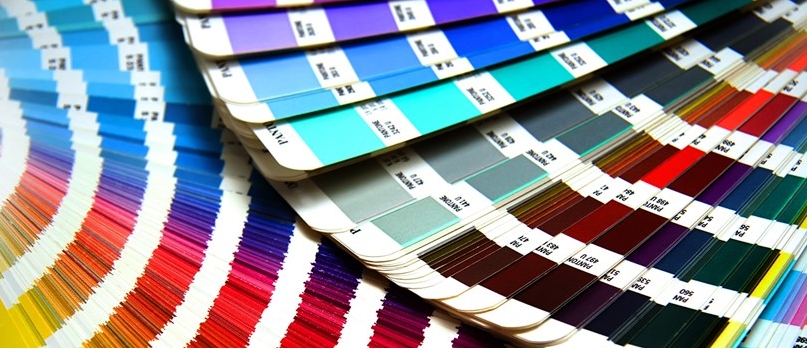
While the importance of same-coloration patterns both in digital and flexo print technologies is imperative, variations in the sources spill various factors shading off a little bit. For instance, in flexo printing, the heterogeneity of ink viscosity, wear-off of anilox cylinders, and environmental factors tend to distort the color density gradually. These systems inspect while utilizing inline codes of color measurement modules that constantly measure the color values and compare them against the predetermined standards. Some high-grade systems, however, would link directly with ink control systems and close the loop to correct the deviations in the color.
In the context of digital printing, the factors that produce variability in the color might have something to do with the calibration of printheads, different substrates, or software-generated profiles. Spectral imaging and densitometry are the hardware tools to enhance the accuracy of the brand colors by overcoming any substrate changes or a change in any small-scale production runs. Digital systems focus more on the foundation and consistency of color illustration across jobs right rather than alleviating small amounts of graduated mechanical drift associated with flexo.
4. Registration and Web Monitoring Technologies
Flexographic printing relies heavily on mechanical stability as a cornerstone of registration. Disturbances in the substrate tension and in the alignment of the interface cylinder may cause displacement of the images with time. The printed register control enhances the examination of flexo units by analyzing the print registration and continuously measures the alignment. As it does so, registration monitoring complements the technology of the press inspection. Such systems may regulate the plate cylinder axis independently of the servomotors, should the need arise.
Registration control is also necessary with digital printing, particularly in the case of the multicolour or multigeneration systems. But due to the lack of a physical register mechanism such as plate and gear synchronization, registration error correction in digital machines is more frequently accomplished through software controls. Verification procedures in this environment tend to concentrate on the area of issues and correction of misalignment rather than mechanical longitudinal corrections.
5. Variable Data Verification and Code Inspection
Variable data verification is a technological primary focus to recognize digitally printed labels typically having marks coming off through high-speed serialization, QR code generation, and personalized text content. Grading a code, reading possibilities of OCR, quality control, database consistency, and data bank weaknesses are a few of the functional roles necessary in searching for algorithms that will ensure the code being read is in the correct format and corresponds to the production databases.
With a small-literally number of exceptions, flexographic printing is carried out in low-quantity lithography on a substrate. Therefore, serialized application concerns may exist, but the principal anchor for packaging remains in the process of attaining what is referred to as print consistency and conformity with regard to print. Additionally, advanced database checking tools come to be pertinent elements in the digital inspection platform approach.
6. Processing Speed and Data Handling Capabilities
Continuous systems, like flexographic presses, usually surpass high printing speeds and it is impossible for inspection systems to use slower hardware with their limited real-time computing capabilities. Latency-free handling of continuous image streams at high resolutions has got to qualify as the single biggest challenge in this field. Certainly, reliability and stability under conditions of endorsements are mandatory.
A digital web vision inspection system may well run with lower mechanical speeds but is bound to process challenging and variable data sets due to multiple job changes and different content. The main advantage is, therefore, the flexibility of their computer-based design, and throughput per se substantially falls by the wayside. Anticipating adaptation to a brand-new system design usually needs instant calibration between systems and AI software.
7. Integration and Workflow Connectivity
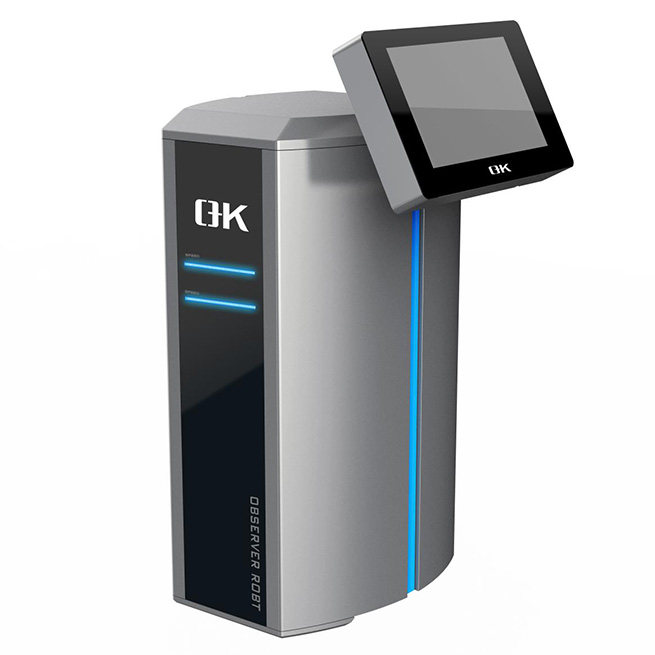
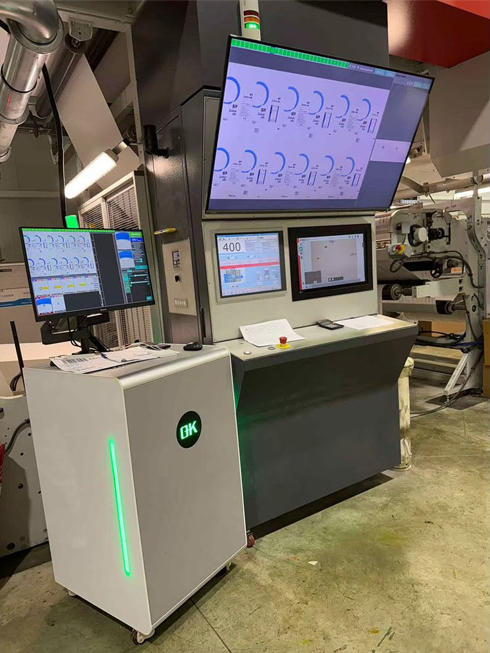
The world of digital and flexo printing inspection is becoming more and more integrated with the larger production ecosystem. In flexo environments, the inspection units are often connected directly to press systems so that in many applications, the system can work without manual intervention largely and thus cut the waste. In digital workflows, inspection systems mostly link with the prepress software, all software programs, and the system that drives finishing mechanisms, providing verification from the moment a file is prepared until the last bite of the job.
A solution cloud and centralized analytics platforms are emerging from all the critical issues in the sectors easing referrals, multi-site standardization, and long-term performance analysis.
The Future of Print Inspection Technologies for Digital and Flexographic Printing
| Emerging Trend | Technology Involved | How It Will Transform Inspection | Impact on Digital Printing | Impact on Flexographic Printing |
| Artificial Intelligence & Deep Learning | Neural networks, self-learning defect classification | Reduces false positives and improves defect recognition accuracy | Enhances variable data verification and adaptive inspection for short runs | Improves detection of subtle, progressive mechanical defects over long runs |
| Real-Time Closed-Loop Automation | Integration with press control systems and servo motors | Enables automatic correction without operator intervention | Optimizes printhead calibration and alignment dynamically | Automatically adjusts registration, ink density, and tension at high speeds |
| Hyperspectral and Advanced Color Imaging | Spectral sensors and multi-wavelength cameras | Provides precise color and material analysis beyond RGB detection | Ensures consistent brand color across substrates and job changes | Detects ink inconsistencies and coating variations in continuous production |
| Cloud-Based Quality Monitoring | IoT connectivity and centralized data platforms | Allows remote monitoring and multi-site quality standardization | Supports distributed digital production with centralized oversight | Enables enterprise-level benchmarking across multiple flexo presses |
| Predictive Maintenance Analytics | Big data analysis and machine condition monitoring | Identifies patterns that predict component failure before defects occur | Anticipates printhead maintenance needs | Detects early signs of plate wear, anilox degradation, or tension instability |
| High-Speed Edge Computing | On-device processing with advanced GPUs | Handles massive image data streams with minimal latency | Supports rapid job switching and complex data validation | Maintains stable inspection at ultra-high web speeds |
| 3D and Surface Topography Inspection | Structured light and laser profiling | Detects embossing, coating thickness, and surface defects | Verifies specialty finishes and tactile printing effects | Monitors coating uniformity and surface irregularities in packaging |
| Enhanced Traceability and Blockchain Integration | Secure data logging and verification systems | Strengthens compliance and anti-counterfeiting measures | Protects serialized and security-printed products | Ensures packaging authenticity and supply chain transparency |
| Autonomous Quality Control Systems | Fully integrated AI-driven inspection platforms | Moves from defect detection to self-optimizing production | Enables adaptive, self-calibrating digital workflows | Creates intelligent flexo lines capable of continuous performance optimization |
Final Thoughts
Print inspection solutions are essential for maintaining quality, efficiency, and brand integrity in both digital and flexographic printing. While digital printing demands variably data printable inspection systems with capability to address print-head-related defects, the flexographic systems demand high-speed, integrated print inspection systems in terms of mechanized process controls.
Understanding the unique characteristics of digital and flexographic printing thereby allows manufacturers to implement printing inspection strategies that will not only detect defects but also optimize production performance. For the printing industry where precision and reliability are a matter of competitiveness, the right 100% printing inspection investment is a strategy behind long-term success.