
How to Detect Defects on Reflective Packaging Films in High-Speed Production?
Reflective films are always harder to examine than regular substrates. Most of the printing professionals recognize this fact from the very beginning of the process.
Defects such as unprinted areas, streaks, contamination, or other flaws are always visible on paper or matte films. But when the substrate changes to metallized PET, BOPP film, or aluminum-laminated material, it becomes more complicated to examine.
The cause of that is reflection.
Reflections under illumination from inspection lights fail to produce a uniform light reflection. They result in glare, hotspots, and brightness instabilities on the web surface. If the speed is low, operators may be able to detect any defects. However, with speeds beyond 200 m/min, small defects may get hidden in these reflections.
This is why many converters only discover defects during rewinding, which is why many manufacturers now use a Print Inspection System for real-time inline defect monitoring.
For the purpose of inspecting reflective packaging films at high-speed, there is much more to it than capturing images. It is about controlling light behavior, maintaining stable web conditions, and improving defect sensitivity.
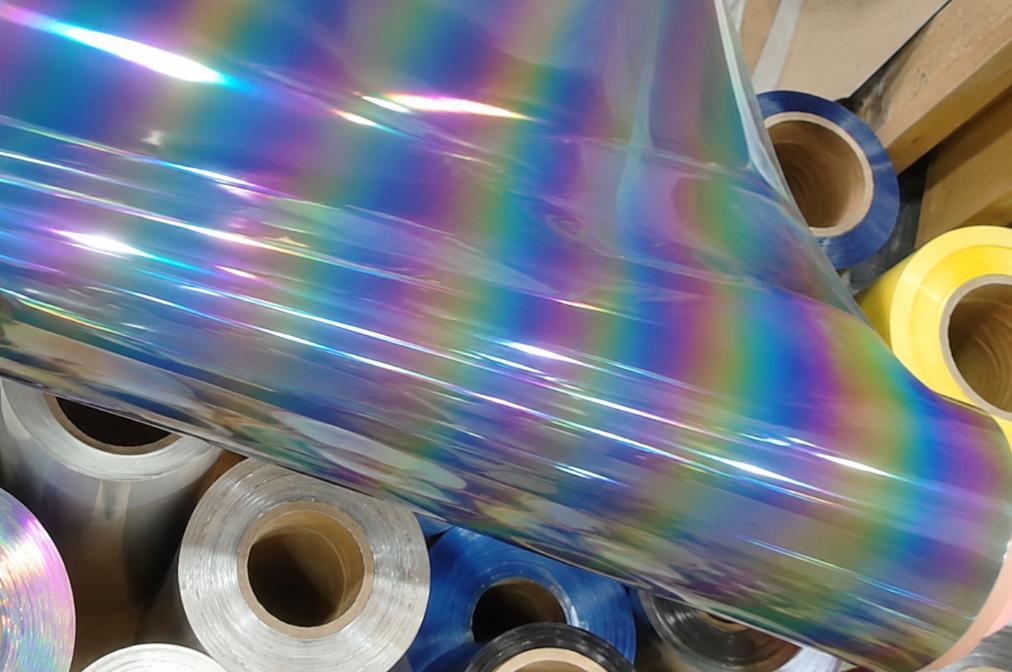
Table of Contents
Why Reflective Packaging Films Are Difficult to Inspect
The challenge is not only the material itself, but how it behaves during production.
Let’s look at metallized film. Since it runs through rollers, the angle of reflection will constantly change due to web tension, rollers’ vibration, and substrate stretching. Although the print pattern stays the same, reflections may vary. For the camera, it means unstable images.
And this results in three main issues:
- Low-contrast anomalies blend with the reflective background
- Tiny print elements become over-exposed on metallic zones
- Scratches on the surface turn into false anomalies due to a specific lighting angle
It’s typical for snack packaging, pharmaceutical foil packaging, and cosmetic pouches where reflective materials are frequently used. The higher the glossiness of the surface, the more challenging the process of stable inspection becomes.
Common Defects Found on Reflective Packaging Films
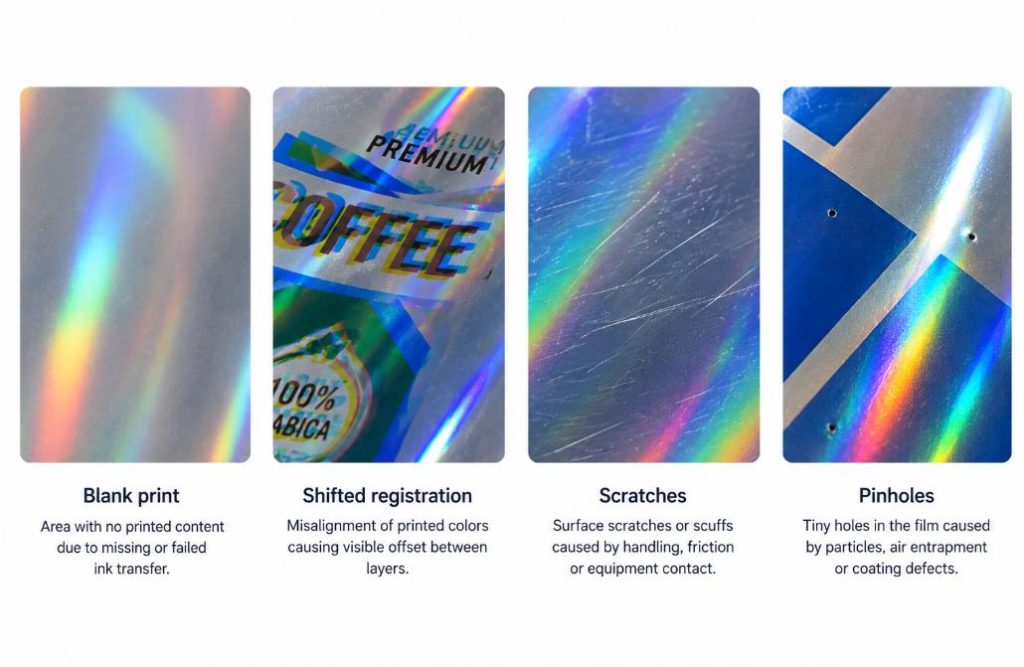
In real production, the reflective films may have both print defects and material defects.
They include:
- Blank print: It is among the most costly defects since it will affect the logo, dates, or barcode. For silver backgrounds, small blank dots can easily become invisible against the metallic surface.
- Shifted registration: With gravure and flexographic printing, registration shifting can be easily noticed because of the metallic layer that increases the contrast even with minor shifting.
- Scratches: Scratches may occur in guide rollers, dusting, and poor web handling after printing. The defect does not necessarily have anything to do with structure; it affects visual appearance. In premium packaging, it results in product rejection.
- Pinholes: Pinholes in the metallized layer affect the barrier properties of the film. The problem is mostly relevant for coffee packaging and pharmaceutical applications. They are hard to detect during high-speed production.
Read more: How to Achieve Zero Defects in Printing Inspection
Why Operators Miss These Defects

The majority of plants use visual inspection conducted by operators. It works well for large defects, but is ineffective for small or repeating defects. There are two main reasons for that.
First, reflective glare leads to visual fatigue very quickly. After some time, the operator’s ability to judge becomes less reliable. The other reason is the high speed of the production line.
For example, at the speed of 250 m/min, the 3 mm defect passes the inspection area in less than a fraction of a second. It is too quick for manual inspection.
That is the reason why operators miss:
- light streaks
- contamination
- weak missing print
- Doctor Blade lines
Those are exactly the defects that customers complain about later.
What Makes Reflective Film Inspection More Stable
There are three major elements to detect reflective film defects in a stable manner.
- Lighting Control
Lighting plays an extremely crucial role. In the case of reflective films, too much light leads to higher amounts of glare. Stable contrast is required instead of bright lights.
Most setups employ diffuse LED lighting, low-angle lighting, or polarized lighting techniques.
- Line scan imaging
For web material that is moving, line scan cameras work a lot better than area cameras. They take the picture line by line, increasing stability at high speeds.
They make it easier to find thin defects such as streaks, scratches, and register shifts.
- Intelligent defect filtering
There are a lot of false positives when you have reflective material. Current technology uses computer software to look at the shape, location, and contrast of the defect.
This reduces false positives.
How a Print Inspection System Reduces Waste
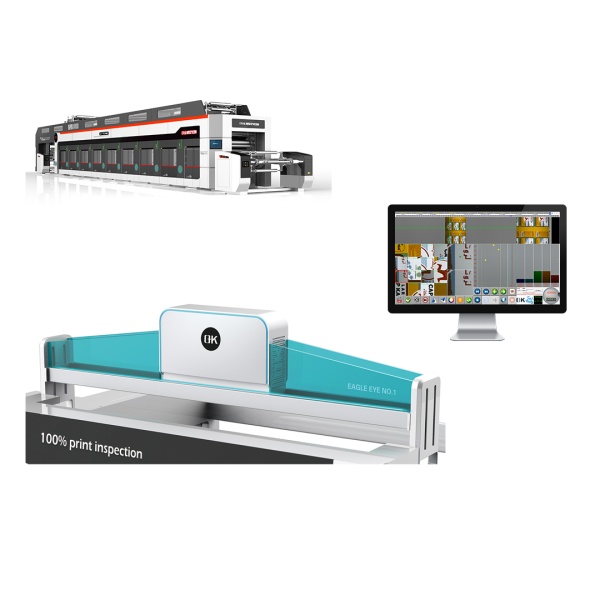
The new generation Print Inspection System revolutionizes the traditional approach to quality control. Rather than sampling the roll after every few hundred meters of printing, the whole roll is inspected continuously.
If the streak appears due to a malfunctioning doctor blade, it will be detected immediately.
If registration shifts, it is recorded in time before a lot of waste is produced.
As for reflective packaging printing, this means less:
- waste at startup
- rolls rejected
- complaints from customers
- rewind inspection time
This is where, in many flexible packaging lines, the highest ROI is achieved.
Read more: Why Flexible Packaging Printers are Switching to 100% Real-time Inspection in 2026?
Final Thought
While reflective films give a luxurious feel, they can be one of the most challenging materials to inspect in printing operations.
Defects are small enough to blend in, reflections are ever-changing, and manual inspections become increasingly unreliable at higher speeds.
The objective is not just defect detection but creating a robust inspection process capable of adapting to varied lighting conditions and other production hurdles.
Reliable inspection of reflective packaging films is becoming increasingly critical for converters operating reflective films or foil-based packaging materials.