
How to Reduce False Rejects in Print Inspection
Quality print inspection systems ensure that every printed product meets the required standards. However, one of the persistent challenges in these automated web inspection systems during printing process is the occurrence of false rejects, when acceptable prints are incorrectly flagged as defective. False rejects waste materials, slow production, and raise operational costs. Reducing them requires a balanced approach between sensitivity, accuracy, and intelligent data analysis.

Table of Contents
Why False Rejects are Critical Problems in Print Inspection
1. Increased Production Costs and Waste
Every false reject represents unnecessary material loss. When good prints are mistakenly discarded, resources in the form of ink, paper, and energy are wasted. These losses add up over time and directly affect production costs. In high-volume printing environments, even a small false reject rate can translate to significant monetary losses. In addition, reprinting the rejected materials takes time and resources, further diminishing production efficiency.
2. Reduced Production Efficiency
False rejects may interrupt production. Whenever a batch gets flagged, operators must stop the line to check, confirm, and possibly recalibrate the settings. Such interruptions not only slow down the printing but may also cause scheduling setbacks. Disproportionately sensitive inspection systems also tend to require operators to spend excessive time on excessive result verification, pulling their focus from other critical production activities.
3. Misleading Quality Performance Data
Automated print inspection systems display quality trend and production stability data. However, unreliable data gets generated with frequent false rejects. A high false reject percentage may feign a quality drop, which may drive pointless adjustments and maintenance interventions. Such actions not only consume time, but also process variability is introduced when operators make unnecessary changes to press settings or color calibration.
4. Negative Impact on Customer Satisfaction
The primary impact of false rejects occurs during internal quality checks, yet the consequences may still reach customers. Production delays due to excessive false rejects may lead to deadlines being missed or costs being increased for customers. Furthermore, false rejects may lead to confusion during batch tracking or sorting, which increases the likelihood of shipping mistakes or inconsistent quality graduation of the product. All of these have a negative impact on the printer’s reputation and, by extension, the trust of the customers.
5. Increased Operator Workload and Fatigue
Verifying and managing inspections results is an integral part of the operators’ work. When false rejects are regular, operators have to recheck output and inspection parameters over and over and resolve unnecessary troubleshooting. This is not only exhausting, which may result in human error and a drop in morale, but it may also cause long-term labor allocation inefficiencies. Moreover, the risk of real defects being missed increases at the same time.
6. Strain on Inspection System Performance
High levels of false rejects will create negative impacts on the performance and trustworthiness of the inspection system. Over time, the continuous reprocessing of valid prints will push the system’s data handling limits and slow down overall system performance. Additionally, frequent operator manual overrides may minimize the potential for machine learning systems to improve defect detection autonomously over time.
The Causes of False Rejects in Print Inspection
This chart helps identify the most common sources of false rejects and highlights where process adjustments or maintenance can significantly improve the reliability of printing inspection.
| Cause | Description | Impact on Inspection Accuracy |
| Overly Sensitive Threshold Settings | When the inspection system is configured with excessively tight tolerances, even acceptable variations in color, registration, or density may be flagged as defects. | Leads to frequent false alarms and unnecessary product rejections. |
| Lighting Inconsistencies | Uneven or fluctuating illumination across the inspection area can cause misinterpretation of colors or shadows as defects. | Creates unreliable image capture and false defect identification. |
| Poor Reference Image Setup | If the “golden sample” used for comparison is not properly defined or captured under consistent conditions, acceptable prints may appear defective. | Increases false reject rates due to inaccurate comparison standards. |
| Material or Substrate Variability | Variations in gloss, texture, or transparency of printing materials can confuse image analysis algorithms. | Causes the system to misinterpret normal material characteristics as flaws. |
| Camera or Sensor Misalignment | Improper alignment or focus of the vision system can distort images, making good prints appear defective. | Reduces accuracy and stability of defect detection. |
| Environmental Factors | Changes in temperature, humidity, or vibration can affect both print appearance and sensor performance. | Causes inconsistent inspection outcomes and fluctuating reject rates. |
| Software or Algorithm Limitations | Traditional rule-based inspection algorithms may fail to distinguish between real defects and acceptable variations. | Results in misclassification and excessive false positives. |
| Dirty or Obstructed Optics | Dust, ink mist, or residue on lenses and sensors can distort captured images. | Generates false defect signals and reduces overall reliability. |
| Improper System Calibration | Lack of regular calibration causes misalignment in color balance, brightness, and sensitivity settings. | Leads to inconsistent inspection precision across production runs. |
| Operator Error | Inadequate training or improper parameter adjustment by operators may compromise system performance. | Increases likelihood of human-induced false rejects. |
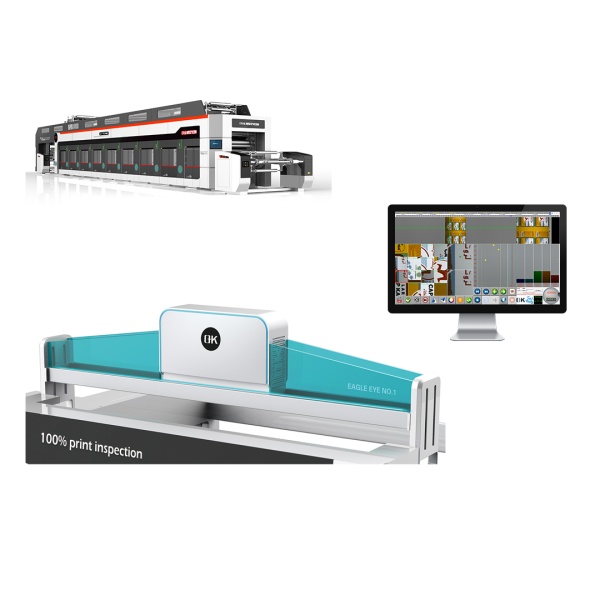
Key Strategies for Reducing False Rejects in Print Inspection
Print inspection can only be reliable and efficient if manufacturers implement strategies that achieve a balance between and sensitivity and accuracy.
1. Optimize System Calibration and Sensitivity Settings
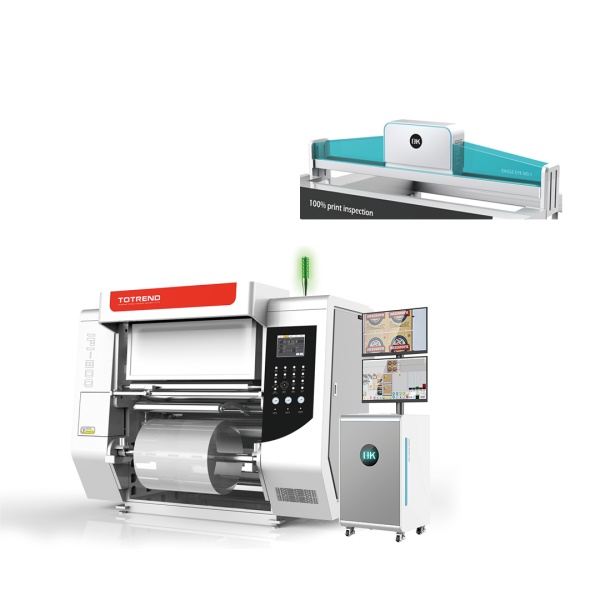
Effective 100% print inspection systems begin with calibrated systems. Cameras and sensors that are poorly calibrated run the risk of failing to detect true and acceptable variations. Regular calibrations can allow systems to achieve and maintain consistent lighting balance, focus, and color. Each application and material used in printing has unique factors that require adjustments of sensitivity thresholds. False positives are a result of calibrating too tightly, while overregulation of the thresholds will allow systems to differentiate between true acceptable variations and real defects.
2. Use High-Quality and Stable Lighting Conditions
Consistent and stable lighting has a profound effect in image based inspection. Variations in brightness, gloss surfaces, and reflections may affect the sensor’s image capture and create what is referred to as false defect detection. Strategically uniform lighting and the use of flicker free LED lighting with diffusion helps to reduce detection stability. Controlling the inspection environment and external light additions helps to improve the quality and consistency of every image taken.
3. Implement Advanced Image Processing and AI Algorithms
Today’s 100% inspection systems for printing quality leverage the power of AI and sophisticated image processing. Through the use of machine learning and other AI techniques, systems can recognize patterns and determine whether print variations are normal or whether they contain real defects. These systems also improve their diagnostic precision through continuous learning from the analyses of multiple data sets. Before analysis, image processing techniques can also help prevent discrepancies by normalizing abnormal differences in brightness, contrast, and texture, thus preventing false rejections triggered by minor inconsistencies in the environment or materials.
4. Ensure Environmental Stability in Production
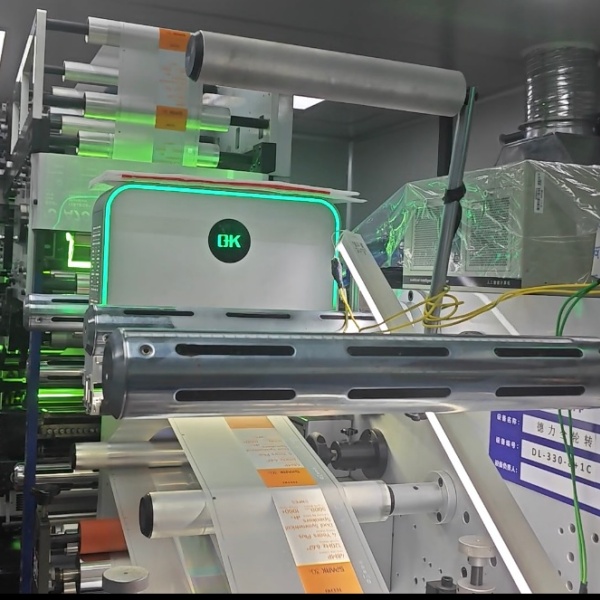
The environment around the inspection system can facilitate or hinder detection accuracy. Variations in temperature, humidity, and vibration can influence the printing and inspection equipment. Therefore, print variability can be minimized, and the consistency in the inspection results will be retained, by keeping these factors constant. Preventative maintenance also helps by eliminating dust, ink mist, and other residues from the cameras, lighting units, and sensors, and thus avoids having these materials interfere with the inspection process.
5. Improve Operator Training and System Understanding
Advanced inspection technologies all the way require well trained personal. Such personnel are able to interpret inspection data accurately, adjust the sensitivity, and know when there are changes and adjustments. Continuous operator training programs fully verify that the inspection teams know the advantages and disadvantages of the system. Also, providing operators user-friendly systems which assist in providing real-time feedback minimizes human induced false rejects and also reduces operator stress.
6. Utilize Feedback Loops and Adaptive Learning
Feedback loops which include the operators and inspection systems promotes the seamless improvement of the systems detection performance. Operators of the system when confirming false rejects, gives feedback that enables the system to be retrained to differentiate true defects and acceptable prints. Adaptive learning systems which develop over periods of time are able to provide accuracy and dependability for the production of items these systems are designed to inspect.
7. Analyze Data Trends and Implement Predictive Adjustments
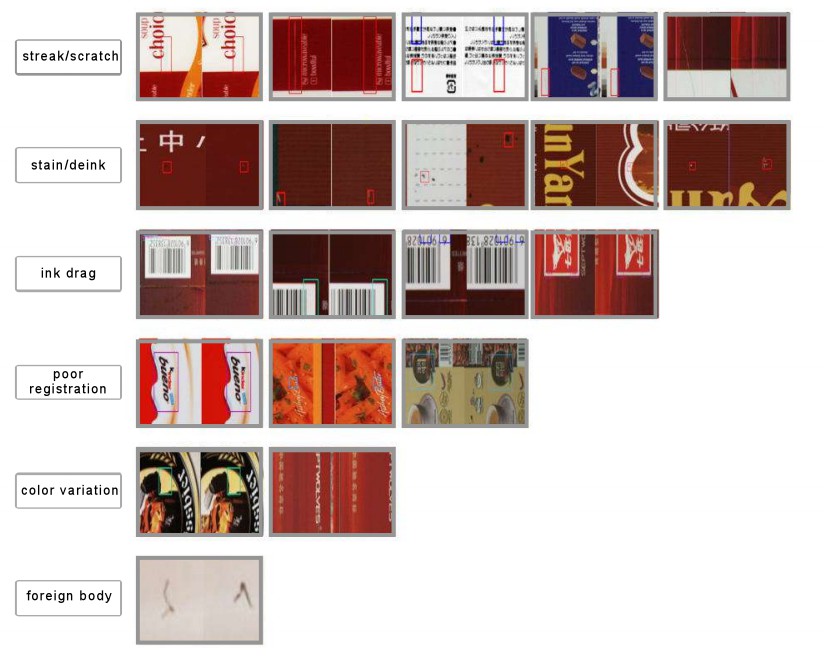
Data generated by inspection systems can identify patterns for false rejects and be used for corrective action. Manufacturers can identify root causes, such as materials, press alignment, and environmental shifts, for corrective actions. Using predictive analytics to identify circumstances likely to result in false rejects will allow steps for root correction before the problem amplifies.
Summary
Reducing false rejects in print inspection is not just about improving inspection technology and It requires a more intelligent and flexible system. AI-calibrated analytics, steady production conditions, and ongoing feedback from operators will result in a printing facility achieving the goal of increased productivity, reduced waste, and uniform printing. Operations become more efficient when print inspection systems provide powerful process optimization feedback, rather than solely functioning as gatekeepers of quality.