
How to Achieve Zero Defects in Printing Inspection
In a highly competitive printing industry, customers really want flawless products, with steady color, right-on registration and zero weird visual issues. Even a small problem, like streaks, missing print, color shifts, or slight misalignment, can turn into customer complaints, wasted material, and yes, higher production costs. So, lots of printing companies are working toward achieving zero defects in printing inspection, using advanced inspection technologies and more tuned-up quality management.
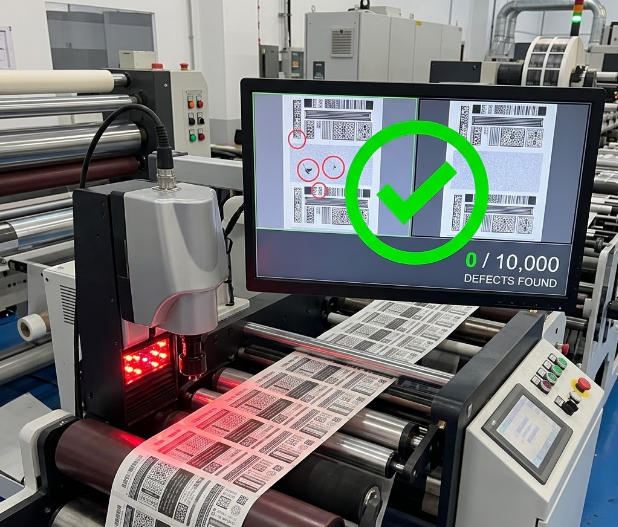
Table of Contents
Understanding Zero-defect Printing Inspection
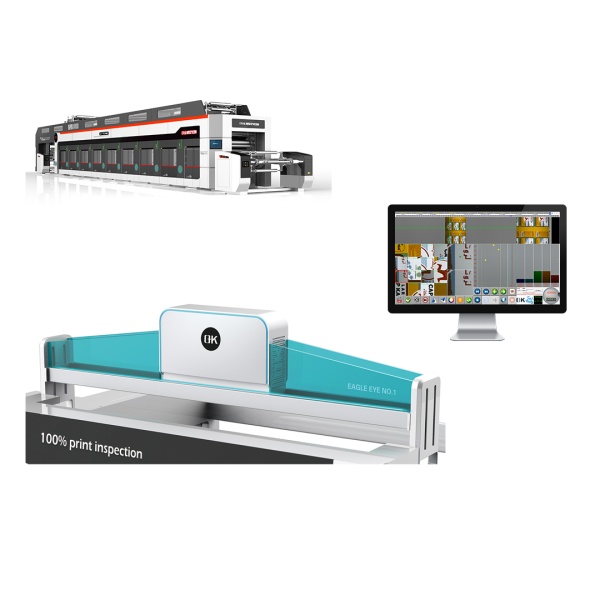
Zero-defect printing inspection is basically a quality assurance approach where every printed piece keeps getting checked and watched, so no broken items slip through to customers. Instead of leaning only on random sampling, these 100% printing inspection systems look at what comes off the line, often in real time. The point isn’t just to spot defects after the fact, it’s also to stop them from happening in the first place and fix any emerging problem immediately, before it grows into big batches of faulty output.
Why Achieving Zero Defects is Important in Printing Inspection
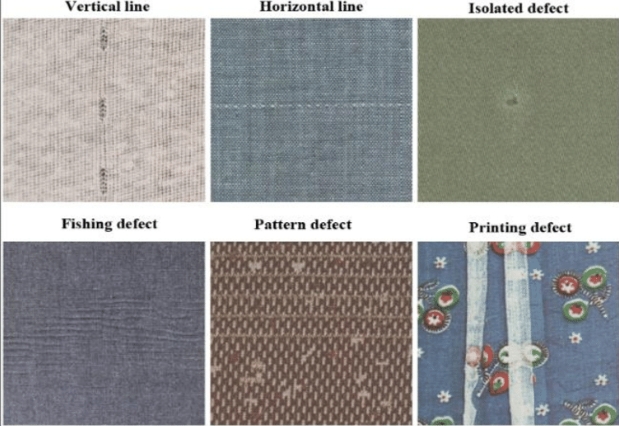
Printing defects can show up for a bunch of reasons, like uneven color, registration errors, streaking, smearing, gaps where ink should be, defects in the substrate, or contamination. If these things aren’t caught fast enough, you can end up producing a lot of defective products before anyone even has time to respond.
Achieving zero defects helps cut down on production loss, and it also strengthens customer trust. When print quality stays consistent, the brand looks more reliable, rework expenses go down, and operations run with fewer slowdowns. In areas such as pharmaceutical packaging, food labeling, and security printing, defect-free output is usually treated as a regulatory and safety need, not just a nice-to-have.
Challenges in Achieving Zero Defects in Printing Inspection
Achieving zero defects in printing inspection is challenging because it requires controlling multiple variables simultaneously.
| Challenge | Description | Impact on Quality |
| Process Variability | Fluctuations in ink viscosity, temperature, humidity, and machine settings affect print consistency. | Can generate recurring defects throughout production runs. |
| Complex Defect Detection | Tiny defects such as pinholes, streaks, registration errors, and color shifts are difficult to identify accurately. | Defects may escape detection and reach customers. |
| Material Inconsistencies | Variations in paper, film, foil, and other substrates can influence print performance. | Increases unpredictability in print quality. |
| High-Speed Production Demands | Modern presses operate at very high speeds, requiring real-time inspection. | Inspection systems may struggle to detect every defect without advanced hardware. |
| False Positives and False Negatives | Inspection systems may incorrectly classify acceptable prints as defective or miss actual defects. | Reduces efficiency and inspection reliability. |
| Equipment Maintenance Requirements | Cameras, lighting systems, sensors, and presses require continuous calibration and maintenance. | Degraded equipment can compromise inspection accuracy. |
| Data Management Complexity | Large volumes of inspection data must be stored, analyzed, and utilized effectively. | Poor data utilization limits process improvement efforts. |
| Operator Skill and Training Gaps | Personnel may lack expertise in interpreting inspection results and resolving quality issues. | Delayed corrective actions can increase defect rates. |
Technologies Enabling Zero Defects in Printing Inspection
1. Implement 100% Inspection Systems
Traditional sampling methods can not really guarantee defect-free production, because defects show up randomly across a print run, and then everyone is surprised. If the goal is zero defects, manufacturers should switch to 100% inspection systems and evaluate every single printed product, no exceptions.
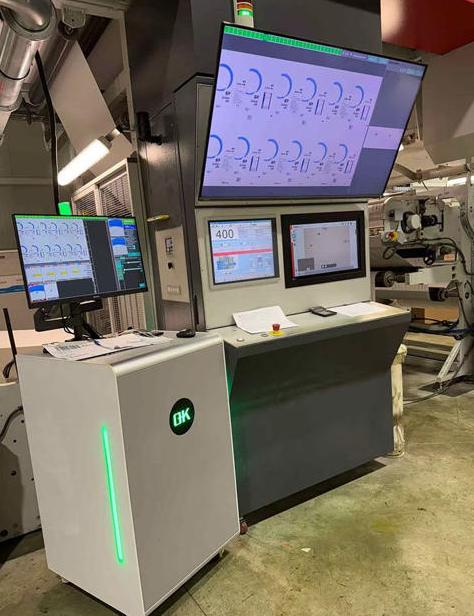
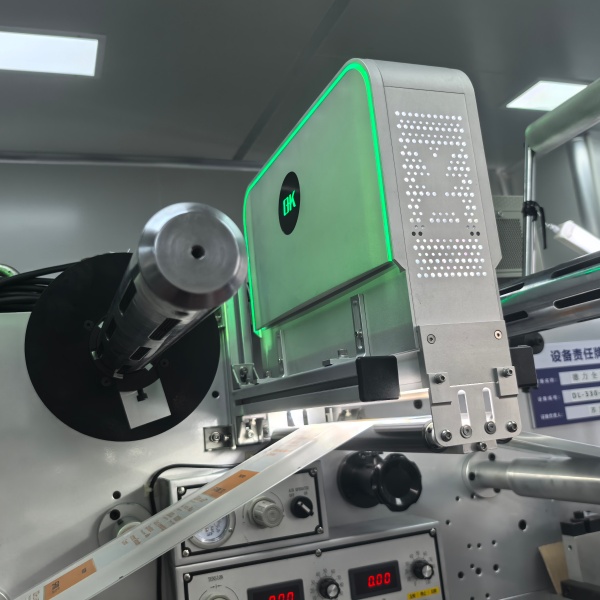
Modern machine vision setups, with high-resolution cameras, can continuously check the printed materials while production is running at full speed. They inspect in real time, and when a defect appears, the system flags it right then, so the defective unit does not go out to customers.
When every item is inspected instead of only a small sample, the quality assurance improves a lot. At the same time the chance of undetected defects decreases, this is a big deal for consistency.
2. Use Advanced Machine Vision Technology
Machine vision technology is the key driver in modern printing inspection. High-resolution cameras capture detailed images of printed products, and later they compare those images with approved reference standards.
Advanced web inspection vision systems are able to spot lots of different defects, like color inconsistencies, a missing print, smudges, streaks, scratches, registration errors, wrinkles, and contamination. With better imaging abilities, manufacturers can even catch tiny defects that could be overlooked in manual inspection, and you know it happens when people are in a hurry.
3. Integrate Artificial Intelligence and Machine Learning
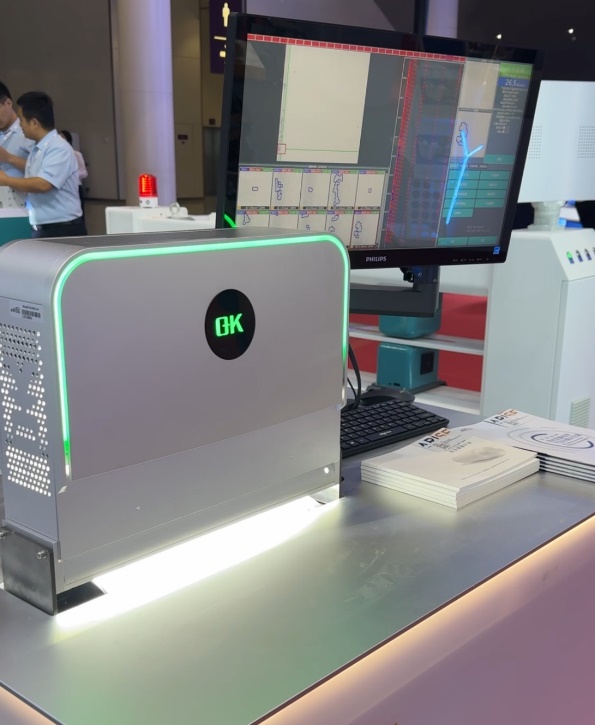
Artificial intelligence helps the inspection systems recognize and group defects with more precision. Traditional, rule-based setups can throw false alarms when normal process fluctuations happen. In contrast, AI-powered quality inspection systems for printing machines can ingest past production data and separate real defects from what is basically acceptable variation.
Machine learning algorithms keep making the inspection outcome better by learning recurring defect signatures and adjusting when production conditions shift a bit. This usually leads to sharper defect detection, fewer false positives, and overall improved efficiency in daily operations.
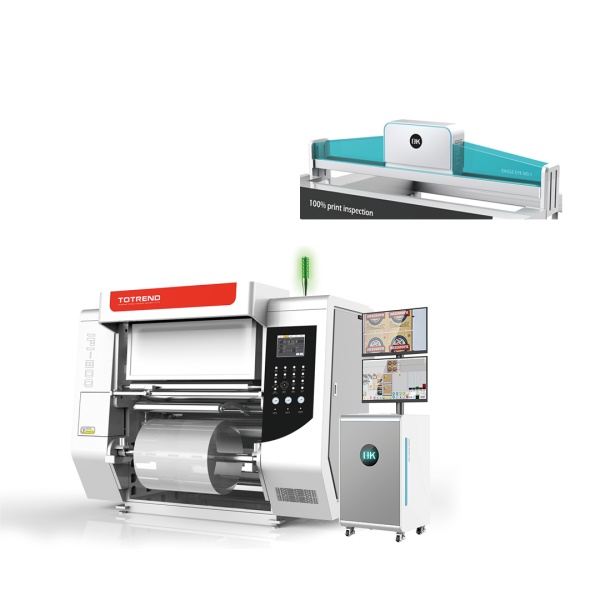
4. Establish Closed-Loop Quality Control Systems
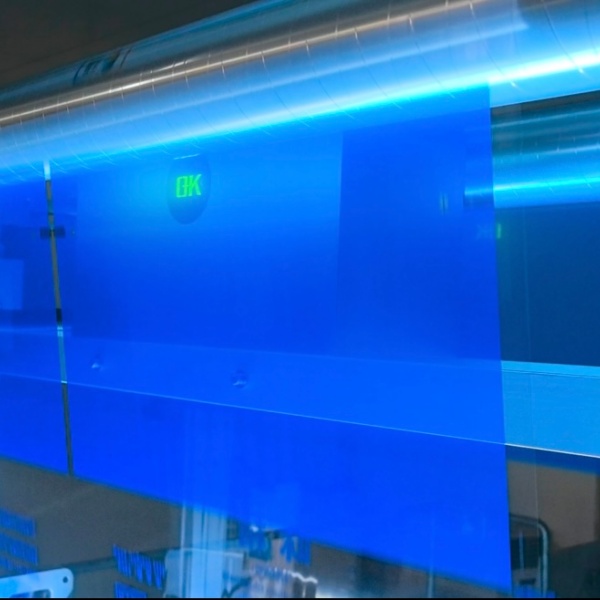
Just relying on inspection will not make zero defects happen if the fix is late. Closed-loop process control systems tie the inspection equipment right into the printing presses and other production machines.
When the inspection tools spot a quality deviation, the print quality inspection systems can automatically adjust printing parameters like color density registration alignment ink delivery, or web tension. This quick feedback loop keeps the defect from spreading across a big production batch and it helps keep the print quality consistent while the work is running.
5. Monitor Critical Production Variables
Print quality can be affected by plenty of factors. These include temperature and humidity, plus how the substrate behaves. Ink viscosity also matters, as does machine speed, and the exact printing pressure. If those factors are left uncontrolled, then the chance of defects rises.
Continuous monitoring systems let manufacturers watch critical process variables, in real time, without gaps. When operating conditions stay stable, companies can lower process variability and improve print consistency across batches.
A stable process environment is one of the most effective methods for preventing defects before they show up.
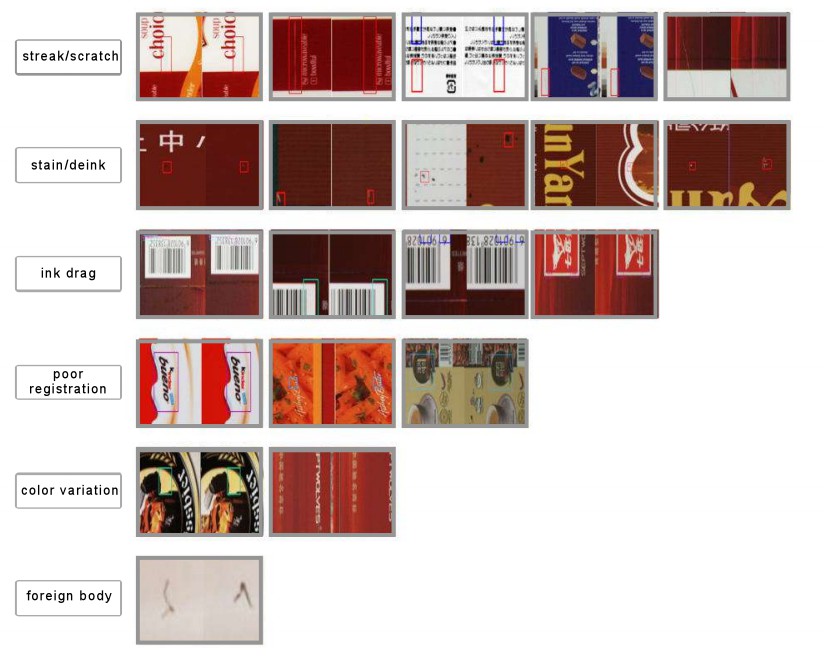
6. Adopt Automated Defect Classification and Reporting
Automated reporting technologies simplify quality management by categorizing detected defects and generating detailed inspection records.
Print inspection systems can classify defects based on severity, location, frequency, and root cause.
| Defect Category | Description | Typical Detection Method |
| Registration Defects | Misalignment of colors, images, or text layers. | Pattern matching and image comparison. |
| Color Variation Defects | Deviations from specified color standards. | Spectral analysis and color measurement. |
| Missing Print Defects | Missing text, graphics, logos, or printed elements. | Reference image comparison. |
| Streak and Smudge Defects | Ink streaks, smears, blurs, and printing marks. | Surface image analysis. |
| Surface Contamination Defects | Dust, particles, scratches, and foreign objects. | High-resolution machine vision inspection. |
| Barcode and OCR Defects | Unreadable barcodes, QR codes, or character recognition errors. | Barcode verification and OCR algorithms. |
| Substrate Defects | Wrinkles, tears, holes, and material imperfections. | Surface and texture inspection systems. |
| Coating and Varnish Defects | Uneven coatings, missing varnish, or coating contamination. | Specialized lighting and surface imaging technologies. |
7. Enhance Operator Training and Quality Awareness
Even with automated inspection systems doing a lot of work, human know how stays necessary. Operators should understand the printing process, inspection technologies, and the types of defects so they can react well if something shifts.
Regular training programs boost employees’ ability to read inspection data, spot root causes, and carry out corrective actions. A strong quality culture across the organization also supports ongoing refinement and defect avoidance.
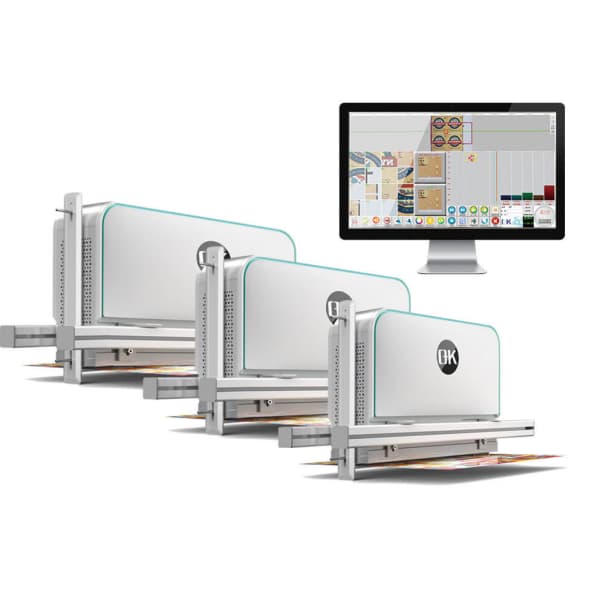
8. Strengthen Preventive Maintenance Programs
Equipment performance directly affects inspection accuracy and also print output. When rollers wear out, print heads get damaged, sensors are out of alignment, or the lighting systems degrade, you can see defects showing up and the inspection readings become less reliable
Preventive maintenance programs keep the printing and inspection equipment running at the best possible level. Regular checks, calibration routines, and a clear component swap schedule reduce sudden failures and support steady performance
9. Leverage Data Analytics for Continuous Improvement
Today’s 100% full surface inspection systems create useful production data, this data can be used to spot quality patterns and reveal process weaknesses. With analytics tools, manufacturers can trace the underlying cause of repeated defects and judge whether corrective actions are actually working
By looking at defect frequency, defect types, machine performance, and environmental conditions, organizations can take data-driven choices that make process stability better, and overall product quality goes up. It sounds simple but the details matter, because the signals are not always obvious.
Continuous improvement efforts built on trustworthy data are central to cutting defects little by little over time, and keeping the results steady.
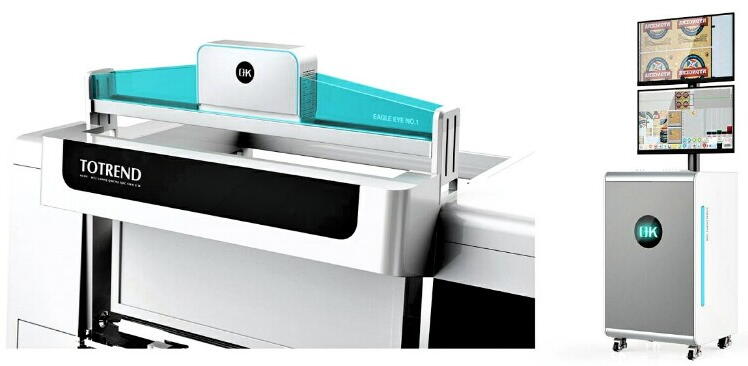
10. Adopt Industry 4.0 and Smart Manufacturing Technologies
Industry 4.0 technologies are changing printing inspection by linking equipment, sensors, inspection systems and analytics platforms into one connected digital ecosystem.
Smart manufacturing solutions give real-time monitoring, predictive maintenance, remote diagnostics, and automatic quality optimization. This combination boosts process visibility. It also helps manufacturers react faster when quality issues start to appear.
Summary
Achieving zero defects in printing inspection needs a full-on plan that mixes newer inspection tech, automated process control and data-based choices that help guide what happens next. You also want preventive maintenance in place, and skilled team members who actually know what to look for, not just follow checklists. When implementing 100% defect inspection, bringing in artificial intelligence, keeping production conditions stable, and fostering a strong quality culture, printing manufacturers can dramatically reduce defects and improve operational efficiency.