
How Machine Vision Improves Automated Printing Inspection
In the printing industry, staying consistent with quality while pushing production speed faster has become a big challenge. The usual manual checks often have trouble catching very tiny defects, keeping the same accuracy when the line is moving quickly, and delivering real-time quality control. Machine vision technology now shows up as a powerful answer, giving automated printing inspection systems the ability to spot defects, look deeper into print quality, and raise overall production efficiency
When high-resolution cameras are paired with lighting systems that are really tuned, image processing methods, and artificial intelligence AI, machine vision helps printing plants reach inspections that are faster, more accurate, and also dependable. For packaging, labels, commercial printing, and industrial materials, machine vision is changing the way print quality is monitored and adjusted.
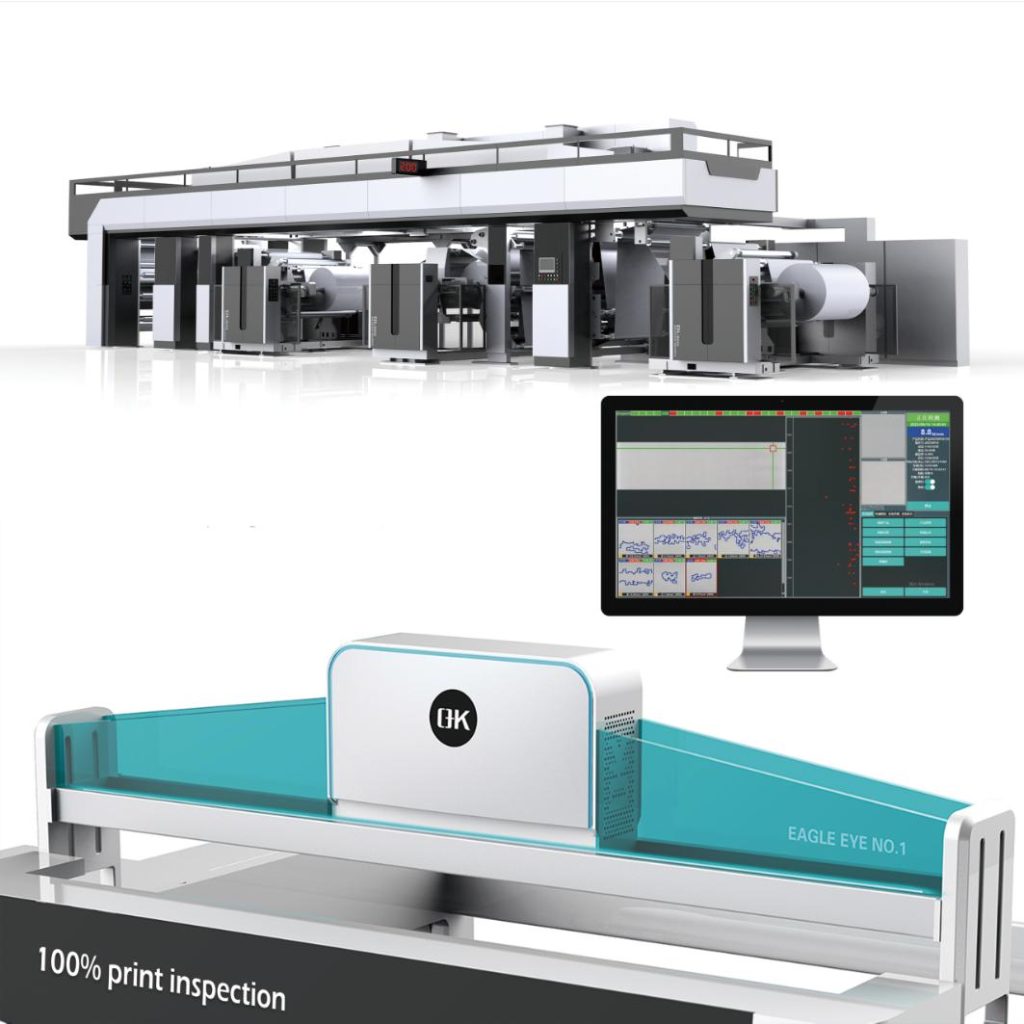
Table of Contents
Understanding Machine Vision in Printing Inspection
Machine vision is an advanced technology, it lets machines capture, process and analyze what they can see. In automated printing inspection, cameras take images of the printed products while they are in production, then specialized software reviews those images, using preset quality standards as reference.
Unlike traditional inspection ways that depend on a manual looking, machine vision print quality inspection systems keep watching every single printed piece, at high speeds. They can spot extremely small variations in color, geometry, location, or surface texture, and these might be hard for the human eye to notice in time.
A full machine vision inspection setup usually includes a few crucial parts, such as industrial cameras, illumination systems, image acquisition devices, processing units, inspection software, and communication modules. All of these items work together, to form an automated quality control process that checks for printing defects right away.
How Machine Vision Works in Automated Printing Inspection
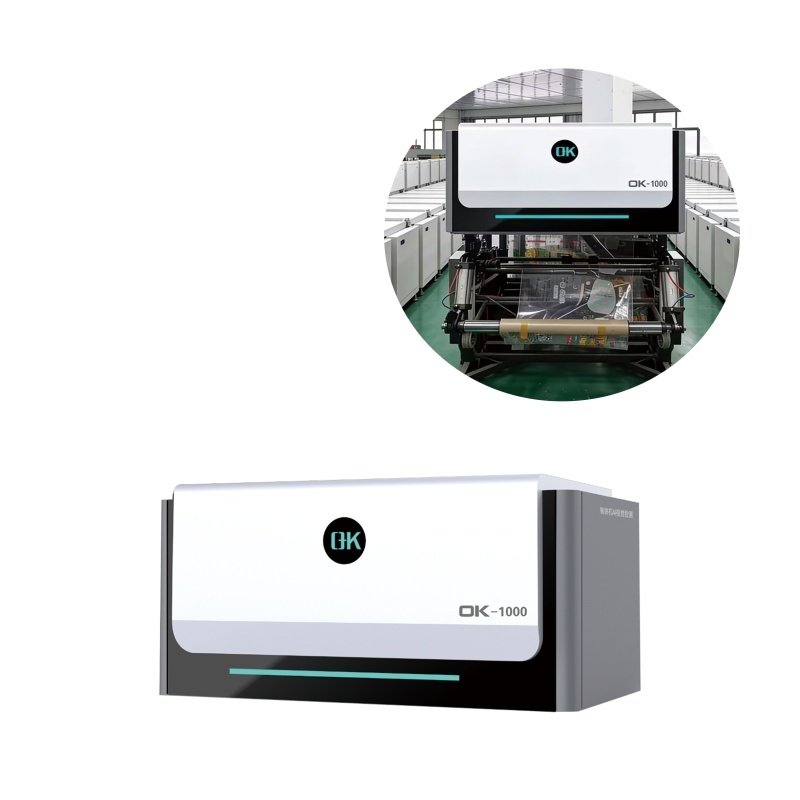
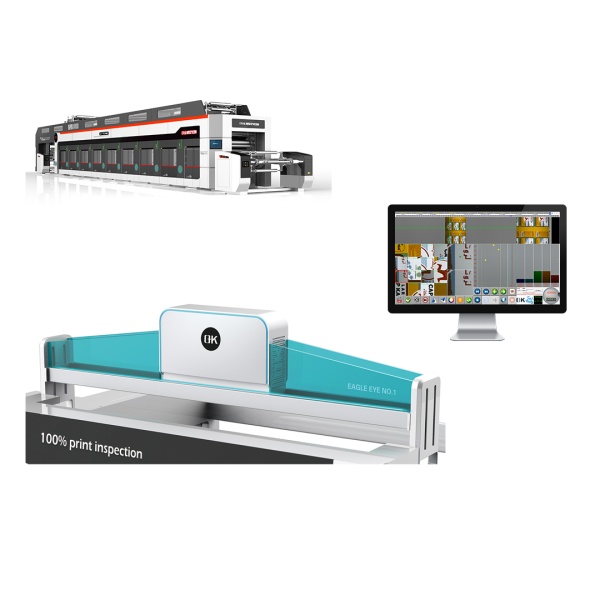
During the printing process, high-resolution cameras are installed above or sometimes around the production line, to take pictures of the printed sheets. Advanced lighting systems are used so that defects, shifts in color, and little surface irregularities can be seen sharply, or at least well enough to make decisions.
Afterward, those captured images are sent into image processing software. There the algorithms compare what is happening right now with a reference image, or with a digital file that represents the correct result. When the system finds variations that go past the permitted tolerance, it labels the issue as a defect, and then triggers alerts for operators, or directly for production control systems.
In different use cases, machine vision can handle various checks like verifying print registration, confirming text and graphics are in the proper place, keeping an eye on chroma accuracy, finding missing elements, and pointing out surface defects that may otherwise go unnoticed.
Because this printing inspection happens automatically, manufacturers can review products continuously without putting the line on pause.
Key Advantages of Machine Vision in Printing Inspection
1. High-Speed Defect Detection and Real-Time Inspection
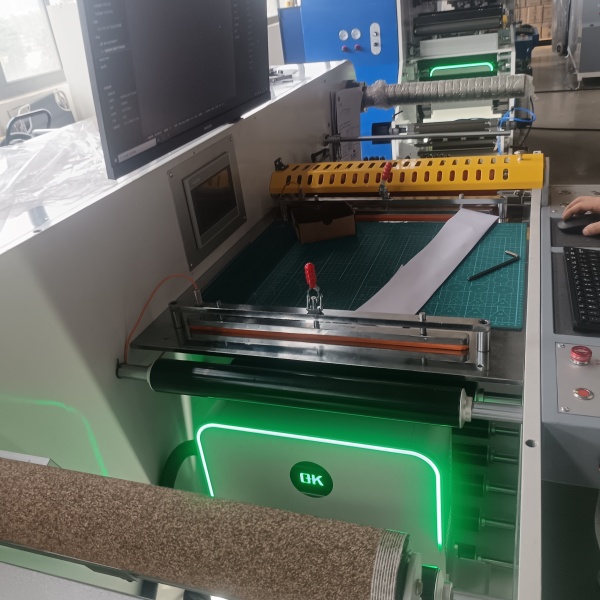
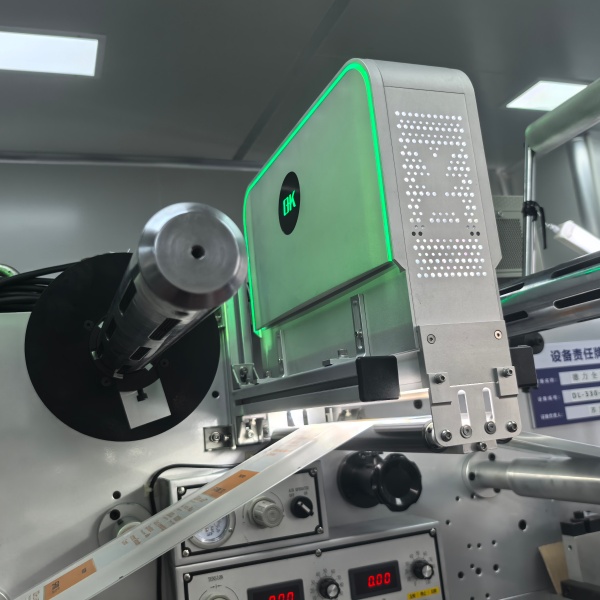
One of the main advantages of machine vision for printing inspection is that it can do defect detection in real time. Most modern printing machines run at extremely high speeds, so manual checking becomes impractical, fast. Machine vision systems can take thousands of images each second, and then analyze the printed surface instantly, without much hesitation.
These 100% defect detection systems are able to spot a range of printing defects like missing text, wrong colors, ink spots, streaks, smudges, scratches, registration problems, and misprints. When something is off, the setup can immediately trigger an alarm, flag the problematic region, or pass information to the production equipment so the line can pause. Sometimes it will also adjust parameters, to recover quickly and avoid repeating the same issue again.
Because inspection happens continuously, manufacturers can reduce material loss, keep defective items from reaching customers, and push overall production efficiency forward.
2. Improving Print Quality Accuracy
Printing quality really depends on a bunch of things, such as color consistency, image alignment, text sharpness, and even the surface look. And yeah, tiny variations can mess up the end result, especially in flexible packaging, pharmaceutical labels, and high-end commercial printing environments.
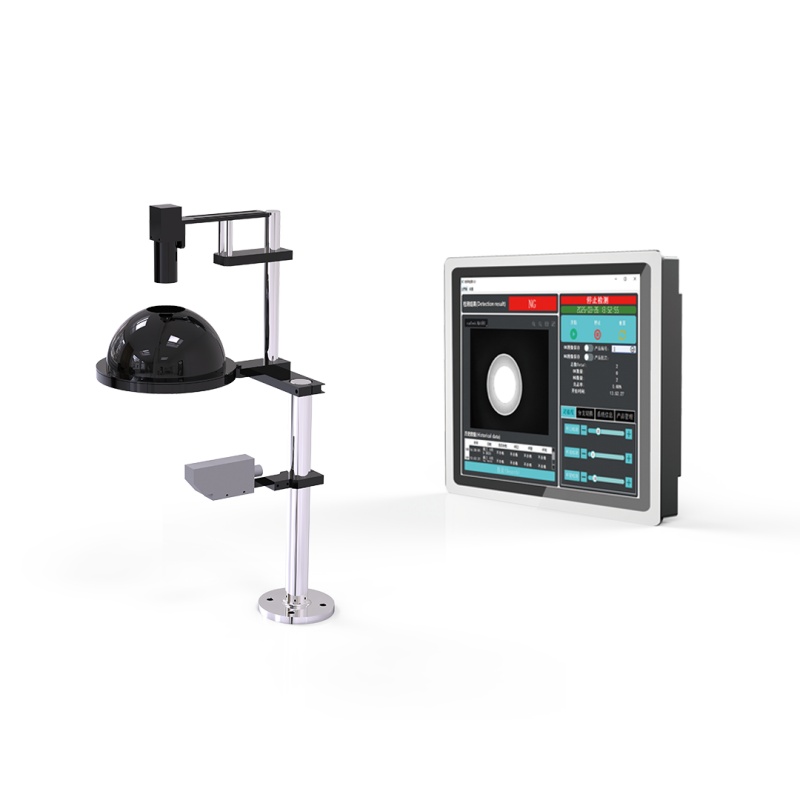
With machine vision you get better inspection accuracy because it relies on detailed image matching techniques. The setup can compare each printed piece to a reference sample, or a digital file, and then spot differences right in the moment.
Take label printing, for example. Here machine vision can pick up subtle shifts in logo placement, barcode quality issues, or those small mistakes in microtext that are hard for human inspectors to catch. In practice, this helps make sure every item produced satisfies demanding quality standards.
3. Advanced Image Processing and AI Based Inspection
Traditional inspection systems depend mostly on fixed rules and already known defect patterns. Still, modern machine vision systems, more and more, rely on artificial intelligence and deep learning to boost overall inspection quality, a lot.
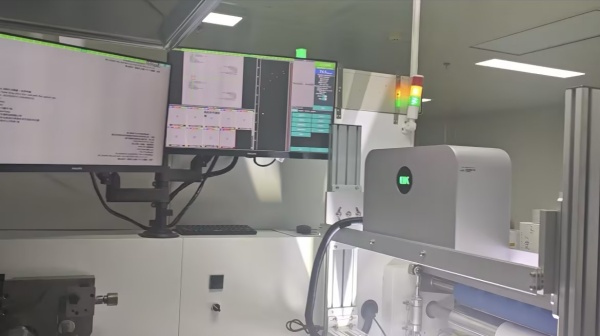
With an AI-powered vision approach, the printing quality inspection system can learn from huge volumes of image data, then it can pick up intricate defect patterns. Rather than staying locked to programmed parameters alone, deep learning methods can catch atypical defects that nobody explicitly defined beforehand.
For printing manufacturers, this translates into more adaptability and stronger detection ability. AI-based systems can separate acceptable fluctuations from real defects, which helps cut false alarms, and it also speeds up the inspection workflow.
4. Enhancing Color Inspection and Consistency
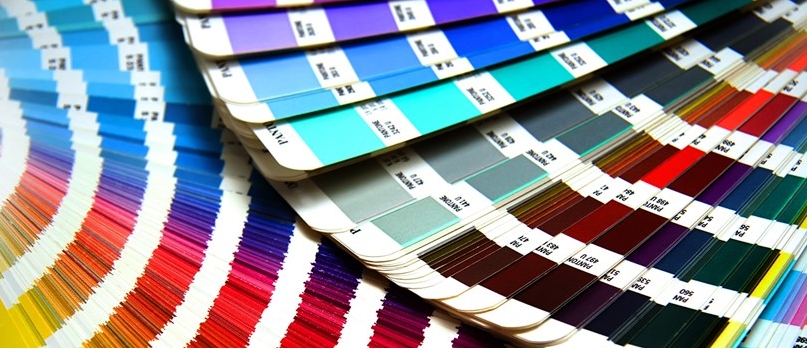
Color accuracy matters a great deal in many printing uses, especially packaging, branded items, and promotional materials. Even small color shifts can weaken brand identity, and they might reduce customer satisfaction.
Machine vision print inspection systems that are fitted with advanced color cameras along with spectroscopic methods can watch color consistency all the time during the printing process. They will measure the printed colors, match them against pre-approved standards, and then catch deviations that show up because of ink issues , or because printing pressure shifts, or even due to differences in the substrate material.
With this uninterrupted color monitoring in place, machine vision supports steady print quality and it also reduces the need for people to do frequent manual color checks.
5. Cutting Production Costs and Reducing Material Waste
Printing defects can cause major financial losses, including wasted materials, reworking steps, and customer complaints. With automated inspection driven by machine vision, these expenses can go down since problems are found early.
When a defect is discovered right away, the operators can change the printing parameters before large batches of flawed products are made. In the end this lowers raw material usage and improves overall production yield.
Also automated 100% inspection systems lowers the need for constant manual quality checks, so employees can spend more time on higher-value work like process optimization and equipment handling, and that feels more precise.
6. Supporting Industry 4.0 and Smart Manufacturing
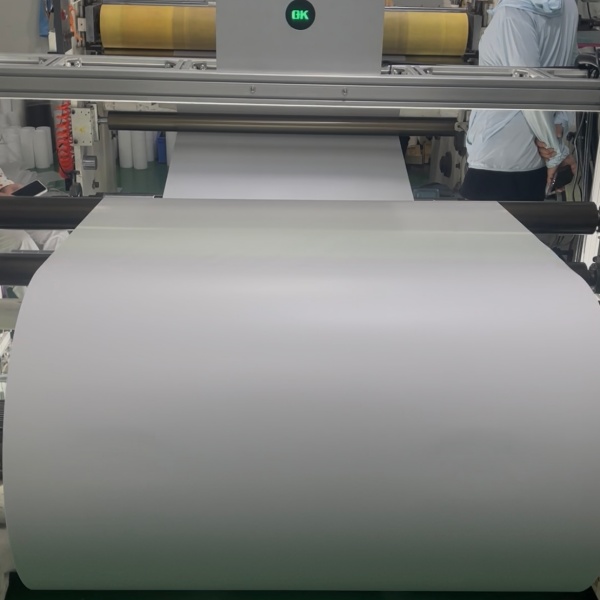
Machine vision has a major role in the rise of smart printing plants. When it is connected with manufacturing execution systems (MES), enterprise resource planning (ERP) tools, and industrial networks, inspection results can be gathered, processed, and then fed back into production improvements.
Modern machine vision full-surface inspection systems are able to log defect categories, real production conditions, and the inspection outcomes. With this information manufacturers can spot repeated issues, tune the printing workflow, and enhance equipment capability.
And when IoT connectivity is present along with remote monitoring features, production managers can view inspection metrics from anywhere, which enables quicker decisions, and makes the overall factory management more efficient.
Applications of Machine Vision in the Printing Industry
Machine vision technology is used across many printing sectors where quality and accuracy are essential.
| Printing Application | Inspection Tasks | Common Defects Detected | Benefits of Machine Vision |
| Flexible Packaging Printing | Inspect printed films, pouches, cartons, and packaging materials for image quality, color accuracy, and registration | Color variation, missing graphics, ink spots, streaks, misregistration, printing scratches | Improves packaging quality, reduces material waste, and ensures consistent brand appearance |
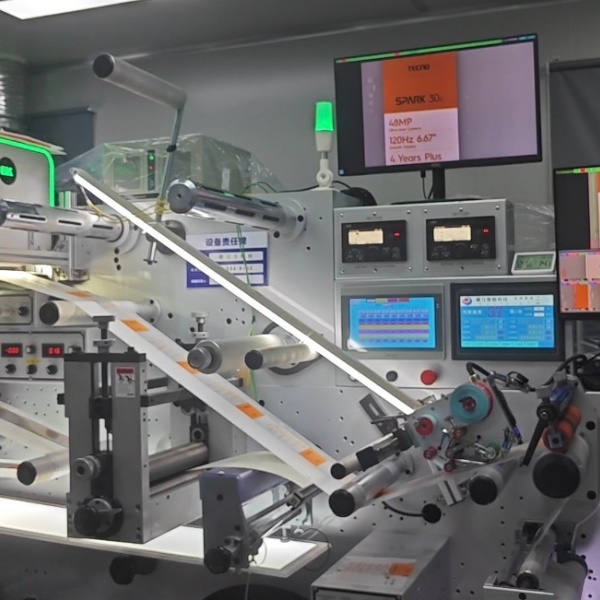
| Label Printing | 100% label inspection systems verify designs, text accuracy, barcode quality, and graphic alignment | Incorrect text, missing information, barcode errors, logo misalignment, color differences | Ensures accurate labeling, improves product traceability, and prevents customer complaints |
| Commercial Printing | Inspect books, magazines, brochures, catalogs, and promotional materials | Blurred images, missing pages, printing stains, incorrect layouts, uneven colors | Maintains high print quality and reduces manual inspection workload |
| Pharmaceutical Printing | Check medicine labels, packaging codes, batch numbers, and safety information | Incorrect dosage information, unreadable text, missing codes, printing defects | Improves product safety and helps meet strict regulatory requirements |
| Textile Printing | Monitor printed patterns, colors, and surface quality on fabrics | Pattern distortion, color inconsistency, missing prints, uneven ink coverage | Enhances fabric quality and reduces defective products |
| Security Printing | Inspect banknotes, identification documents, and security labels for precision features | Missing security patterns, alignment errors, printing irregularities | Provides high accuracy and improves counterfeit prevention |
| Corrugated Box Printing | Check packaging graphics, logos, text, and print alignment during production | Faded printing, incorrect designs, smudges, missing images | Increases production efficiency and ensures packaging consistency |
| Rotogravure and Flexographic Printing | Quality inspection systems perform continuous inspection on high-speed web printing lines | Ink defects, color changes, registration errors, repeating defects | Enables real-time quality control at high production speeds |
| Digital Printing | Analyze variable data printing, images, and customized products | Missing elements, incorrect graphics, color mismatch, image quality problems | Supports flexible production and ensures accurate customized printing |
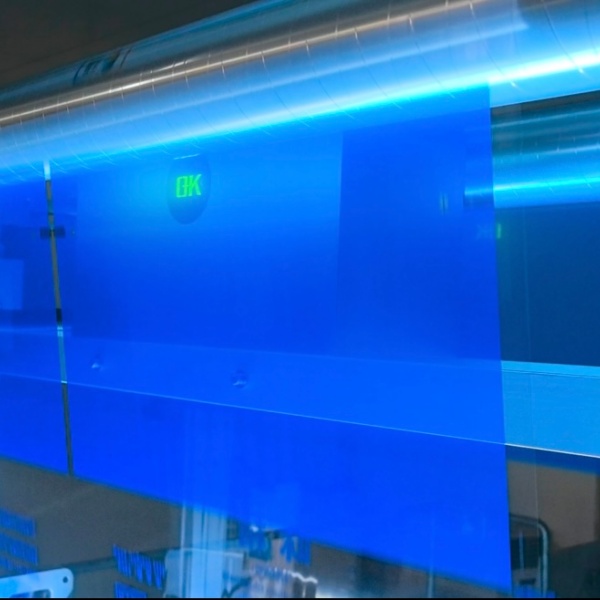
| Transparent Label and Film Printing | Use specialized lighting and cameras to inspect clear materials | Invisible defects, poor contrast, missing printed areas, surface contamination | Improves detection accuracy on challenging transparent substrates |
| Book and Document Printing | Verify page content, text placement, and print completeness | Missing text, incorrect pages, printing marks, alignment errors | Reduces manual checking and improves delivery quality |
Challenges in Machine Vision Printing Inspection
Although machine vision offers significant advantages, implementing the machine vision quality inspection systems requires careful consideration.
The following chart provides the main challenges and possible solutions associated with machine vision in printing inspection.
| Challenges | Description | Possible Solutions |
| High-Speed Production Requirements | Modern printing lines operate at extremely high speeds, making it difficult for inspection systems to capture and analyze every printed section without delays. | Develop faster industrial cameras, high-performance processors, and edge computing technologies for real-time image analysis. |
| Complex Defect Detection | Printing defects can vary widely in size, shape, color, and appearance, making some defects difficult to identify using traditional inspection methods. | Apply AI and deep learning algorithms that can learn complex defect patterns and improve detection accuracy. |
| Color Accuracy and Consistency Issues | Variations in ink, materials, lighting conditions, and printing processes can cause color differences that are challenging to evaluate. | Use advanced color cameras, spectral imaging, and AI-based color analysis to achieve more precise color control. |
| Difficult Inspection of Transparent and Reflective Materials | Transparent films, glossy surfaces, and reflective substrates can create image distortions and reduce inspection accuracy. | Introduce advanced lighting techniques, 3D vision technologies, and specialized optical systems for better defect visibility. |
| False Defect Detection | Machine vision systems may incorrectly classify acceptable variations as defects, reducing production efficiency. | Improve AI training models, optimize inspection algorithms, and use adaptive learning systems to reduce false alarms. |
| Large Data Processing Requirements | High-resolution cameras generate large amounts of image data that require fast storage, processing, and analysis. | Utilize cloud computing, edge AI, and intelligent data management systems for efficient data handling. |
| System Integration Difficulties | Integrating machine vision with existing printing equipment and factory automation systems can be complex. | Develop standardized communication protocols, smart factory platforms, and easier-to-integrate inspection solutions. |
| Changing Production Requirements | Printing manufacturers often produce different products, designs, and materials, requiring flexible inspection systems. | Create self-learning vision systems capable of automatically adjusting inspection parameters for different products. |
| High Initial Investment Costs | Advanced machine vision systems require investment in cameras, software, hardware, and integration services. | Reduce costs through modular systems, improved software platforms, and wider adoption of AI-based solutions. |
| Maintenance and Calibration Requirements | Cameras, lighting systems, and sensors require regular maintenance to maintain inspection accuracy. | Use predictive maintenance technologies and automated calibration systems to improve reliability. |
| Limited Human-Machine Collaboration | Operators may need specialized skills to manage and optimize complex vision inspection systems. | Develop user-friendly interfaces, automated setup tools, and intelligent assistance systems to simplify operation. |
| Real-Time Process Optimization | Traditional inspection systems mainly detect defects but may not automatically improve production conditions. | Integrate machine vision with closed-loop control systems to automatically adjust printing parameters and prevent defects. |
Final Thoughts
Machine vision has now become a key technology for improving automated printing inspection systems. It supports fast defect detection at high speed, gives more precise quality analysis, enables real-time monitoring, and brings AI-based inspection capabilities. With that combo, it helps manufacturers reach higher productivity and maintain better print consistency in practice.