
Effective Methods for Surface Defect Detection Accurately
Surface defect detection serves as an essential procedure within industries that require perfect surfaces to maintain product quality, safety, and performance requirements. The production line needs surface imperfections to be detected immediately to minimize waste, reduce costs and maintain customer satisfaction.
Understanding Surface Defects
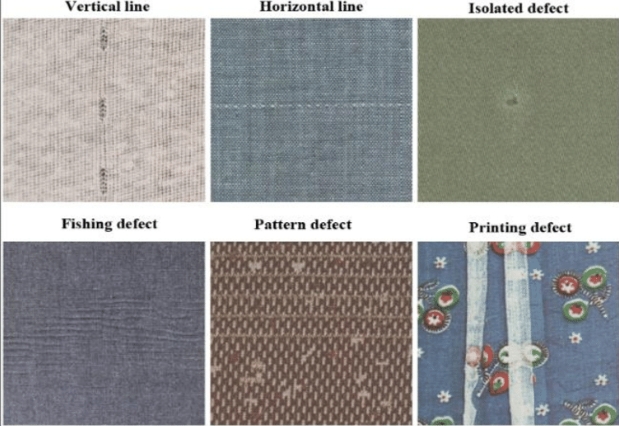
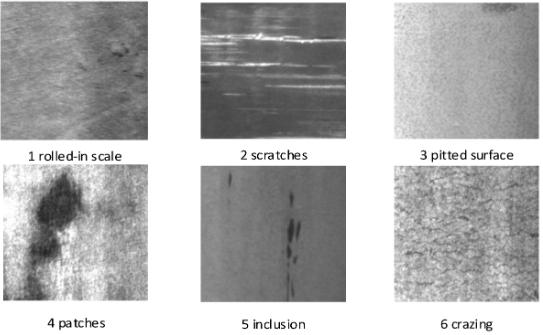
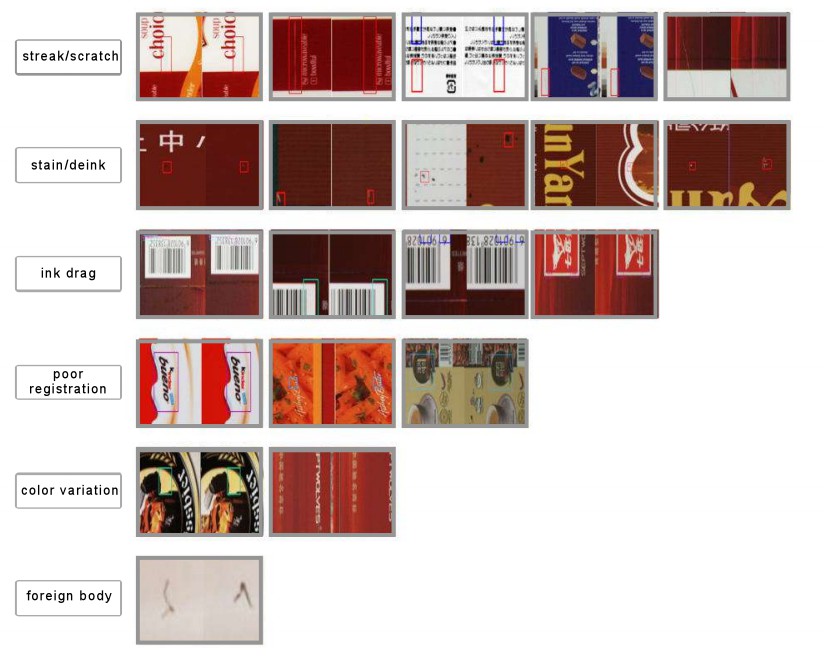
Surface defects are irregularities or anomalies that occur during manufacturing or processing.
This chart covers the most commonly observed surface defects across industrial materials.
| Type of Surface Defect | Description | Common Causes | Examples of Materials Affected |
| Scratch | Linear marks or abrasions on the surface | Handling errors, tooling contact, foreign particles | Metals, plastics, glass |
| Crack | Fractures or splits on the surface | Handling errors, tooling contact, and foreign particles | Metals, ceramics, glass |
| Dent / Indentation | Depressed area caused by impact | Dropping, pressing, or collision | Metals, plastics |
| Pitting | Small, localized depressions or holes | Corrosion, chemical attack | Metals, alloys |
| Corrosion / Rust | Surface deterioration due to chemical reactions | Moisture, oxygen, chemical exposure | Steel, iron |
| Discoloration / Staining | Changes in surface color | Oxidation, heat treatment, contamination | Metals, plastics, textiles |
| Inclusion / Contamination | Foreign material embedded on the surface | Improper material handling, impurities | Metals, ceramics, composites |
| Warping / Deformation | Surface or material bending or distortion | Heat, pressure, residual stress | Metals, plastics, composites |
| Peeling / Flaking | Surface layer separation | Coating failure, corrosion, poor adhesion | Painted surfaces, coatings, metals |
| Blister / Bubble | Raised area filled with air or fluid | Gas entrapment, coating defects, overheating | Metals, plastics, paints |
Techniques for Surface Defect Detection
Over the years, various techniques have been developed, ranging from traditional manual inspection to advanced automated inspection systems. Understanding these techniques is essential for manufacturers aiming to maintain high quality standards.
1. Visual and Manual Inspection
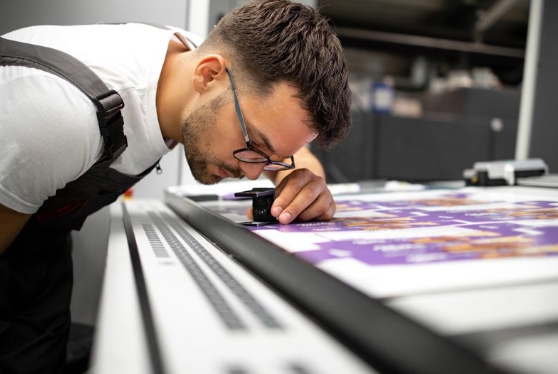
Visual inspection is one of the oldest techniques of determining the presence of surface defects and is widely used by skilled inspectors in under the shadow of daylight, fluorescent light, or darkroom-type lighting. The technique includes using magnifying lenses or microscopes to inspect products for the identification of small irregularities. Manual inspection is the most flexible technique and can deal with unexpected or atypical defect types. But the method is labor-intensive, subjectively prone, and not very effective for high-speed manufacturing, where accuracy and rapidity are vital.
2. Optical and Vision-Based Systems
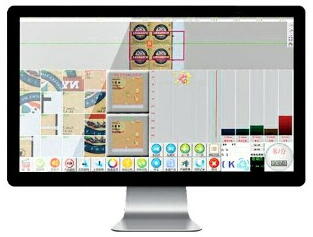
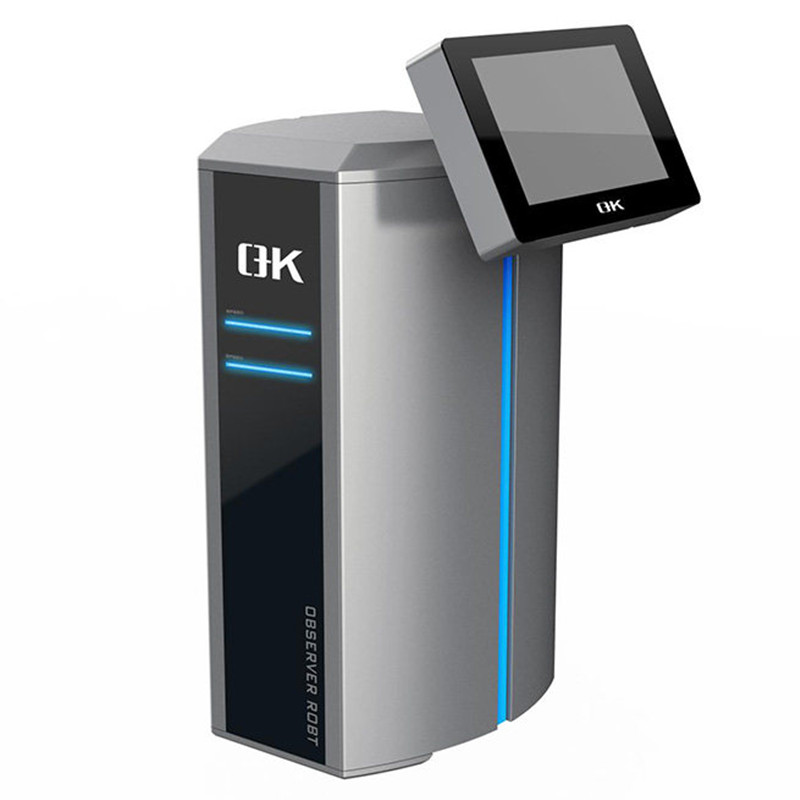
Vision-based inspection systems have totally different ideas as to defect detection. Web vision inspection systems must set new goals with highly resolving cameras, a standardized lighting system, and image processing algorithms so that they can produce precise images and perform anomaly detection for scratches, discolorations, and texture changes. With the cutting-edge algorithms, software can differentiate between allowable variations and actual quality errors, with the objective of accomplishing high accuracy and consistency, in varying ways, in industries, such as electronics, automotive parts, glass panels, metal sheets, and more.
3. Laser Scanning and Profilometry
Profilometry is the method of observing deviation on the surface by scanning of laser beams. Profiles and nearness to surface contours are detected by a scanning laser beam and sensors that detect height changes or outline changes. Profilometry is most effectively used to spot small depressions, pits, and warpage often invisible to the unaided eye. Profilometry is specifically useful in industries like precision metalworking, semiconductor manufacturing, and optical components.
4. Ultrasonic and Eddy Current Testing
Non-destructive testing like ultrasonic and eddy current testing is used largely for the detection of sub-surface defects and hidden imperfections. The use of ultrasonic testing involves the practice of sending high-frequency sound waves through a material, which measures reflections due to cracks or voids. Eddy current testing relies on electromagnetic induction to recognize flaws in conductive materials. These techniques allow for the detection of defects without damaging the tested object, making them crucial in aerospace, automotive, and critical infrastructure applications.
5. Thermography and Infrared Inspection
Thermal or infrared inspection excels in locating surface defects by mapping temperature irregularities from anomalies. For example, cracks, delaminations, or corrosion disrupt the normal flow of heat, thus creating peculiar and detectable patterns in a thermal imaging camera. It is of special help when the surface and near-surface defects are difficult to see with the naked human eye, composites, coatings, or electronics assemblies being a few dear habitual candidates.
6. Artificial Intelligence(AI) and Machine Learning
AI and machine learning working together have changed the way surface evaluation is done. Their model training can be used not only to check whether the product has a defect or not, it also works with the tough job of recognizing very complex patterns by grouping them into one defect class. With several tries, such models also eliminate the noise in the data that usually lead to inaccuracies. The best thing about AI-based defect detection is that it is flexible, that is, it can be trained for detecting other defect patterns in the course of performing defect detection, which is how it became most effective in the inspection of outputs in continuous manufacture on large scale. The sphere where it is more and more likely to get accepted ranges from metal goods, textiles, to electronics and consumer goods.

Challenges and Potential Solutions in Surface Defect Detection
| Challenge | Description | Potential Solution | Key Benefits |
| Complex Surface Geometry | Surfaces that are curved, textured, or highly reflective make accurate inspection difficult | Use structured lighting, 3D laser scanning, and multi-angle vision systems | Ensures accurate detection on challenging surfaces like automotive panels, glass, or composites |
| Variety of Defect Types | Defects differ in size, shape, and severity, making a single detection method insufficient | Combine vision-based inspection, laser profilometry, non-destructive testing, and AI/ML analysis | Detects scratches, cracks, pits, corrosion, and subtle irregularities reliably |
| Environmental Factors | Lighting variations, dust, vibrations, or temperature changes interfere with sensor performance | Control inspection environment with stable lighting, vibration damping, protective enclosures, and sensor calibration | Minimizes false positives and improves consistency in factory conditions |
| High Production Speed | Rapid production lines make real-time detection challenging | Implement high-speed cameras, FPGA processing, edge computing, and AI-driven real-time analysis | Maintains inspection accuracy without slowing down manufacturing throughput |
| Subsurface or Hidden Defects | Some flaws, such as internal cracks or voids, are not visible on the surface | Apply ultrasonic testing, eddy current testing, X-ray, or CT scanning | Reveals internal defects critical for metals, composites, and structural components |
| Cost and Integration | Advanced detection systems can be expensive and difficult to integrate with existing lines | Adopt modular, scalable systems with phased implementation | Reduces upfront costs and allows seamless integration into current production workflows |
Future Trends in Surface Defect Detection
Industries adapting to advanced technologies that make it possible to detect surface defects more easily and accurately now do understand that they have to raise product quality, quicken production, and lessen waste. Some key trends forming the future of surface defect detection, promising smarter, faster, and more reliable solutions.
1.3D Imaging and Holographic Techniques
3D imaging and holographic inspection have lately turned into a very powerful means to detect surface defects. The capacity to image in 3D, rather than typical 2-dimensional surfaces, allows it to detect very minute radii of curvature, warpings, or deviations in thickness. Holography gives 3D information of accuracy in depth and contours and thereby becomes especially useful for the warped, smooth, or textured surfaces. We should expect 3D imaging and holography to become quite accessible when the cost drops and imaging speeds improve.
2. Integration with Smart Manufacturing
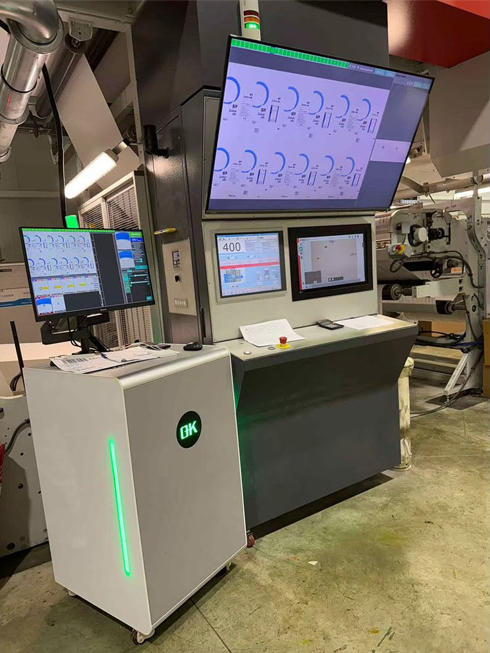
Smart manufacturing and Industry 4.0 trends are promoting the coming together between surface defect detection systems and production lines. In times to come, we shall have plants that shall be able to share real-time data with the manufacturing execution system (MES) and predictive maintenance platform. By means of 100% surface inspection systems, manufacturers would be able to overcome potential defects before they happen, employing and refining processes with the intention of minimizing downtime. This seamless integration would optimally lead production efficiency and quality control.
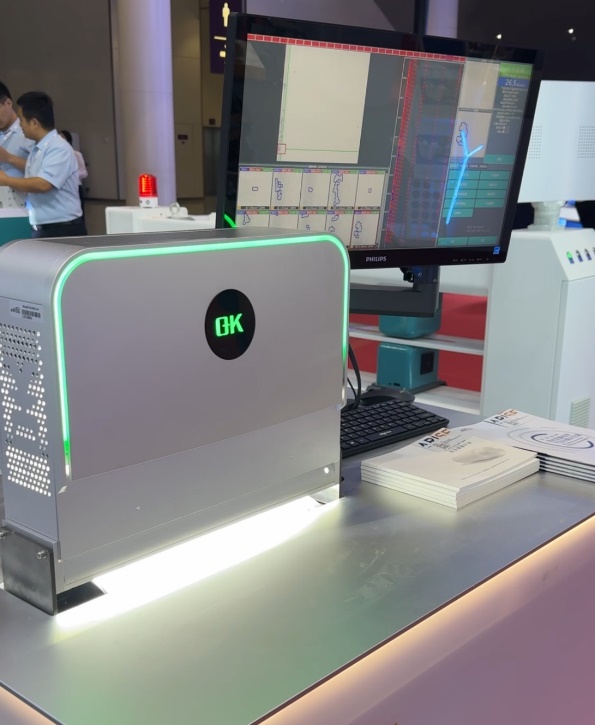
3. Multi-Sensor and Multi-Modal Inspection
When it comes to complex surfaces or mixed types of defects, depending on a sole approach probably cannot produce reliable results. Orchestrated by modern systems where inspection may occur with multiple sensors and multiple modalities on optical images, laser scanning, ultrasonic testing, and thermal analysis, various methodologies are intertwined to detect both surface and sub-surface defects. It is important for the manufacturer’s quality assessment to be dealt with at all scales, all materials, and all types of products.
4. Real-Time and Edge Computing
Ultimately, the increasing speed of production lines necessitates real-time identification of defects. Edge computing is emerging as the solution to immediate processing of data on or close to the production floor rather than transmitting it to a local server. Moreover, this drastically reduces the time for response, allowing for a real-time identification of potential defects. The real-time 100% full-surface inspection systems will be based on edge AI, enabling quick and accurate detection without compromising the production flow.
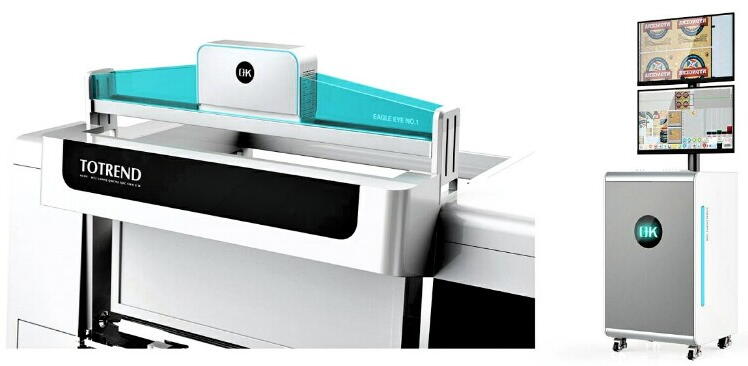
6. Sustainable and Cost-Efficient Solutions
Future trends are being shaped by sustainability and cost-effectiveness. Advancements in sensor technology, AI efficiency, and modular system design are making defect detection more energy-efficient and affordable. Manufacturers are seeking solutions that minimize waste, extend equipment life, and reduce the overall cost of inspection without sacrificing quality.
Final Thoughts
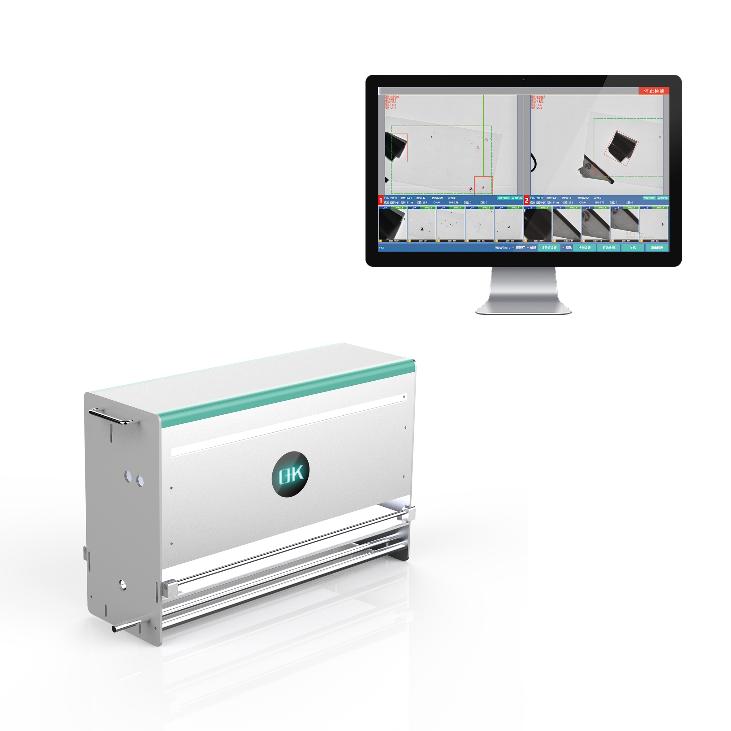
Surface defect detection stands as the foundation of modern manufacturing quality control. By combining advanced sensors and imaging technology with intelligent algorithms, manufacturers can reach higher performance and lower waste while increasing the efficiency of production. If the contemporary age is vaccinating the concepts of automation and compelling AI further, then even the smallest surface defect recognition capability will have been sharpened enough to be indispensable to the manufacturing industry.