
How to Choose the Right Vision Inspection System for Printing Quality
In modern printing industries, maintaining consistent quality is essential for reducing waste, boosting production efficiency, and meeting strict customer requirements. A vision inspection system for printing quality provides automated defect detection by using high resolution cameras, improved lighting technologies, and image processing algorithms to watch printed materials in real time. From labels and packaging to newspapers, films, and specialty materials, these systems help manufacturers spot printing defects before products reach customers.
However, selecting the right vision inspection system can be tricky because different printing applications need different inspection capabilities. Factors like print speed, material type, defect categories, resolution needs, and system integration requirements all affect the choice of an appropriate system.
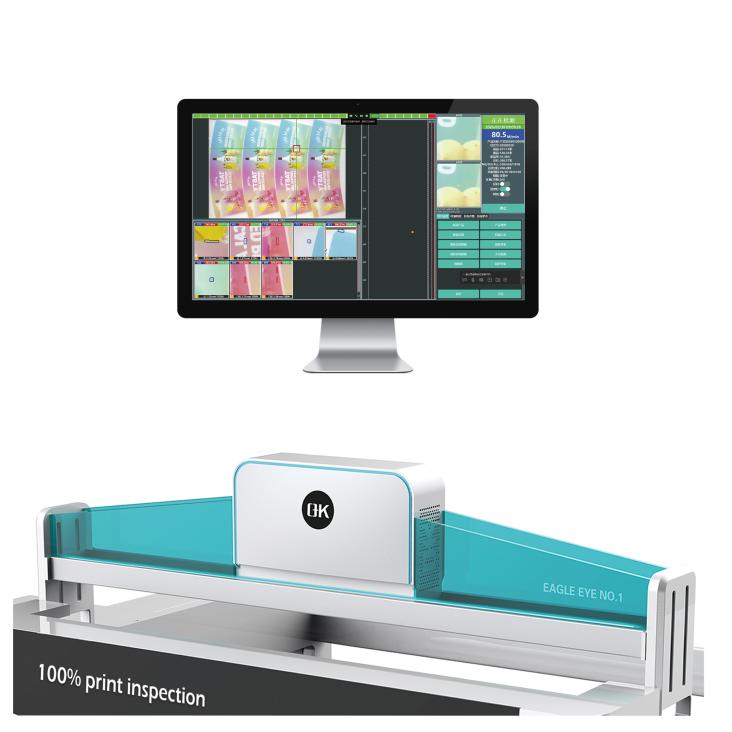
Table of Contents
What is a Vision Inspection System for Printing Quality
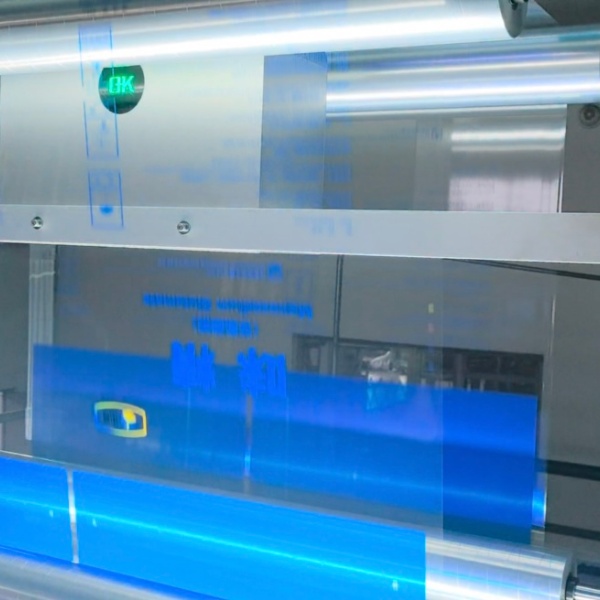
A vision inspection system for printing quality is an automated optical checking solution meant to look at printed materials and detect defects while things are still running. The system takes pictures of the printed surface using industrial cameras and then it contrasts those images with set benchmarks or reference visuals.
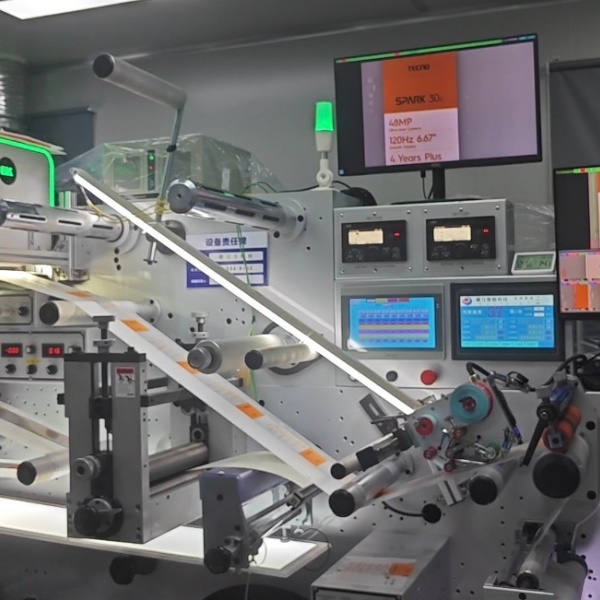
Compared with manual inspection, which leans on operator know how and sampling approaches, a vision inspection system can keep inspecting without pause every printed item, or even each area on a moving web. It provides a quick and unbiased evaluation of quality, so production teams can notice trouble immediately, and stop defective output from ending up with customers.
A typical printing vision inspection system consists of several key components, including cameras, lighting units, image processing software, industrial computers, sensors, and communication interfaces. Put them all together and you get a full quality control setup able to look at print accuracy at high speed, continuously. Together, these components create a complete quality control system capable of analyzing printing accuracy at high speeds.
Types of Vision Inspection Systems for Printing Quality
Different printing processes require different inspection technologies.
| Type of Vision Inspection System | Main Inspection Purpose | Common Printing Applications | Key Features |
| Print Defect Inspection System | Detects printing defects such as missing prints, smears, stains, and incorrect patterns | Labels, packaging, flexible films, cartons | Real-time defect detection, automatic comparison with reference images, reduced manual inspection |
| Color Inspection System | Monitors color consistency and detects color deviations during production | Packaging printing, commercial printing, brand labels | Accurate color measurement, color difference analysis, stable quality control |
| Registration Inspection System | Checks alignment between different printing layers or colors | Multi-color printing, flexible packaging, labels | Detects registration errors, improves print accuracy, supports high-speed production |
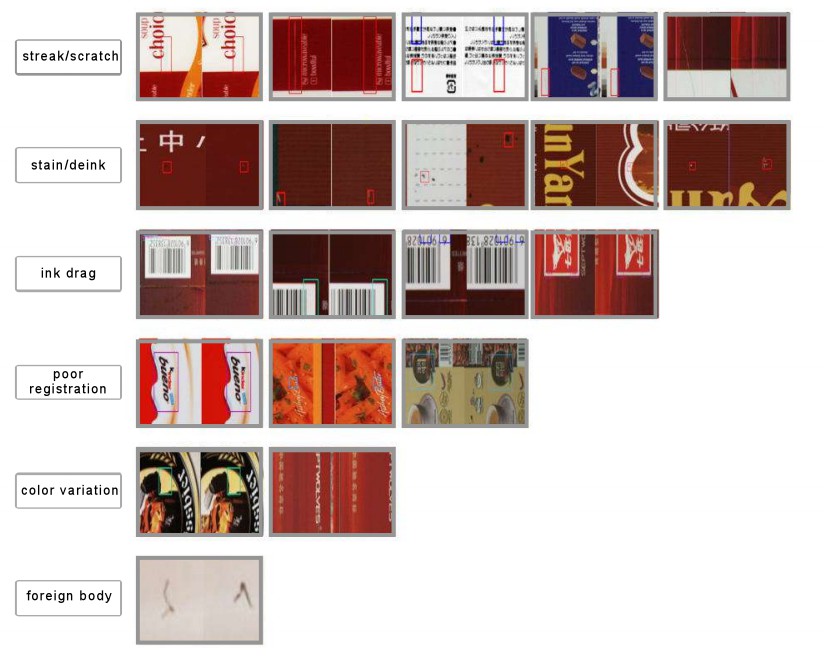
| Surface Inspection System | Identifies surface defects on printed materials | Paper, films, foils, coated materials | Detects scratches, contamination, wrinkles, and surface imperfections |
| Barcode and QR Code Inspection System | Verifies barcode readability and code accuracy | Product labels, pharmaceutical packaging, logistics packaging | Automatic code recognition, error prevention, compliance verification |
| OCR and Text Inspection System | Checks printed characters, numbers, and text accuracy | Pharmaceutical labels, food packaging, industrial printing | Character recognition, missing text detection, incorrect information identification |
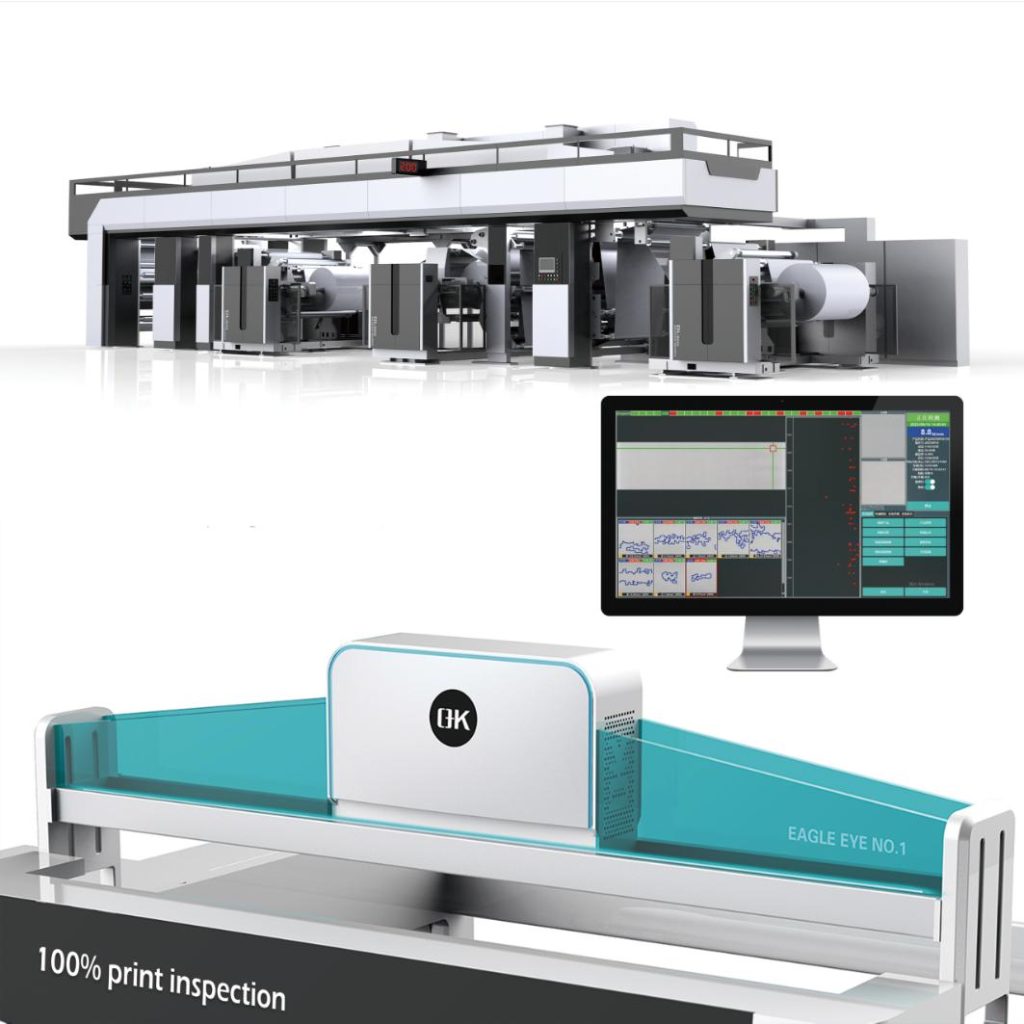
| Web Inspection System | Provides continuous inspection of moving web materials | Roll-to-roll printing, film printing, paper converting | Uses line scan cameras for full-width inspection at high speeds |
| 100% Print Inspection System | Performs complete inspection of every printed product | High-value packaging, security printing, premium labels | Full production monitoring, no sampling limitations, improved quality assurance |
| AI-Based Vision Inspection System | Uses artificial intelligence to identify complex defects | Advanced packaging, specialty printing, smart factories | Machine learning algorithms, defect classification, fewer false alarms |
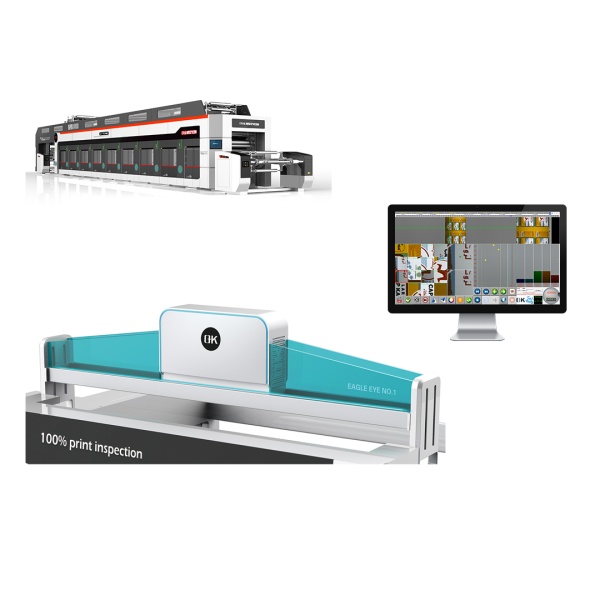
Key Factors to Consider for Choosing the Right Vision Inspection Systems for Printing Quality
1. Printing Quality Requirements
The first step for choosing the right vision inspection system is, honestly, understanding the quality requirements inside your printing process. Each printing use case brings its own kind of defects and its own inspection problems. For instance, packaging manufacturers might need to check color steadiness, text correctness, barcode legibility, and print registration. At the same time label producers often concentrate on finding missing characters, wrong designs, and surface irregularities.
Before any system gets selected, manufacturers should establish exactly which defects need to be detected, and also how tiny those defects are allowed to be. A vision inspection system designed for general printing inspection may not deliver enough precision where the industry demands very strict quality control, like pharmaceutical packaging or security printing.
Having a clear grasp of inspection goals can help manufacturers pick what works for camera resolution, lighting tactics, detection software, and the overall system setup. When the purpose is understood early, the rest is easier, even if the integration later feels a bit more messy than expected.
2. Appropriate Camera Resolution
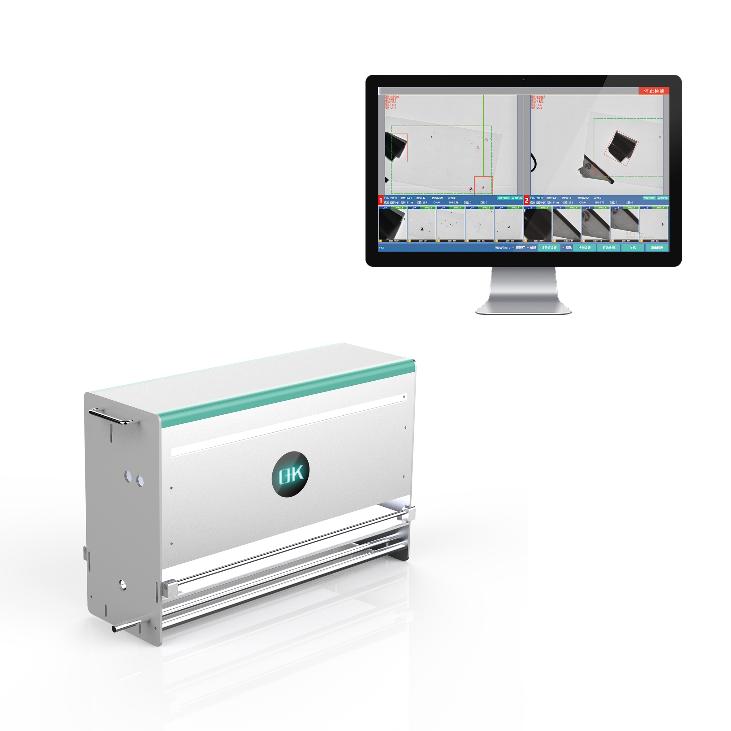
Camera capability directly influences how accurate a vision inspection system will be. If the camera has more resolution, it can collect richer, sharper image detail, so the software is able to flag smaller defects that might never show up in manual checking. In high-quality printing tasks, it is important to choose a camera with enough resolution to spot fine information like thin line distortions, tiny text mistakes, and slight surface irregularities.
The resolution you actually need depends on multiple things, like printing speed, the width of the material, defect dimensions, and how strict the inspection accuracy targets are. For continuous web printing workflows, line scan cameras are often used because they can acquire detailed images across wide media while the printing zone is moving fast.
Selecting the right camera resolution is a balancing act between inspection accuracy and what you actually pay for the equipment. If the resolution is too low, the system may miss meaningful defects, but if you jump to a much higher resolution than needed, costs jump up too, with little or no extra benefit in practice.
3. Lighting System Design
Lighting is one of the most important pieces in a printing vision inspection system, since image quality directly impacts defect recognition. Since printed materials differ, and surfaces can look very different too, the lighting approach has to match those conditions so the camera output stays clear and stable.
For instance, reflective substrates like metallic films can cause glare, which makes it harder to see small abnormalities during inspection. Transparent label media often needs a special lighting arrangement , so the edges and the tiny variations in the print become more visible. When the lighting system is designed well, the camera can take more reliable images, because the contrast between defects and the normal print regions becomes easier to separate.
Modern printing quality inspection systems often rely on advanced LED lighting technologies, including line lighting, backlighting, and contour lighting. In practice, these setups make it easier to notice printing errors, surface dents, defects inside transparent or translucent materials, and also registration issues.
4. Inspection Software and Image Processing Technology
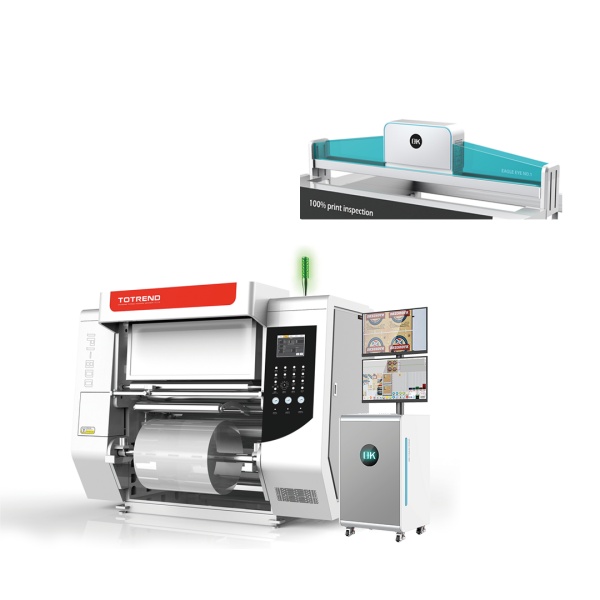
The ability of the inspection software, inside a vision system, affects how well it can read printed images and flag problems. In older inspection approaches, the method is usually image matching, where the captured view is checked against a standard reference image. More recent systems go beyond that, using advanced algorithms, artificial intelligence, and machine learning to raise detection precision.
Intelligent inspection software can understand intricate patterns, distinguish multiple defect categories, and ease false alerts caused by normal process variations, so the results feel more reliable. This matters a lot in high speed production lines where manual checking is not realistic, or it simply cannot keep up.
Advanced software capabilities can also do production data scrutiny, so manufacturers can follow defect trajectories, notice workflow issues, and raise printing efficiency in general. As AI keeps improving, more perceptive sight inspection systems are getting flexible and able to deal with intricate inspection duties, not just simple checks.
5. Matching the Inspection System with Printing Speed
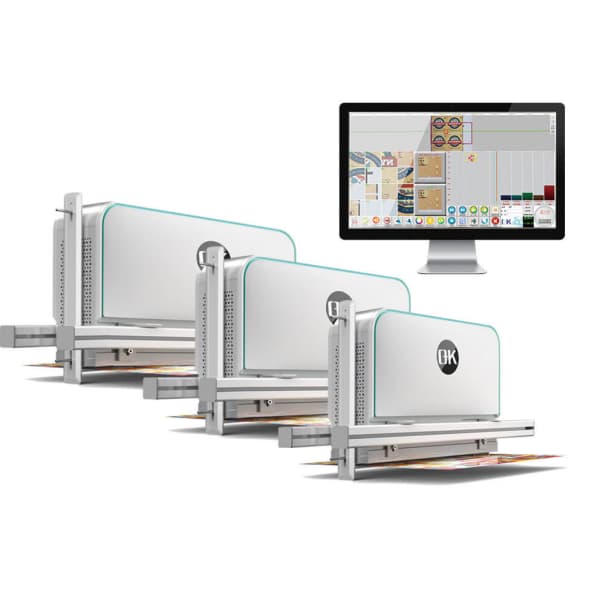
The printing speed on a production line matters just as much when you choose a vision inspection system. The system has to grab and interpret images quickly enough so the inspection is in step with output, and doesn’t end up delaying the actual printing.
For high-speed printing work, you typically need quick cameras, strong image processors, and data handling routines that do not stall. If the inspection speed is lagging, then defects may slip by, and only after they are already accepted by the process, which makes quality control much less effective.
A well-matched inspection system, if you put it together correctly, can keep watching through the entire printing run, so manufacturers can notice defects right away and also reduce the waste from bad items.
6. Type of Printing Material
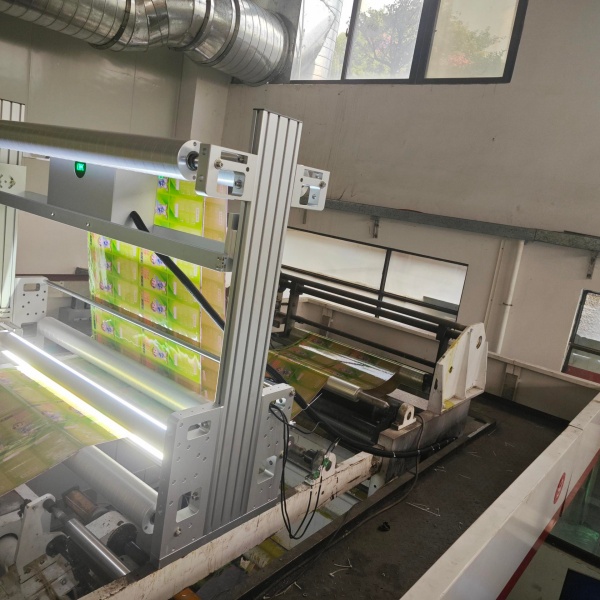
Different substrates create different inspection challenges. The right vision inspection system should be selected based on the characteristics of the printed material.
| Printing Material | Common Applications | Typical Defects Detected | Inspection Features |
| Paper | Books, magazines, newspapers, cartons, labels, office printing | Missing text, blurred images, color variation, ink stains, printing misalignment, scratches | High-resolution image comparison, text verification, color inspection |
| Coated Paper | Premium packaging, brochures, catalogs, advertising materials | Coating defects, uneven printing, color inconsistency, surface contamination | Surface defect detection and color accuracy analysis |
| Plastic Films | Flexible packaging, food packaging, pharmaceutical packaging, plastic labels | Ink smears, pinholes, wrinkles, registration errors, missing prints | High-speed web inspection with line scan cameras |
| Transparent Films | Transparent labels, adhesive films, specialty packaging | Edge defects, missing graphics, bubbles, printing position errors | Backlighting and contour lighting for enhanced visibility |
| Metal Foils | Aluminum packaging, beverage seals, decorative materials | Printing scratches, color differences, incomplete patterns, surface damage | Reflective surface inspection with specialized lighting |
| Glass Materials | Glass containers, bottles, display panels | Printing defects, logo errors, cracks, surface contamination | High-precision image analysis and surface inspection |
| Cardboard and Corrugated Board | Shipping boxes, retail packaging, display cartons | Print registration errors, missing graphics, ink spread, barcode problems | Large-area inspection and pattern matching |
| Labels and Stickers | Product labels, barcode labels, pharmaceutical labels | Missing labels, incorrect text, barcode errors, color mismatch, adhesive defects | OCR, barcode verification, and print quality inspection |
| Textile Materials | Clothing fabrics, printed textiles, decorative fabrics | Pattern misalignment, color inconsistency, missing prints, stains | Continuous fabric inspection with wide-area cameras |
| Synthetic Materials | PVC films, polyester sheets, industrial printed materials | Surface scratches, print defects, contamination, uneven coating | High-speed defect detection and surface analysis |
| Flexible Packaging Materials | Snack bags, pouches, medical packaging, household product packaging | Seal area defects, incorrect printing, color deviation, image distortion | Real-time inspection during high-speed production |
| Security Printing Materials | Banknotes, certificates, identification documents | Missing security patterns, incorrect designs, printing errors | High-resolution imaging and advanced pattern recognition |
7. System Integration and Automation Capabilities
A modern vision 100% inspection system should link up fairly smoothly with the printing equipment that is already in place and with the manufacturing steps around it. When the setup is integrated, the inspection findings can then be applied to automatic defect marking, product rejection, and overall production control, not just logging.
A lot of advanced setups can connect to printing presses, industrial control systems, and even the factory management platforms. With Industry 4.0 tools, the inspection information can be gathered, then interpreted, to reveal useful clues about process performance.
Remote supervision, automated documentation, and real time messaging can also raise throughput, and make it easier for manufacturers to decide faster when quality issues show up.
8. System Operation and Maintenance Requirements
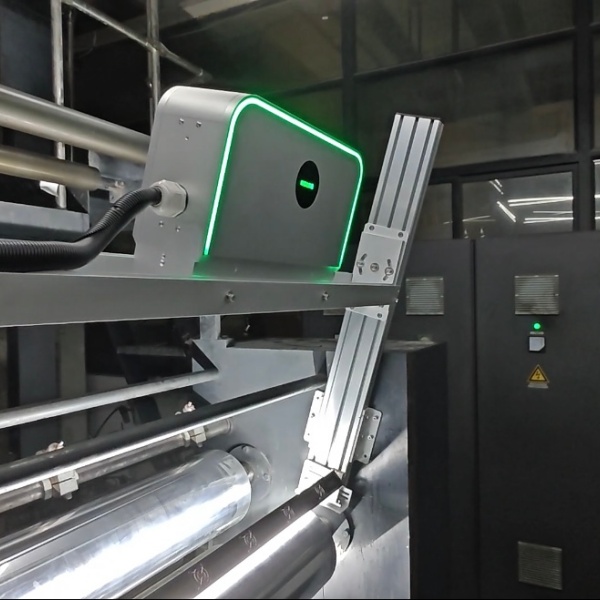
Ease of use for operation and upkeep should also be part of the selection process for a vision inspection system. When the operation procedures are complex , it tends to raise training demand while also cutting into production flow and efficiency.
Many of the current inspection systems already come with a friendly interface, automatic calibration tools, and straightforward setup steps. These options help operators adjust the inspection parameters quickly, even when the printing jobs are different.
In addition, periodic maintenance of the cameras, illumination parts, and the software is still needed if you want stable accuracy over time. Picking a dependable system that offers solid technical support can limit unexpected stoppages, and it also helps keep the equipment effective for longer.
9. Future Expansion Possibilities
Printing technology keeps evolving, so operational expectations may rise as the business matures. A vision inspection system that is adaptable should support later upgrades and add-on features, in response to changing needs.
For example, a manufacturer might start out demanding basic defect detection systems but later realize they need more advanced features such as AI-assisted inspection, color measurement, barcode confirmation, or a connection to digital production systems.
Selecting a system that scales properly lets companies avoid replacing equipment each time new quality requirements show up, and it often brings stronger long-term value.
10. Balancing Quality Performance and Investment Cost
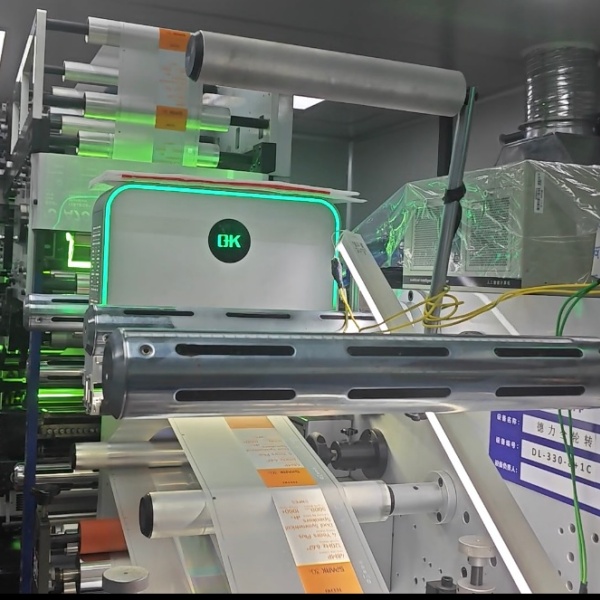
Even if cost matters, the cheap inspection system does not always end up being the best answer. A solution with restricted detection capability may lead to missed defects, extra material waste, and even more customer complaints.
When you are evaluating an investment, manufacturers should keep in mind the long-term gains of enhanced quality control, reduced production losses, fewer labor demands, and stronger customer satisfaction. If the vision inspection system is picked correctly, it can bring quick returns by boosting efficiency and also keeping printing quality steady.
Final Thoughts
Choosing the right vision inspection system for printing quality requires careful consideration of inspection requirements, camera technology, lighting design, software capabilities, production speed, etc. A thoughtfully engineered system does not only detects printing defects with accuracy, it also helps manufacturers raise output, cut waste, and reach consistent product quality.
As printing technology keeps advancing, more intelligent vision inspection systems that mix AI, machine learning, and Industry 4.0 connectivity will become increasingly important. Selecting a system that fits what you need now, while still enabling future development, can assist printing companies stay competitive in a tough market.