
Deep Learning vs. Machine Vision Systems in Print Inspection
In modern printing production, automated inspection systems are essential for keeping a consistent quality, reducing waste, and making sure that each output meets strict visual and structural requirements. Two prominent print inspection technologies drive this area: deep learning systems and machine vision systems. Even if both are meant to find defects in printed materials, they do not actually work the same, because they interpret the images differently, they deal with variability, and they change their approach over time.
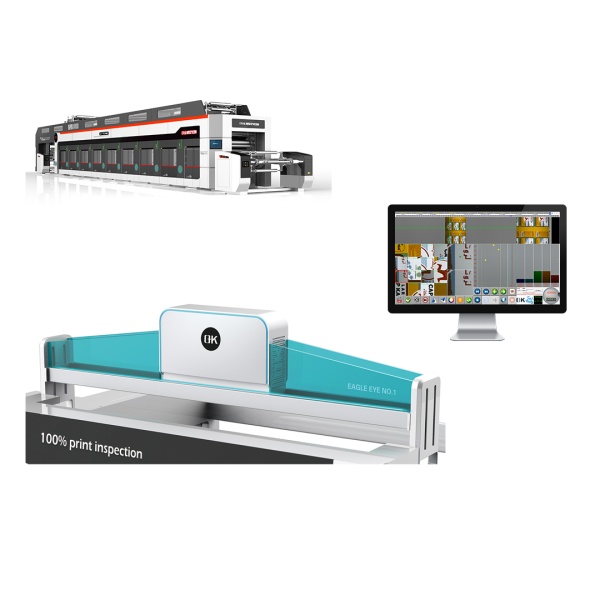
Table of Contents
Machine Vision Systems in Print Inspection
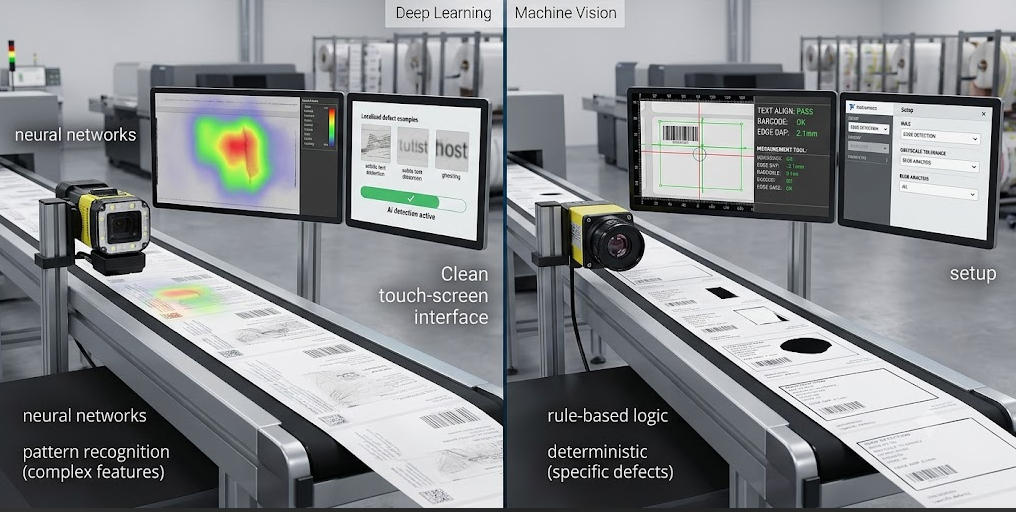
Machine vision systems are designed around rule-based logic. They depend on industrial cameras, carefully managed illumination, and predefined algorithms to assess printed products against fixed benchmarks or reference templates. In print inspection, that often looks like comparing each sheet or label to a “golden sample”, then raising a flag when deviations appear, like misregistration, missing parts, color drift or other printing defects, along with surface and alignment problems that stand out.
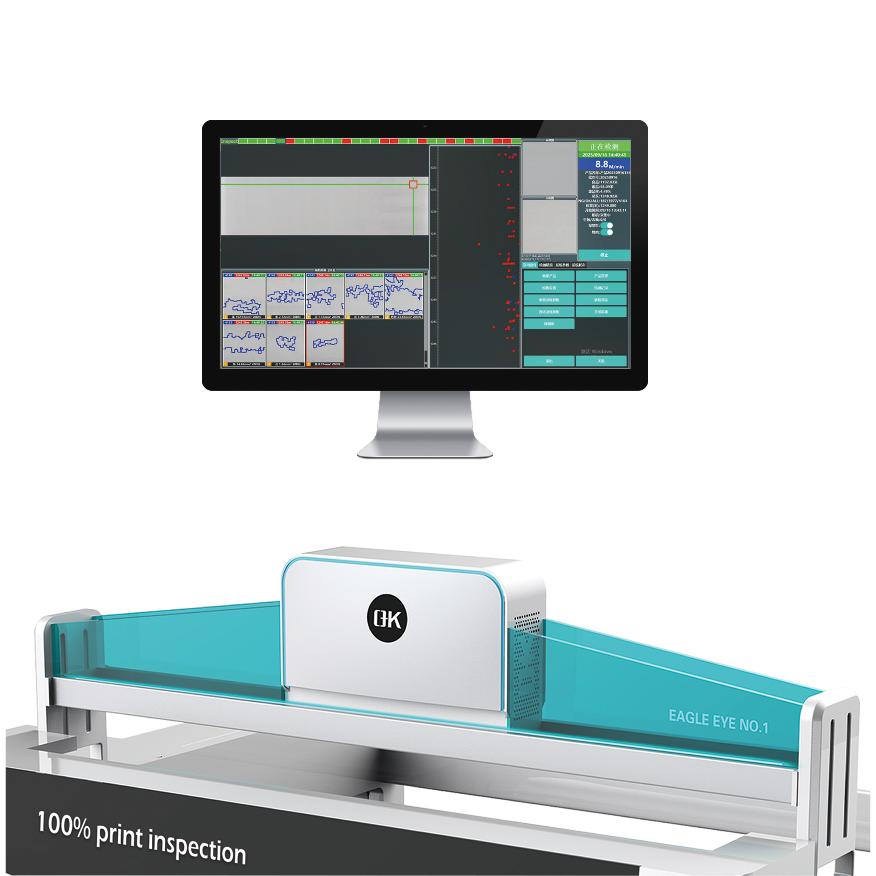
The main edge of machine vision lies in how deterministic it is. Once the parameters are set correctly, the system gives you steady and repeatable outputs, even with extremely low latency. That is why it fits so well for steady print jobs, like packaging production, label verification, and also more standardized commercial printing routines.
Yet that same rigidity becomes the big drawback. Machine vision has trouble when defects show up in irregular ways, are ambiguous, or are things it has never seen before. If anything strays beyond the pre-programmed boundaries, then the issue may be overlooked or it may be flagged wrongly, which then drags engineers into manual recalibration.
Deep Learning Systems in Print Inspection
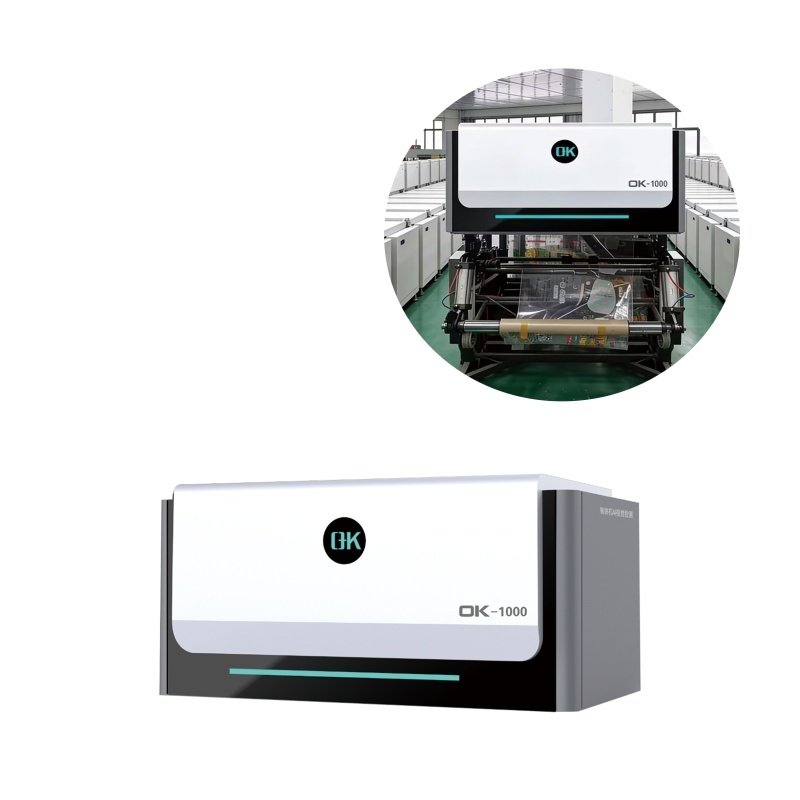
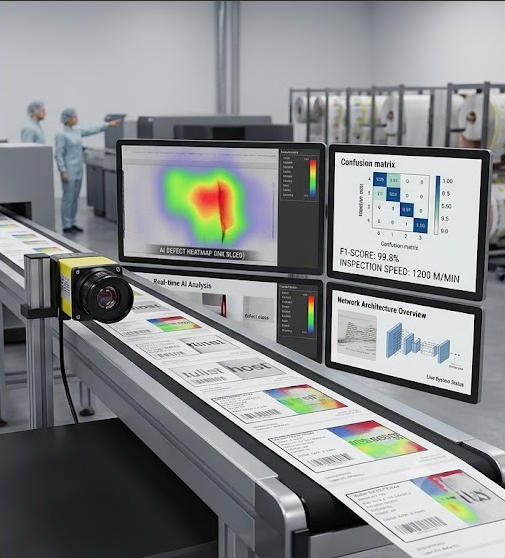
Deep learning-based inspection looks like it moves away from rule-driven logic toward something more data-minded. Rather than writing explicit code for every case these systems lean on neural networks that are trained with big datasets made of defect and non-defect images. As training goes on, the model tends to get the hang of complicated visual patterns and small oddities that traditional rules may struggle to spell out in the first place, or even notice.
In 100% print inspection, deep learning can pick up faint ink shifts, odd texture behavior, micro defects, and those intricate deformations that conventional systems often miss. It is most helpful when the defect types change over time, or when there is no clean way to label them in advance.
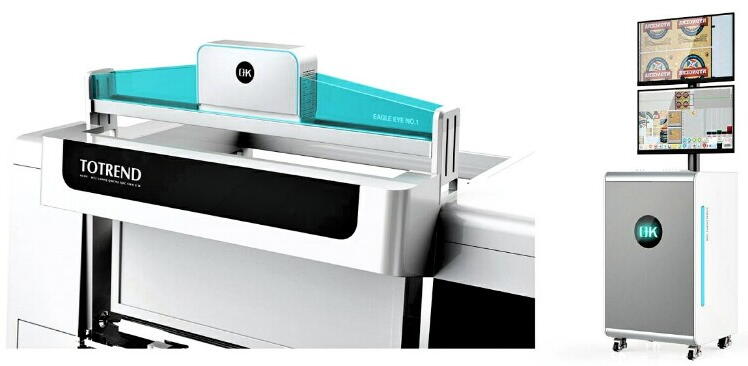
Also, compared with traditional machine vision, deep learning models can be updated to new defect patterns through retraining, so they feel more responsive in changing production lines. This flexibility matters a lot in areas like security printing, custom packaging, and short-run digital printing.
But that flexibility comes with strings attached. Deep learning systems lean pretty hard on labeled datasets that are genuinely good, on computing power, often GPU-based, and also on ongoing model upkeep. On top of that, the way these systems decide can be less transparent then you might want, so in areas where you need traceability and real explainability, this tends to raise concerns.
Key Differences Between Deep Learning and Machine Vision Systems in Print Inspection
| Aspect | Machine Vision Systems | Deep Learning Systems |
| Core principle | Rule-based image processing using predefined algorithms and thresholds | Data-driven learning using neural networks trained on labeled images |
| Defect detection method | Compares images to a “golden sample” or fixed rules | Learns patterns of normal vs defective prints from data |
| Flexibility | Low flexibility; requires manual reprogramming for new defect types | High flexibility; can adapt to new or unknown defect patterns through retraining |
| Setup effort | High initial engineering effort for rule configuration | High effort for data collection and model training |
| Data requirement | Low; relies more on configuration than large datasets | High; requires large, well-labeled datasets |
| Performance stability | Very stable in controlled environments | Depends on data quality and model training consistency |
| Speed of execution | Extremely fast and optimized for real-time inspection | Fast but may require more computing power (e.g., GPU/edge AI) |
| Ability to detect unknown defects | Limited; only detects predefined defect types | Strong; can identify anomalies not explicitly defined |
| Transparency | High; rules are explicit and easy to interpret | Lower; often considered a “black box” |
| Maintenance | Requires manual tuning when products or defects change | Requires periodic retraining and dataset updates |
| Best use cases | Standardized print jobs, packaging lines, stable production environments | Variable printing, security printing, short runs, complex defect patterns |
| Hardware requirements | Standard industrial controllers and cameras | May require AI accelerators (GPU/edge computing devices) |
| Cost structure | Higher upfront engineering cost, lower ongoing computation cost | Higher ongoing compute and data management cost |
| Industrial adoption | Widely used in traditional high-speed production lines | Increasingly used in advanced, variable, and high-complexity inspection systems |
Key Considerations for Choosing Between Deep Learning and Machine Vision Systems in Print Inspection
This is really about a technology choice, and at the same time it is an operational strategy decision. Each method has its own benefits and drawbacks, depending on whether production stays steady, how complicated the defects are, what kind of data you can get, and what you will need for long-term scalability.
1. Production Stability and Variability
One of the first things to look at is how stable the printing process is. Machine vision quality inspection systems usually work very well when the print layout, the colors, and the materials are consistent over time. In those stable setups, rule-based systems can detect problems like misalignment, missing items, or color inconsistencies very fast, and with good accuracy. They do this by following predefined logic rather than learning new patterns.
Deep learning systems tend to fit better when the environment keeps changing. If print designs shift frequently, for example, during short run digital printing or for customized packaging, deep learning can adapt more effectively. It learns visual patterns instead of depending on fixed templates, so it is more resilient in dynamic manufacturing, where changes happen again and again.
2. Defect Complexity and Detection Requirements
The way defects show up matters a lot for choosing a printing quality inspection system. Machine vision works best when defects are clearly described and they stand out visually. Like, missing text, a barcode that was placed wrong, or those obvious changes in color, that’s the kind of thing that simple rules can catch.
But in today’s printing work, a lot of defects are more subtle or even a bit subjective, for instance, faint streaking, uneven ink laydown, surface texture irregularities, or distortions with low contrast. Because of this, it can be hard to write explicit rules that cover what you see. Deep learning systems usually do well here, since they can learn complicated visual patterns, and they can spot unusual regions that do not match any fixed set of categories.
3. Data Availability and Training Capability
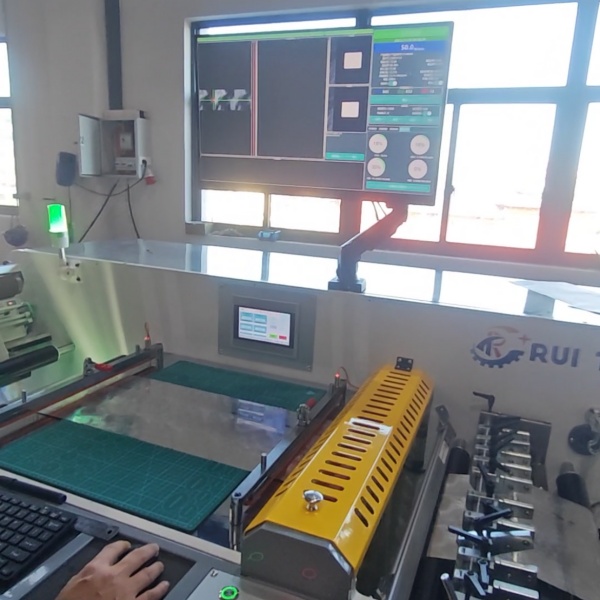
Deep learning systems depend a lot on data. if there is not enough high-quality labeled images, then the model’s performance will get capped, pretty fast. Manufacturers also need to ask themselves if they really have access to enough historical defect samples and, more importantly, if they can keep a steady data acquisition stream on the production line over time.
Machine vision systems do not demand huge datasets, so they are easier to place in settings where data is scarce or hard to gather. Instead, they lean on expert-defined rules, and on calibration routines, that experienced engineers can set up in a relatively short time.
4. Implementation Complexity and Integration Effort
Machine vision systems are usually quicker to bring up. They fit well into legacy industrial automation systems and can be configured using well-known tools and established frameworks
Deep learning systems need a more tangled setup routine. This usually means data labeling, model training, validation, and then continuous optimization later on. If you want to hook everything into production, you might also need extra computing stuff like edge AI devices or GPU-capable processors. Even if that makes the first phase harder, it can ease the long term need for manual fine-tuning.
5. Transparency, Control and Compliance
In many industrial settings, interpretability matters a lot. Machine vision solutions tend to be more transparent, since each detection is driven by explicit rules that engineers can actually review and tune. That makes it easier to troubleshoot and keeps the system behavior more consistent.
Deep learning approaches, on the other hand, often behave like “black boxes”, where the basis for a decision is not really easy to spell out. Even though explainable AI methods are getting better, it still counts as a risk factor in regulated sectors, or places with strict quality auditing rules.
6 . Maintenance and Long-Term Scalability
The expectations around maintenance also look very different. Machine vision systems often need manual updates whenever product layouts shift, or when the defect definitions are reworded. After a while, this can quietly raise the engineering workload, especially in production settings that are highly variable, and you still need stable results.
Deep learning systems move maintenance away from tweaking rules and toward data care, and later on model retraining. If the setup is done well, this can actually help scalability because new defect categories can be added through extra training, instead of going back to rewrite inspection logic from the beginning.
Summary
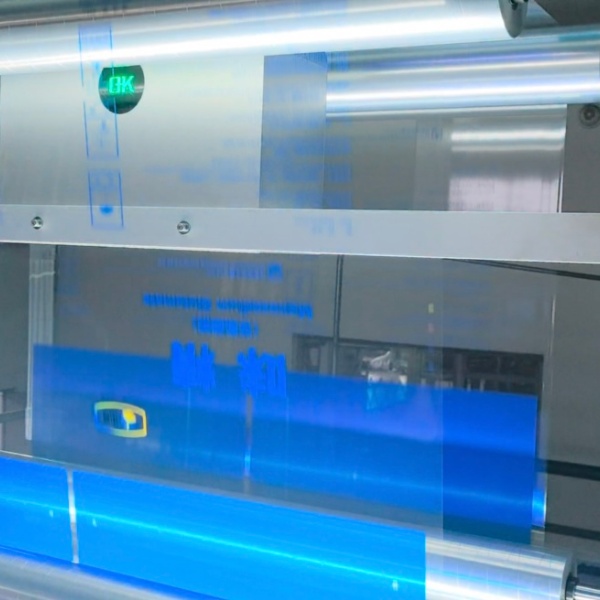
- Machine vision remains the preferred choice for controlled, high-speed printing production lines with well-defined defect types
- Deep learning offers clear advantages in dynamic environments with complex or evolving defect patterns.
- In many modern factories, the most effective strategy is not choosing one over the other, but evaluating how each technology fits into a broader hybrid inspection architecture, combining the precision of machine vision with the adaptive intelligence of deep learning to achieve robust, scalable quality control.
Final Thoughts
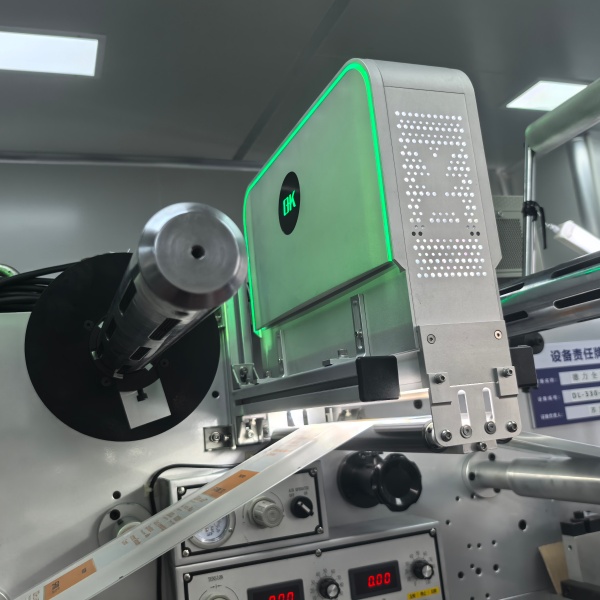
Deep learning and machine vision systems represent two distinct but complementary approaches to printing inspection. Since printing technologies keep expanding and quality standards keep getting tougher, the future of quality inspection systems for printing machines will likely lean on combined methods, where both techniques work together. That kind of integration can provide precision, a more intelligent decision process, and scalability inside one quality control framework.