
How Vision Inspection Systems Improve Pharmaceutical Packaging
Pharmaceutical packaging matters because it keeps medicines safe and keeps the medicine’s quality stable. This is true from the first pack to the end user. Tablets, capsules, liquid drugs, injectables, and other medical items must meet strict quality requirements before reaching the market. A small issue can still cause big problems. For example, the label can be wrong, a tablet is missing, a blister is cracked, or the batch code is hard to read. When that happens, recalls may follow. Regulators may also raise concerns. Patients could face real risk too.
Traditional manual inspection is often tough to identify every defect. This is especially true on fast pharmaceutical production lines. People can get tired over time. They may also miss small flaws during long shifts. Visual inspection can vary from one worker to another. That inconsistency makes it harder to catch every defect.
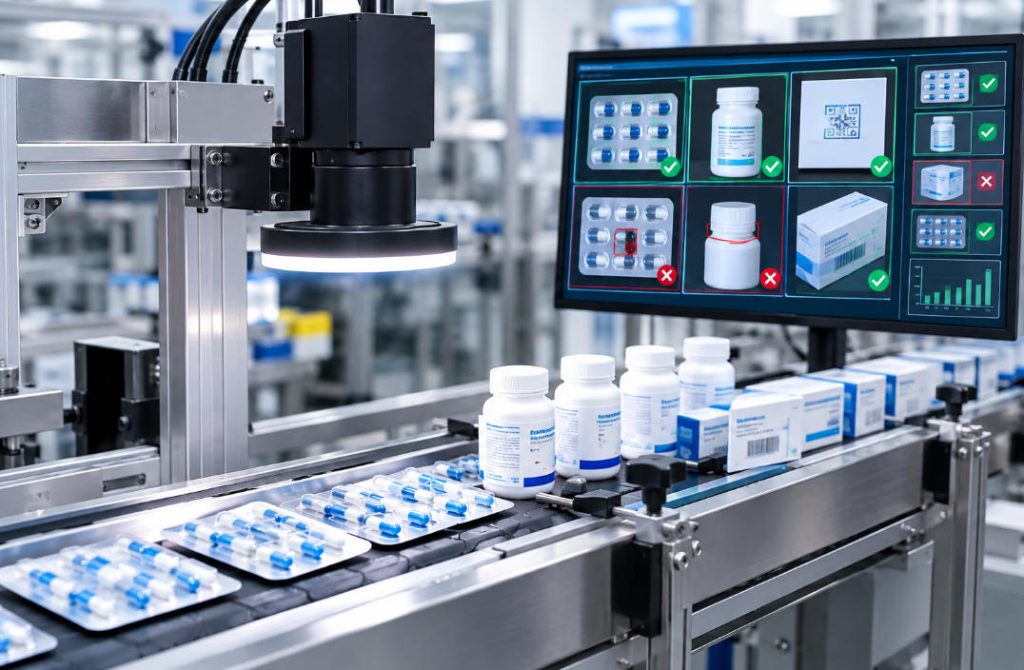
Vision inspection systems provide an automated solution for pharmaceutical packaging quality control. These systems use industrial cameras, specialized lighting, image processing, and artificial intelligence (AI). As products move on the line, the system can scan them quickly. It can detect defects, verify packaging information and help manufacturers maintain consistent quality standards.
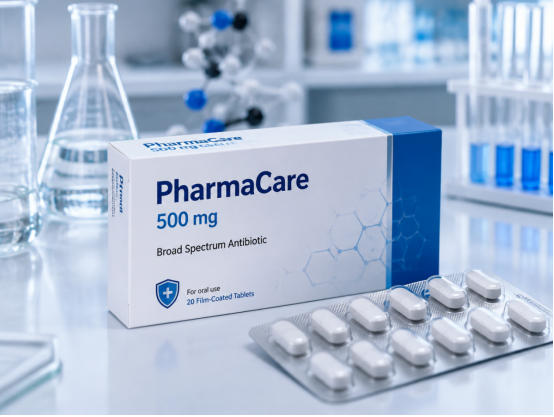
Table of Contents
An Overview of Vision Inspection Systems in Pharmaceutical Packaging
A vision inspection system uses cameras and software to look at products and packaging. It takes images while items run on the conveyor. Then it compares what it sees to set quality rules.
What it inspects depends on the job. It can check blister packs, bottles, cartons, labels, caps, seals, and printed text. Some systems go further. They use AI routines to find tricky defects that can be hard to see with older methods.
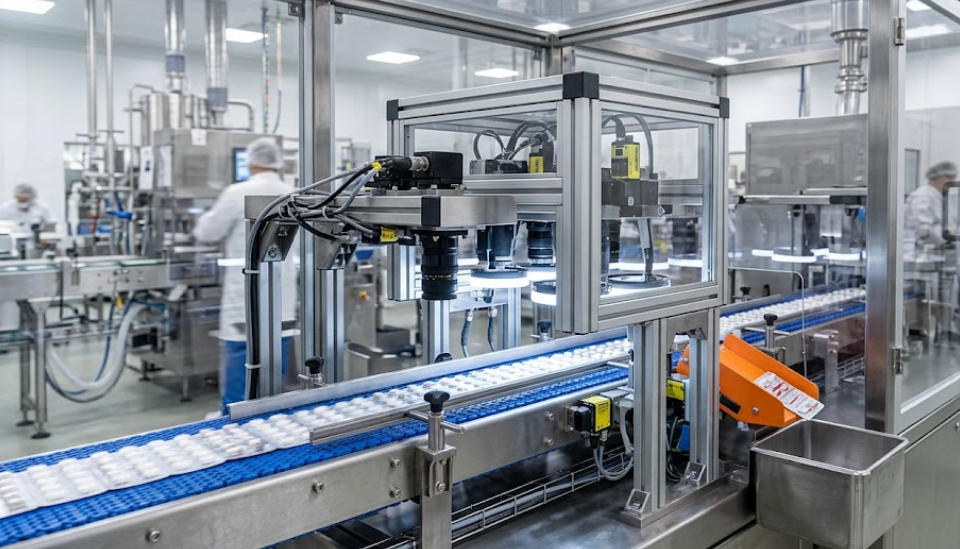
A typical pharmaceutical vision inspection system includes industrial cameras and lighting. It also includes image capture parts, processing software, and links to line controls. If the system finds a defect, it can sound an alarm. It can also log the result. In some cases, it can reject the item automatically.
These systems can fit into packaging lines. They can run while production keeps going. That means manufacturers can support quality checks without stopping throughput.
Key Advantages of Using Vision Inspection Systems in Pharmaceutical Packaging
1. Detecting Packaging Defects with Greater Accuracy
Vision inspection systems can find packaging defects with stable repeatability. Packaging has to block contamination, moisture, light, and physical harm. If the pack is flawed, those protection levels can fail. That can make the product not fit for sale or distribution.
Vision systems can inspect packaging components for visible abnormalities. The 100% defection systems can find cracked blister cavities, damaged cartons, bent or deformed cap finishes, seals that do not look complete, and labels that sit in the wrong place. Depending on the setup, these systems may also catch scratches, dirty surfaces, missing parts, and other defects that mainly show up by sight.
Take blister packs as an example. The system can check each cavity to confirm there is a tablet or capsule inside. It can flag missing items, broken products, and items that look wrong. For bottle formats, it can check cap fit, label position, and a set of visible features that are chosen for inspection.
Catching these issues early helps manufacturers remove bad packs before later steps. This cuts down extra work after the first checks. It also lowers waste and helps keep bad products from getting to customers.
2. Verifying Labels and Printed Information
Label accuracy matters in pharma work. Packaging text supports correct use by healthcare staff, distributors, and patients.
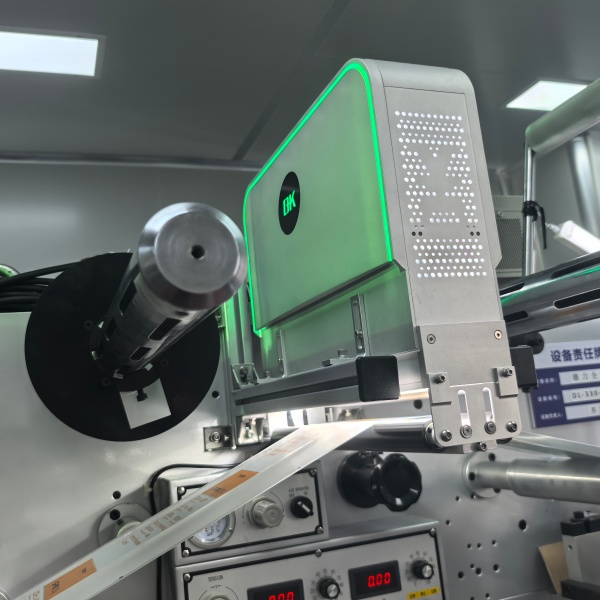
Wrong product names, strength values, expiry dates, or batch IDs can cause compliance and tracking trouble. Vision inspection systems can reduce this risk by checking what is printed on labels, cartons, bottle areas, and blister foils.
Optical Character Recognition and Verification
Optical character recognition (OCR) turns printed letters into text a computer can read. Optical character verification (OCV) then checks if what was printed matches what should be there. Together, they can be used for batch numbers, make dates, expiry dates, and other changing data fields.
The label inspection system can line up captured text with the approved production details. It can then flag characters that are missing, cut off, or wrong. It can also point out print faults like blurred characters, smudges, and weak contrast, as long as the defects fall within what the inspection setup can see.
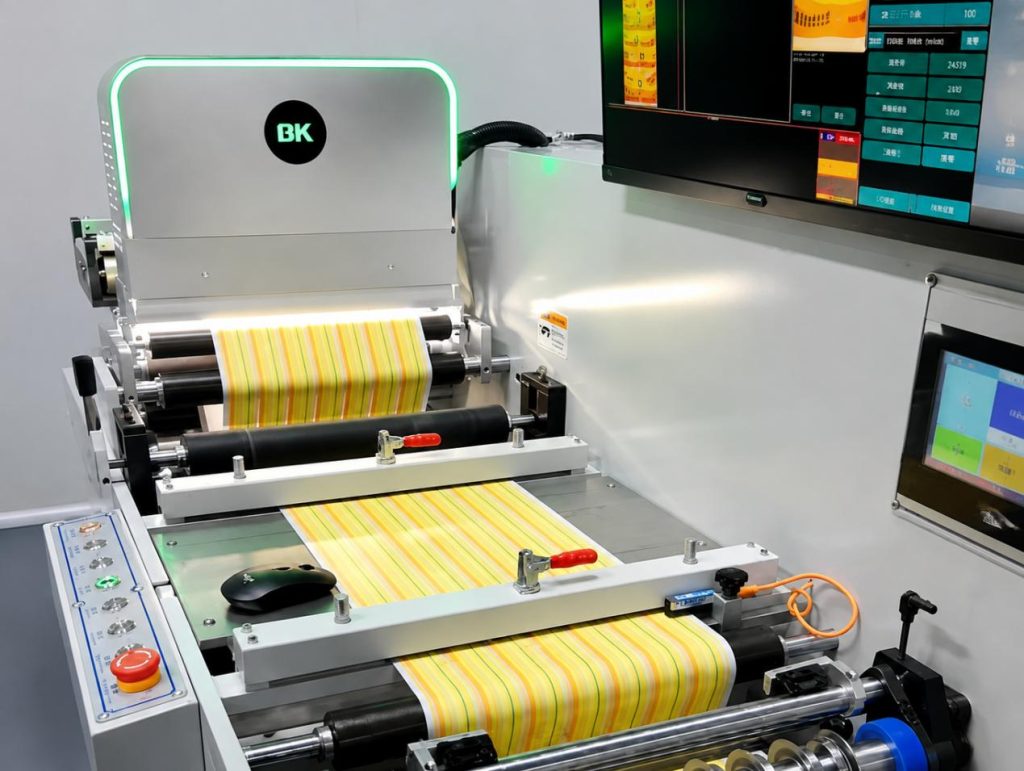
Barcode and QR Code Inspection
Vision systems can read barcodes, two-dimensional codes, and other machine-readable markings. They can verify that a code exists, that it can be read, that it sits in the right spot, and that it matches the product or pack data it is linked to.
This is particularly valuable for pharmaceutical serialization and traceability processes. However, reading a code alone does not establish that a product is authentic or that its complete serialization record is valid. These checks require appropriate data systems and verification procedures.
By automating label and code inspection, pharmaceutical manufacturers can reduce the risk of packaging mix-ups and improve the reliability of product identification.
3. Improving Inspection Speed and Production Efficiency
Pharmaceutical packaging lines run fast. They push out many units in short periods. In that setup, human checks can fall short. This is especially true because each package needs several quality reviews.
Machine vision can take pictures quickly. It can analyze images within the time budget of the production line. More than one camera can look at a pack at the same moment. Different views can be checked during the same pass. That means several quality points get reviewed together.
One system can scan a medicine carton as it travels on a conveyor. It can check label placement. It can read printed batch details. It can verify barcode readability. It can also look for visible carton damage.
Using automation can lower the amount of repeated manual work. It also frees staff to handle outliers. Operators can spend more time on process monitoring and fixes. It can also reduce stalls that come from slow inspection steps.
How much faster the line runs depends on several items. Line speed matters. Image detail matters. Camera resolution matters. Lighting matters. Processing power matters. Also, the count of inspection locations matters. Plants should test that the system can flag the right defects at the planned operating speed.
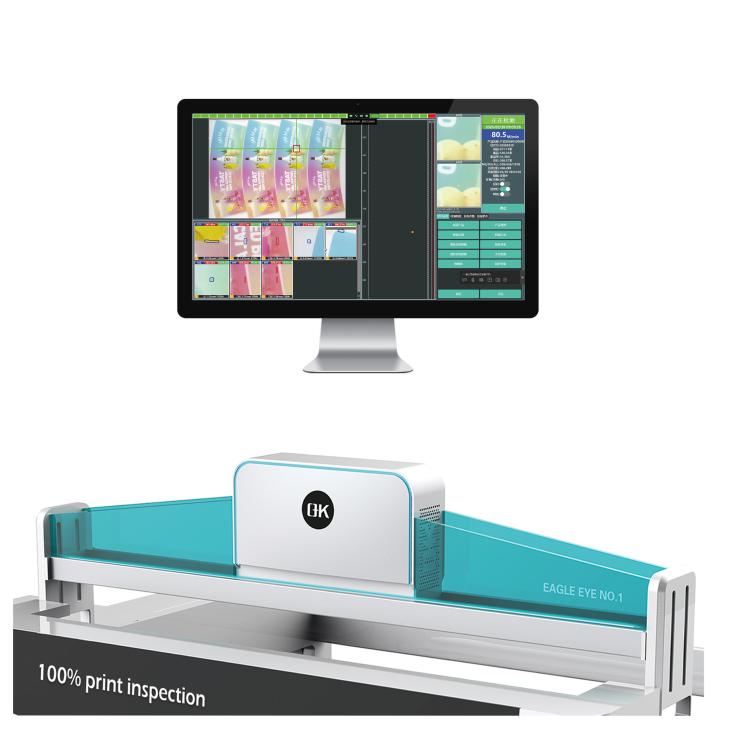
4. Supporting Regulatory Compliance and Product Traceability
Pharmaceutical manufacturers work under strict rules. Quality and regulatory demands are not optional. What is needed can vary by region and product type. Packaging work may need to match GMP expectations. It may need to follow labeling rules. It may need to meet data integrity demands. It may also need to meet serialization requirements.
Vision inspection system helps with these goals. It provides consistent checks. It also creates electronic logs of inspection results.
With the right setup and validation, the printing quality inspection system can save defect findings. It can log the time of inspection. It can store product identifiers. It can note rejection events. It can also keep other production details tied to the checks. Quality groups can use those logs to review nonconformities. They can spot repeat trouble spots. They can show that set inspection steps were followed.
If the system connects to MES, supervisory control, or quality platforms, traceability can get stronger. Inspection outcomes can be tied to batches and process records.
Still, adding a vision unit does not automatically satisfy regulations. Manufacturers have to set up validation steps. They must use access controls. They must set rules for keeping records. They must run change management. Other controls may also be required by the rules and the quality system.
5. Reducing Human Error and Inspection Costs
Manual inspection relies on people. It depends on skill and care. It also depends on daily conditions. Long shifts can strain attention. Repeated tasks can lead to slips. Weak lighting can hide issues. High throughput can make missed defects more likely. It can also lead to mixed decisions across staff.
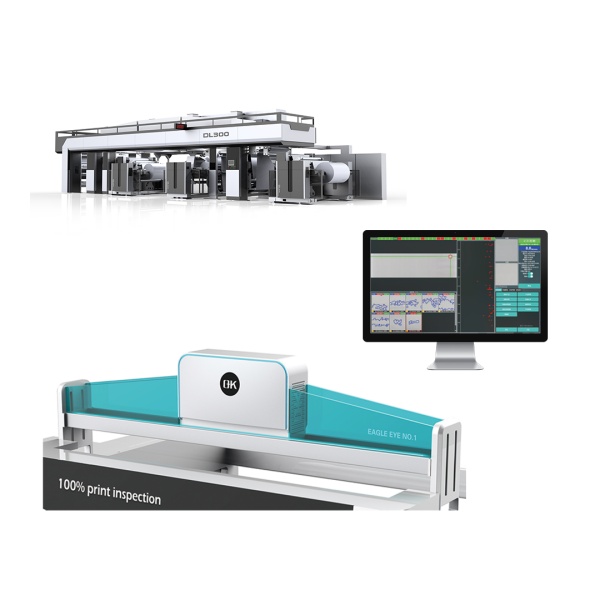
Vision inspection systems lower variation by running the same inspection steps on every package. After the setup is done and the checks are confirmed, the system repeats the same defined tests for the full production run. It does this without tiring the way people do.
Automatic reject tools can also take out items that do not meet the standard. This can happen before the products move into shipping cases or before they are allowed to go out for distribution. With this approach, companies can cut spend linked to redo work, recalls, customer complaints, and waste that should not be produced.
There is a front cost. Cameras, software, system setup, upkeep, and validation must be planned. Even so, the payback over time can make sense. Manufacturers can judge the full cost over the long term, then compare that with better defect finding, improved use of staff time, higher throughput, and steadier quality results.
6. Applying AI to More Complex Packaging Defects
Basic machine vision usually uses set rules, measurements, and fixed image thresholds. This works well when the job is clear, like checking where a label sits, measuring size, or reading a barcode.
In pharmaceutical packaging, the defects do not always look the same. Wrinkles, odd surface marks, uneven print issues, and shifts in overall appearance can be hard to sort when only fixed rules are used.
AI-powered vision quality inspection systems can learn from example images that show both good and bad products. With the right model and training set, it may catch small look changes, group defect categories, and perform better on harder visual checks.
For instance, an AI model may separate minor print differences that are acceptable from defects that should be removed. This can reduce rejects that do not need to happen while still keeping the required quality level.
AI systems still require careful development, representative training data, performance testing, and ongoing monitoring. Their outputs should be validated against clearly defined acceptance criteria, especially in pharmaceutical applications where missed defects may affect product quality or patient safety.
7. Enabling Real-Time Quality Monitoring and Process Improvement
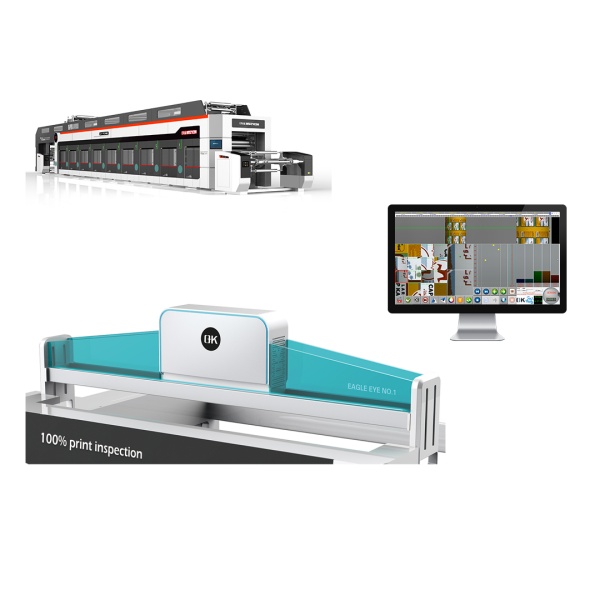
Vision inspection systems not only flags bad packages. It can also provide data on how the packaging line is doing as a whole.
When results are collected over time, manufacturers can track defect trends, compare reject rates by batch, and spot repeating issues. If label alignment problems jump up fast, that can point to a setup change on the labeling machine. If printing defects show up again and again, it may point to trouble with a coding device or the printing surface.
Real-time alerts let operators catch unusual conditions early, before they cause damage across many products. Past inspection records can also support root-cause work and help teams keep improving over time.
If inspection results link to other plant systems, companies may be able to tie packaging defects to machine settings, line speed, specific material lots, or room conditions on the floor.
This changes how quality is handled. Instead of only throwing out bad items, teams can find the process factors that lead to defects and then fix those drivers.
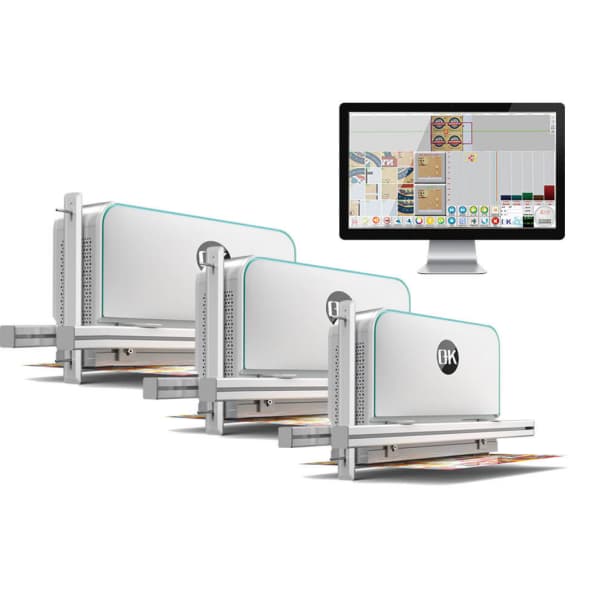
How to Choose a Vision Inspection System for Pharmaceutical Packaging
Selecting the right vision inspection system requires an understanding of the product, packaging format, inspection objectives, and production environment.
| Key Factor | What to Consider | Why It Important |
| Inspection Requirements | Identify defects such as missing tablets, damaged blister packs, incorrect labels, and defective seals. | Ensures the system addresses critical pharmaceutical packaging quality risks. |
| Inspection Accuracy | Evaluate detection capability, false rejection rates, and missed-defect risks. | Helps maintain product quality and reduce defective packages reaching the market. |
| Camera Resolution | Choose suitable image resolution for inspecting small defects, fine print, and tiny components. | Improves the visibility of critical packaging details. |
| Inspection Speed | Match image acquisition and processing speed to the packaging line’s production rate. | Maintains throughput without compromising inspection performance. |
| Lighting Conditions | Consider specialized lighting for reflective foils, transparent materials, curved bottles, and glossy labels. | Improves image contrast and helps reveal difficult-to-detect defects. |
| AI and Image Processing | Assess whether rule-based vision, AI-based detection, OCR, or OCV is required. | Supports reliable inspection of both standardized and complex visual defects. |
| Packaging Compatibility | Check compatibility with cartons, bottles, blister packs, labels, vials, and other packaging formats. | Ensures effective inspection across different product types. |
| Barcode and Code Verification | Verify barcode readability, QR codes, batch numbers, and expiration dates where applicable. | Supports accurate product identification and traceability. |
| Integration with Production Lines | Evaluate compatibility with conveyors, packaging machines, rejection devices, MES, and other data systems. | Enables efficient inspection and coordinated production control. |
| Regulatory Compliance | Consider applicable GMP requirements, electronic record controls, validation, and data integrity. | Supports quality assurance and regulatory obligations in pharmaceutical manufacturing. |
| Data Recording and Traceability | Check defect logging, inspection records, timestamps, batch associations, and reporting capabilities. | Simplifies investigations, audits, and quality trend analysis. |
| False Rejection Management | Assess how the system handles acceptable product variations and uncertain inspection results. | Reduces unnecessary waste while maintaining quality standards. |
| Ease of Use and Changeover | Evaluate recipe management, product setup, operator training, and format-change procedures. | Reduces downtime when switching between products or packaging designs. |
| Maintenance and Technical Support | Review calibration, software updates, spare parts, service availability, and vendor expertise. | Helps maintain consistent performance and minimize unexpected downtime. |
| Total Cost of Ownership | Consider initial investment, installation, validation, training, maintenance, and operating costs. | Helps determine long-term value rather than focusing only on purchase price. |
| Scalability and Future Needs | Consider future production speeds, new packaging formats, additional inspection points, and software upgrades. | Protects the investment as production requirements evolve. |
Prioritize inspection accuracy, defect coverage, production speed, and regulatory validation. The best vision inspection system is not necessarily the one with the highest camera resolution or the most advanced AI; it is the one that reliably detects the required defects under actual production conditions while integrating with the pharmaceutical manufacturer’s quality management processes.
Final Thoughts
Vision inspection systems improve pharmaceutical packaging through automating defect detection, verifying labels and codes, increasing inspection consistency and supporting production traceability. They help manufacturers identify nonconforming packages, reduce avoidable waste, improve operational efficiency, and strengthen quality control throughout the packaging process. As machine vision, AI tools, and industrial automation keep advancing, these systems can handle tougher checks at modern line speeds.
For pharmaceutical manufacturers, the best path is to select a vision inspection system that fits the packaging risks you face. It should connect with the equipment you already use. It must also be validated against your quality standards. When implemented correctly, vision inspection becomes an important part of a comprehensive strategy for delivering safe, accurately labeled, and consistently packaged pharmaceutical products.