
How Lighting Affects Print Inspection Accuracy?
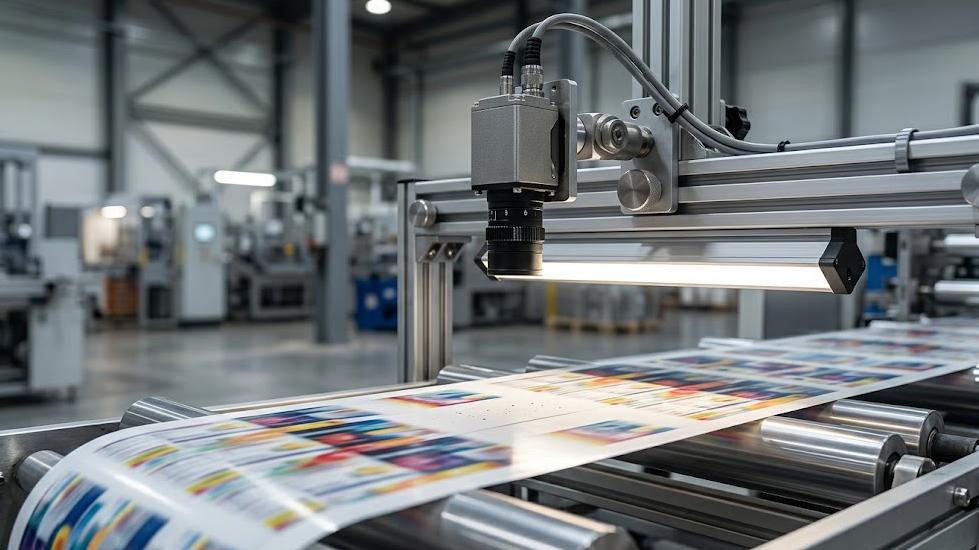
In a full printing inspection system, the camera is only one part of the inspection scheme, and lighting is equally important.
Even with high-resolution industrial cameras, if the light is too dim, too bright, unevenly distributed, or improperly arranged, it may result in the missed detection of minor defects. The same printing defect may present completely different characteristics under different lighting conditions.
Therefore, appropriate lighting is the key to ensuring the accuracy and stability of the inspection. It can enhance the image contrast, make the defects easier to identify, and help the system distinguish between printing defects and normal process deviations.
Why Lighting Matters in Print Inspection
The machine vision system detects defects by analyzing the images captured by the camera. If the defect and the background cannot be clearly distinguished, the image information obtained by the detection software will be affected.
Good lighting can enhance the contrast between the normal printed content and the defect, making the following issues easier to identify:
- Omission
- Stains
- Color difference
- Scratch
- Stripes
- Stains
- Registration deviation
For instance, tiny ink dots can be clearly visible under appropriate lighting, but may be difficult to detect under another type of illumination.
Therefore, lighting not only provides light for the roll material, but also directly affects the imaging effect of the camera on the printed surface.
The more suitable the lighting is, the higher the image contrast will be, and the more reliable the defect detection will be.
How Light Intensity Affects Defect Detection
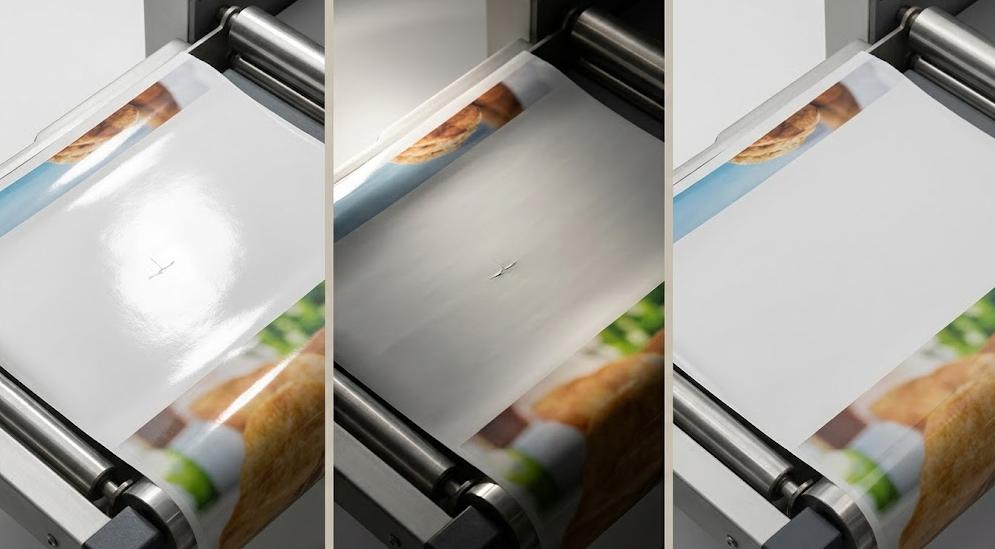
During the printing inspection process, the light intensity needs to be maintained within an appropriate range.
If the light is too weak, the image will become darker or noisy, reducing the visibility of subtle defects and color variations, thereby increasing the risk of missed detections, especially when inspecting fine printing details in high-speed production.
Excessive light also affects the inspection results. Overexposure may cause loss of details in the bright areas, and glossy materials are prone to reflect light under strong light, interfering with defect identification.
Therefore, the lighting should not be too bright; it should be stable and create sufficient contrast between the defect and the surrounding area.
For a print inspection system, light intensity should be considered together with camera exposure, material characteristics, inspection speed, and the type of defect being detected.
How Lighting Angle Changes Inspection Results
The direction of lighting directly affects the imaging effect of the camera.
Direct light can provide a more uniform illumination, which is suitable for routine printing inspections, such as missed printing, color differences, and large-area printing defects.
For inspection objects with obvious surface features, low-angle lighting is more effective. Inclined light can enhance the contrast between light and dark, making scratches, folds, embossed textures, and other surface irregularities more obvious.
Glossy or reflective materials are more suitable for using diffused light. It can evenly cover the inspection area and reduce intense concentrated reflections.
Therefore, the lighting angle should be selected according to the inspection target. Printing and color defects usually require uniform light and stable contrast, while surface defects are more suitable for directional lighting to enhance the defect features.
How Material and Print Color Affect Lighting Requirements
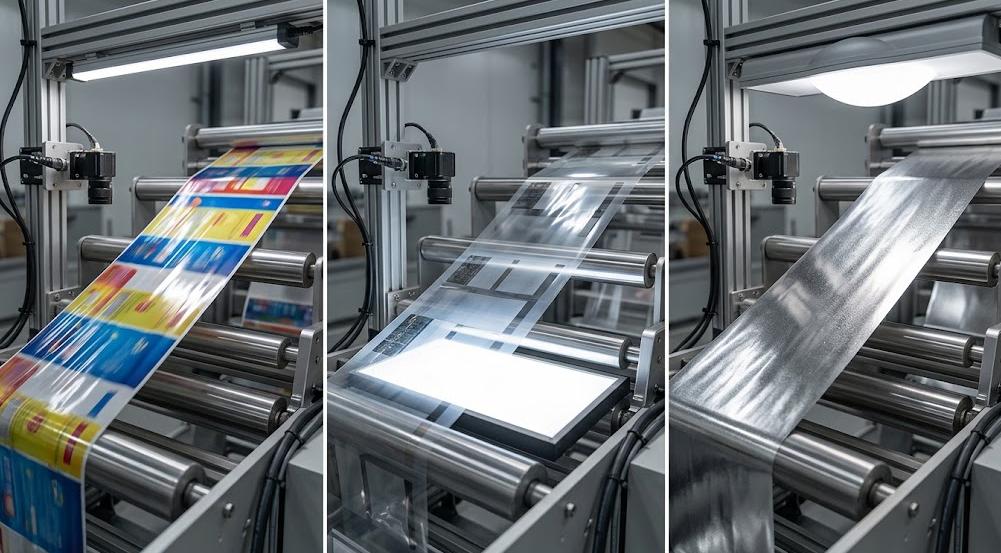
There is no universal lighting solution that is suitable for all printing materials. Different rolls have different characteristics in terms of light reflection, absorption and transmission.
For example:
- Glossy film: High reflection can cause glare and mask printing details.
- Transparent film: Background conditions may affect image contrast.
- Aluminum foil: High reflectivity requires precise control of light direction and intensity.
- Matte paper: Weak surface reflection usually provides a more stable image.
- Composite packaging materials: Different surface layers may produce different reflection effects.
Printing colors also affect imaging. Dark areas absorb more light, while bright or white areas reflect more light. When the lighting is uneven, different areas of the same printed item may show gray-scale differences, affecting defect identification.
Therefore, the lighting scheme should be selected based on the material characteristics and the type of defect to be detected.
How to Choose the Right Lighting for Print Inspection
The selection of an appropriate lighting scheme mainly depends on four factors: defect type, material properties, lighting uniformity, and stability.
- Matching the defect type: Color deviation and ink omission usually require uniform lighting and clear contrast; surface defects such as scratches and wrinkles are more suitable for directional or low-angle lighting.
- Considering material properties: Glossy films, transparent films, aluminum foil, and composite packaging materials are prone to reflection. Using diffused light or adjusting the lighting angle can reduce glare and improve image quality.
- Ensuring lighting uniformity: For continuous roll material inspection, the entire inspection area needs to maintain consistent illumination. Uneven surface brightness will affect image processing and increase the risk of false alarms or missed detections.
- Maintaining lighting stability: During high-speed production, changes in light intensity, position, or reflection may affect the inspection results. Therefore, the lighting needs to remain stable.
The appropriate lighting is not about pursuing higher brightness, but rather providing stable, uniform, and sufficiently contrasted images based on the material and defect type.
Final
Appropriate lighting can help the machine vision system clearly display the details of the printed surface, providing a stable image foundation for high-precision defect detection, thereby enabling “100% defect detection“.