
How Vision Inspection Systems Improve Flexographic Printing Quality
Flexographic printing gets used a lot in packaging, labels, flexible packaging, and paper product industries. It runs fast, works well with many flexible materials, and costs less than several other methods. However, maintaining consistent print quality throughout long production runs can be challenging. Print can drift. Issues such as color variation, registration errors, missing text, ink defects, scratches, and surface contamination can negatively affect the final product.
Because of this, many manufacturers now rely on vision inspection systems. These tools use industrial cameras, advanced image processing, and real-time monitoring technology. They help find print problems early, track how consistent the line stays, and support overall quality control.
This article looks at how vision inspection systems improves flexographic printing quality. Their core tasks, the main advantages, and why these systems matter in modern printing production.
Understanding Vision Inspection Systems in Flexographic Printing
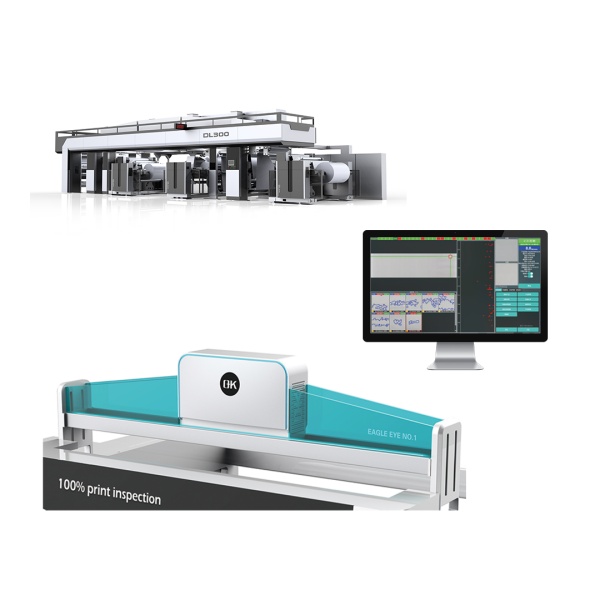
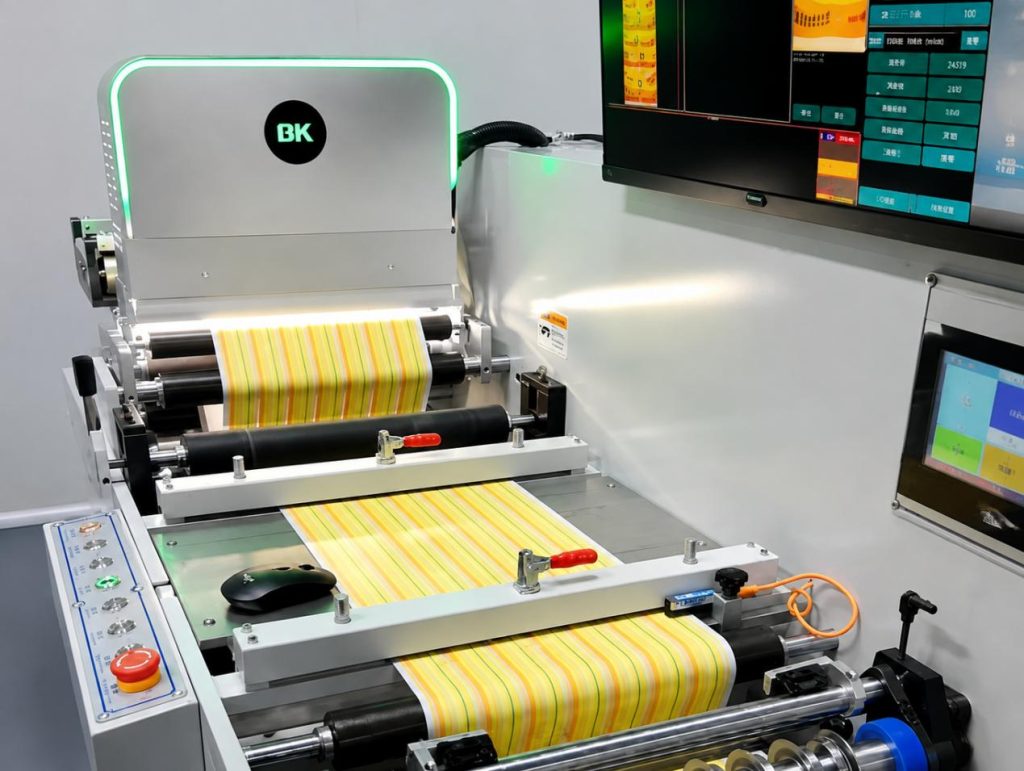
A vision inspection system is an automated quality control system. It uses cameras, lighting, software for image analysis, and logic to make decisions while the job is running.
During flexographic printing, the print quality inspection system takes images as the web passes through the press. Those images are then checked against stored reference images or set quality rules. The goal is to spot mismatches and likely defects.
This approach differs from manual checks. People depend on training and eyesight. They can miss issues when the speed is high. Vision systems can watch the process nonstop while production keeps moving.
A typical vision inspection system consists of several components:
- Industrial cameras: Take detailed images of what prints as it moves.
- Lighting: Keeps brightness steady so flaws and surface issues show up clearly.
- Image processing software: Reviews the captured images and compares them to a target standard.
- Defect detection methods: Flag things like missing characters, uneven color, stains, and other print faults.
- Operator interfaces: Show results and send quick warnings when something fails.
- Data handling: Saves the results and helps with quality review and traceability.
Together, these components create an automated inspection process that helps flexographic printing manufacturers maintain stable and consistent output quality.
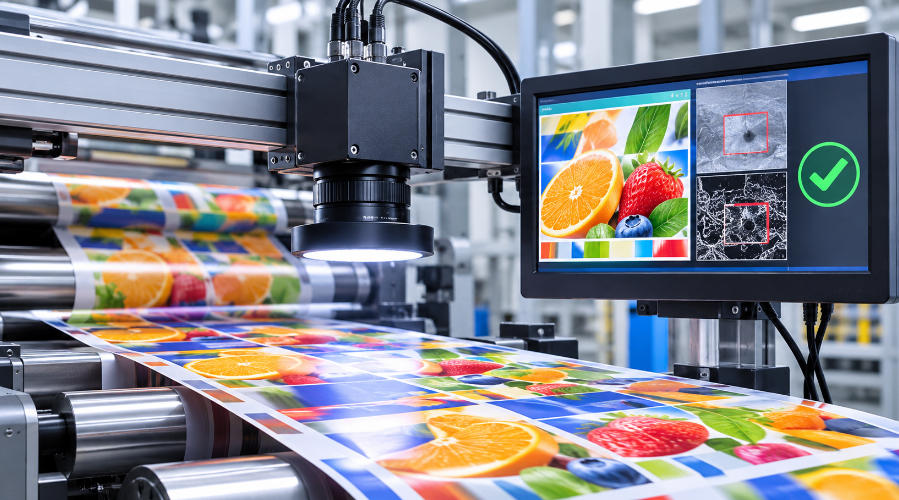
Table of Contents
Key Advantages of Using Vision Inspection Systems in Improving Flexographic Printing Quality
1. Detecting Printing Defects in Real Time
One of the most important ways vision inspection systems improve flexographic printing quality is through real-time defect detection.
During fast printing, issues can show up with no warning. Ink can get dirty. Plates can get hurt. The material can behave badly. Parts of the press can also shift a bit. If the team does not catch the defect right away, lots of bad units can roll off before anyone realizes it.
Vision inspection systems watch the printed sheets as they move. They find defects while production is running.
Common problems the system can flag include:
- Missing or partly printed areas.
- Ink dots and stray stains.
- Scratches and other surface marks.
- Text that looks broken, or edges that blur.
- Stripes, streaks, and smears.
- Wrong images, graphics, or pattern placement.
- Dust, debris, and other foreign bits.
Once a defect shows up, the system can alert the operators right away. Alerts can be visual or audible. Depending on the setup, it may also mark the area, reject bad output, or connect to production control tools.
Because the check happens in real time, fewer bad products reach the end. Operators can react before small issues grow into bigger ones.
2. Improving Color Consistency and Accuracy
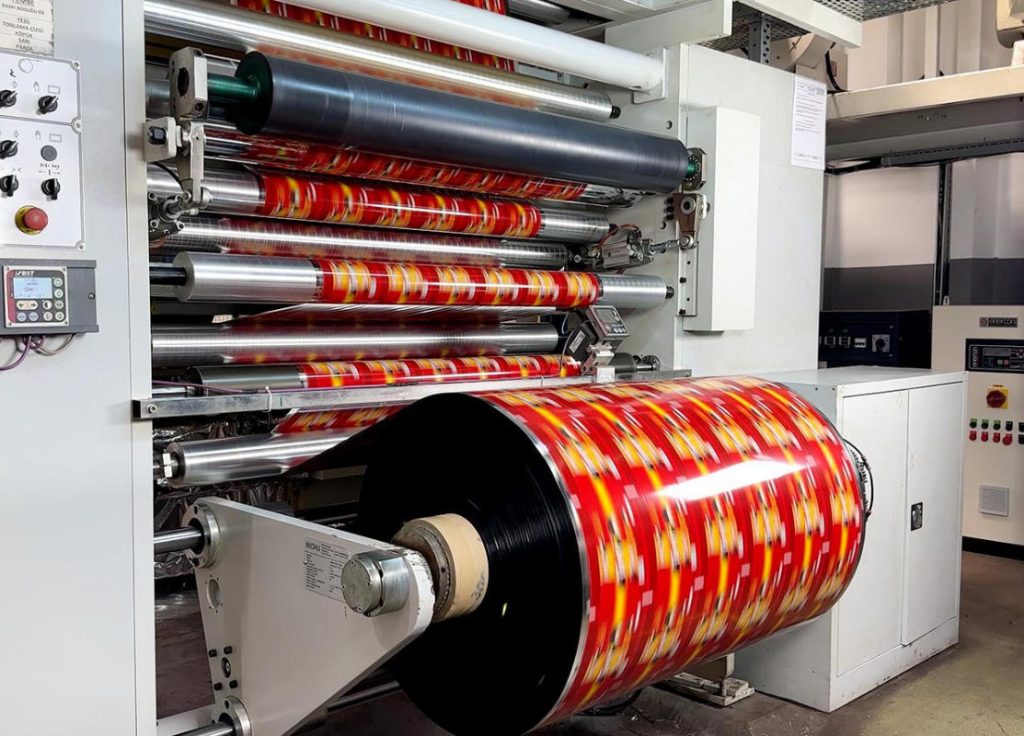
Color consistency is essential in flexographic printing. This matters a lot for brand packs, product labels, and commercial print jobs. Even a small color shift can change how a package looks. It can also weaken brand recognition.
Keeping the same color across a full run is not easy. Ink viscosity may change. Pressure may vary. The substrate can differ. Temperature and press speed also affect the results.
Vision inspection systems support color checks by using camera images. The system compares what it sees against approved reference prints or set color targets.
It can detect:
- Color shifts across production batches.
- Patchy or uneven ink spreading.
- Color pair problems.
- Too much ink coverage.
- Too little ink coverage.
- Changes in printed graphics.
If color changes are caught early, operators can make adjustments. They can change ink supply, tune viscosity, and adjust print pressure and other key settings.
Still, it helps to separate camera color checking from spectrophotometric color measurement. Camera systems spot many visible differences. For stricter color control, calibrated imaging gear or special color measurement devices may be needed.
Using both approaches can help manufacturers keep output more stable. It can also improve overall color reproduction.
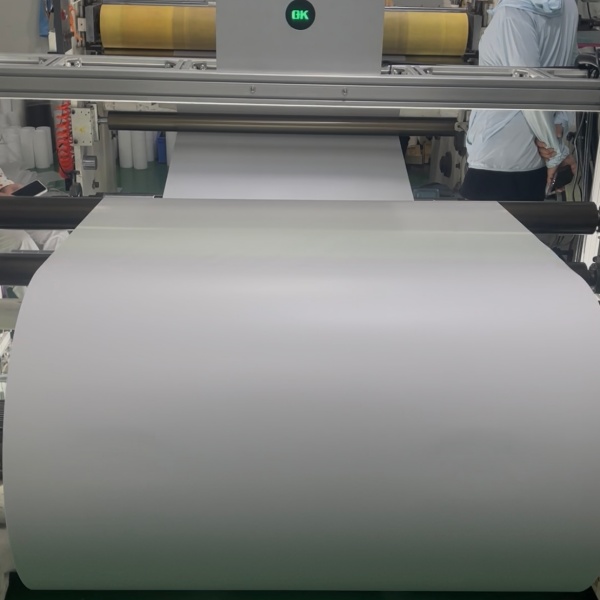
3. Ensuring Accurate Print Registration
Print registration means aligning print layers so they line up on the same substrate. In flexographic printing, this is very important for complex graphics. It is also critical for multicolor packaging and detailed labels.
When registration is off, edges can look soft. Colors can overlap. Images can look warped. White gaps can appear between layers.
Vision inspection systems use cameras and image processing to watch registration marks and printed designs. They check where these marks land on the material. Then they compare the measured positions to set reference points. If the positions do not match, the system flags the misalignment.
Through this approach, the process can pick up:
- Errors in horizontal registration.
- Vertical registration shifts.
- Color layer to color layer offset.
- Wrong placement in repeated patterns.
- Registration changes during ongoing production.
With the right machine control hardware attached, these systems can send feedback to support automatic registration fixes.
Manufacturers benefit from steadier print alignment. They also cut down waste. The final look of the product improves.
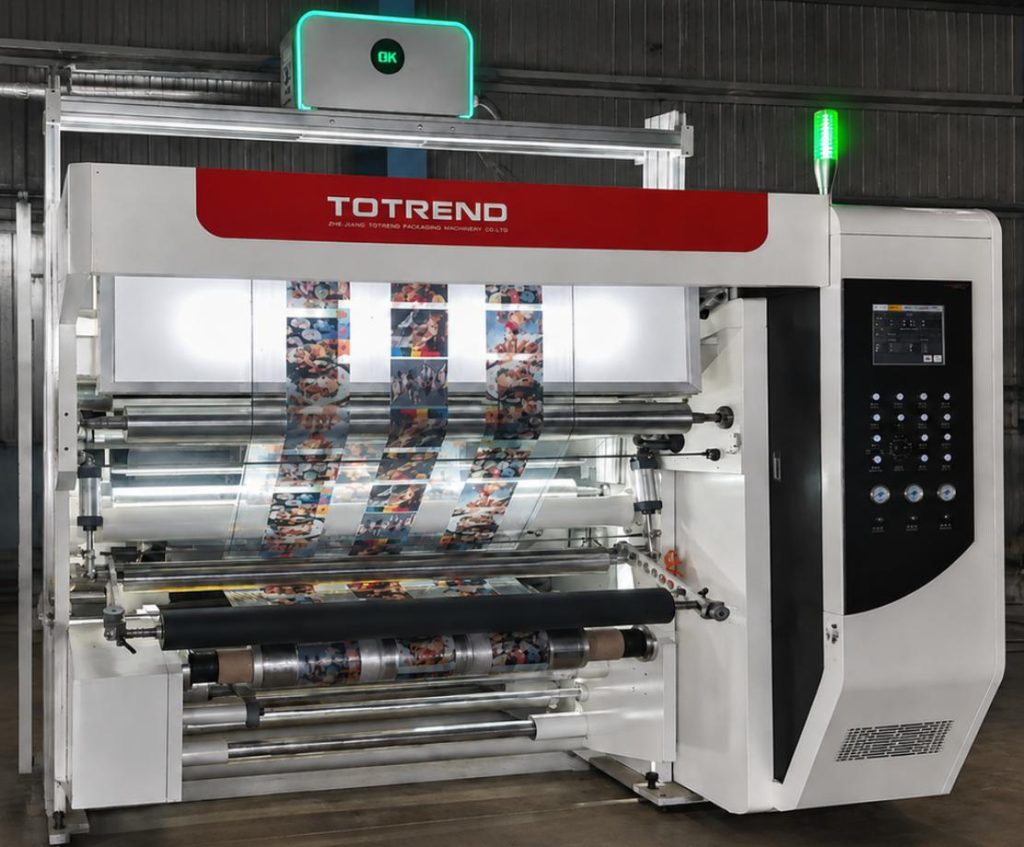
4. Maintaining Consistent Print Quality at High Speeds
Flexographic presses are built for nonstop output. They run at high speed as part of normal work. Faster runs help output. At the same time, they make it harder for people to check quality by hand.
When sheet or web material moves quickly, tiny defects can be easy to miss. Hand checks also vary from person to person. Fatigue can slow judgment. Different experience levels can lead to uneven results.
Automated vision 100% defect inspection system reduces these issues. It captures images over time and processes them quickly.
It can review prints without stopping the line. That means quality checks can stay active during long runs.
Key benefits are:
- Inspection that continues even at high speed.
- Defect finding that stays more steady.
- Less need for constant manual eye checks.
- Quicker detection of print problems.
- Better run-to-run stability.
- More dependable quality documentation.
So, manufacturers can raise output without trading away print quality.
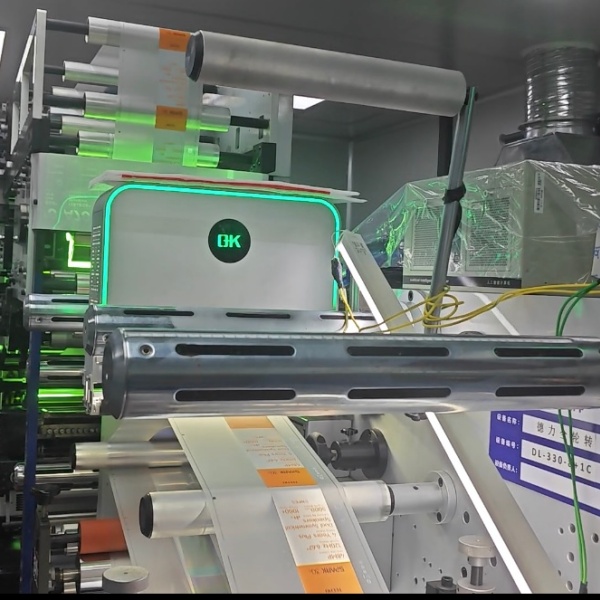
5. Reducing Material Waste and Production Costs
Print defects can cost a lot, mainly when they go unnoticed for a while.
For instance, a damaged plate can cause trouble. Ink spread can also become uneven. In those cases, wrong products may keep being made until a worker notices the issue. Then the firm loses ink, substrates, and labor. Machine time is also lost during the same period.
The vision inspection system aims to limit these losses. It spots defects early.
Once a problem shows up, the team can check the cause right away. They can correct it before more bad materials are produced.
Cost benefits may include:
- Less substrate waste.
- Lower ink use by avoiding needless reprints.
- Fewer finished units that get rejected
- Reduced costs from customer complaints.
- Less time spent on manual quality checking.
- Better use of the printing equipment
By identifying quality problems earlier, manufacturers can reduce unnecessary production expenses and improve overall operational profitability.

6. Improving Quality Control Through Data Analysis
Modern vision quality inspection systems do more than identify individual printing defects. Many advanced systems can also collect, organize, and analyze inspection data throughout the production process.
This information helps manufacturers understand recurring quality problems and identify opportunities for process improvement.
For example, inspection records may reveal that certain defects occur more frequently during machine startup, after material changes, or when production speed increases.
By analyzing these patterns, production teams can investigate the underlying causes and develop more effective maintenance and process control strategies.
Important data analysis functions include:
| Inspection Data | Quality Control Application | Expected Benefit |
| Defect frequency | Identify recurring printing problems | Improve process stability |
| Defect location | Locate specific problem areas | Simplify troubleshooting |
| Color variation records | Monitor color consistency | Improve color management |
| Registration deviations | Analyze alignment changes | Reduce printing errors |
| Production inspection reports | Evaluate overall quality performance | Support quality improvement |
| Historical defect trends | Identify long-term production patterns | Optimize maintenance planning |
With centralized inspection data, manufacturers can make quality management more systematic and evidence-based.
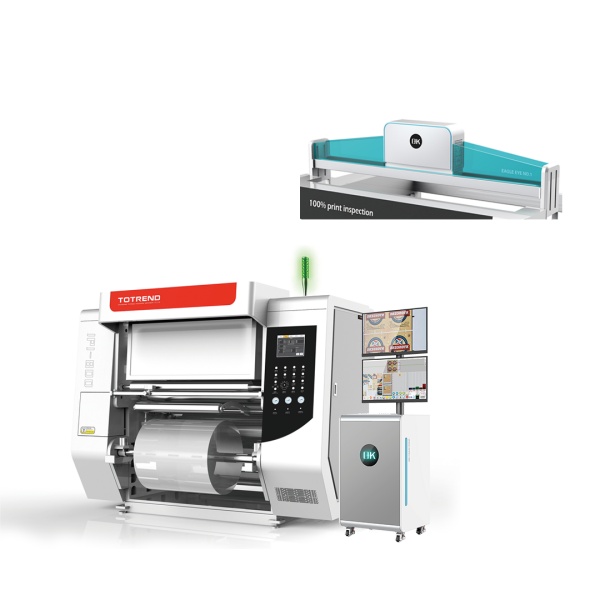
Different Flexographic Printing Applications of Vision Inspection Systems
| Flexographic Printing Application | Inspection Targets | Printing Defects Detected | Quality Improvement Benefits |
| Flexible Packaging Printing | Printed films, graphics, colors, and patterns | Color variation, ink spots, missing graphics, scratches, and registration errors | Ensures consistent packaging appearance and reduces defective film waste |
| Label Printing | Product labels, text, barcodes, logos, and images | Missing text, blurred characters, barcode defects, misalignment, and ink contamination | Improves label accuracy, readability, and brand presentation |
| Corrugated Box Printing | Cardboard surfaces, logos, text, and packaging designs | Uneven ink coverage, incomplete printing, stains, and distorted graphics | Maintains packaging quality and improves print consistency |
| Paper Bag Printing | Printed patterns, brand logos, text, and color areas | Ink smearing, scratches, color differences, and missing printing | Improves visual appearance and ensures consistent branding |
| Carton Packaging Printing | Product information, illustrations, graphics, and registration marks | Incorrect graphics, color deviations, blurred text, and printing omissions | Helps maintain accurate product information and professional packaging quality |
How to Choose the Right Vision Inspection System for Flexographic Printing
Choosing the right vision inspection system is important for achieving reliable inspection results. Manufacturers should consider their printing processes, production speeds, material characteristics, and quality requirements.
| Selection Factor | What to Consider | Why It Important |
| Camera Resolution | Image detail and inspection accuracy | Helps detect small printing defects |
| Inspection Speed | Compatibility with machine speed | Ensures continuous monitoring |
| Web Width | Coverage of the entire printed material | Prevents uninspected areas |
| Lighting Configuration | Material color, texture, and surface characteristics | Improves defect visibility |
| Software Capability | Defect classification and image comparison | Supports accurate inspection |
| Machine Integration | Compatibility with existing printing equipment | Improves workflow efficiency |
| Data Management | Reporting, storage, and traceability | Supports long-term quality control |
| System Stability | Reliability during continuous operation | Reduces inspection interruptions |
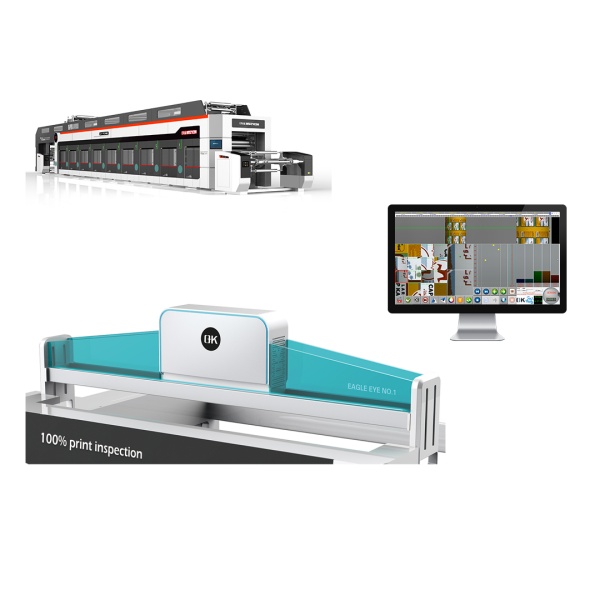
Manufacturers should also consider whether the system supports 100% full-width printing inspection, automatic defect classification, real-time alarms, and integration with existing production management systems.
Final Thoughts
Vision inspection systems help a lot with flexographic print work. They keep watch during runs. They find defects with good precision. They check whether colors match. They also verify print registration. Because of this, manufactureres can notice problems earlier, use less scrap material, keep output moving, and raise how dependable the final items are.
This kind of system shifts quality control away from mostly manual steps. It turns the work into a process that uses data and automation.
For flexographic printing manufacturers aiming for better results, choosing the right vision inspection system can help. It can provide an effective way to improve print quality, strengthen quality management, and remain competitive in an increasingly demanding packaging and printing market.