
How AI is Changing Vision Inspection Systems
Vision inspection systems matter a lot in modern manufacturing. They help check for flaws, confirm product quality, and keep output steady. For a long time, many lines used machine vision with set rules. Traditional machine vision often depends on fixed limits and settings that engineers choose by hand. This works for some jobs, but it can struggle with complex products, variable lighting, subtle defects, and changing production conditions.
Artificial intelligence (AI) is transforming vision inspection systems. AI-based inspection systems can adjust better to new visual input. It can also learn how to recognize complex visual patterns. When industrial cameras and image processing are paired with AI algorithms, defect detection can improve. At the same time, the amount of manual review can drop.
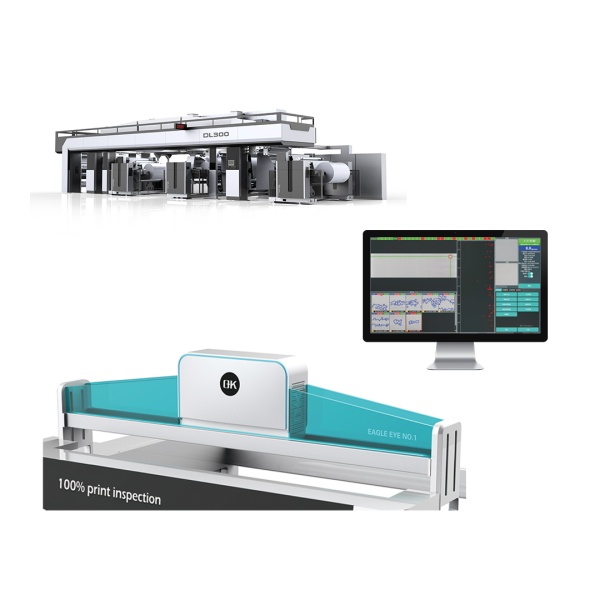
From Rule-based Vision Inspection to AI-powered Vision Inspection
Traditional inspection systems usually follow predefined rules. People set values for brightness, contrast, edges, position, shape, size, and color. Then the system compares each captured image to those rules. The output is usually simple: pass or fail.
AI systems work in a different way. Machine learning and deep learning can learn from many product images. The model studies examples of what looks normal and what does not. After training, it can recognize patterns that match defects or acceptable items. So the system is not only using fixed thresholds.
AI is a good fit when defects are hard to write as math. It can also help when products have natural differences. Those differences can trigger false alarms in older rule-based inspections.
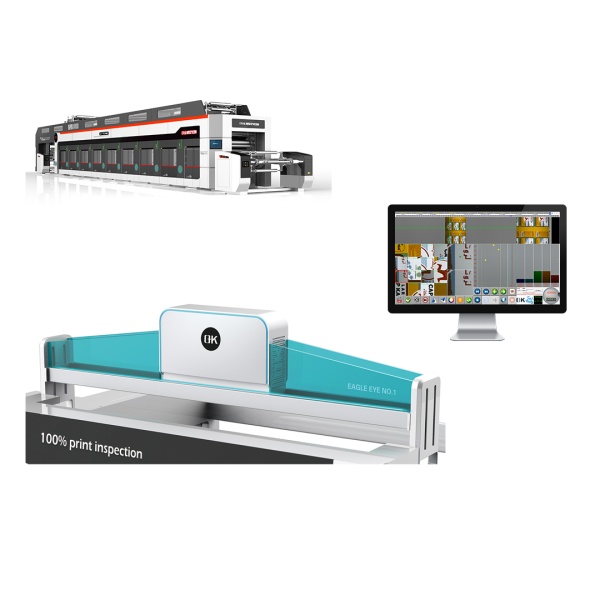
Key Benefits of AI in Vision Inspection Systems
1. Improved Defect Detection
One of the most significant benefits of AI in vision inspection is improved defect recognition.
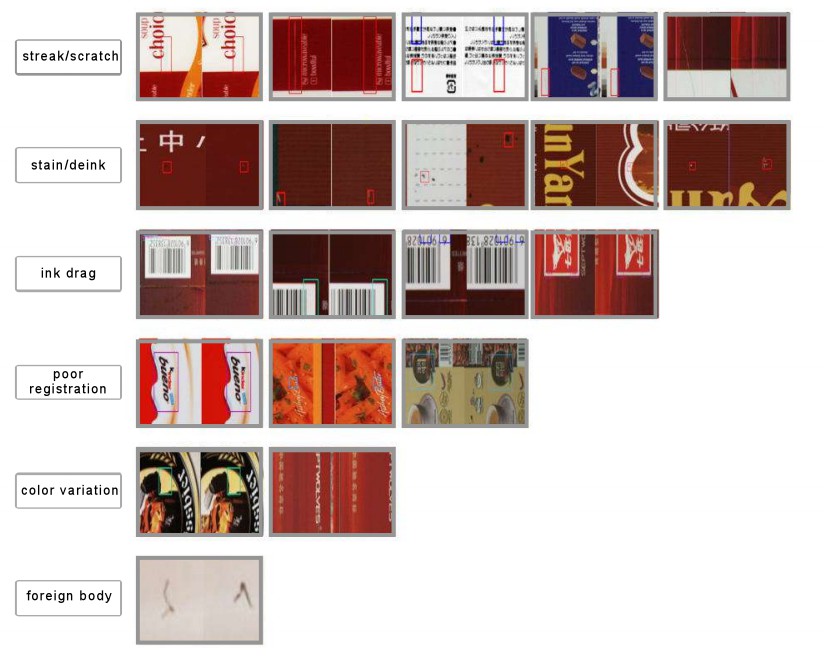
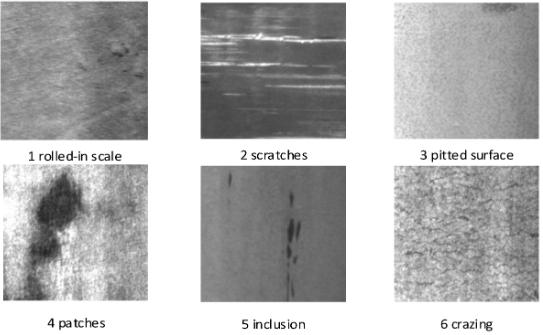
AI can be trained to identify many defect types. This can include scratches, stains, cracks, dents, contamination, missing parts, printing mistakes, uneven surfaces, and assembly issues. Deep learning can also catch defects that change a lot in look. The size and shape can differ, but the model can still flag them.
For instance, in packaging and printing inspection, AI can help find things like:
- Missing or wrong printed text
- Color shifts and registration errors
- Smudges and stains
- Broken or warped characters
- Surface contamination
- Print defects that do not match what was seen before
With this approach, teams can go beyond basic pass fail checks. They can do richer visual quality assessment instead.
2. Better Handling of Product Variation
Factories do not make the exact same product every time. Small changes happen in materials, light, and surface texture. Even tiny size differences can affect how an inspection system reads an item.
Conventional inspection systems sometimes treat small, normal changes as problems, especially when the limits are set too tightly. If you relax those limits, you can miss real defects instead.
AI can reduce this issue by learning what “normal” looks like for a given product. Rather than checking one single part against one hard cutoff, the model can look at several visual cues at the same time.
Because of that, AI inspection may lower false alarms and still find defects well.
3. Real-Time Inspection on Production Lines
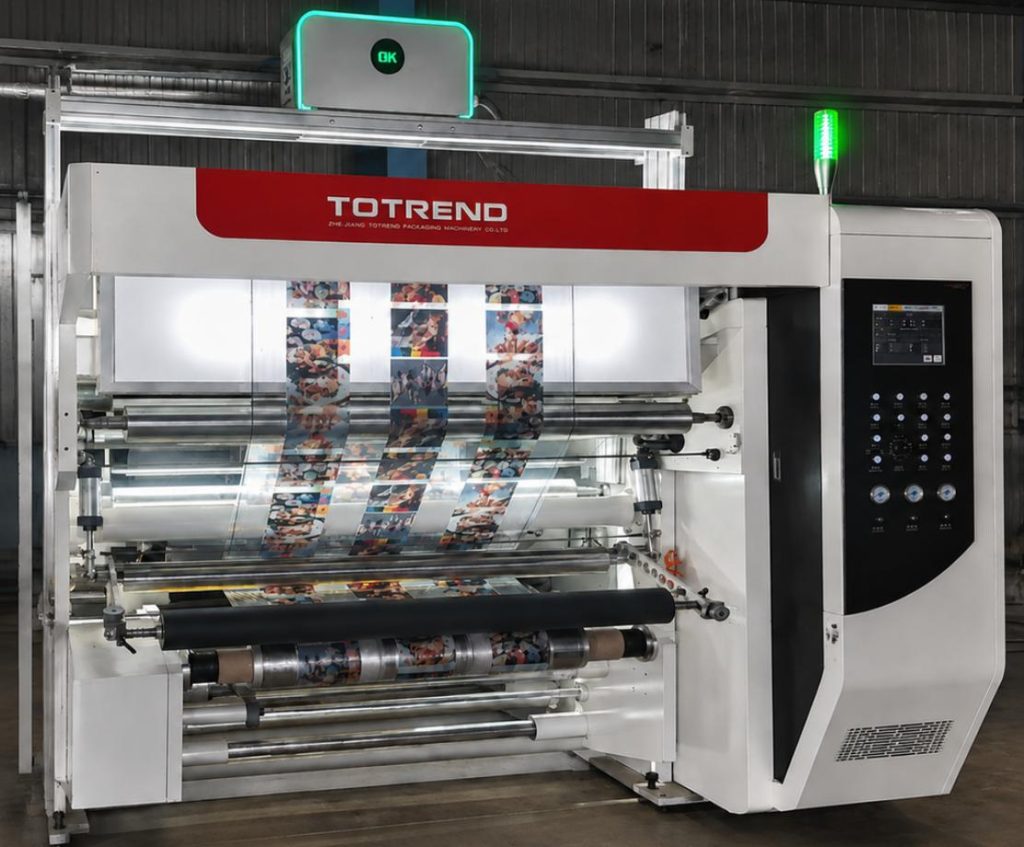
Manufacturing needs fast checking, and it cannot slow the line. AI vision systems can handle images quickly enough for many automated setups.
Cameras keep grabbing images while items move along the production line. The AI then reviews the frames and flags possible defects as they appear. If it spots a defect, it can sound an alarm, start a reject step, or forward the inspection results to the control system.
This makes it possible to run 100% inspection, not just periodic manual checks.
4. AI Makes Inspection Systems More Adaptable
Another important change is adaptability.
Traditional vision inspection systems often force engineers to change settings each time a new product, material, or production condition is introduced. AI systems can be updated with new image data, so the check can be refreshed without rebuilding everything.
For plants that run many product types, this can make setup easier. It can also cut the effort and time needed to move between production jobs.
AI can also help with ongoing improvements. As more images come in, recurring defect types can be spotted. That info can support updates to the inspection model and also point to changes needed in the production process.
5. Reducing False Rejects
False rejects raise costs. Good items can be marked as defective by mistake.
AI can judge more detailed mixes of visual signals than fixed rule methods. For instance, instead of only asking if a surface has a certain pixel-level change, the AI can assess the full look of the feature and its surrounding context.
That helps separate true defects from harmless shifts in texture, color, glare, or material appearance.
In high-volume production, even a small drop in false rejects can add up to real savings.
6. Supporting Predictive Quality Control
AI-powered vision inspection systems are also moving toward prevention, not just detection after defects show up.
Inspection records can be linked to production settings. For example, if a certain kind of surface defect increases, it may point to changes in temperature, material quality, machine setup, printing conditions, or mechanical alignment.
Manufacturers can use these insights to spot process issues sooner.
That shift moves quality work from finding defects after the fact to predictive control, where inspection results feed back into how production runs.
7. AI and Automated Defect Classification
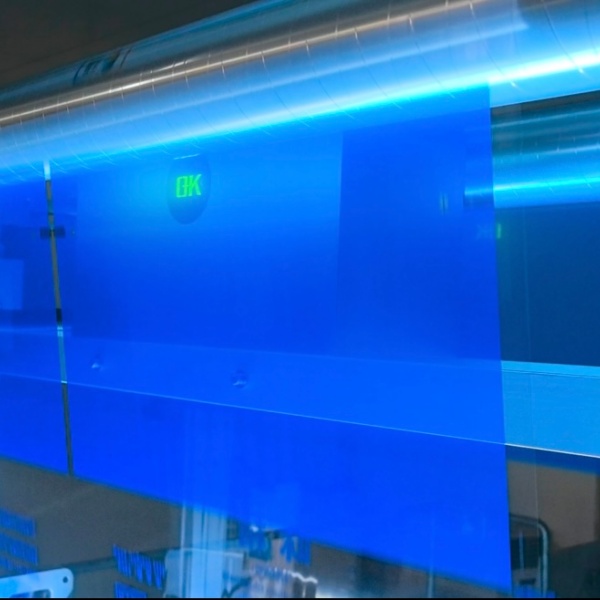
Traditional inspection systems may simply report that a product has failed inspection. AI-powered vision inspection systems can provide more detailed classification.
The following chart provides automated defect classification provided by AI-powered vision inspection systems.
| Defect Category | What AI Can Identify | Inspection Benefit |
| Surface Scratches | Detects scratches with different lengths, shapes, and orientations | Helps identify surface damage consistently |
| Cracks | Recognizes visible cracks and irregular fracture patterns | Supports early detection of structural defects |
| Stains & Contamination | Identifies abnormal spots, stains, dirt, and foreign materials | Improves cleanliness and appearance control |
| Printing Defects | Detects missing, blurred, distorted, or incorrectly positioned printing | Improves printing and packaging quality |
| Color Variation | Identifies unusual color differences and inconsistent tones | Maintains consistent product appearance |
| Missing Components | Determines whether required components are present | Prevents incomplete products from reaching customers |
| Misalignment | Detects incorrect component, label, or printed-position alignment | Improves assembly and registration accuracy |
| Dimensional Defects | Identifies abnormal shapes, sizes, and geometric variations | Supports dimensional quality control |
| Surface Deformation | Recognizes dents, wrinkles, warping, and abnormal shapes | Helps prevent visually defective products |
| Assembly Errors | Classifies incorrect component placement or assembly conditions | Reduces production and assembly mistakes |
| Packaging Defects | Detects damaged seals, wrinkles, incorrect labels, and packaging abnormalities | Improves finished-product quality |
| Unknown or New Defects | Flags visual patterns that differ from learned normal conditions | Helps manufacturers discover previously overlooked quality issues |
Combining AI With Traditional Machine Vision
AI does not always mean replacing standard machine vision. Many plants get the best results by using both.
Classic image-processing still works well when the task is clear. Examples include checking size, location, edges, and geometric limits. AI helps more when the scene is harder, like unusual visual patterns or defects that do not fit simple rules.
So a hybrid inspection system can use regular algorithms for exact measurements, then use AI for the messy, appearance-based checks.
This approach can make the printing quality inspection system more flexible, while keeping stable results for the most important checks.
Applications across Manufacturing Industries of AI-powered Vision Inspection Systems
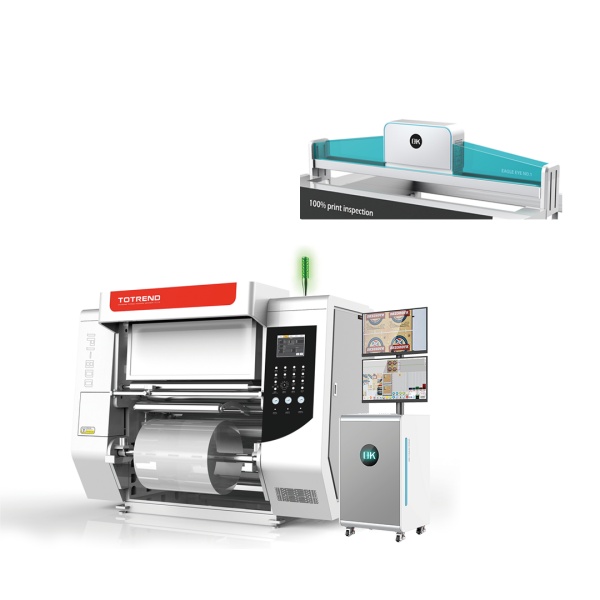
AI-powered vision inspection systems can be applied across numerous industries. They can combine high-speed image processing, automated defect classification, pattern recognition, and real-time quality monitoring, which allows manufacturers to move from periodic manual inspection toward more consistent and data-driven quality control.
| Manufacturing Industry | Typical AI Vision Inspection Applications | Common Defects or Issues Detected |
| Automotive | Inspecting components, body panels, welds, paint surfaces, and assemblies | Scratches, dents, cracks, poor welds, incorrect assembly |
| Electronics | Inspecting PCBs, connectors, chips, displays, and electronic assemblies | Missing components, soldering defects, misalignment, contamination |
| Printing & Packaging | Inspecting printed materials, labels, films, cartons, and packages | Printing errors, color variation, smudges, missing information, registration errors |
| Pharmaceuticals | Inspecting bottles, vials, blister packs, labels, and packaging | Missing tablets, damaged containers, incorrect labels, packaging defects |
| Food & Beverage | Inspecting food products, containers, bottles, cans, and packaging | Foreign objects, contamination, abnormal appearance, damaged packaging |
| Metal Manufacturing | Inspecting sheets, coils, machined parts, and metal surfaces | Scratches, cracks, dents, corrosion, dimensional irregularities |
| Plastics & Rubber | Inspecting molded, extruded, and rubber products | Deformation, bubbles, cracks, flash, surface defects |
| Textiles | Inspecting fabrics, woven materials, and finished textile products | Holes, stains, broken threads, weaving defects, color inconsistencies |
| Semiconductor Manufacturing | Inspecting wafers, chips, and microelectronic structures | Particle contamination, pattern defects, cracks, alignment errors |
| Aerospace | Inspecting aircraft components, composite materials, and assemblies | Surface damage, cracks, delamination, incorrect assembly |
| Battery Manufacturing | Inspecting electrodes, cells, tabs, welds, and battery packs | Coating defects, wrinkles, contamination, welding problems, alignment errors |
| Consumer Goods | Inspecting appliances, household products, cosmetics, and personal-care products | Scratches, missing parts, assembly errors, packaging defects |
Challenges in AI-based Vision Inspection Systems
AI-based vision inspection systems can significantly improve automated quality control, but successful implementation requires more than simply deploying an AI model. Image quality, training data, processing speed, system integration, model maintenance, and production conditions all need to be carefully managed.
| Challenge | Description | Impact on Inspection | Possible Solution |
| Insufficient Training Data | AI models require sufficient high-quality images of both normal products and defects | Poor defect recognition and classification | Build diverse, well-labeled image datasets |
| Rare Defects | Some defects occur very infrequently during production | Difficult to collect enough examples for training | Use anomaly detection, synthetic data, and data augmentation |
| Changing Production Conditions | Materials, products, lighting, and machine settings may change over time | Inspection accuracy may decline | Regularly update and retrain AI models |
| Variable Lighting | Reflections, shadows, and brightness changes can affect image quality | False positives or missed defects | Use controlled lighting and adaptive image-processing methods |
| High-Speed Production | Fast production lines require rapid image capture and AI processing | Delays can affect production efficiency | Use high-speed cameras, edge computing, and optimized AI models |
| Complex Defects | Some defects have irregular shapes, colors, or textures | Difficult to distinguish defects from normal variation | Use deep learning and advanced image segmentation |
| False Positives | Acceptable products may be incorrectly classified as defective | Increased waste and unnecessary manual checks | Improve training data and optimize classification thresholds |
| False Negatives | Genuine defects may be classified as acceptable | Defective products may reach customers | Improve model validation and combine AI with traditional inspection rules |
| Model Explainability | Some AI models provide limited information about why a decision was made | Difficult to troubleshoot inspection decisions | Use explainable AI techniques and confidence scoring |
| System Integration | AI inspection equipment must communicate with production machinery and software | Complicated implementation and data exchange | Use standardized industrial communication interfaces |
| Computing Requirements | Advanced AI models can require significant processing resources | Higher equipment and infrastructure costs | Use optimized models and edge AI hardware |
| Maintenance & Model Drift | AI performance can change as products and processes evolve | Gradual decline in inspection accuracy | Monitor performance and periodically retrain models |
| Initial Investment | Cameras, lighting, computing hardware, software, and integration can be costly | Higher upfront implementation costs | Start with high-value inspection applications and scale gradually |
| Data Security | Inspection images and production data may contain sensitive manufacturing information | Potential security and privacy risks | Apply access controls, secure data storage, and network protection |
Final Thoughts
AI is transforming vision inspection systems. Instead of only following fixed rules, these full-surface inspection systems can behave more like adaptive quality control platforms. Improved defect detection, reduced false rejects, automated classification, and predictive quality analysis are driving wider use in manufacturing industries.
If a manufacturer wants better quality and higher throughput, pairing AI with advanced cameras, image processing, and automated inspection systems is a powerful way to build a quality-control system that responds faster and runs more reliably.