
How to Improve Quality Inspection in Bag Making Machines?
Quality inspection is a crucial step in bag-making production. During high-speed production, issues such as sealing, cutting, printing, film feeding, or minor surface defects can quickly result in a large number of defective products.
To enhance the quality inspection capabilities of bag-making machines, manufacturers should clearly define the main quality defects and inspection standards, monitor key production parameters, and promptly identify production abnormalities. Online visual inspection systems can further assist manufacturers in real-time identification and elimination of defective products.
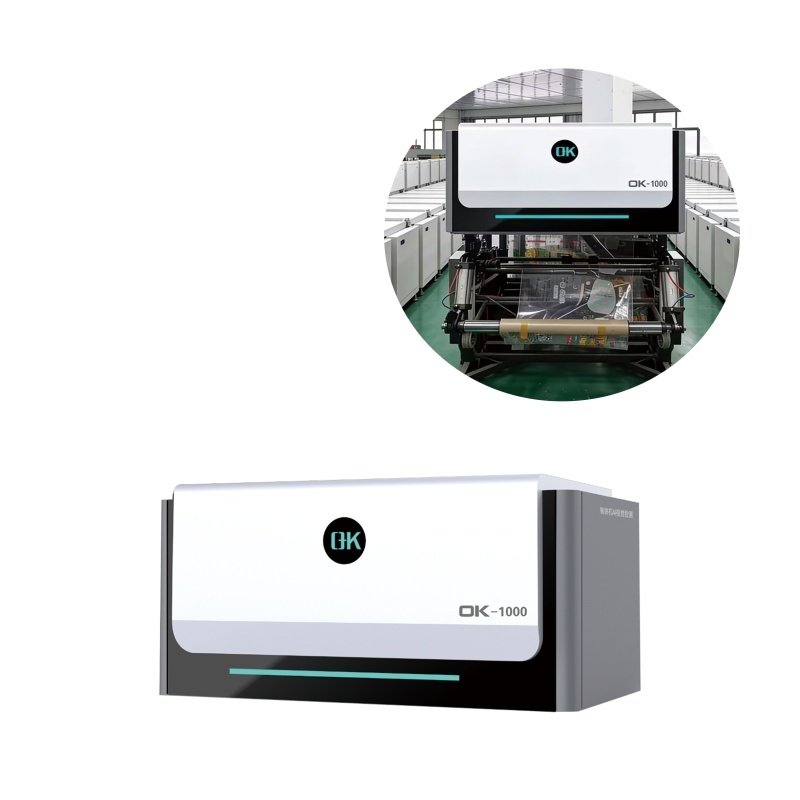
Table of Contents
Identify the Key Quality Problems in Bag Making
The first step in improving detection is to clearly define the detection content. The requirements for detecting different packaging bags vary, but most bag-making processes involve the following common defects.
Sealing defects
The sealing quality directly affects the strength and performance of the packaging bag. Common problems include insufficient sealing strength, incomplete or uneven sealing, and overheating or damage in the sealing area.
The sealing quality is affected by factors such as temperature, pressure, sealing time, film material, and machine speed. Therefore, relevant parameters should be kept stable during the production process.
Cutting defects
Cutting accuracy directly affects the size and appearance of the packaging bag. Common defects include uneven edges, incomplete cutting, position deviation, and inconsistent bag length.
Regular checks should be conducted during production to inspect the condition of the cutting tools and their alignment, as well as monitor the film feeding trajectory and the synchronization of film feeding, cutting actions.
Printing and registration defects
For printed packaging bags, detection should also cover printing quality. Common problems include missing printing, ink spots, scratches, registration deviations, and pattern damage.
Even slight registration deviations can affect the appearance of the finished product, especially in precision printing or applications requiring precise cutting.
Surface and foreign matter defects
Surface detection is used to identify holes, scratches, stains, wrinkles, and fibers, hairs, dust, etc. on the surface.
In high-speed production environments, it is more difficult to reliably identify small defects, so continuous online detection is particularly important for applications with high quality requirements.
Set Clear Inspection Standards
Defining the standards for qualification (OK) and non-qualification (NG) helps to enhance the accuracy and consistency of quality inspection.
Depending on the type of packaging bag and the application scenario, the inspection standards typically include:
- Bag body length and width tolerance
- Cutting position
- Sealing position and quality
- Printing registration accuracy
- Defect size and position
- Surface cleanliness
- Appearance tolerance
The inspection parameters should be flexibly adjusted according to the material, bag body structure, printing pattern and production requirements.
For example, the same minor stain may be acceptable in one application but may be judged as a defect in another application. Therefore, the visual inspection system should support customizable inspection areas and defect determination thresholds, rather than using a uniform fixed standard for all products.
Monitor Critical Parameters During Production
Quality inspection should not only focus on the finished bag. The production parameters that directly affect bag quality also need to be monitored.
Some common relationships include:
| Quality Problem | Parameters to Check |
| Weak sealing | Temperature, pressure, sealing time |
| Uneven cutting | Blade alignment, cutting position |
| Incorrect bag length | Film feeding and synchronization |
| Print misalignment | Film tension, registration control |
| Film wrinkles | Film tension and material tracking |
When the production speed, film material or packaging bag specifications change, the machine settings should be adjusted accordingly.
After equipment debugging or material replacement, the first piece inspection should be conducted. During continuous production, online detection can monitor product quality in real time and detect defects promptly, without having to wait until the entire batch of production is completed for inspection.
Use Inline Vision Inspection for Continuous Defect Detection
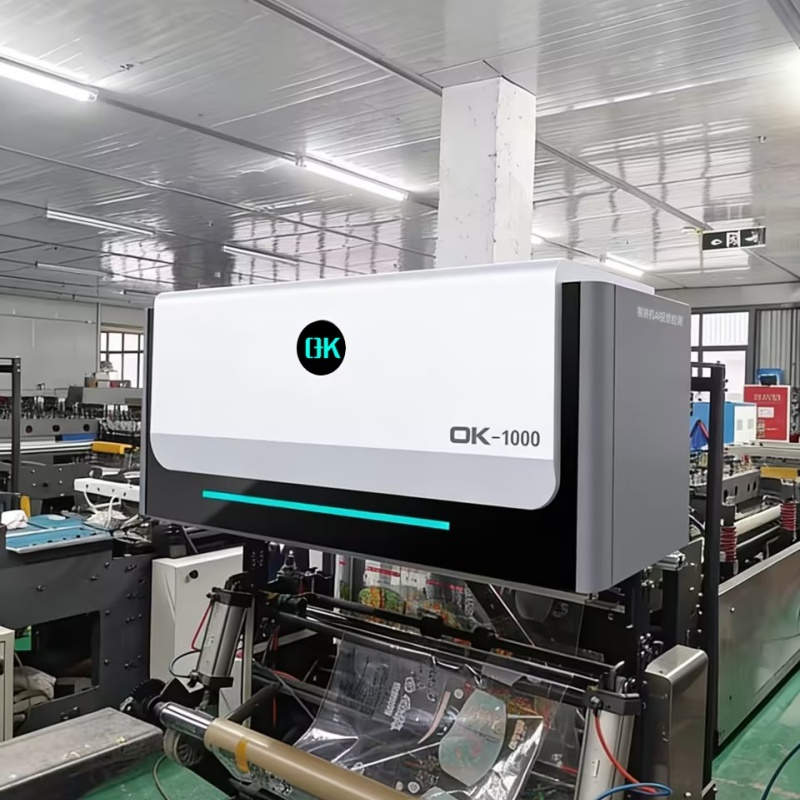
For the high-speed bag-making machine, online visual inspection can continuously monitor the production process.
The typical process includes:
Camera → Image processing → Defect detection → OK/NG determination → Automatic rejection → Data recording
According to the application requirements, the system can detect various defects on the bag body surface, including:
- Foreign object
- Stains and contaminants
- Scratch
- Hole perforation
- Printing defect
- Omission printing
- Registration deviation
- Other preset surface defects
For applications that require detection of both sides of the bag body, a multi-camera or dual-line array scanning configuration can be adopted, allowing for simultaneous detection of the front and back sides during the production process.
Analyze Inspection Data and Reduce Recurring Defects
A high-quality inspection system not only can identify and eliminate defective packaging bags, but also can assist manufacturers in detecting recurring production problems.
For example:
- Repeated sealing defects occur frequently: Check the sealing temperature, pressure and time.
- Repeated cutting errors occur frequently: Check the alignment of the cutting tools and mechanical wear.
- Frequent registration problems occur frequently: Check the film tension and registration control.
- Increased surface contamination: Check the material handling process and production environment.
Manufacturers can establish a simple improvement cycle:
Test → Record → Analyze → Adjust → Prevent
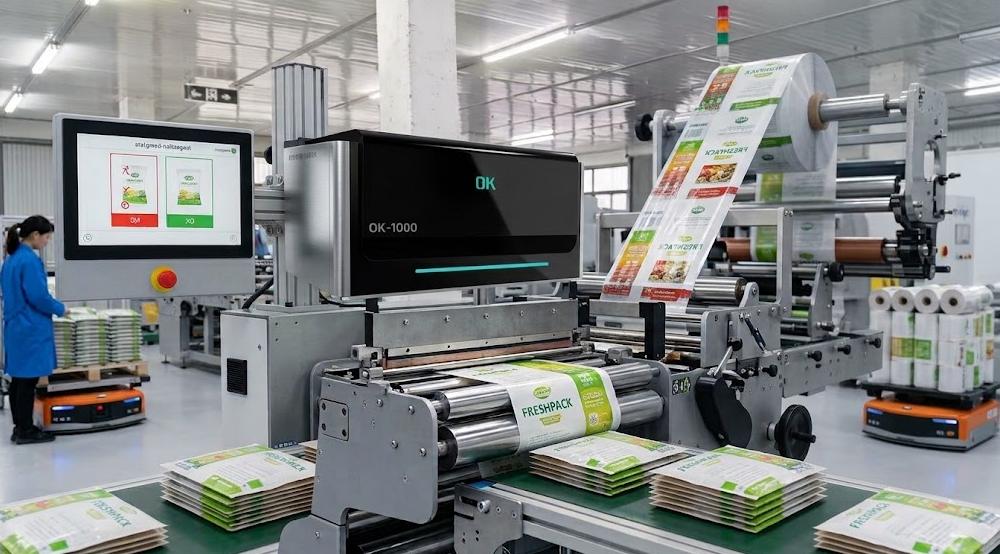
For example, Arise’s vision inspection solutions can record inspection results and help manufacturers review OK/NG images and recurring defect patterns. This provides production teams with more information for identifying process problems rather than simply removing defective bags.
By analyzing the repeated defects, relevant production conditions can be identified and targeted adjustments can be made, thereby reducing waste, improving production consistency, and maintaining stable packaging bag quality.
To Summary
Improving the quality inspection capability of the bag-making machine cannot rely solely on post-production inspection. Manufacturers need to establish clear inspection standards, control the key parameters that affect the sealing and cutting quality, and continuously monitor the main defects during the production process.
For high-speed bag-making production, the online visual inspection system can perform real-time and continuous detection of the bag body surface, printed patterns, foreign objects, and other preset defects. Combined with automatic rejection and inspection data, manufacturers can detect problems earlier and optimize production stability based on the results.
Arise provides visual inspection solutions for bag-making machines, including the OK-1000A and OK-1000B systems, and can customize configurations according to bag type, material, production speed, and inspection requirements.
If you are choosing a visual inspection system for the bag-making machine, Arise can assist in determining the appropriate inspection configuration based on specific applications and target defects.