
How Vision Inspection Systems Work for Textile Printing
As textile industry shift toward digital production and automated lines, print consistency matters a lot. It does not matter if you print fashion pieces, bedding, sportswear, or engineered textiles. Each design has to be clean, without visible flaws, and aligned with what customers expect. Manual checks can lag behind faster lines. They can also vary from person to person, which creates uneven results. Because of this, vision inspection systems is now used as an effective solution by providing fast, accurate, and automated quality control throughout the textile printing process.
These systems use industrial cameras, tuned lighting, image software, and artificial intelligence(AI). They look at printed cloth while it runs. The system identify defects as soon as they show up. That gives manufacturers a chance to correct the cause before a whole batch goes bad.
Table of Contents
Understanding the Basics of a Vision Inspection System
A vision inspection system is an automated inspection solution. It uses cameras plus computer vision software to watch printed textiles while they are made. Instead of relying on people to stare at products, it records high-resolution views of the moving fabric. Then it checks those views against set rules or sample references.
The check happens nonstop as the cloth passes through the printing line. Each part of the roll or sheet is inspected. This supports stable results from the start of the run to the final sections. Since the process is automated, it can improve repeatability and lower inspection effort.
Key Components of a Textile Vision Inspection System
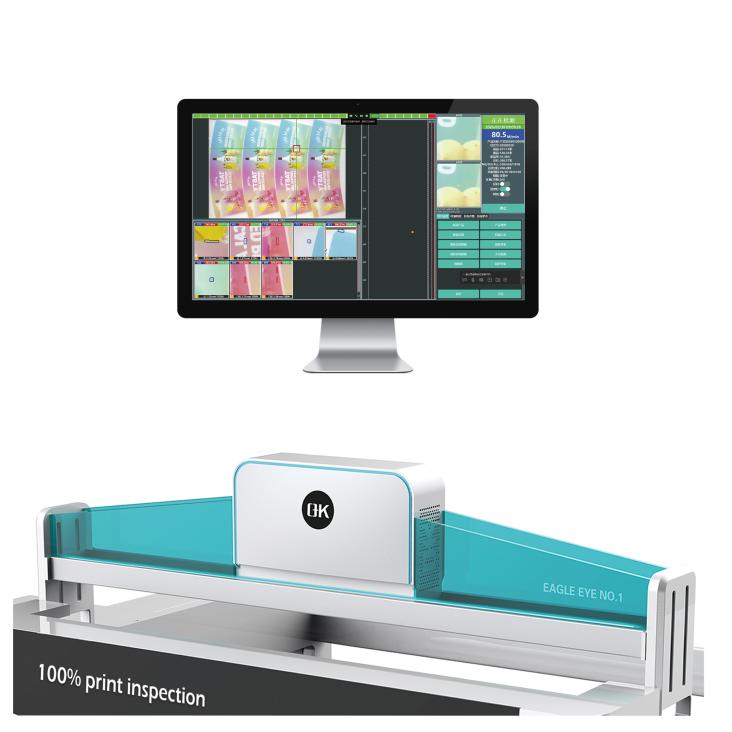
A complete textile printing inspection system typically consists of several integrated components.
| Component | Function | Role in Textile Printing Inspection |
| Industrial Cameras | Capture high-resolution images of the moving fabric during production. | Detect printing defects such as misalignment, missing patterns, blurred images, and color variations with high accuracy. |
| Lighting System | Provides consistent and controlled illumination for image capture. | Enhances image clarity by reducing shadows and reflections, allowing defects to be detected more accurately regardless of fabric color or texture. |
| Image Processing Software | Analyzes captured images using computer vision algorithms. | Compares printed patterns with reference designs, measures dimensions, detects defects, and classifies quality issues in real time. |
| Artificial Intelligence (AI) & Deep Learning | Learns from large datasets to recognize complex defects and improve inspection performance. | Identifies subtle printing errors, adapts to new designs, reduces false alarms, and increases inspection accuracy over time. |
| Controller & Communication System | Connects the inspection system with printers, PLCs, and factory automation equipment. | Sends alerts, records inspection data, marks defective fabric, stops production when necessary, and supports traceability and quality reporting. |
The Working Process of Vision Inspection Systems for Textile Printing
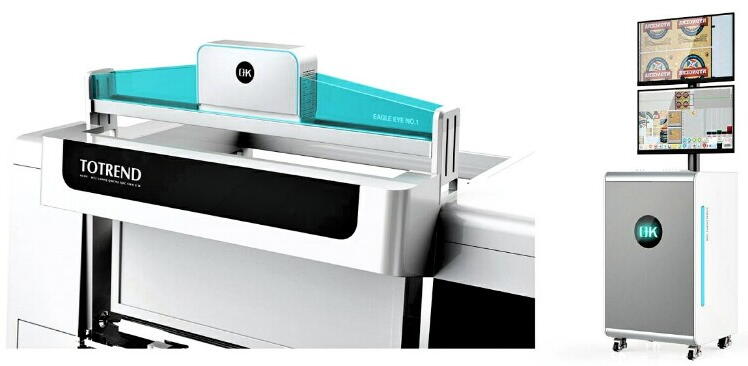
When the system compares images to saved standards, it can spot defects quickly. It also supplies data right away so corrective steps can be taken while the line is still running.
1. Fabric Enters the Inspection Area
The process starts when printed fabric moves into the inspection zone after the related printing step. The fabric keeps moving at a set rate. The inspection unit is arranged so it can watch the full width of the fabric.
Stable motion helps a lot. If there is too much shake, stretching, or uneven pull, the captured image can change. For that reason, modern equipment is built for fast textile runs and it can handle normal motion changes.
2. Cameras Capture the Printed Fabric
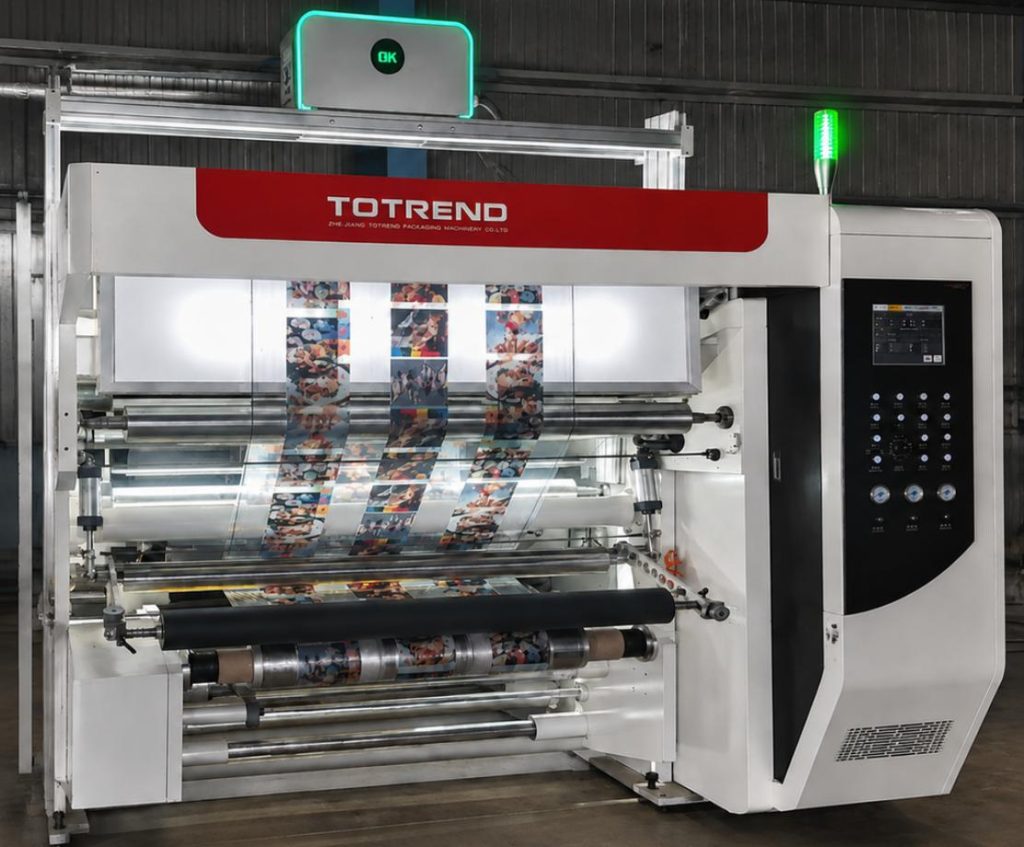
When the fabric reaches the inspection zone, industrial cameras take close surface images. What camera you choose depends on the textile type, the printing method, the fabric width, and how fast the line runs.
Roll-to-roll printing inspection often relies on line-scan cameras. These cameras read the fabric one narrow strip at a time. The system stitches those strips together to form one long view. Because of that, inspection can run during production.
Color cameras may be chosen too, especially for printed color checks. With higher detail capture, the system can spot small visual changes that people might miss. Consistent imaging also helps reduce how much results depend on individual human checks.
3. Lighting Creates Clear Inspection Images
Once the camera starts, lighting is controlled to stay even across the fabric. This part matters since glare, uneven brightness, shadows, and surface texture can hide defects or create false signals.
LED lighting is a common pick. It stays steady and can be tuned to the textile type. Using diffusers or other lighting setups can show print flaws while limiting unwanted reflections from the material surface.
With the right light and capable cameras, the inspection software gets a dependable visual input.
4. Images are Preprocessed
After capture, the images move to an image processing unit. Before defect checking begins, the system may apply steps to clean up and standardize the data.
Brightness and contrast can be adjusted. Noise may be reduced, and distortions can be corrected. The software can also handle shifts that come from fabric motion. If needed, it can align the print so the design lines up for comparison.
This step improves the chance that later defect detection is based on clear images, not shaky inputs.
5. Printed Patterns Are Compared With Reference Standards
After processing, the system studies the print and compares it with a stored reference. That reference can be a sample image, digital artwork, or a fixed quality rule. The goal is to define how an approved print should appear.
The printing quality inspection system checks items like where the pattern sits, the pattern shape, size, registration, color spread, and whether the print looks continuous. If the fabric print falls outside a set tolerance, the system flags it as a possible defect.
For designs that repeat, the system can also check section to section. This helps confirm that repeat length and alignment stay stable across the full roll.
6. Defects Are Identified and Classified
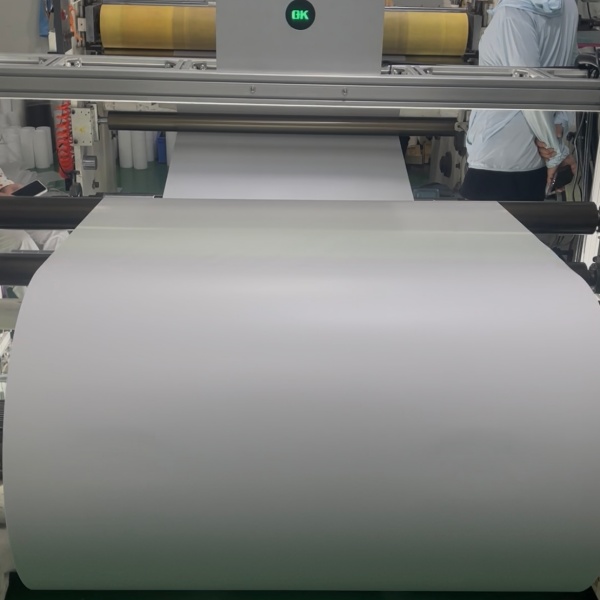
If the system finds something off, it examines the area to judge what it is. The analysis helps separate real printing defects from normal, acceptable changes in the textile.
The following chart provides the common defects detected in textile printing.
| Defect | Description | How Vision Inspection Detects It |
| Color Inconsistency | Printed colors differ from the approved color standard or vary across the fabric. | Compares captured color information with predefined color references and identifies deviations. |
| Print Misalignment | Printed patterns or design elements are positioned incorrectly. | Analyzes pattern coordinates and compares their positions with the reference design. |
| Missing Print | Certain areas of the intended design are incomplete or absent. | Detects gaps or missing image regions through pattern comparison. |
| Ink Smearing | Ink spreads or becomes blurred, reducing the sharpness of printed details. | Identifies irregular edges, blurred regions, and unexpected changes in the printed image. |
| Streaks | Continuous or intermittent lines appear across the printed fabric. | Detects abnormal linear patterns that differ from the expected textile design. |
| Registration Errors | Different colors or printing layers do not align correctly. | Compares the position of individual color layers and identifies positional deviations. |
| Uneven Ink Coverage | Ink is distributed inconsistently, creating lighter or darker areas. | Examines variations in image density and color intensity across the fabric. |
| Pattern Distortion | The printed design becomes stretched, compressed, warped, or otherwise deformed. | Compares pattern geometry with the reference image to identify shape and dimensional changes. |
| Blurred Printing | Printed graphics or text lack the required sharpness and definition. | Analyzes edges and fine details to identify abnormal loss of image clarity. |
| Foreign Particles | Dust, fibers, dirt, or other unwanted materials appear on the printed surface. | Detects objects or visual patterns that do not belong to the approved design. |
| Ink Spots | Unwanted dots or ink marks appear outside the intended printed areas. | Identifies isolated regions with unexpected color or density. |
| Pattern Repeat Errors | Repeating designs do not maintain the correct spacing or sequence. | Measures the distance and alignment between repeated pattern elements. |
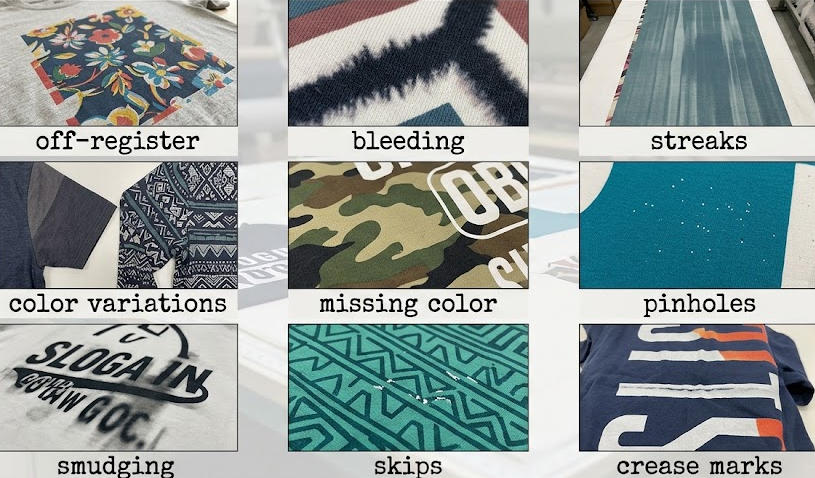
Advanced 100% inspection systems can use AI and deep learning to sort defect kinds. These tools do not have to follow only set rules. They can study many textile photos and get better at spotting odd or hard-to-see defects.
7. Defect Information is Recorded
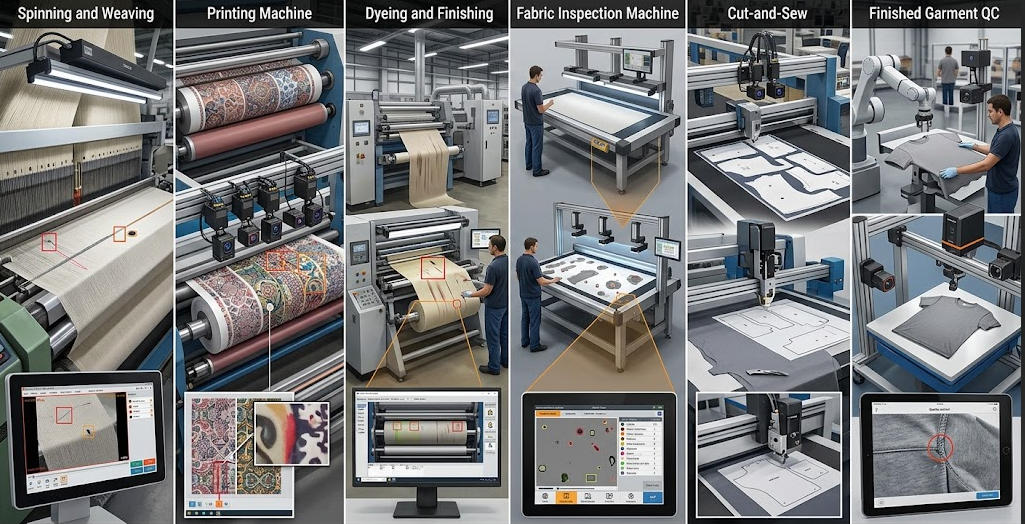
Once the system finds a defect, it logs key details. The log may include the defect category, where it shows up, its size, when it occurred, and the related inspection photo.
With this record, manufacturers can keep a clear quality timeline for each production batch. Shop staff can then jump to the bad area faster. Quality leads can also look through the records to spot issues that keep coming back.
The saved files can also aid traceability. They can help companies judge how printing performs across time.
8. The System Sends Real-Time Alerts
When a defect goes beyond the set quality limit, the vision inspection system can warn staff right away. How the warning appears depends on the system setup. An alarm might ring, or a warning panel might show on the operator screen.
In some cases, the system can label the exact fabric section. This makes it easier to find later during finishing or cutting. In more automated lines, the inspection unit may pass details to the printer control or production control and start the right fixes.
9. Operators Correct the Printing Problem
Real-time inspection help operators act soon. If the system spots a repeated color shift or a pattern that is not lined up, the team can check the printer parts and adjust settings before many rolls are affected.
This quick feedback is a key benefit of automated vision quality inspection systems. It does more than point to bad output after the run. It also gives signals that can help improve the printing work while production is still active.
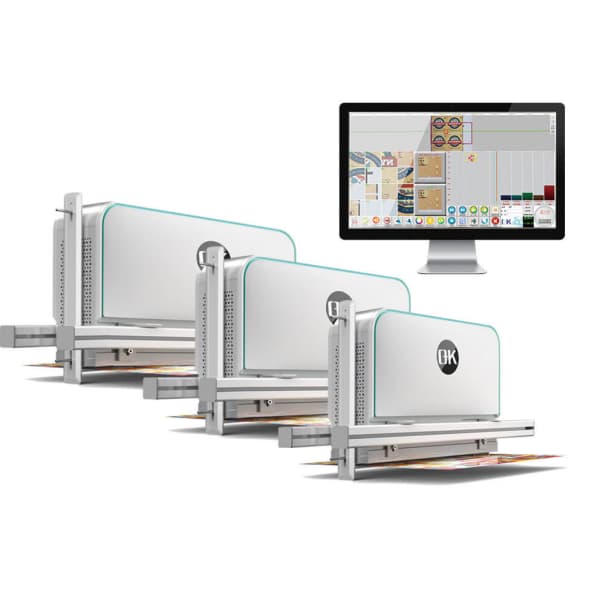
10. Inspection Data Supports Continuous Improvement
The job does not stop at the moment a defect is found. Teams can review inspection results to learn what causes quality misses and how often they happen.
Looking at defect trends can point to printing equipment trouble, ink application issues, fabric travel, registration errors, or other line conditions. After that, teams can change machine settings, tune maintenance timing, and set clearer quality rules.
Artificial Intelligence Improves Accuracy of Vision Inspection Systems
Artificial intelligence has transformed vision inspection systems from simple image comparison tools into intelligent quality control solutions. With deep learning, the AI-powered quality inspection system studies huge sets of sample images. During that training, it learns many defect patterns. Over time, it gets better at spotting them.
Traditional methods often relied on fixed rules. They struggled when products changed. They also had trouble with new production settings. AI is different. It can adjust when designs shift and when new defect forms appear. More inspection results feed the model. After that, it keeps refining its results. That usually means fewer wrong alerts and steadier detection. For textile makers, this matters a lot. Fabrics vary. Printed designs can be intricate.
Applications across the Textile Industry of Vision Inspection Systems
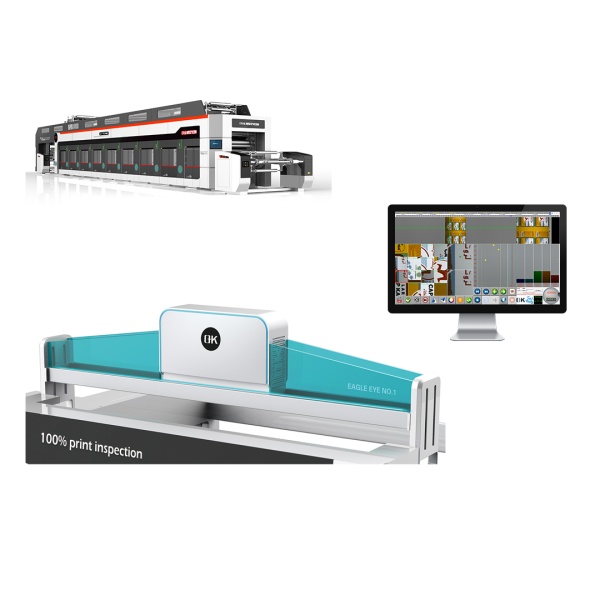
Vision inspection systems are widely used across numerous textile printing processes.
| Textile Industry Application | How Vision Inspection Systems Are Used | Key Quality Issues Detected |
| Digital Textile Printing | Continuously inspects digitally printed fabrics for consistency and accuracy during high-speed production. | Color variation, missing prints, blurred graphics, ink spots, and pattern distortion |
| Screen Printing | Monitors printed patterns and checks whether each screen produces the intended design accurately. | Misregistration, incomplete printing, smearing, uneven ink coverage, and pattern defects |
| Rotary Printing | Inspects continuous fabric as it passes through multiple rotary printing stations. | Registration errors, streaks, color inconsistencies, and repeated pattern defects |
| Dye Sublimation Printing | Examines transferred designs for uniform color reproduction and accurate image formation. | Faded areas, color deviations, image distortion, and incomplete transfer |
| Apparel Manufacturing | Checks printed fabric panels and finished garments before cutting, sewing, or shipment. | Print placement errors, stains, missing graphics, and inconsistent patterns |
| Home Textiles | Inspects printed curtains, bedding, upholstery fabrics, and other decorative textiles. | Pattern misalignment, color differences, printing marks, and surface contamination |
| Sportswear Production | Verifies graphics, logos, numbers, and other printed elements on performance fabrics. | Incorrect positioning, blurred designs, color variation, and incomplete printing |
| Technical Textiles | Monitors printed or coated functional fabrics used in specialized applications. | Coating irregularities, surface defects, pattern inconsistencies, and contamination |
| Automotive Textiles | Inspects printed or decorated fabrics used for vehicle interiors and related components. | Color variation, registration problems, surface defects, and printing inconsistencies |
| Textile Finishing | Performs final quality checks after printing and finishing processes. | Remaining print defects, stains, wrinkles affecting prints, and inconsistent appearance |
Final Thoughts
Vision inspection systems have become a key technology for textile printing. It helps keep quality in check without slowdowns. It also supports ongoing checks during the whole production run. These results come from several parts working together. Industrial cameras capture the surface. Lighting is set up for clear views. Image processing handles the visual data. AI then finds defects. Because it runs in real time, issues can be caught early. That helps prevent small faults from turning into expensive ones.
Looking ahead, automation will keep growing in textiles. Industry 4.0 will push more connected systems. Vision inspection will keep its role in daily work. It can help boost production speed, cutting waste and delivering consistently high-quality printed fabrics. Manufacturers that fund smart inspection tools tend to do better. They meet customer needs more reliably. They also strengthen product quality. In a tough global market, that helps them stay competitive.