
How Vision Inspection Systems Work for Roll-to-Roll Printing
Roll-to-Roll printing is a continuous production method that’s used to make huge volumes of printed materials, like flexible packaging, labels, films, textiles, etc. As the production speed on roll-to-roll printing lines is extremely high, even small defects can quickly turn into major material waste and lower the overall product quality.
To keep production consistent, manufacturers rely on vision inspection systems that automatically monitor what is being printed, while the line is still running. Typically, these systems use high-speed cameras, advanced lighting, image processing software, and intelligent algorithms to find defects, assess printing accuracy, and deliver real-time quality control. Knowing how these vision inspection systems work, you can improve printing efficiency, reduce waste, and achieve higher levels of automation.
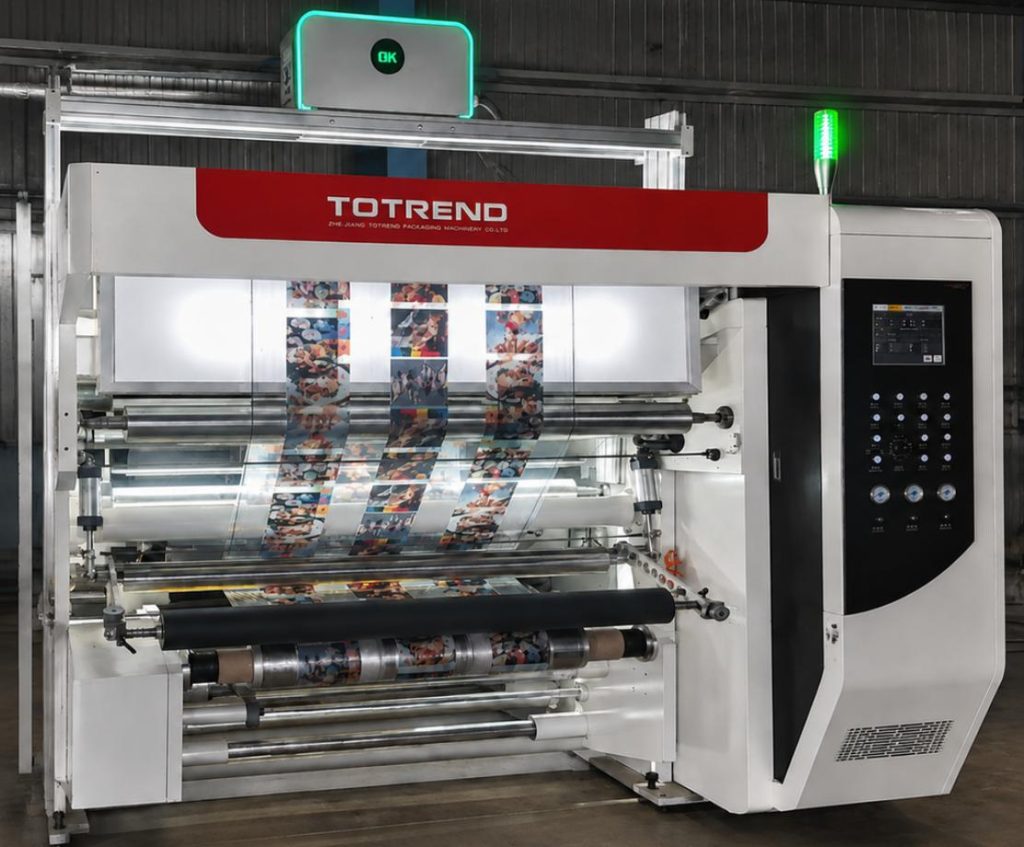
Table of Contents
What is a Vision Inspection System for Roll-to-Roll Printing
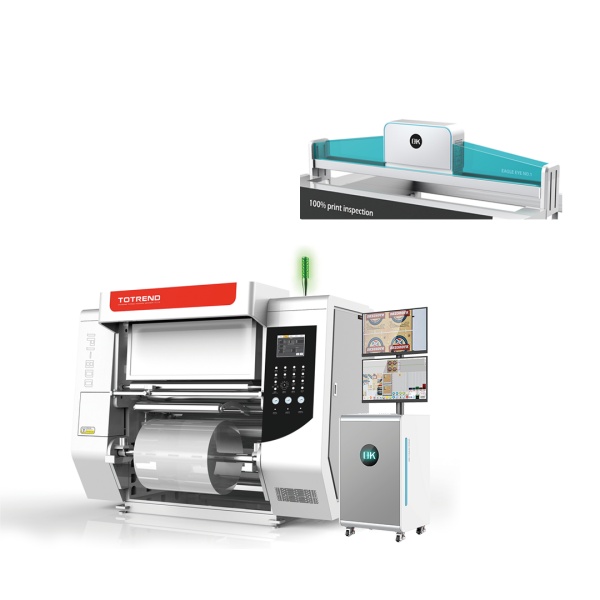
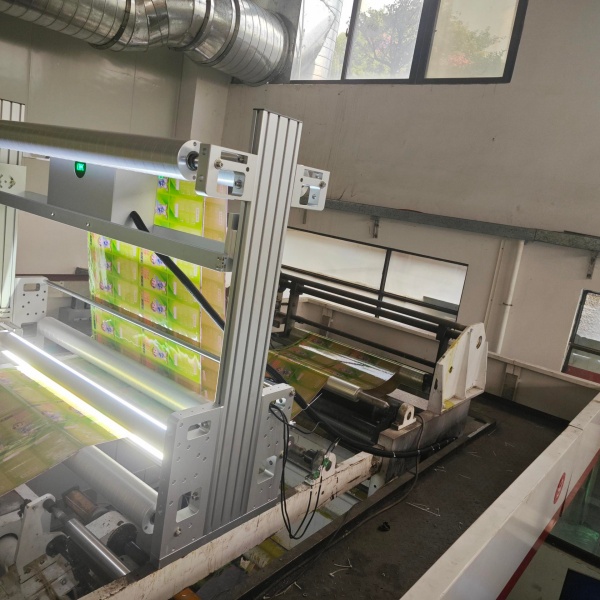
A vision inspection system is an automated optical inspection solution that is installed right on the roll-to-roll printing line. The quality inspection system for printing processes, continuously grabs images of the moving web and then analyzes the printed surface to pick out defects, or any unusual deviations from the quality standards.
Unlike manual inspection, where operators check samples, or visually monitor the materials, vision inspection systems inspect the entire production run. That means manufacturers can spot failures immediately and prevent large quantities of defective products from moving into the next production stage.
A typical roll-to-roll vision inspection system often includes:
- Industrial cameras
- Lighting units
- Image acquisition devices
- Inspection software
- Processing algorithms
- Defect detection and reporting systems
All of these components together form a real-time quality monitoring approach for continuous printing operations.
The Working Process of Vision Inspection Systems for Roll-to-Roll Printing
Understanding the working process behind vision inspection systems helps explain why they have become this critical piece inside modern roll-to-roll printing lines.
1. Image Acquisition
The whole working process starts with image acquisition. As the printed web keeps moving continuously along the production line, cameras placed above, or sometimes around the material, capture detailed images of the surface.
In roll-to-roll printing, line-scan cameras are usually used, because they are built for checking continuous materials that travel at high speeds. The cameras read the web line by line, then merge the captured data into one complete digital view of the printed surface. That approach lets manufacturers inspect the full roll, without needing to pause the production flow.
The quality of image acquisition directly affects inspection accuracy. High-resolution cameras can detect tiny defects that may not be visible to the human eye, while fast imaging lets the system track demanding production conditions, without losing the trace.
2. The Role of Lighting in Vision Inspection
After the image capture, inspection performance depends strongly on the lighting setup. Correct illumination makes sure that defects, patterns, and surface details show up clearly in the captured images.
Different roll-to-roll printing materials call for different lighting approaches. Transparent films, glossy packaging materials, and textured surfaces each have their own optical behavior. A thoughtfully designed lighting system improves contrast, and it also brings forward defects that could otherwise stay concealed.
For example, backlighting can make holes appear, reveal missing printing zones, or show edge issues in transparent materials, while surface lighting helps spot scratches, stains, and printing inconsistencies more clearly. Many advanced 100% inspection systems use a mix of lighting approaches to get dependable inspection outcomes on different substrates.
3. Image Processing and Data Analysis
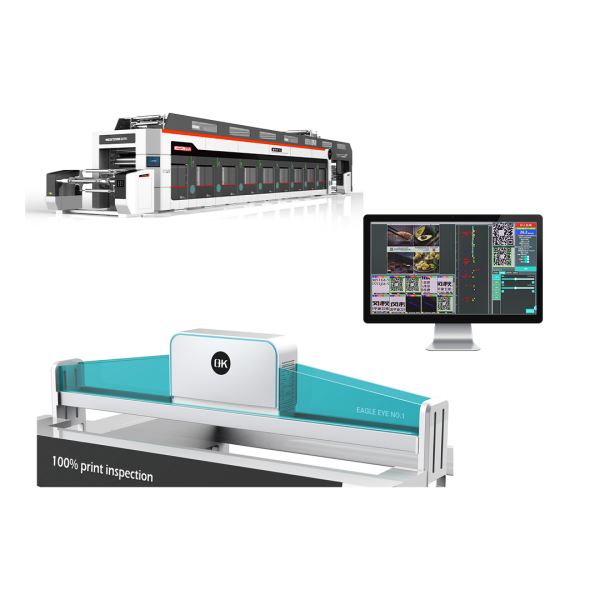
After the images are captured, the vision inspection system runs everything through specialized software. This is the part where it studies the printed surface and decides whether the item matches the agreed quality requirements.
The software then matches the acquired images against reference standards or against inspection rules that were programmed in advance. It checks elements like the print pattern, the positioning, the sizes, color precision, and what’s happening on the surface.
Advanced picture processing algorithms help the full-surface printing inspection system spot differences between products that are acceptable and those that are defective. In practice, these algorithms can scan thousands of images in only seconds, so real-time checking becomes possible even on high-speed printing lines.
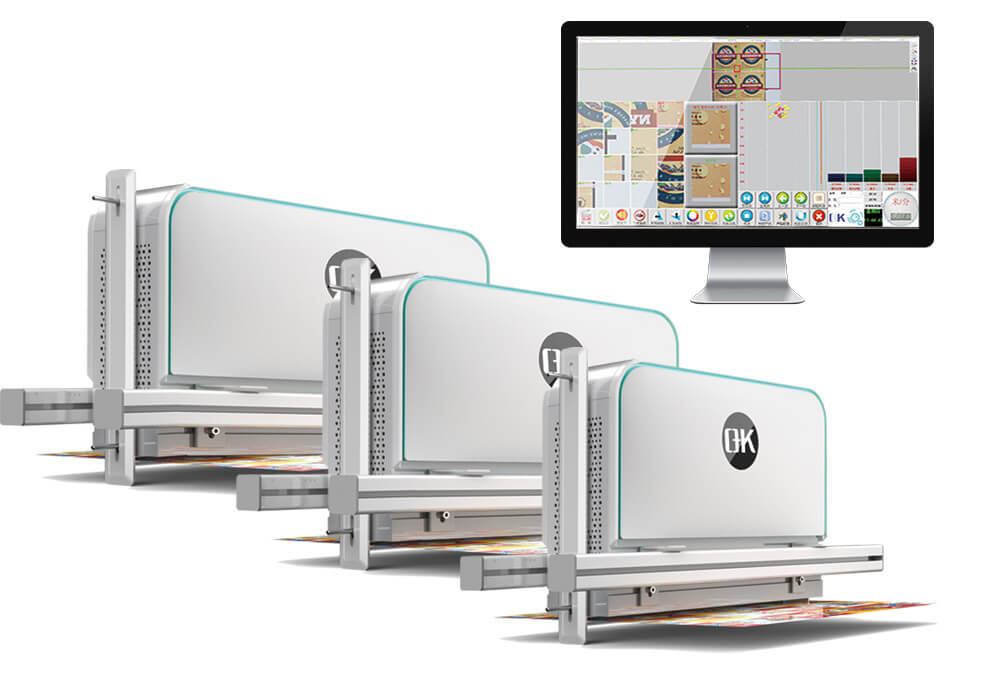
4. Defect Detection and Identification
The main job of a machine vision inspection system is to find and recognize defects while production is running. When it detects an abnormal pattern or sees a difference, it then decides whether the situation is a genuine quality issue.
In roll-to-roll printing, typical defects include nonuniform ink coverage, missing impressions, wrong registration, blurred visuals, contamination, scratches, and coating failures. The 100% defect inspection system is able to pinpoint each defect accurately and then save its location around the roll.
Modern printing quality inspection systems are getting more and more dependent on artificial intelligence and deep learning tools, to make defect recognition better. Compared with older rule-based inspection methods, AI-driven systems can learn from large piles of inspection data and catch intricate defect patterns with higher precision.
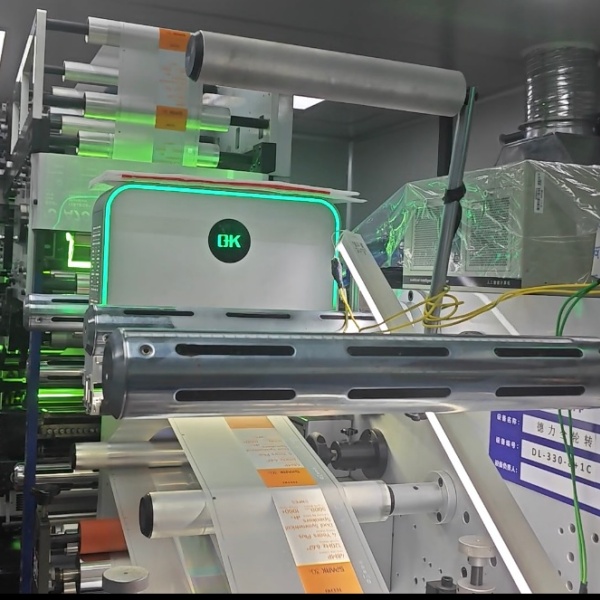
5. Real-Time Monitoring and Production Feedback
One of the most significant wins for vision inspection systems is their ability to deliver real-time monitoring. Rather than discovering defects after production is finished, manufacturers can surface issues immediately while the printing process is still happening.
When a defect shows up, the system can push an alert to the operators or connect with the production control equipment. That way, manufacturers may adjust printing parameters, correct machine settings and even discard defective sections early, before additional material is wasted.
The collected inspection data also brings useful input about how well production is moving. If defect trends are watched carefully, manufacturers are able to spot why quality issues show up, then work on the overall printing process, a bit more focused.
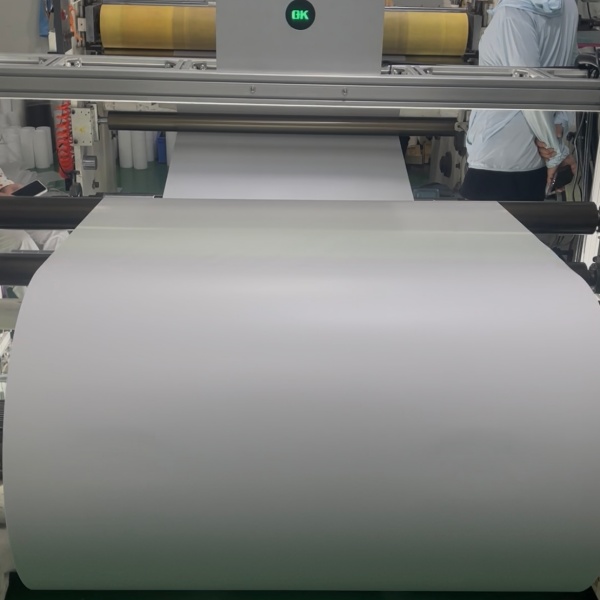
6. Integration with Automated Manufacturing Systems
Today’s roll-to-roll vision inspection systems are frequently paired with other manufacturing technologies to build smarter production environments. They can talk to web guide systems, tension control systems, printing equipment, and manufacturing execution systems.
With that kind of integration, the inspection results can steer production choices automatically. For example, repeated registration errors may point to web alignment problems. Meanwhile, coating defects can signal that adjustments are needed in how the material is applied, in practice.
Through Industry 4.0 technologies, inspection data can be gathered, examined, and then used to improve production efficiency and product quality.
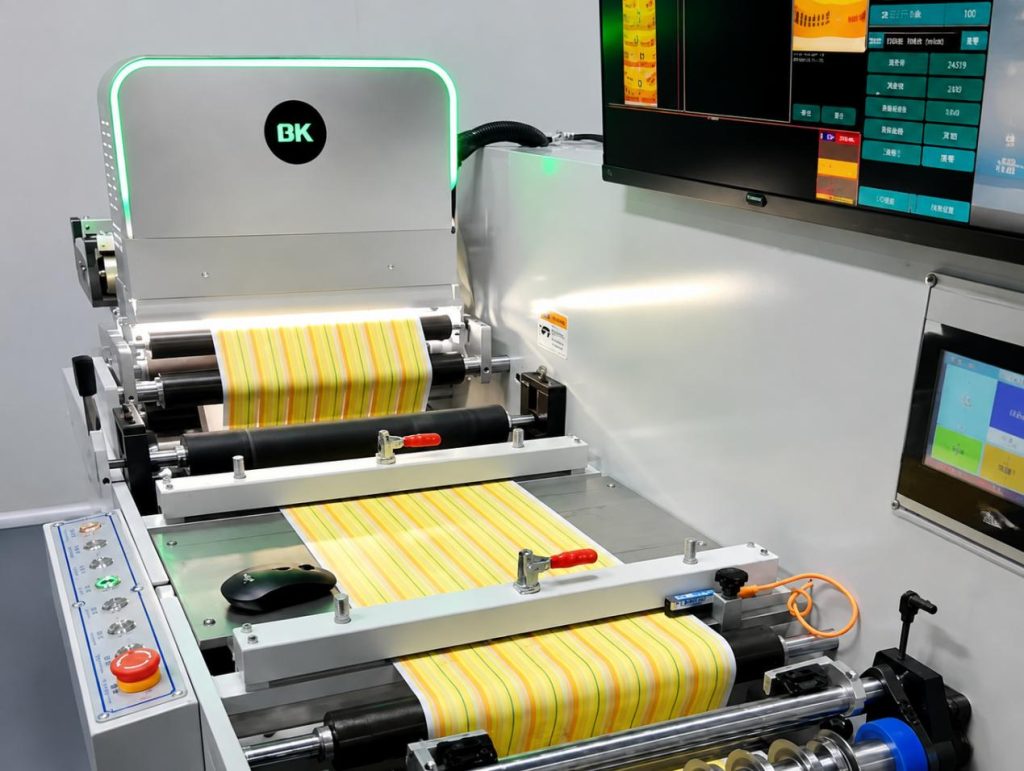
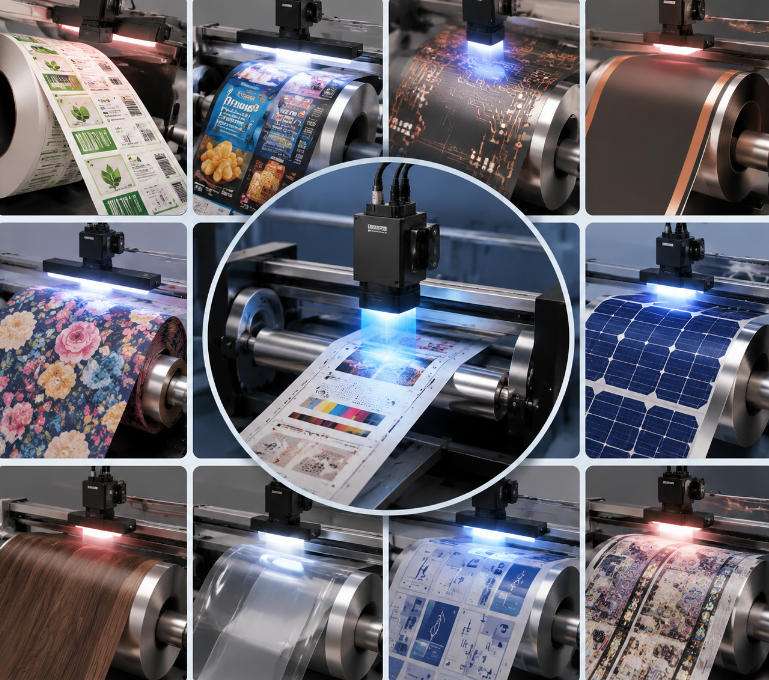
Common Applications of Vision Inspection in Roll-to-Roll Printing
Vision inspection technology is used across many industries that rely on continuous printing processes.
| Application Area | How Vision Inspection Is Used | Common Defects Detected | Benefits |
| Label Printing | Monitors printed labels continuously to verify graphics, text, barcodes, and registration accuracy during high-speed production. | Missing text, barcode errors, color variation, print misalignment, ink defects | The label vision inspection system reduces rejected products, and improves production consistency. |
| Flexible Packaging Printing | Inspects packaging films and printed materials for surface quality, pattern accuracy, and color uniformity. | Ink smears, scratches, stains, printing gaps, incorrect patterns | Improves packaging appearance and reduces material waste. |
| Flexible Electronics Manufacturing | Checks printed electronic layers, conductive patterns, and functional coatings with high precision. | Circuit pattern defects, line breaks, misalignment, coating irregularities | Enhances product reliability and supports precision manufacturing. |
| Battery Electrode Production | Monitors electrode coating processes in roll-to-roll battery manufacturing to ensure uniform material application. | Uneven coating, coating gaps, particles, edge defects, surface contamination | Improves battery performance, safety, and manufacturing yield. |
| Solar Cell Manufacturing | Inspects printed layers and coated materials used in photovoltaic production. | Cracks, coating defects, pattern errors, contamination | Helps improve solar cell efficiency and reduces production losses. |
| Textile and Fabric Printing | Examines printed fabrics for pattern consistency, color accuracy, and surface quality. | Pattern shifts, color differences, printing spots, missing designs | Maintains consistent fabric appearance and reduces manual inspection requirements. |
| Decorative Film Production | Checks decorative films used for furniture, automotive interiors, and building materials. | Surface scratches, printing defects, pattern distortion, color inconsistencies | Ensures high-quality decorative surfaces and reduces defective rolls. |
| Coating and Functional Film Production | Inspects coated films used in industrial and electronic applications. | Coating thickness variations, bubbles, streaks, contamination | Improves coating uniformity and process control. |
| Medical Packaging Printing | Verifies printed information and quality on medical packaging materials. | Incorrect text, missing information, print defects, barcode problems | Supports compliance, traceability, and product safety. |
| Security Printing | Inspects specialized printed materials containing anti-counterfeit features. | Missing security patterns, printing errors, alignment issues | Improves authentication reliability and prevents defective products. |
Challenges of Implementing Vision Inspection Systems for Roll-to-Roll Printing
Successful implementation of vision inspection systems for roll-to-toll printing, requires careful system design.
| Challenge | Description | Impact on Roll-to-Roll Printing | Possible Solutions |
| High-Speed Inspection Requirements | Roll-to-roll printing lines operate at very high speeds, requiring vision systems to capture and process large amounts of image data instantly. | Slow inspection performance may cause missed defects or production interruptions. | Use high-speed line-scan cameras, powerful processors, and optimized image-processing algorithms. |
| Complex Defect Detection | Printing defects can vary in size, shape, color, and appearance, making accurate detection difficult. | Small or unusual defects may be overlooked, affecting product quality. | Apply AI and deep learning technologies to improve defect recognition and classification accuracy. |
| Lighting and Reflection Issues | Different materials, such as transparent films, glossy surfaces, and metallic coatings, create challenges for image capture. | Poor image quality can reduce inspection accuracy and increase false alarms. | Design customized lighting solutions, including LED line lights, backlighting, and specialized illumination systems. |
| Material Variations | Changes in substrate thickness, texture, color, or surface characteristics can affect inspection results. | The system may require frequent adjustments when switching between products. | Use flexible inspection software and adaptive algorithms that can handle different materials. |
| Large Data Processing | High-resolution cameras generate massive amounts of image data during continuous production. | Data overload may slow inspection speed and reduce system efficiency. | Implement advanced computing hardware, real-time processing, and efficient data management systems. |
| System Integration Difficulties | Vision inspection systems must work with printing machines, web guiding systems, tension control systems, and factory software. | Poor integration can limit automation and reduce production efficiency. | Use compatible communication protocols and integrate inspection systems with Industry 4.0 platforms. |
| False Defect Detection | Minor variations that do not affect product quality may be incorrectly identified as defects. | Excessive false alarms can interrupt production and reduce operator efficiency. | Improve inspection algorithms, use AI-based analysis, and optimize inspection parameters. |
| Maintaining Inspection Accuracy Over Time | Camera performance, lighting conditions, and machine environments may change during long-term operation. | Inspection reliability may decrease without proper maintenance. | Perform regular calibration, equipment checks, and software updates. |
| High Initial Investment Cost | Advanced cameras, processors, software, and integration services require significant investment. | Smaller manufacturers may find adoption challenging. | Evaluate long-term savings from reduced waste, improved quality, and increased productivity. |
| Operator Training and System Management | Employees need knowledge to operate, maintain, and interpret inspection system data. | Lack of expertise may reduce the effectiveness of the system. | Provide professional training and develop user-friendly inspection interfaces. |
Final Words
Vision inspection systems have this essential role in modern roll-to-roll printing, where they help in continuous, accurate, and automated quality control, in real time. With high-speed imaging, advanced lighting, smart software, and AI-based analysis, they can spot defects fast and keep the printing results consistent.
Since roll-to-roll manufacturing keeps expanding into areas like packaging, electronics, and battery production, vision inspection technology stays a key solution. It improves productivity, reduces waste and supports reliable product performance.