
How Vision Inspection Systems Improve Packaging Quality
Packaging quality matters for safety, brand image, how customers feel, and how smoothly production runs. When packaging lines run faster and more of the work is automated, it gets harder to keep manual checks at the same level every shift. Vision inspection systems help solve this by monitoring packaging and finished units with automation. They help manufacturers identify defects quickly maintain consistent production standards.
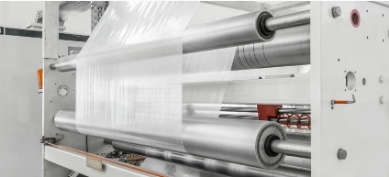
Table of Contents
Understanding the Functions of a Vision Inspection System
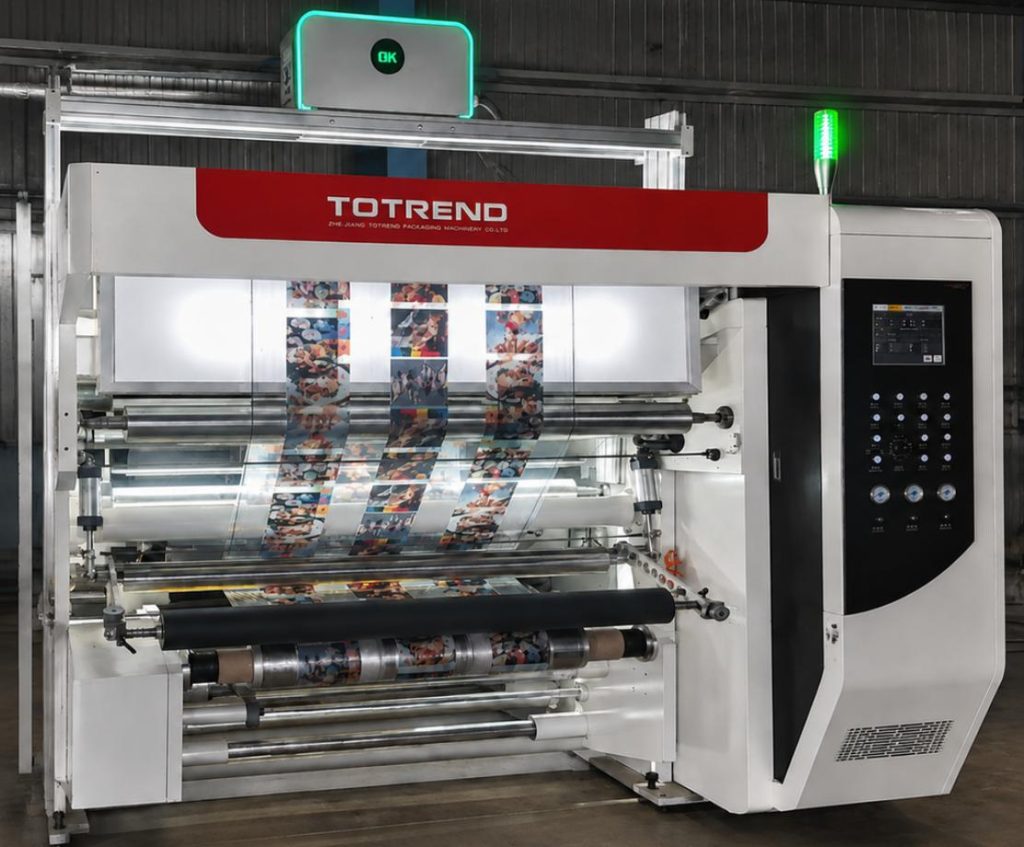
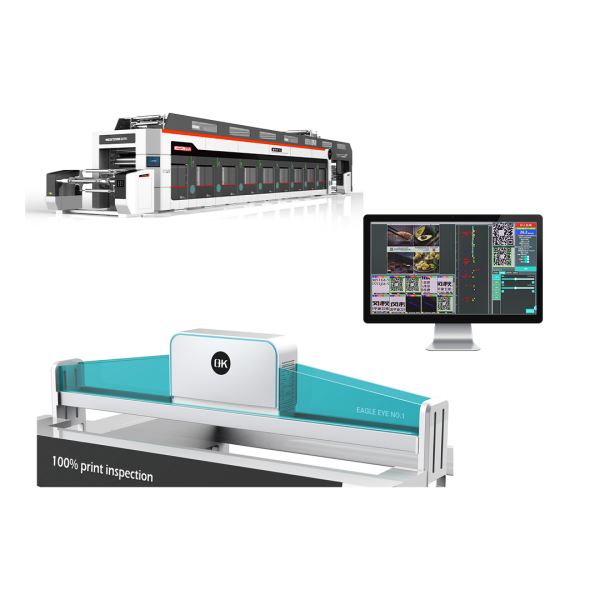
A vision inspection system usually includes industrial cameras, lighting, image-processing software, and control tools that tie into the production line. It takes fast images of each pack and then checks what it sees against set quality rules.
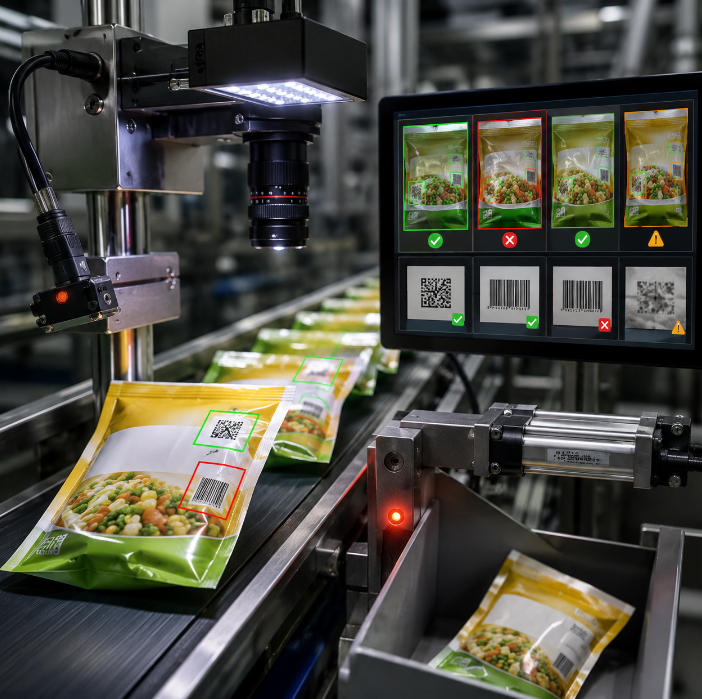
The system can be set up to review many items, like check packaging appearance, size, print clarity, label position, barcodes, seals, and other key features. If the system finds a problem, it can sound an alarm, save the inspection results, or send a signal to an automatic rejection unit.
Key Benefits of Vision Inspection Systems for Packaging Quality
Because the visual inspection is consistent and quick, these systems can improve quality and also cut down on waste and repeat errors.
1. Detecting Packaging Defects Automatically
A major advantage is that the vision inspection system can detect packaging defects without manual review. Common issues it can find include wrong labels, missing print, unclear text, changes in color, damaged packs, wrinkles, scratches, dirt, and poor positioning.
For flexible packaging and printed materials, the quality inspection systems can also inspect defects such as ink marks, streaking, alignment issues, missing letters, and uneven print. Catching these during production helps stop bad units from moving into later steps.
2. Improving Printing Quality
Print is a key part of modern packaging. Names, lot codes, dates, logos, directions, and required notices need to be readable and placed where they should be.
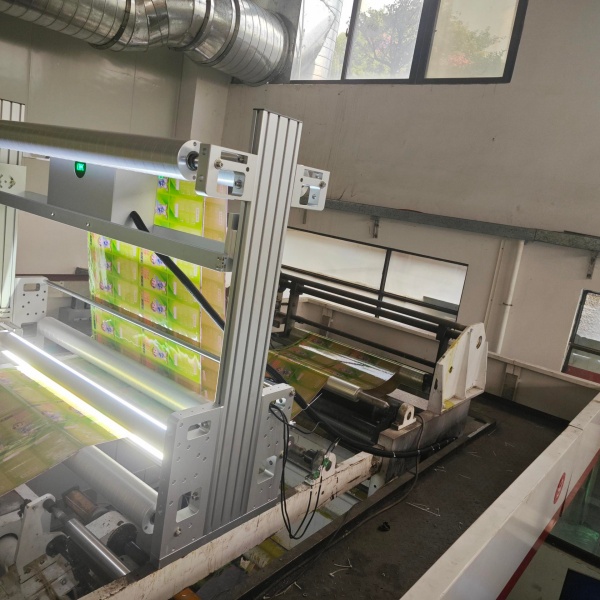
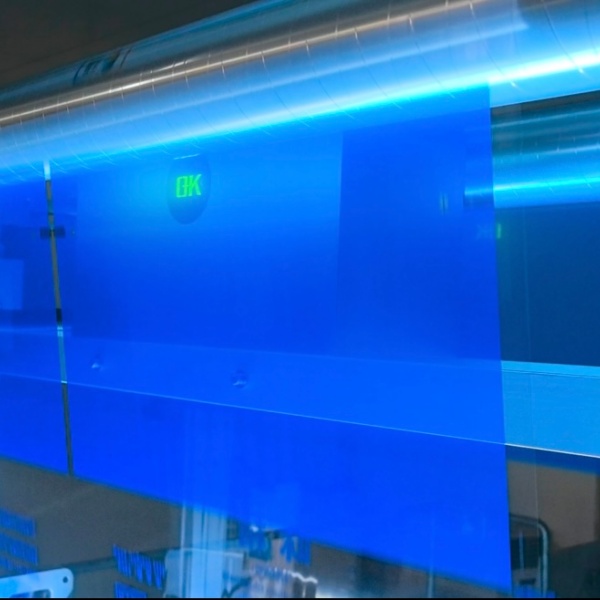
The printing quality vision inspection systems can watch the printed zone over and over and flag problems such as:
- Missing or partial print
- Blurry or stretched letters
- Wrong text or codes
- Color mismatch
- Print shifting or tilt
- Smears and ink specks
- Registration mistakes
When printing errors are found sooner, fewer units make it to the next packaging or shipping stages.
3. Ensuring Accurate Label Placement
Incorrect labels cause both quality issues and operational headaches. A label might be absent, placed in the wrong spot, wrinkled, torn or scraped, or put on the wrong item.
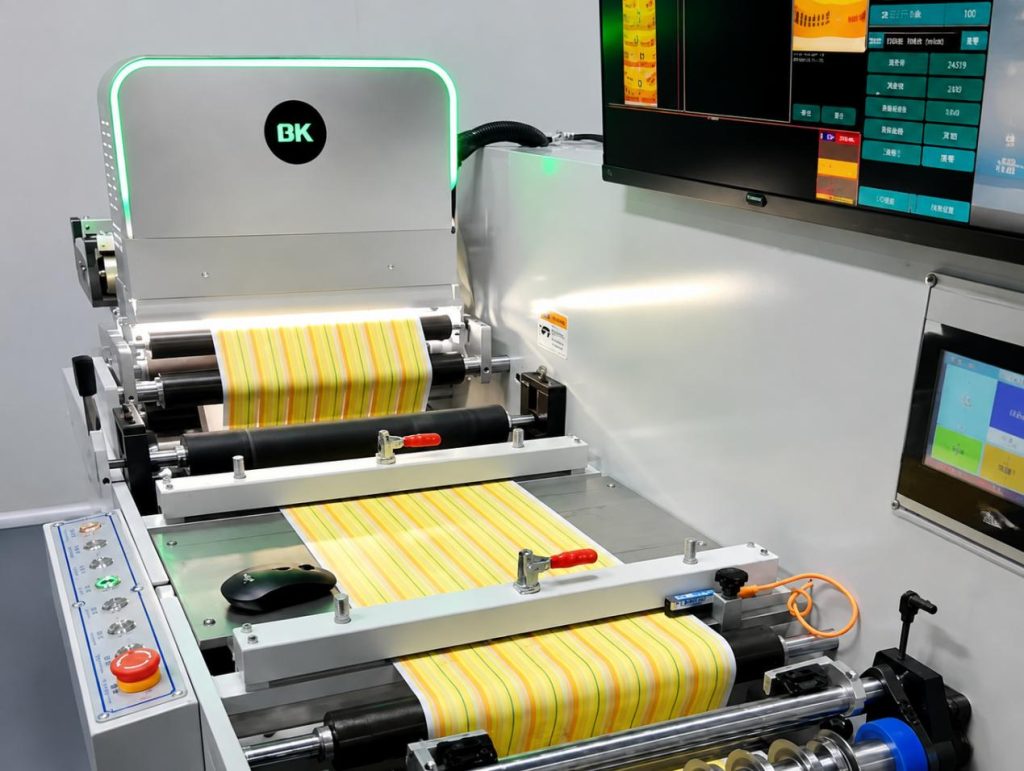
A vision inspection system can look at label placement and also check shape, size, color, and what is printed. It compares what it sees with set rules. Because of that, the team can spot bad label location and other label faults without relying only on people watching.
On packaging lines that run more than one product, the label vision inspection system can also match the label to the right package.
4. Checking Barcodes and QR Codes
Barcodes and QR codes show up in many places. They help with product ID, trace trails, shipment work, and inventory control. If the ink is poor or the code gets damaged, scanners may fail.
A vision inspection system can check that the code is there, where it sits, how sharp it looks, and whether it can be read. If the system is paired with code reading tools, it can also test whether the code holds the right data.
This lowers the chance of packing mistakes and supports steadier traceability.
5. Inspecting Seals and Package Integrity
For food, medicine, chemicals, and other high risk items, sealing matters a lot. A weak seal can reduce protection and shorten shelf life.
Vision inspection systems can scan the seal zone for visible trouble. It can flag incomplete sealing, fold lines, dirt, surface dents, or a seal that is in the wrong place. In some cases, cameras plus special lighting can reveal surface signs that are hard to catch with routine manual checks.
Select the inspection rules based on the packaging type, the sealing method, the product needs, and the quality standards that apply.
6. Maintaining Consistent Quality at High Production Speeds
Packaging machines often run fast. That makes it hard for staff to examine every unit in a stable way. People can also feel tired when the same visual task repeats over and over.
Automated vision inspection checks run all day at line speed. The 100% inspection system can check each product, or it can follow a set sampling plan based on the process needs.
That steadies the inspection results. It also lets operators spend time on tuning the process, adjusting equipment, and starting corrections, instead of doing repetitive visual checks.
7. Reducing Defective Products and Material Waste
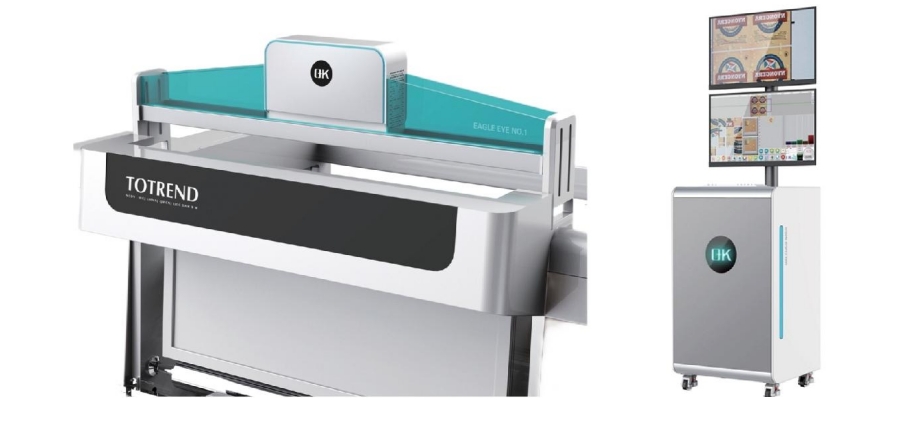
Finding defects early can cut waste. When a vision inspection system defect the same issue more than once, teams can look into the related machine or step before many packs are ruined.
For instance, repeated registration errors may point to a problem with print alignment. If label position errors keep showing up, the labeling unit may be the cause. Spotting these trends quickly can prevent extra material use and reduce stop time.
8. Supporting Real-Time Production Control
Vision inspection systems are not limited to finding bad packages. They can also send inspection outcomes to production-control tools. That helps plant teams see quality patterns over time.
The information collected can cover several areas. Examples include defect category, how often defects show up, where the item appears on the line, and the production time. Some setups also record other details that are useful for review. If these records are linked to a manufacturing execution system or a quality-management platform, teams can use them for process checks and deeper quality study.
Real-time feedback matters too. When results arrive quickly, production staff can react sooner to errors.
9. Improving Product Traceability
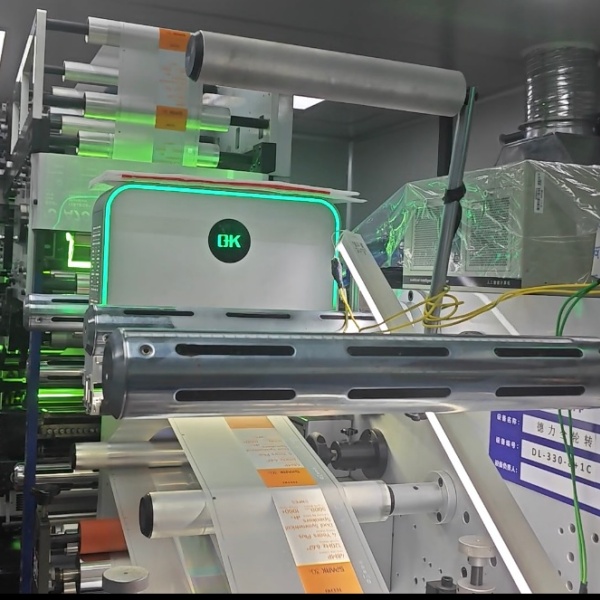
Packaging inspection records can improve traceability. Inspection results can be tied to production batches, product categories, production windows, or even machine conditions.
When a quality problem shows up, manufacturers can look back at the recorded inspection data. This helps them trace when the issue started and where it happened. It also makes quality work feel more organized, and it can speed up root-cause work.
10. Reducing Dependence on Manual Inspection
Manual inspection still have value in many settings. Human judgment is sometimes required, and that is hard to fully replace. But if manual inspection is used alone, results can vary by inspector. Long shifts can also reduce focus.
Vision inspection systems use the same inspection rules every time. Each package is checked using the same set of programmed parameters. That supports repeatable outcomes across the run.
For many sites, a full replacement is not always the best path. A more practical plan is to pair automated inspection with operator oversight and process control.
Applications of Vision Inspection Systems in Packaging
Vision inspection technology can be applied across many packaging processes.
| Application | What the Vision Inspection System Checks | Packaging Quality Benefit |
| Food packaging | Printing, seals, labels, contamination, package appearance | Helps maintain package integrity and consistent presentation |
| Pharmaceutical packaging | Labels, batch numbers, expiration dates, barcodes, and package defects | Supports accurate identification and traceability |
| Beverage packaging | Bottle/can appearance, labels, caps, fill-related visual issues | Helps detect packaging and labeling defects at high speed |
| Flexible packaging | Printing defects, color variation, wrinkles, scratches, and registration errors | Improves printed packaging consistency and reduces material waste |
| Carton packaging | Printing, folding, dimensions, labels, and structural defects | Helps ensure cartons meet specified quality requirements |
| Label inspection | Label presence, position, orientation, wrinkles, and printing | Reduces incorrect or poorly positioned labels |
| Barcode and QR code inspection | Code presence, position, contrast, and readability | Improves identification, traceability, and scanning reliability |
| Cosmetic packaging | Surface appearance, logos, labels, caps, and positioning | Supports consistent appearance and brand presentation |
| Consumer goods packaging | Product presence, package appearance, labels, and printed information | Helps reduce packaging errors before products reach customers |
| Printed packaging materials | Color, registration, missing print, smudges, and image defects | Enables continuous monitoring of print quality during production |
| Seal inspection | Seal position, visible wrinkles, contamination, and incomplete sealing | Helps identify visible sealing problems and protect package integrity |
| Multi-product packaging lines | Product identity, label matching, codes, and package characteristics | Helps prevent product-to-label and packaging mix-ups |
Key Factors to Consider for Successful Implementation of Vision Inspection Systems
Selecting and implementing a vision inspection system requires consideration of several factors.
| Key Factor | What to Consider | Impact on Implementation |
| Inspection Requirements | Define the defects, dimensions, labels, codes, colors, and packaging features that need to be inspected | Ensures the system focuses on the most important quality criteria |
| Camera Resolution | Select a camera with sufficient resolution to identify the smallest required defect | Determines inspection accuracy and defect-detection capability |
| Lighting | Choose suitable lighting intensity, angle, wavelength, and diffusion for the packaging surface | Improves image contrast and reduces reflections, shadows, and glare |
| Packaging Material | Consider transparent, reflective, glossy, textured, or flexible materials | Helps determine the appropriate camera and lighting configuration |
| Production Speed | Match camera exposure, image processing, and inspection cycle time with the production line | Enables reliable inspection without slowing production |
| Camera Position | Determine the correct viewing angle and inspection distance | Provides consistent images and reduces blind spots |
| Image Processing Software | Select algorithms suitable for defect detection, measurement, OCR, barcode reading, or pattern matching | Determines how effectively defects and packaging errors are identified |
| Inspection Accuracy | Establish acceptable tolerances for size, position, color, printing, and other characteristics | Reduces both missed defects and unnecessary product rejection |
| Integration with Production Equipment | Ensure compatibility with PLCs, conveyors, printers, labeling machines, and rejection systems | Enables automated inspection and real-time production control |
| Automatic Rejection | Define how defective packages will be removed from the production line | Prevents identified defective products from continuing through production |
| Data Management | Determine which inspection results, images, and defect records should be stored | Supports traceability, quality analysis, and process improvement |
| System Flexibility | Consider product changeovers, different package sizes, and multiple inspection recipes | Makes the system easier to adapt to changing production requirements |
| Environmental Conditions | Consider temperature, dust, vibration, moisture, and ambient lighting | Helps maintain stable inspection performance in real production environments |
| Operator Training | Train personnel to operate the system, adjust inspection parameters, and respond to alarms | Improves system utilization and reduces operational errors |
Summary
Vision inspection systems improve packaging quality through fast and consistent inspection during production. They can detect printing defects, label mistakes, code issues, sealing defects, surface damage, and other packaging errors. At the same time, they help with real-time quality monitoring and traceability.
With cameras, lighting, image processing, and automated production control, manufacturers can identify defects earlier. That can cut waste and improve how consistent inspection remains. As packaging lines keep getting faster and more automated, vision inspection systems should keep playing a key role in quality control.