
How Vision Inspection Systems Support Traceability
In modern manufacturing and printing industries, product quality is not only about identifying defects, but also about maintaining accurate records throughout the production process. Manufacturers often need to know when the item was checked, which batch it came from, what problems were seen, and whether fixes were done. That is why traceability matters.
Vision inspection systems help traceability in a practical way. They automatically capture images, identify defects, record inspection results, and connect quality data with individual products or production batches. By integrating machine vision technology with production management systems, manufacturers can establish a more transparent and reliable quality control process.
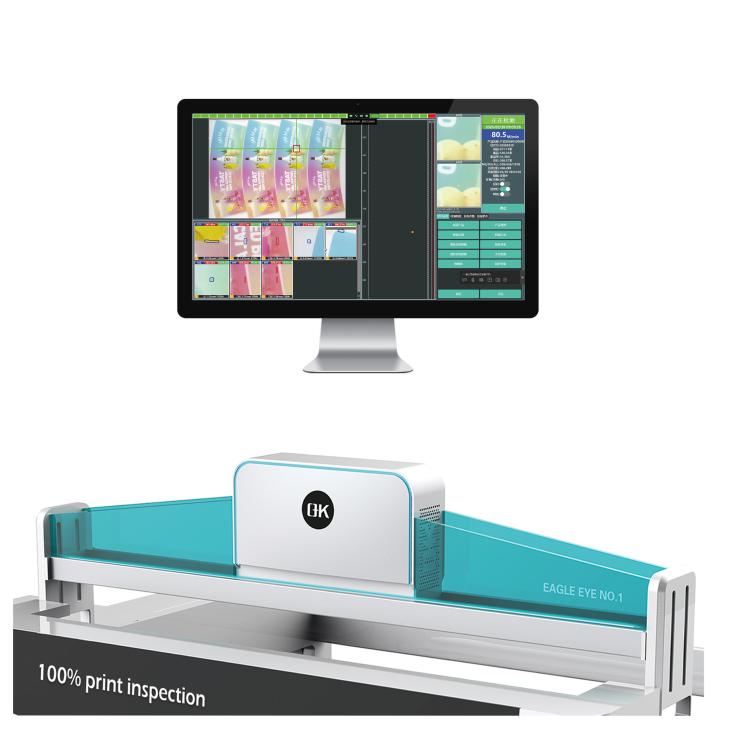
Table of Contents
What is Traceability in Vision Inspection Systems
Traceability refers to the ability to track a product, component, or production batch throughout its manufacturing process. It involves collecting and storing relevant information about production conditions, inspection results, quality issues, and product identification.
With traditional inspection methods, traceability can rely on paper logs and handwritten notes. Staff may also write down what they saw during checks. This approach takes time. It can also lead to missing data or mixed records.
Vision inspection systems make the work more consistent. They run automatic image capture and log the data in a structured way. Each inspection event can be tied to a product ID, a batch code, a date and time, or a line name.
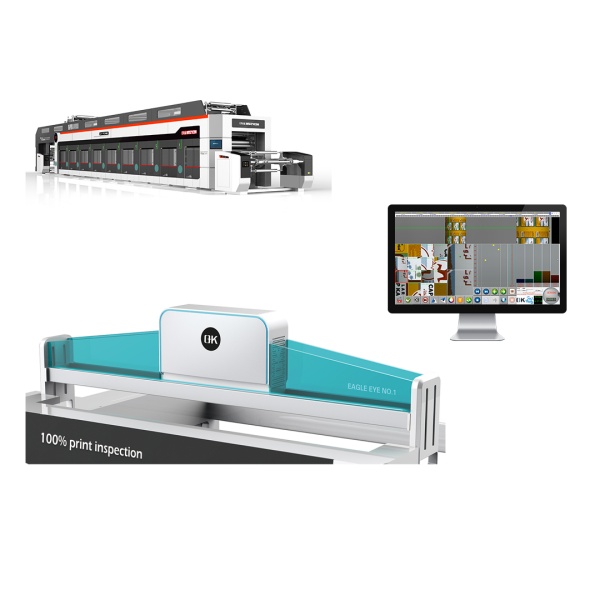
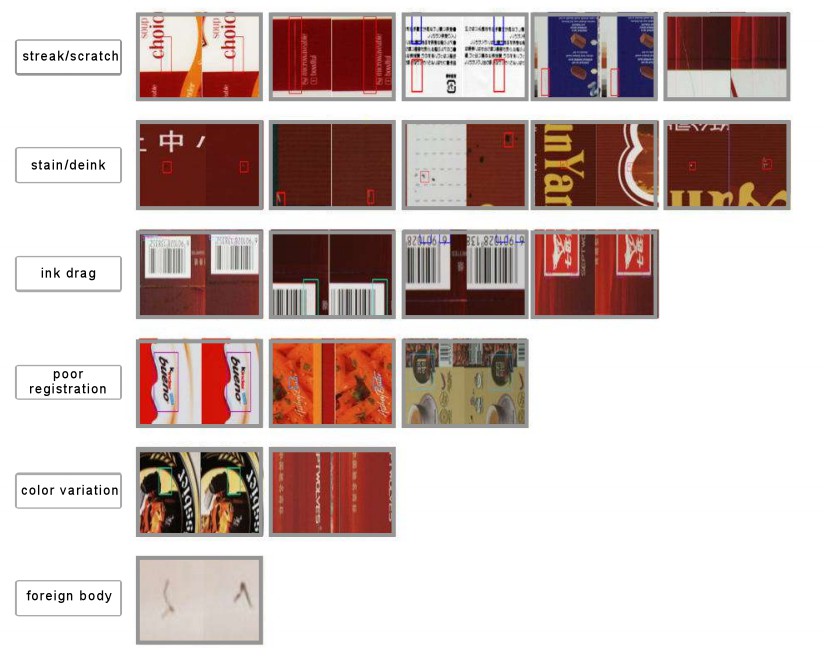
For instance, in printing, a vision quality inspection system can film printed sheets. It can find issues like absent text, color shifts, scratches, and misalignment. After that, it saves the inspection notes so staff can review them later.
The Working Process of Using Vision Inspection Systems for Traceability
1. Automatic Image Capture and Inspection Records
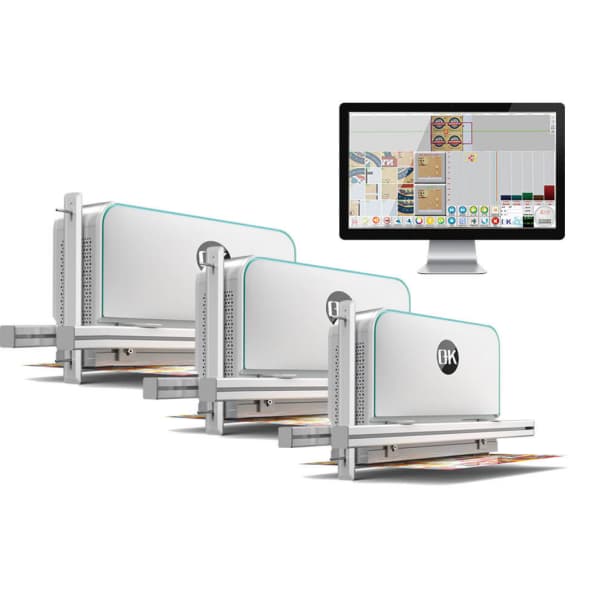
A key job for a vision inspection system is automatic image capture. Industrial cameras keep taking images as items move along the line.
The 100% defect inspection system then analyzes what it sees. It logs the results, such as detected defects, where they appear, the time of the check, and the current product state.
These saved logs act as visual proof at different points in production. If a defect shows up later, the team can open the stored images. They can then judge what likely caused the issue and whether it started during making or during inspection.
2. Product Identification and Batch Tracking
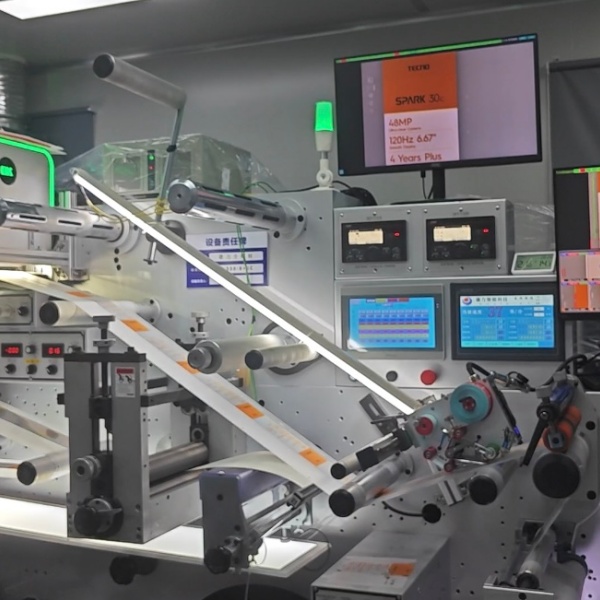
Vision inspection systems can use barcode readers, QR scanners, OCR, and other methods. These tools help the system recognize a single item or a batch.
When a code is read, the printing quality inspection system links that scan to the right product or batch record.
For instance, a packaging manufacturer that runs several orders can tag each one with product codes. The codes help sort out designs, material types, and production lots. If a printing flaw shows up after the fact, the manufacturer can find the right lot fast. Then it can pull the related inspection log.
3. Real-Time Defect Detection and Data Recording
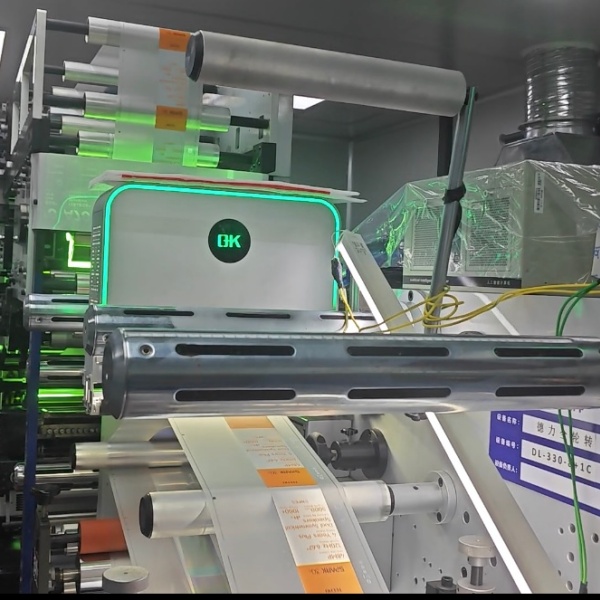
With real-time defect detection, quality issues are spotted while the line is still running. That is better than finding problems only after production ends.
When the vision inspection tool spots a defect, it logs the defect kind, where it appears, and how severe it is. It also links this info to the current production details. Some setups can ring an alarm or send a signal to the reject unit.
4. Integration with MES, ERP, and Database Systems
A vision inspection system works best when it connects to MES, ERP, and shared database tools. The inspection data then fits into the wider production picture.
With these links in place, inspection results can tie back to work orders, machine details, material batch IDs, operator entries, and the production plan.
As a result, quality staff can view complete production context without chasing data across too many places.
5. Historical Data Storage and Retrieval
Traceability is not only about collecting inspection results. It also means pulling older records when there is a need.
Vision inspection systems can keep inspection photos, defect summaries, timestamps, and other quality notes in local storage or a central server.
When records are saved like this, teams can look into customer complaints, run quality checks, compare lots, and track repeat defects.
Key Traceability Functions of Vision Inspection Systems
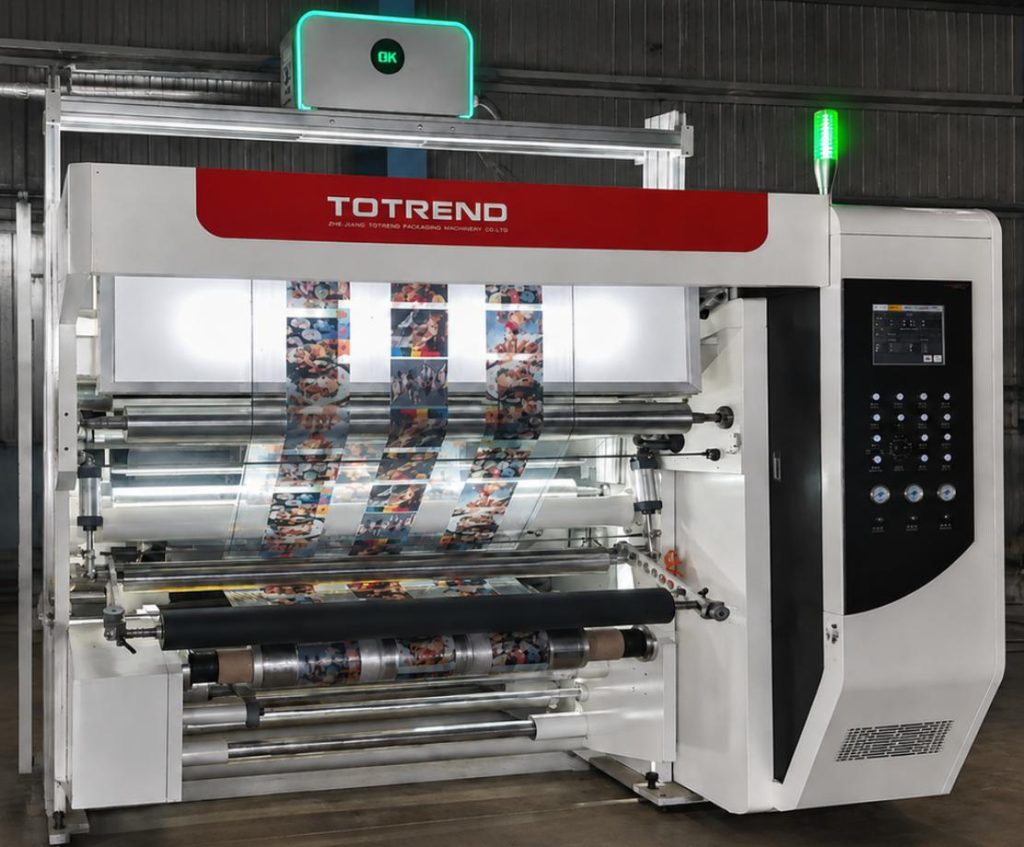
Different vision inspection systems provide different traceability capabilities depending on their hardware, software, and integration options.
| Traceability Function | Description | Key Benefits |
| Automatic Image Capture | Captures product images during production and stores visual inspection records. | Provides visual evidence for quality verification. |
| Product Identification | Uses barcode readers, QR code scanners, and OCR technology to identify products. | Ensures accurate product and batch identification. |
| Defect Detection and Recording | Detects and records defects, including scratches, stains, missing text, and printing errors. | Helps track quality problems and identify defect patterns. |
| Timestamp Recording | Records the date and time of each inspection event. | Identifies when and where quality issues occur. |
| Batch Tracking | Links inspection results with specific production orders and batch numbers. | Makes it easier to locate affected products. |
| Production Data Integration | Connects inspection data with MES, ERP, and other production management systems. | Improves information sharing and production transparency. |
| Historical Data Storage | Stores inspection images, defect records, and production information. | Supports quality audits and historical investigations. |
| Defect Classification | Categorizes detected defects according to type, location, and severity. | Simplifies quality analysis and corrective actions. |
| Real-Time Quality Monitoring | Monitors inspection results and defect trends during production. | Enables faster responses to quality problems. |
| Quality Reporting | Generates inspection reports and production quality statistics. | Supports performance evaluation and quality management. |
Benefits of Using Vision Inspection Systems for Traceability
Improved Product Quality Consistency
Automated inspection lowers reliance on manual checks. It supports steady standards across shifts. By logging defects as production moves forward, teams can spot quality drift and respond early.
Faster Quality Problem Investigation
When customers report defects, the key job is to locate the impacted lots. Then the team must find the cause.
Vision inspection systems provide historical images and inspection records that help quality teams investigate problems more efficiently. Instead of checking large quantities of paper records, they can search relevant production and inspection information.
Reduced Product Recall Risks
Accurate traceability makes it easier to match products to specific production problems. Teams can isolate the affected lots. That means fewer unnecessary recalls and fewer needless inspections.
Even if inspection tools cannot fully remove recall risks, they can still give useful facts that help teams manage quality more closely.
Better Production Transparency
When inspection data is captured automatically, vision systems make it easier to see what is happening on the shop floor.
In practice, production managers can track defect patterns over time. They can also check how shifts differ and compare results across separate lines. That kind of daily visibility makes quality work easier and planning less guesswork.
Stronger Quality Compliance
Some manufacturing areas expect written inspection steps and kept quality records. Vision inspection systems can help keep that information organized.
This can support internal audits, meet customer expectations, and align with relevant quality management requirements.
That said, compliance is not only about inspection capture. It also relies on the wider quality management work. Data integrity matters. Retention rules matter too. Validation and access controls also play a role.
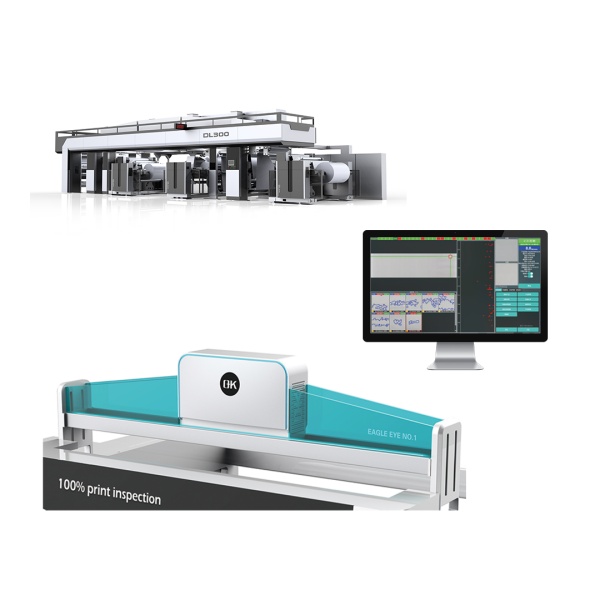
Traceability Applications of Vision Inspection Systems in Different Industries
Vision inspection systems support traceability across various industries where product quality, identification, and production records are important.
| Industry | Main Inspection Tasks | Traceability Applications | Key Benefits |
| Printing and Packaging | Detecting printing defects, color variations, missing text, and registration errors. | Links inspection images and defect records to specific print jobs, rolls, and production batches. | Improves print quality tracking and simplifies defect investigations. |
| Pharmaceutical | Inspecting labels, barcodes, packaging, tablet appearance, and product codes. | Connects inspection results with product serial numbers, batch numbers, and production records. | Supports product identification and quality documentation. |
| Automotive | Inspecting components, surface defects, dimensions, and assembly quality. | Tracks inspection histories for individual components and manufacturing batches. | Improves component traceability and quality control. |
| Electronics | Detecting soldering defects, missing components, PCB defects, and assembly errors. | Associates inspection results with PCB IDs, component batches, and assembly records. | Helps identify defective components and production issues. |
| Food and Beverage | Inspecting packaging, labels, seals, expiration dates, and product appearance. | Links inspection data with packaging codes, production dates, and batch information. | Supports batch tracking and product recall management. |
| Textile | Detecting fabric stains, holes, weaving defects, and surface irregularities. | Records defect locations and associates inspection results with fabric rolls and production batches. | Makes fabric quality tracking and defect identification easier. |
| Metal Processing | Detecting scratches, cracks, surface imperfections, and dimensional variations. | Stores inspection records linked to material batches, processing stages, and product IDs. | Improves material quality tracking and production accountability. |
| Plastics Manufacturing | Inspecting molded parts, surface defects, dimensions, and color consistency. | Connects inspection results with mold numbers, production batches, and machine parameters. | Helps identify manufacturing defects and process variations. |
| Medical Devices | Inspecting product appearance, assembly accuracy, labels, and markings. | Links inspection records with device identifiers, manufacturing batches, and production history. | Strengthens product quality documentation and traceability. |
| Glass Manufacturing | Detecting cracks, bubbles, scratches, and dimensional defects. | Records defect positions and associates inspection data with individual glass sheets or production batches. | Supports product tracking and quality consistency. |
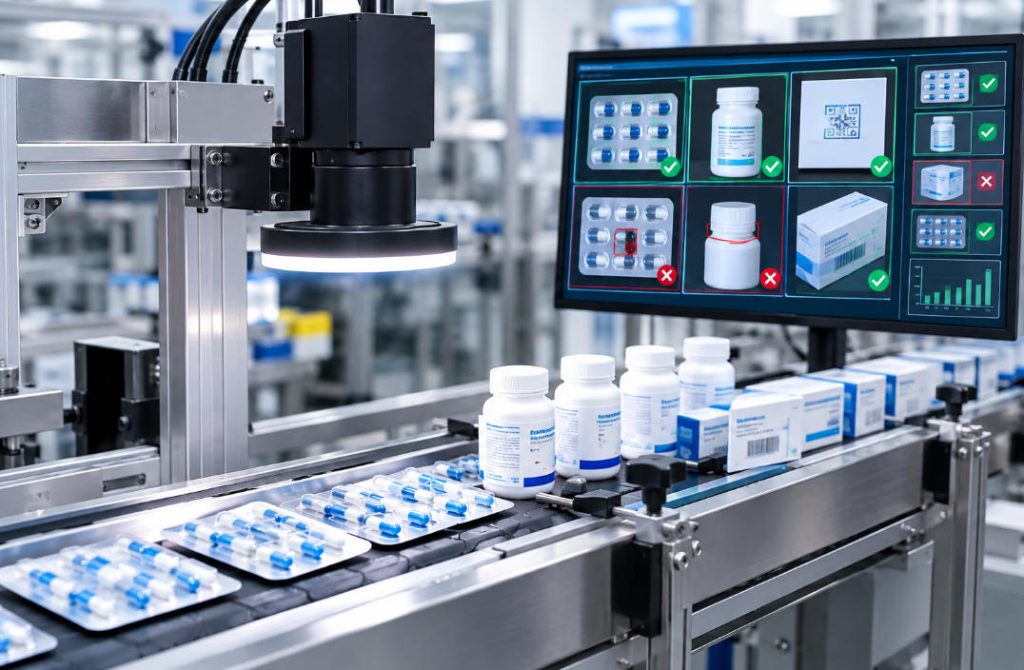
Challenges in Implementing Vision Inspection Systems for Traceability
Although vision inspection systems offer significant advantages, manufacturers should consider several challenges when implementing them.
1. Data Integration Complexity
Vision inspection systems must connect with current MES, ERP, and database systems. Sometimes this needs custom link work for communication.
Also, data formats and system designs may not match, which can slow integration.Teams should check protocols and software fit before they install anything.
2. Large Volumes of Inspection Data
Fast lines can create huge numbers of images and records. If storage is not planned, the cost can climb, and managing files becomes a problem.
A storage plan should set how long images are kept, how they are compressed, how backups run, and who can access what.
3. Product Identification Accuracy
Traceability depends on linking inspection results to the right products or batches. If barcodes are damaged, codes are hard to read, or identification is done wrong, traceability can break.
Using the right identification methods and adding verification steps can reduce these issues.
4. System Calibration and Maintenance
Camera positioning, lighting conditions, lens performance, and environmental changes can affect inspection accuracy.
Regular calibration, equipment maintenance, and inspection algorithm validation are necessary to maintain reliable results over time.
5. Data Security and Integrity
Inspection records must be protected against unauthorized modification, accidental deletion, and system failures.
Manufacturers should set access controls, run backups, keep audit logs, and follow clear retention policies.
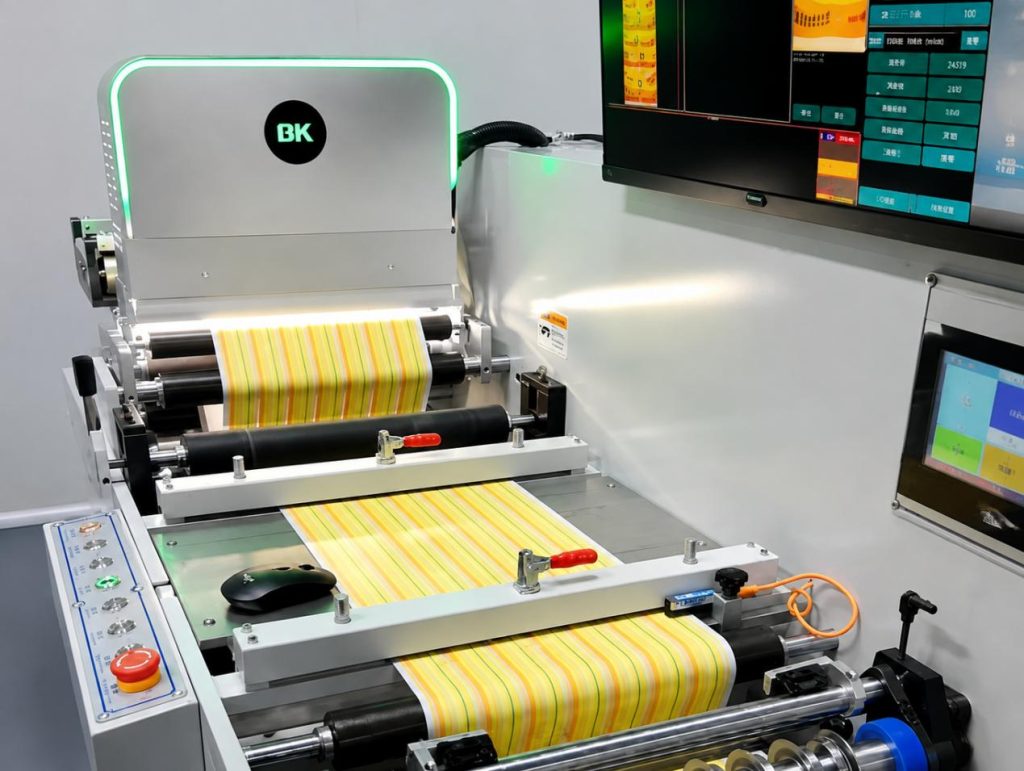
Best Practices for Improving Traceability with Vision Inspection Systems
To achieve reliable traceability, manufacturers should consider the entire inspection and data management workflow rather than focusing only on defect detection.
| Best Practices | Implementation Methods | Expected Benefits |
| Establish Consistent Product Identification | Use unique product IDs, batch numbers, barcodes, QR codes, or serial numbers to identify products throughout production. | Ensures accurate product identification and batch tracking. |
| Standardize Inspection Data Collection | Define consistent data fields, including inspection timestamps, defect types, defect locations, product IDs, and inspection results. | Creates complete and consistent traceability records. |
| Integrate with MES and ERP Systems | Connect vision inspection systems with manufacturing execution systems (MES), enterprise resource planning (ERP), and centralized databases. | Improves data sharing and production information management. |
| Enable Real-Time Data Recording | Configure inspection systems to automatically capture images and upload inspection results during production. | Reduces manual recording and minimizes missing information. |
| Optimize Product Identification Accuracy | Select suitable cameras, barcode readers, OCR tools, and lighting conditions for different product surfaces and codes. | Reduces identification errors and incorrect data associations. |
| Implement Reliable Data Storage | Use centralized databases, cloud platforms, or local storage systems with appropriate backup and archiving mechanisms. | Protects historical inspection records and supports future retrieval. |
| Maintain Inspection System Accuracy | Regularly calibrate cameras, adjust lighting, clean optical components, and validate inspection algorithms. | Maintains consistent defect detection and reliable quality records. |
| Establish Data Security Controls | Apply user permissions, access authentication, encryption, and audit logs to protect inspection information. | Improves data integrity and prevents unauthorized changes. |
| Monitor Traceability Performance | Regularly review missing records, identification errors, defect statistics, and inspection system performance. | Helps identify weaknesses and improve traceability processes. |
| Train Operators and Quality Teams | Provide training on system operation, inspection result interpretation, data retrieval, and troubleshooting. | Improves operational efficiency and reduces human errors. |
| Define Data Retention Policies | Establish clear rules for image storage, record retention, data archiving, and deletion according to business and regulatory requirements. | Ensures important quality information remains accessible when needed. |
| Develop Backup and Recovery Procedures | Use automated backups, redundant storage, and recovery plans to protect against hardware failures and network interruptions. | Reduces data loss risks and maintains traceability continuity. |
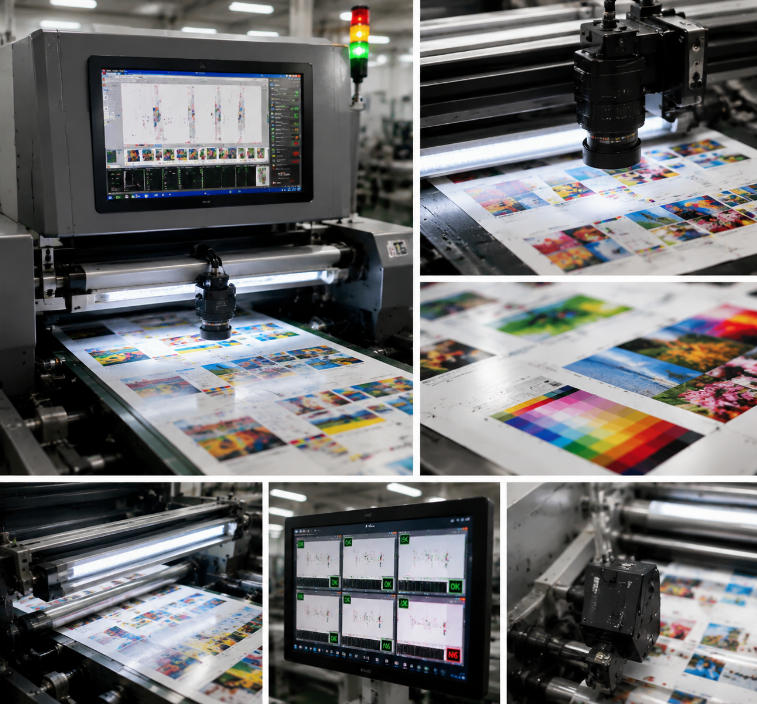
Final Words
Vision inspection systems support traceability by automatically capturing product images, identifying defects, recording inspection results, and connecting quality information with individual products or production batches. These capabilities help manufacturers improve product quality, investigate problems faster, reduce recall risks, and maintain more complete production records.
Many fields benefit from this approach. Printing, packaging, automotive, electronics, and pharmaceuticals all rely on tight quality control. When vision inspection is tied into production management systems, traceability can get stronger.
Selecting the right vision inspection system requires considering not only detection accuracy and production speed but also product identification capabilities, data storage, system integration, and historical record retrieval. With the right configuration, a manufacturer can run a more dependable quality process and keep tighter control across the full production line.