
How Automated Inspection Systems Reduce Printing Costs
In the modern printing industry, keeping production costs in check has turned into one big priority, since companies now get pushed to deliver better results quicker, with less material thrown away. Old school manual inspection methods, well they often can’t really follow the pace of high speed printing. So defects slip through, timelines get messed up, and extra expenses show up that nobody planned for. Automated inspection systems provide an effective solution, because they use advanced cameras, sensors, image processing techniques, and even artificial intelligence, so they can monitor print quality in real time. And when defect detection gets better, waste drops, and the whole workflow becomes more efficient, printing companies usually notice they can bring down their daily operating costs by a lot.
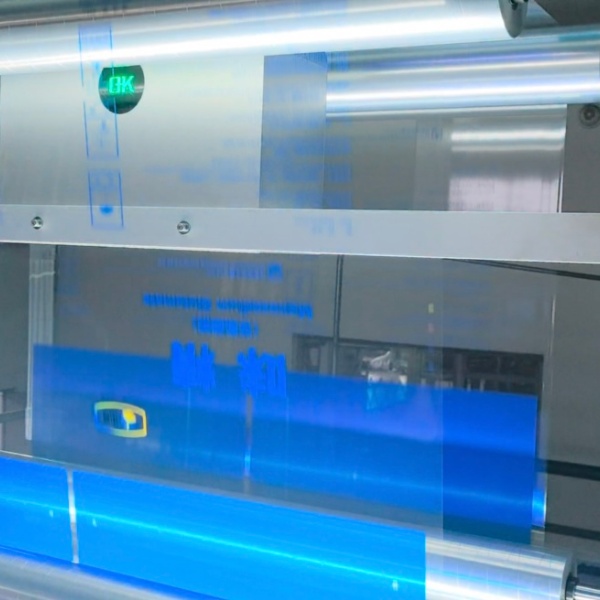
Table of Contents
The Role of Automated Inspection Systems in Modern Printing
Automated inspection systems are designed to keep an eye on printed products while they’re actually being made, and to flag defects instantly. Compared with manual inspection, which depends on a person’s eyes and sometimes only checks in intervals, automated systems review the entire surface at high speed.
The automated printing inspection systems are widely used in flexible packaging, label printing, publishing, carton production, and also in specialty printing lines. They’re able to identify all sorts of problems like missing text, wrong colors, poor registration, streaking, smearing, scratches, and even small foreign particles.
Because they analyze print quality continuously during production, automated inspection systems help manufacturers correct issues right away, rather than finding out later, after many batches have already been printed and shipped out.
Key Factors Affecting Printing Production Costs
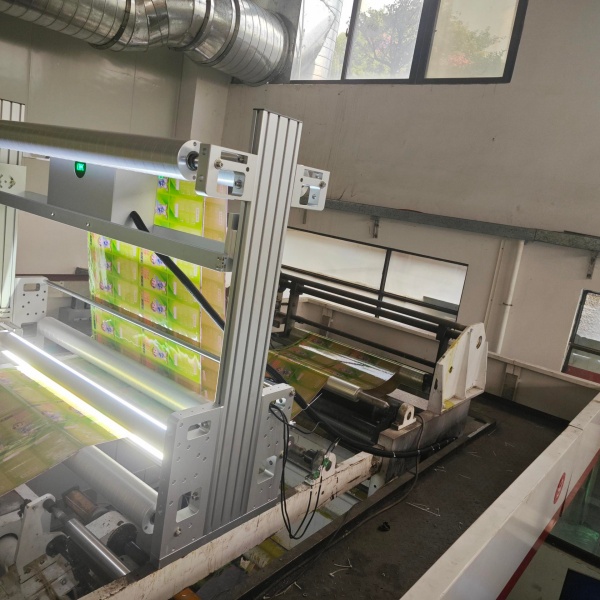
Printing production costs are influenced by many factors throughout the entire manufacturing process, from raw material selection and equipment operation to quality control and final delivery.
| Factor | Description | Impact on Printing Costs |
| Raw Material Costs | Includes paper, plastic films, labels, ink, coatings, and other consumable materials used during printing. | Higher material prices or excessive consumption increase overall production expenses. |
| Material Waste and Defective Products | Waste caused by printing errors, incorrect settings, quality issues, and rejected products. | Increases costs through wasted materials, additional processing, and reprinting requirements. |
| Ink Consumption and Color Management | The amount of ink used and the ability to maintain accurate color consistency during production. | Poor color control can lead to excessive ink usage, repeated adjustments, and higher operating costs. |
| Printing Machine Efficiency | The performance, speed, stability, and reliability of printing equipment. | Low efficiency, frequent stops, or outdated equipment can reduce productivity and increase costs. |
| Labor Expenses | Costs associated with machine operation, quality inspection, maintenance, and production management. | Higher labor requirements increase operational expenses, especially for manual inspection processes. |
| Production Downtime | Time lost due to machine failures, setup changes, maintenance, or quality problems. | Longer downtime reduces output capacity and increases cost per printed product. |
| Quality Inspection Methods | The technology and processes used to detect printing defects and maintain product quality. | Inefficient inspection methods may allow defects to continue, resulting in waste and customer returns. |
| Printing Speed and Production Volume | The operating speed of printing equipment and the quantity of products produced. | Low production efficiency increases unit costs, while optimized production volume can reduce expenses. |
| Machine system and Changeover Time | Time required for adjusting colors, materials, plates, and printing parameters between jobs. | Longer setup periods reduce production time and increase labor and energy costs. |
| Maintenance and Equipment Repair | Regular maintenance, replacement parts, and unexpected equipment repairs. | Poor maintenance can cause breakdowns, higher repair expenses, and reduced machine lifespan. |
| Energy Consumption | Electricity and other energy resources required for printing equipment, drying systems, and auxiliary devices. | Higher energy usage increases operating costs, especially in large-scale printing operations. |
| Automation Level | The degree of automation used in production, inspection, and process control. | Higher automation can reduce labor costs, minimize errors, and improve production efficiency. |
| Printing Technology and Equipment Selection | Choice of printing methods, such as flexographic, digital, offset, or gravure printing. | Suitable technology improves efficiency, while unsuitable equipment may increase waste and operating costs. |
| Quality Requirements and Customer Specifications | Requirements for color accuracy, printing precision, material standards, and inspection levels. | More demanding quality standards may require advanced equipment and additional processing. |
| Supply Chain and Logistics Costs | Expenses related to purchasing materials, storage, transportation, and delivery. | Rising supply chain costs directly increase the total production cost of printed products. |
Key Ways for Reducing Printing Costs Provided by Automated Inspection Systems
1. Reducing Material Waste Through Early Defect Detection
When a printing mistake is not noticed quickly, hundreds, even thousands of meters of defective material can be made before a corrective step is taken, which is costly.
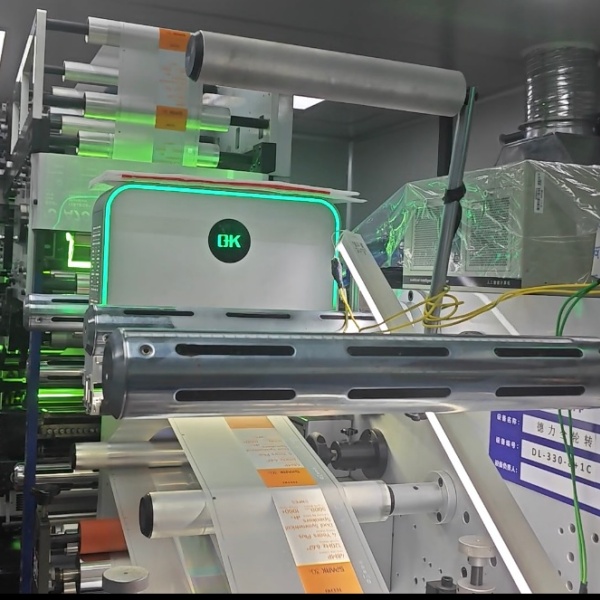
Automated inspection systems cut this waste by spotting defects the moment they show up. High-speed cameras grab images of the printed output, and intelligent software then checks the result against preset quality benchmarks. Once a deviation is found, the system sends an immediate alert to the operators
That fast response of defect detection systems helps the production team to tune machine parameters, swap out damaged parts, or fix ink-related faults before serious material loss accumulates. In the end, businesses can lower consumption of paper, plastic film, labels, ink and other printing supplies
2. Improving Printing Efficiency and Reducing Downtime
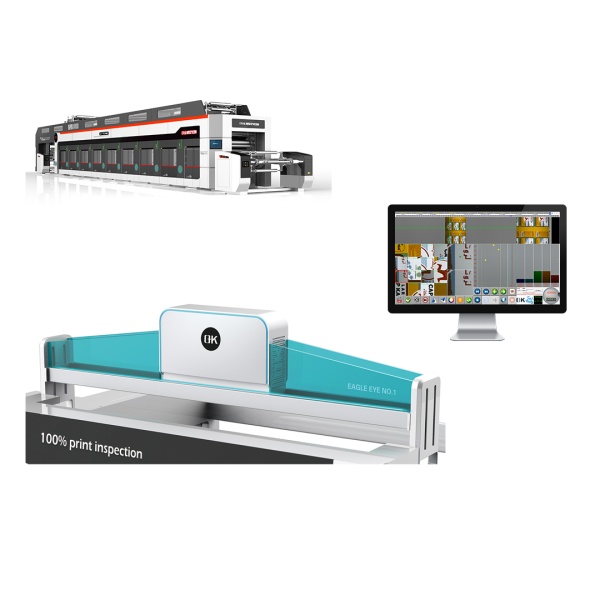
Automated 100% inspection systems help production stay efficient by doing real-time monitoring of printing conditions. Operators are able to find defects fast, then fine-tune settings without pausing the whole production line for those extended checks.
A lot of advanced systems also keep the inspection record. That way, manufacturers can review recurring defect patterns and narrow down their underlying cause. With that, they improve the machine setup rituals, tune the production settings better, and stop the same trouble from reappearing.
When downtime is reduced and process stability is improved, automated printing quality inspection systems support companies in reaching higher output with fewer interruptions.
3. Lowering Labor Costs and Improving Inspection Accuracy
Manual quality inspection needs trained operators who have to check printed materials again and again during production, and they really need to be paying attention. Still, human inspection can get influenced by fatigue, reduced focus, and differences in how people see things, which is a little messy.
Automated inspection systems offer steadier and objective quality evaluation. They can examine materials continuously without depending on human sight, so each product, is guided to meet the required standards.
Even if these automated systems need an upfront investment, they often cut long-term labor costs by lowering the need for constant manual monitoring. Instead of repeating inspection routines, employees can spend more time on production management, maintenance, and process enhancement.
4. Reducing Reprints and Customer Returns
Poor printing quality can make products get rejected, trigger customer complaints and even push companies into costly reprinting. For packaging manufacturers and brand owners, even small printing defects can mess with product appearance and influence how the market sees them.
Automated inspection systems help prevent that by flagging defective items before they leave the warehouse. When printing stays consistent, companies typically see fewer rejected batches, and they avoid the extra charges tied to rework plus replacement work.
Keeping quality control steady also supports customer satisfaction, and it helps build stronger long-term business ties.
5. Optimizing Ink Use and Color Management
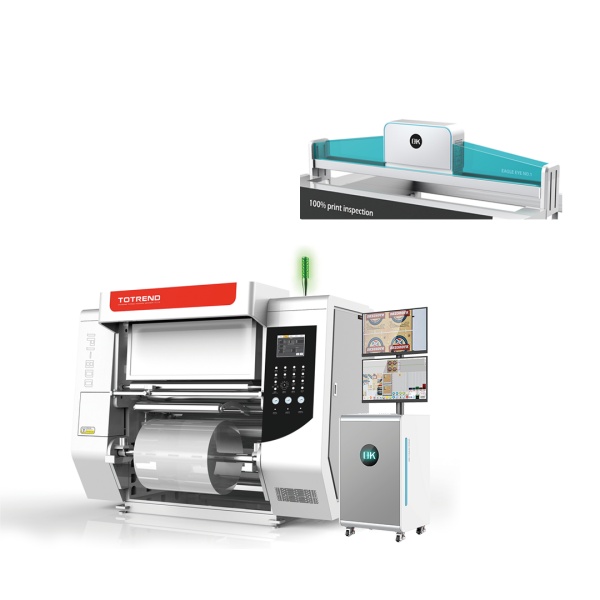
Modern automated inspection systems may bring in color inspection features that keep an eye on printed colors during the whole production run. They match what’s printed against approved reference standards and then flag color deviations right away, when the line is still moving.
Maintaining accurate color control really matters, because it can reduce unnecessary ink waste, also it helps ensure the final prints match what customers expect. This is particularly true for packaging, label work , and brand assets, where color uniformity needs to stay strict.
6. Supporting Smart Printing and Industry 4.0 Integration
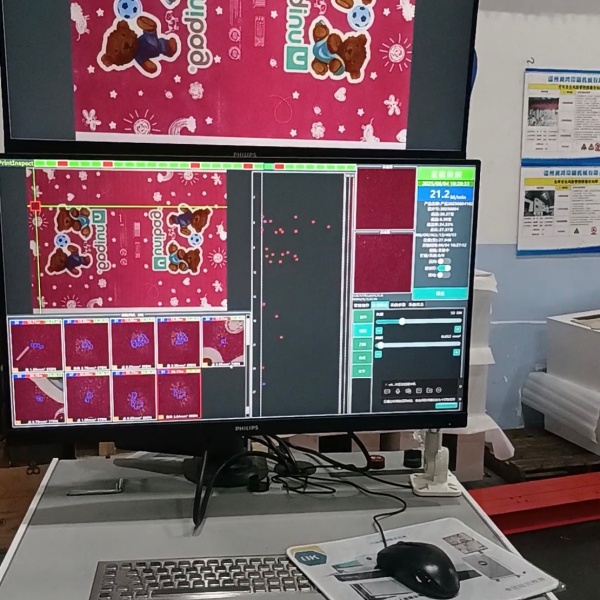
Automated inspection systems are turning into a key piece inside smart manufacturing ecosystems. A lot of newer solutions can link with digital production platforms, manufacturing execution systems, and enterprise management software.
By going through data gathering and then analysis, the 100% full-surface inspection systems end up giving useful insights on defect frequency, production effectiveness, and machine performance, though it can feel a bit messy at first. Manufacturers can lean on that information to streamline the workflows, cut down waste and even make better production decisions later.
Artificial intelligence and machine learning technologies are further improving automated inspection capabilities. AI-based systems can recognize complex defect patterns, learn from previous inspection results, and improve detection accuracy over time.
7 . Extending Equipment Life and Lowering Maintenance Expenses
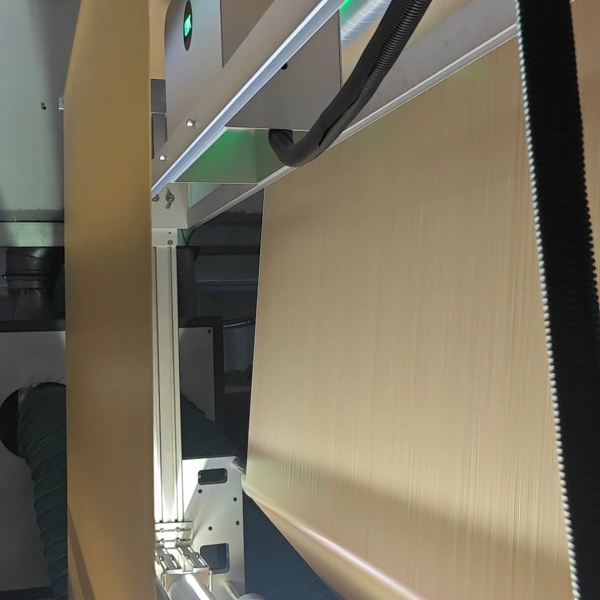
Automated label inspection systems can also quietly track how production equipment is performing. If printing quality shifts unexpectedly, that can point to worn rollers, mistaken pressure adjustments, misalignment issues, or other mechanical failures.
By catching these warning indicators sooner, manufacturers can carry out preventive maintenance before major equipment damage happens. This lowers the repair expenses, prolongs the machine service duration, and also improves overall production reliability.
8. Achieving Long-Term Cost Benefits
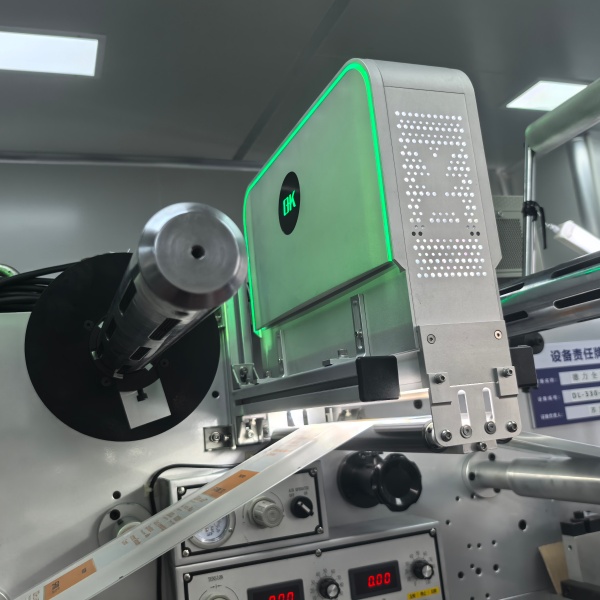
The financial benefits of automated inspection systems go beyond immediate waste reduction. When inspection improves production efficiency, lowers the number of defects, and boosts machine availability, the result becomes longer-term cost advantages.
Organizations that use automated inspection technology often see better resource utilization, more steady production schedules, and greater customer confidence. And since competition within the printing market keeps rising, reducing avoidable costs while maintaining quality has become a deciding factor for business success.
Summary
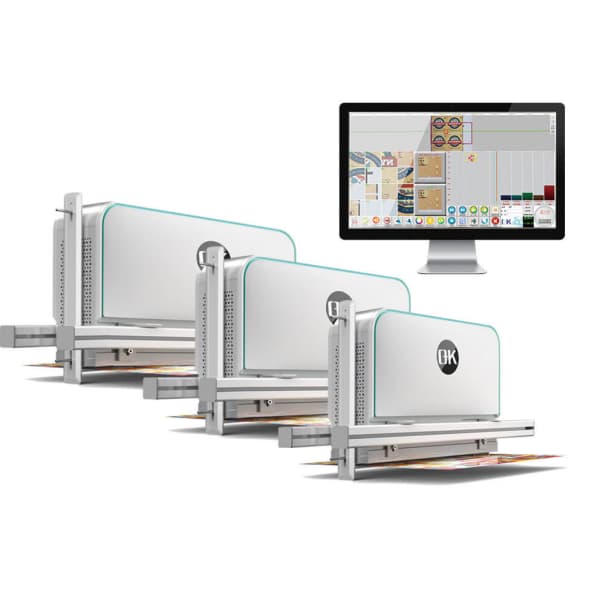
Automated inspection systems provide a practical way to cut costs but still improve quality and productivity. With real-time monitoring, precise flaw detection, less material waste, reduced labor needs, and smarter data analysis, they help makers keep the workflow more efficient and reliable for actual printing operations.
As printing technology keeps moving toward automation and into smart manufacturing, automated inspection systems will take on an even bigger role. They help businesses manage expenses, strengthen competitiveness, and answer the rising demand for well produced printed products.