
How to Choose the Right Quality Inspection System for Printing Operations
Product quality has become one of the most important factors that shape customer satisfaction and overall business competitiveness for the modern printing industry. Whether the job is flexible packaging, labels, cartons, magazines, or those special, niche printed materials, manufacturers really have to make sure that every single run stays within strict quality criteria. A quality inspection system offers an automated way to follow the printing process and catch defects in real time. However, with many different inspection technologies available, choosing the right printing inspection system should take careful evaluation of production conditions, printing demands, and also the kind of future development needs the line might have later.
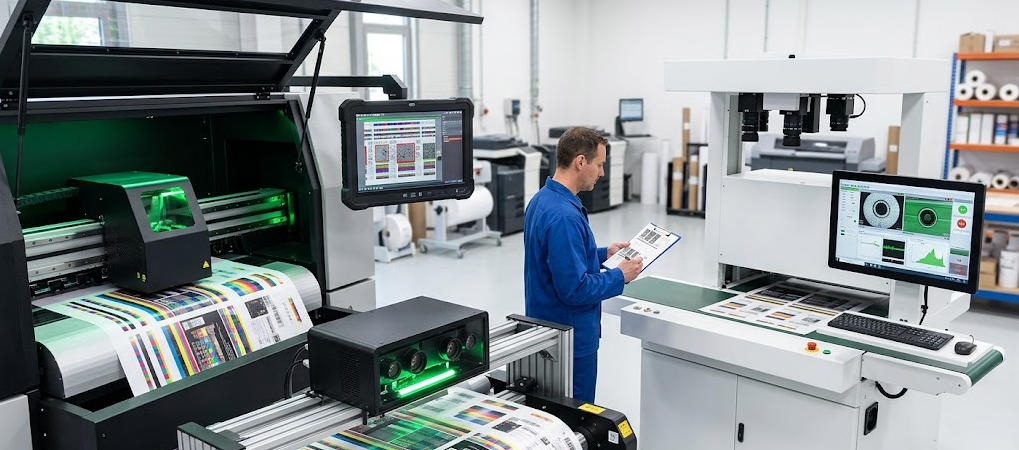
Table of Contents
Understanding the Role of Quality Inspection Systems in Printing Operations
A quality inspection system works like a constant checkpoint in modern printing operations, because it examines the printed output while it’s running and then compares what’s actually produced against predefined quality standards. Old school manual inspection often depends a lot on the operator’s knowledge and some random sampling. That can be messy, since it’s easy to miss tiny defects or those weird inconsistencies that show up when production is running fast and everything moves in a blur.
Automated inspection systems handle that by doing continuous monitoring, along with more consistent defect recognition. Usually, high-resolution cameras capture the images of printed material and then dedicated software processes those images to spot differences in color, geometry, alignment, and surface condition. In practice, this means earlier detection, less waste from defective products, and higher efficiency across the production process.
For industries like flexible packaging, pharmaceutical labels, food packaging, and even electronic printing, where quality expectations are extremely tight, having an advanced automated inspection system becomes an important component of production management.
Key Considerations for Choosing the Right Quality Inspection Systems for Printing Operations
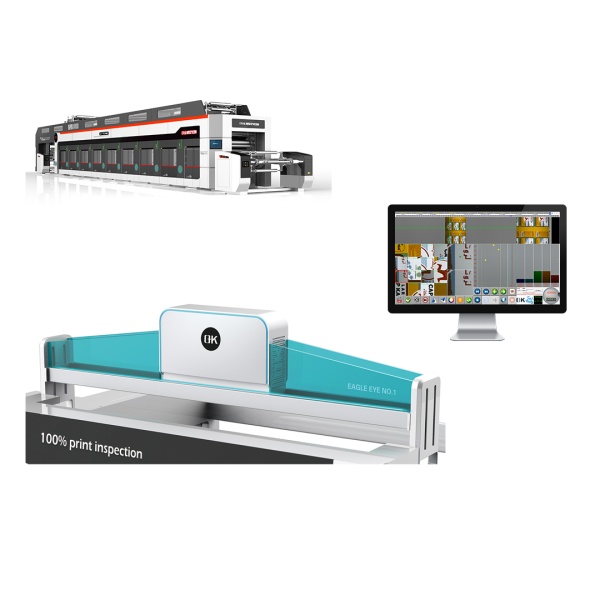
Choosing the right quality inspection system for printing operations needs careful thinking about production needs , printing technology, how accurate the inspection is, and a few other things. The right system can really improve quality control, reduce material waste, and help with smarter manufacturing, in a way that feels more connected than before.
1. Evaluating Printing Requirements
The first step when selecting a quality inspection system is to look at what the printing job actually is. Different printing technologies, and different products, demand different inspection capabilities. For example, a system made for newspaper work may not deliver the needed precision for pharmaceutical packaging, or for high-end label runs.
Manufacturers should start by reviewing the whole printing process, including the kind of printing equipment used, what materials are being printed, the production speed, and the required inspection accuracy. Other factors also matter, like the printing width, substrate behavior, and the typical defect patterns that show up during production.
For instance, a flexible packaging manufacturer may need a fast, web inspection systems that can look through big rolls of film continuously, and yes, without taking too long in between. A label producer on the other hand might require extremely high resolution, to catch tiny text errors, barcode troubles, and delicate design deviations. Figuring out these application needs helps make sure the chosen system actually works reliably in real production, not only in tests.
2. Selecting the Right camera and imaging Technology
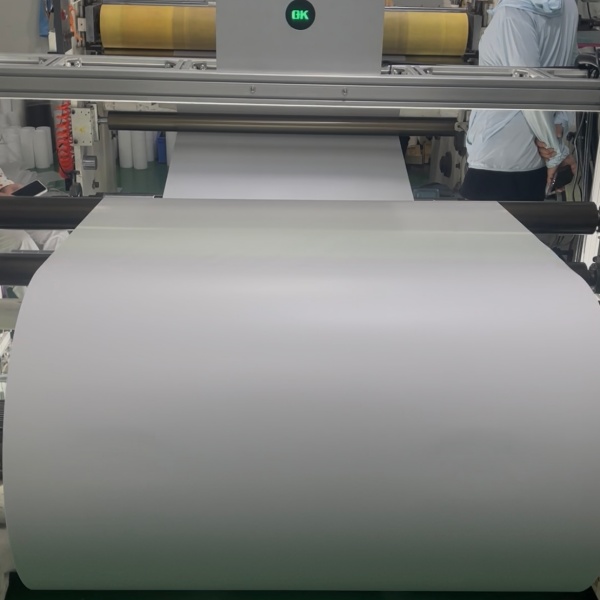
The camera system is one of the most important pieces inside a printing quality inspection system because it affects how well the system can record and evaluate defects. Different uses call for different camera technologies, depending on line speed and inspection exactness.
The following chart provides the important camera factors to consider for choosing the right quality inspection systems
| Key Factor | Description | Importance for Print Inspection Systems |
| Inspection Resolution Requirements | Determines the smallest defect size that the camera can detect, including tiny text errors, missing dots, scratches, and fine print variations. | Higher resolution improves defect detection accuracy, especially for detailed labels, packaging, and precision printing applications. |
| Camera Type Selection | Includes line scan cameras and area scan cameras. Line scan cameras are commonly used for continuous web inspection, while area scan cameras are suitable for sheet-based printing. | Choosing the correct camera type ensures efficient image capture according to the printing process and production method. |
| Printing Speed Compatibility | Refers to whether the camera can capture and process images fast enough to match the speed of the printing line. | High-speed cameras prevent missed defects and maintain inspection accuracy during fast production operations. |
| Image Sensor Performance | Includes sensor sensitivity, dynamic range, noise control, and ability to capture clear images under different conditions. | High-performance sensors improve image quality and allow accurate inspection of complex or challenging materials. |
| Field of View Requirements | Defines the width or area that the camera can inspect in a single capture. | A suitable field of view ensures complete coverage of printed materials without missing defects. |
| Lighting Compatibility | Evaluates how well the camera works with different lighting systems, such as LED, backlighting, and contour lighting. | Proper camera and lighting matching improves contrast and helps identify defects on transparent, reflective, or textured substrates. |
| Color Detection Capability | Determines whether the camera can accurately analyze color differences and printing consistency. | Important for applications requiring precise color control, such as packaging, labels, and brand printing. |
| Lens Selection and Optical Quality | Includes lens resolution, focal length, distortion control, and working distance. | High-quality optics improve image clarity and ensure accurate defect identification. |
| Environmental Adaptability | Considers the camera’s ability to operate under industrial conditions such as vibration, dust, temperature changes, and continuous operation. | Reliable performance reduces downtime and maintains stable inspection results in demanding production environments. |
The balance between resolution, speed, and processing capability is essential. A camera with insufficient resolution may fail to detect critical defects, while an unnecessarily high-resolution system may increase equipment costs and require more powerful data processing hardware. Selecting the appropriate imaging technology ensures accurate inspection while maintaining production efficiency.
3. Considering Lighting performance
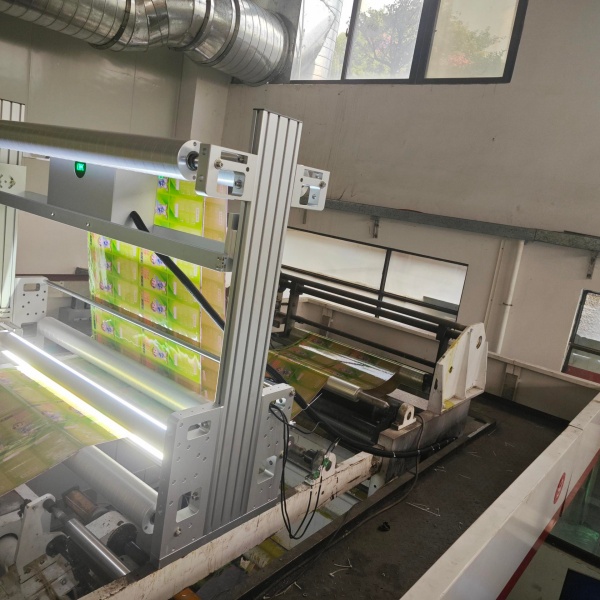
Although cameras are essential, lighting technology is also vital, and it really affects how much you can trust the inspection results. Proper illumination makes it easier for defects to show up clearly, and it helps the system decide, between products that pass and quality problems that do not.
Different printing materials require different lighting approaches. Reflective surfaces, transparent films, metallic materials, and textured substrates can require specialized lighting setups in order to boost image clarity. For instance, contour lighting can make transparent labels easier to see, while directional lighting may bring out scratches, wrinkles or uneven coatings on printed surfaces.
A good lighting system lowers false alarms, and at the same time it increases the accuracy of automated inspection. Because of that, you should evaluate lighting performance together with camera capability when selecting an inspection solution.
4. Assessing Defect Detection and Analysis Capabilities
The ability to pinpoint printing defects really is a key part of choosing the correct inspection system. Each manufacturer ends up facing different quality issues depending on what they make and how production goes on. Sometimes it depends on the materials, sometimes on the speed, and other times on the way steps are organized.
The following chart offers the common printing defects inspected by 100% defect defection system for quality control.
| Printing Defect | Description | Common Causes |
| Color Variation | Differences between the printed color and the approved standard, including uneven tones or incorrect color shades. | Ink mixing errors, incorrect ink supply, machine adjustments, substrate changes. |
| Missing Print | Areas where text, images, patterns, or graphics are partially or completely absent. | Ink supply problems, clogged printing plates, damaged printing elements, machine faults. |
| Registration Error | Misalignment between different colors, layers, or printing elements. | Incorrect machine setup, material movement, tension fluctuations, mechanical issues. |
| Blurred Printing | Printed images or text appear unclear, fuzzy, or less sharp than required. | Improper pressure settings, ink problems, substrate movement, worn printing components. |
| Ink Stains and Smudges | Unwanted ink marks, spots, or streaks appearing on the printed surface. | Excess ink, drying problems, contamination, improper handling. |
| Ink Spots and Contamination | Small unwanted particles or ink deposits appearing on printed materials. | Dust, foreign materials, dirty equipment, ink impurities. |
| Text Errors | Incorrect, missing, or damaged printed characters and information. | Incorrect artwork files, printing plate issues, production mistakes. |
| Barcode and QR Code Defects | Damaged, incomplete, or low-quality codes that cannot be scanned properly. | Poor printing quality, incorrect positioning, insufficient contrast. |
| Scratch and Surface Damage | Physical marks, scratches, or imperfections on the printed surface. | Material handling issues, equipment contact, improper storage. |
| Smearing and Ink Transfer | Ink spreads or transfers to other surfaces during production. | Insufficient drying time, excessive pressure, improper ink formulation. |
| Pattern or Image Deviation | Differences between the actual print and the intended design layout. | Incorrect setup, printing plate errors, file mismatches. |
| Coating Defects | Uneven, missing, or excessive coating layers on printed materials. | Coating equipment problems, uneven material flow, incorrect settings. |
| Wrinkles and Material Deformation | Distortions or folds affecting printed materials. | Poor web tension control, substrate problems, machine alignment issues. |
| Edge Defects | Problems occurring near the edges of printed materials, such as uneven printing or cutting errors. | Material alignment issues, incorrect cutting, web guiding problems. |
| Foreign Object Defects | Unwanted particles or materials appearing on the printed surface. | Dust, debris, environmental contamination. |
| Print Density Variation | Uneven ink density across the printed area. | Ink supply instability, pressure changes, substrate differences. |
Artificial intelligence and machine learning are pushing defect recognition forward even more. AI-driven inspection systems can absorb production data, see complicated patterns, and reduce false detections, which is a big help. This is especially useful for sectors that build intricate motifs or have product formats that change often.
5. Reviewing Software Functions and Data Management Features
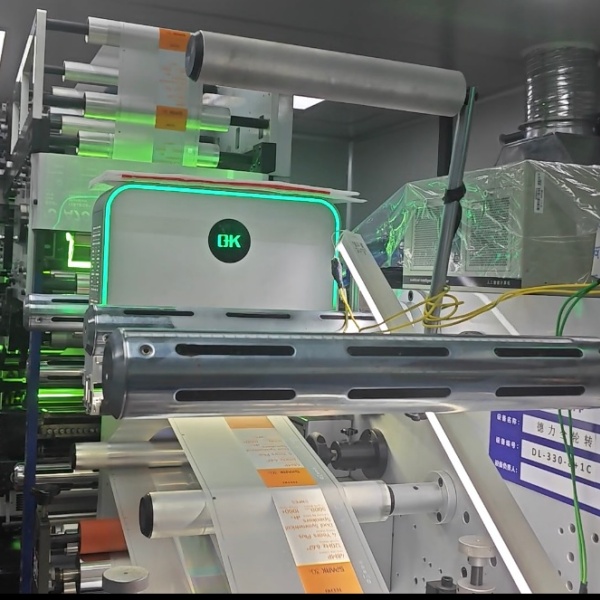
The software platform determines how effectively an inspection system processes images, The software platform basically decides how well the inspection system processes images, locates defects, and delivers meaningful information to the production line. A robust software setup can turn inspection results into practical insights that support manufacturing improvements.
Modern printing inspection software can give real-time defect alerts, automatic classification, and production reports, plus quality trend analysis. These things help operators react fast when a problem shows up and also help managers find repeating issues, over time.
At the same time, data management features matter more and more. when manufacturers store inspection results and production information, they gain better traceability can meet customer quality requirements, and can plan improved future production.
6. Ensuring Compatibility with Existing Printing Equipment
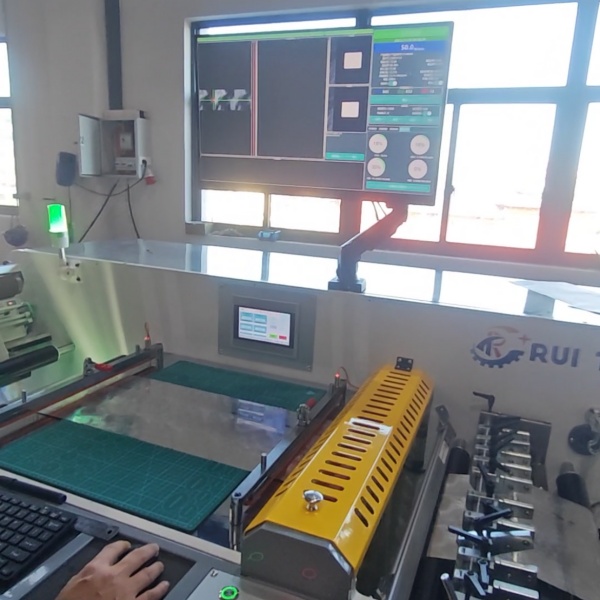
A quality inspection system should fit in smoothly with the current printing machinery and the daily production flow. If compatibility is off, it can cause installation headaches, lower efficiency and reduce the overall benefits of automation.
A suitable inspection system should work effectively with printing presses, web handling equipment, rewinders, and production management platforms. Integration with digital manufacturing systems can also improve efficiency, by enabling automated defect marking, production monitoring, and quality reporting sometimes even in a more direct way.
Selecting a system that fits naturally into the current production environment helps manufacturers maximize their investment and achieve smoother operations, with less interruption.
7. Considering System Reliability and Ease of Operation
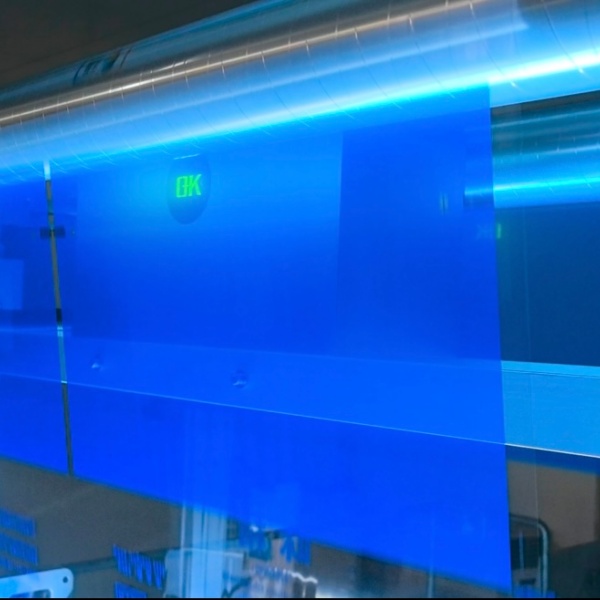
Printing operations often run continuously for long periods, so reliability really matters when choosing inspection equipment. A good inspection system must keep stable performance in demanding conditions, including high speeds, vibration, and changing environmental factors too.
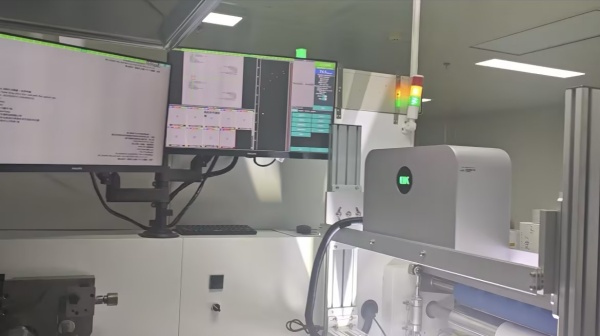
Ease of operation matters too. Operators should be able to grasp inspection results fast, and tweak system settings without those tedious complicated steps. A good approach is having user-friendly interfaces, automatic calibration, simple upkeep processes, and also remote support. These things help productivity, and they usually lower the downtime.
When the system is dependable and easy to operate, manufacturers can keep consistent quality control, without introducing extra operational pain or headaches.
8. Balancing Investment Costs with Long-Term Benefits
The purchase price of a quality inspection system is just a fraction of the whole investment. Manufacturers ought to look at installation costs, maintenance demands, training requirements, and the chance of future upgrades.
Even though more advanced 100% inspection systems can need a bigger initial investment, they typically give big payoffs in the long run. When you reduce faulty items, cut down on material waste, raise production throughput, and decrease the reliance on manual checks, the results can build up over time and become very worthwhile.
The best option is not always the cheapest one, but rather the setup that gives the highest value, based on dependable operation, real performance, and what the plant might need later in production.
9. Choosing a Reliable Inspection System Provider
When buying a printing inspection system, the supplier’s track record and their technical assistance ability matter a lot. A supplier that actually knows the space can guide manufacturers toward the most fitting configuration, and they can also support the work during setup, then later during operation, too.
An experienced print inspection solution provider should be able to grasp different printing applications and still offer solutions that are adapted to what production needs, not the one-size-fits-all thing. Strong technical support, on-site operator training, regular software updates, and dependable after-sales service can help the inspection system keep doing its job well throughout its service life.
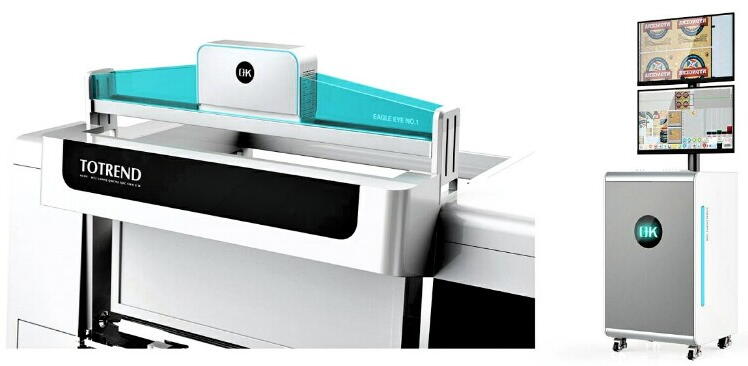
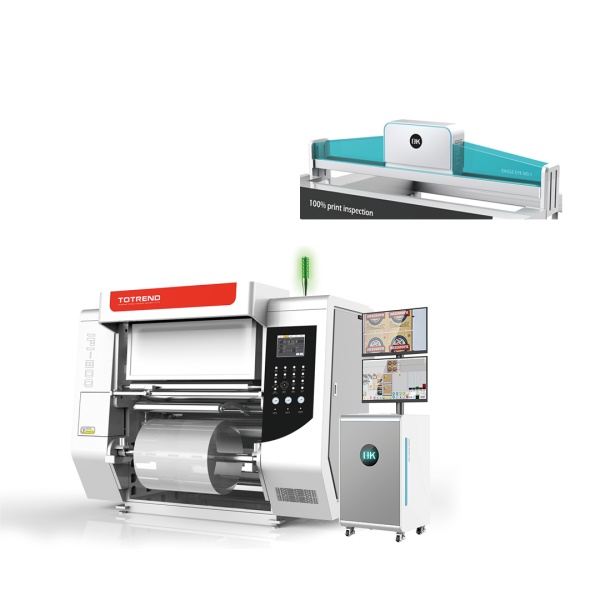
Arise is a trusted provider of advanced 100% full-surface printing inspection systems, offering intelligent arrangements that are aimed at improving print accuracy, raising production efficiency, and strengthening quality control. Using advanced imaging tech, high-performance inspection software, and tailored configurations, Arise enables printing manufacturers to spot issues like color drift, missing impressions, and surface irregularities in real time. Its dependable automated inspection equipment is broadly used in packaging, labels, flexible materials, and other related printing contexts.
Future Development of Printing Quality Inspection Technology
Quality inspection systems are getting more and more intelligent, as printing manufacturers start using digital manufacturing in a broader way. With Artificial Intelligence, Machine Learning, cloud access, and Industry 4.0 programs, inspection is changing in ways that feel almost continuous.
In the future, these systems should do deeper predictive analysis too, helping teams spot likely quality troubles before defects actually show up. Automated decision-making, plus real-time production tuning, will push efficiency higher and at the same time cut down on waste, more than before.
Because printing is moving faster and the workflows keep getting more layered, these intelligent inspection systems will end up as a core ingredient of current manufacturing, not an optional extra.
Final Thoughts
An ideal printing quality inspection system should not only detect defects accurately but also improve production efficiency, reduce material loss, and support continuous quality improvement. When companies choose an inspection solution that fits their printing method and what they want to do next, they can get more dependable production results and keep a solid competitive position in the printing industry.