
How Vision Inspection Systems Detect Color Variation
Color consistency is a very important quality factor in many manufacturing industries, like printing, packaging, textiles, electronics, etc. Even tiny differences in color can change appearances, brand identity and customer satisfaction. The traditional manual inspection methods often have a hard time spotting subtle color shifts, especially in high-speed production lines. To tackle this issue, plenty of manufacturers rely on vision inspection systems that automatically detect and analyze color variations with high accuracy and dependable performance.
A vision inspection system typically blends advanced cameras, well-designed lighting technologies, image processing software and artificial intelligence logic, so colors can be monitored in real time. In practice, these systems help manufacturers catch color defects early, lower scrap, and keep product quality stable across the whole manufacturing process.
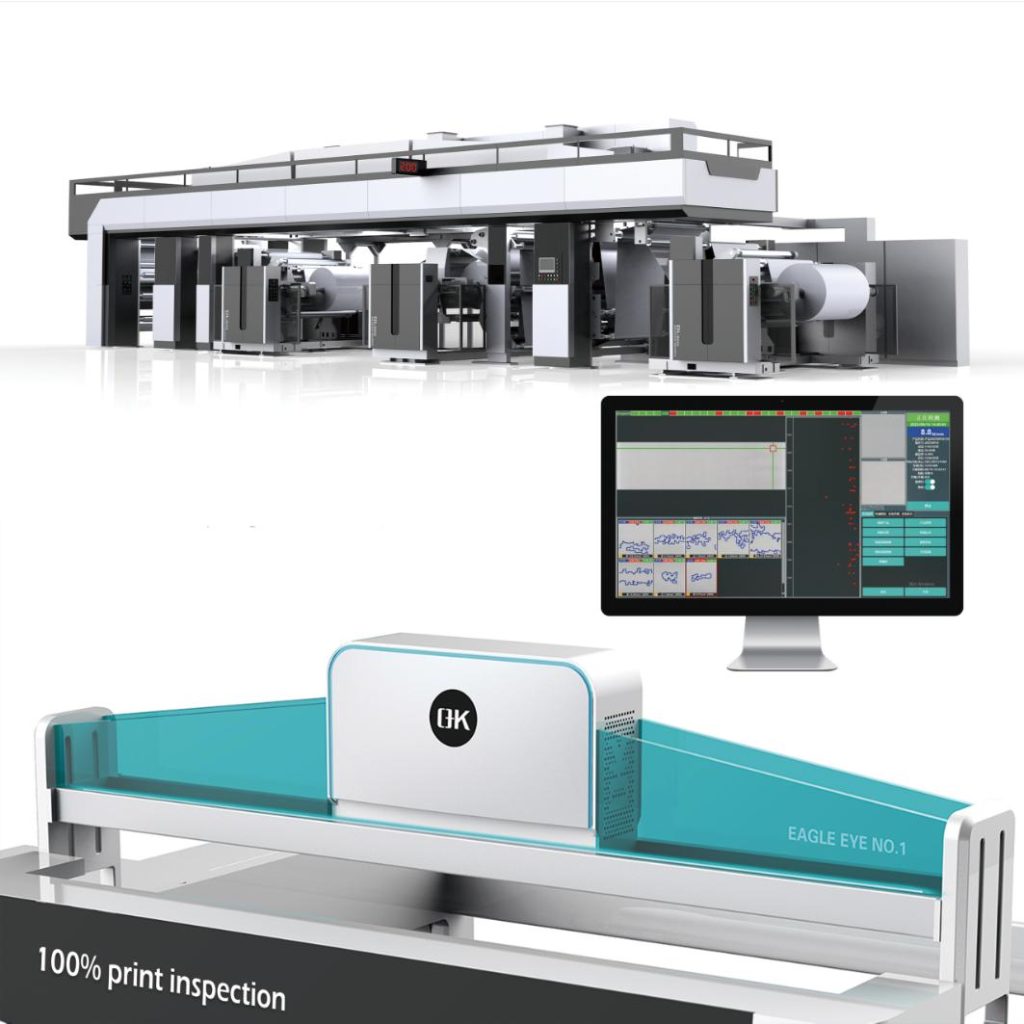
Table of Contents
Why Color Variation Detection is Critical in Manufacturing
Color variation can show up for a lot of reasons, like shifts in the raw materials, changes in the printing ink concentration, machine adjustments, surrounding environmental conditions, and production speed choices. In packaging and printing sectors, even tiny color mismatches between runs might lead to scrapped goods, or worse, harm brand consistency.
For example, a printing company making labels for a global brand has to keep the exact same color tone on every label. Even a slight variation in the logo shade or the product image can be noticeable when thousands of items are shown together. In a similar way automotive manufacturers need careful color alignment for interior and exterior parts, otherwise the final look can feel uneven.
Vision inspection systems help here because they keep checking color quality continuously during production, instead of depending only on human sampling after manufacturing.
The Working Process of Vision Inspection Systems for Detecting Color Variation
The working process of vision inspection systems for detecting color variation has several stages, and each stage works together to make sure the color inspection stays accurate and consistent.
1. Image Acquisition
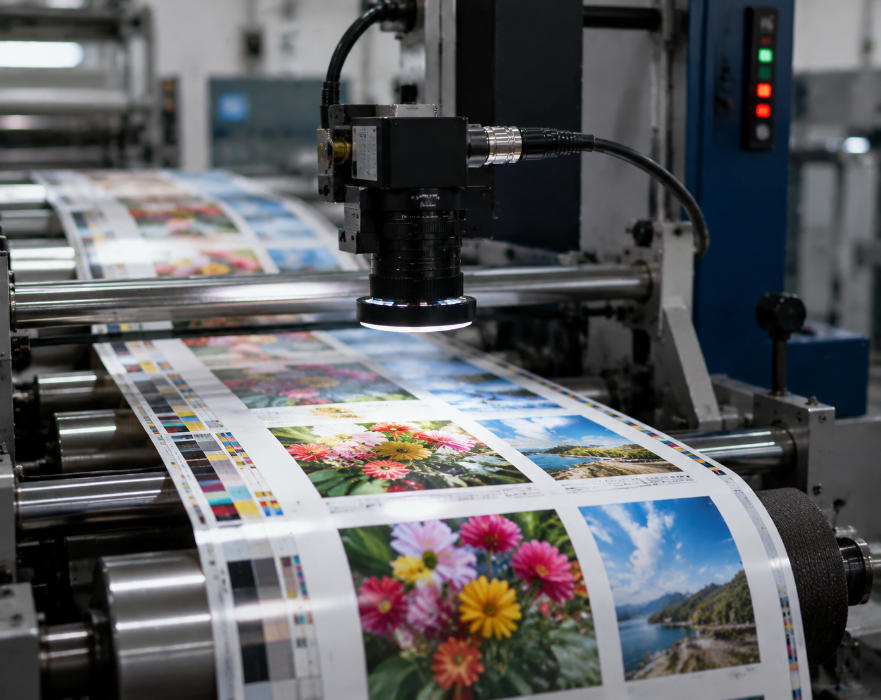
The first stage in the color inspection process is image acquisition. In these vision systems, industrial cameras are usually mounted above or around the production line, so they can capture images of the products as they travel through the inspection zone.
Depending on the need, different camera styles can be chosen. Line scan cameras are often used in continuous production contexts, such as printing, packaging films, paper, and textiles, because they can examine large surfaces uninterrupted. Area scan cameras tend to be used for separate items or parts, where more detailed surface evaluation is required.
During image capture, the system gathers digital data tied to the product surface, including color intensity, brightness, and how it is distributed. High-resolution cameras let the system perceive tiny color shifts, uneven pigmentation, and mismatches that can show up between separate production batches.
The trustworthiness of the captured picture directly guides the ultimate inspection outcome, so the choice of camera, its positioning, and the image resolution are key drivers of the overall system performance.
2. Controlled Lighting
After the image is taken, control of the lighting becomes a major part of reliable color detection. Because a color can look different when the illumination varies, printing quality inspection systems rely on purpose-built illumination setups to hold a constant scene for analysis. This steadiness helps the software judge colors more fairly across runs.
Industrial lighting solutions are meant to reduce the impact of external things like shadows reflections and those annoying swings in brightness. LED lighting is very common here, because it keeps shining in a steady way and it also lasts a long time. Depending on what the inspected item looks like, you pick a specific lighting approach.
For instance, diffused lighting works well when the surface is uneven, while specialized methods can boost inspection precision for shiny, see-through, or mirror-like materials. When the lighting stays steady and repeatable, the vision setup can read real color values instead of values that shift because of the nearby environment.
3. Image Processing
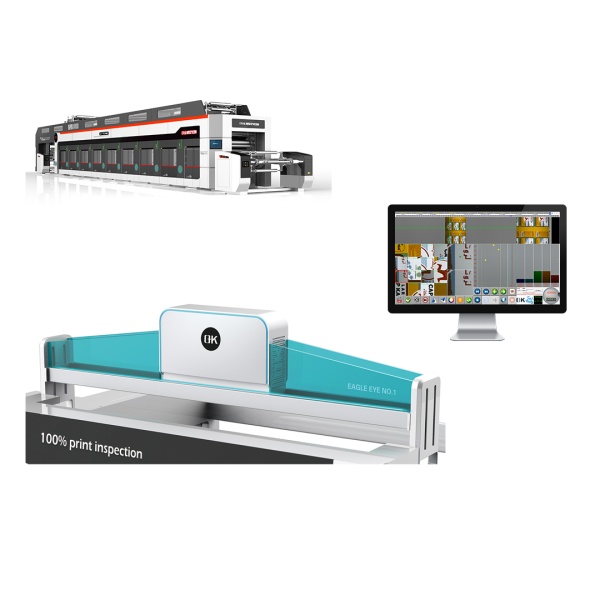
After images are taken under controlled lighting, the vision inspection system then processes the visual data using modern software algorithms. The idea behind image processing is to turn the captured images into color information that can be measured.
The system analyzes various characteristics from the image, including hue, saturation, brightness, and the overall color distribution. Rather than only checking if a product looks different, the software computes fairly precise numerical values that stand for the product’s real color in practice.
Many machine vision inspection systems use color models like RGB, HSV, and the Lab color space. RGB is often used in digital imaging, while HSV keeps the color data more separated from brightness, which helps in spotting color shifts. The Lab color space is commonly applied in industrial environments because it gives a better, more human-oriented view of color differences.
Using image processing steps, the system can detect small variations that might not be noticed through manual inspection.
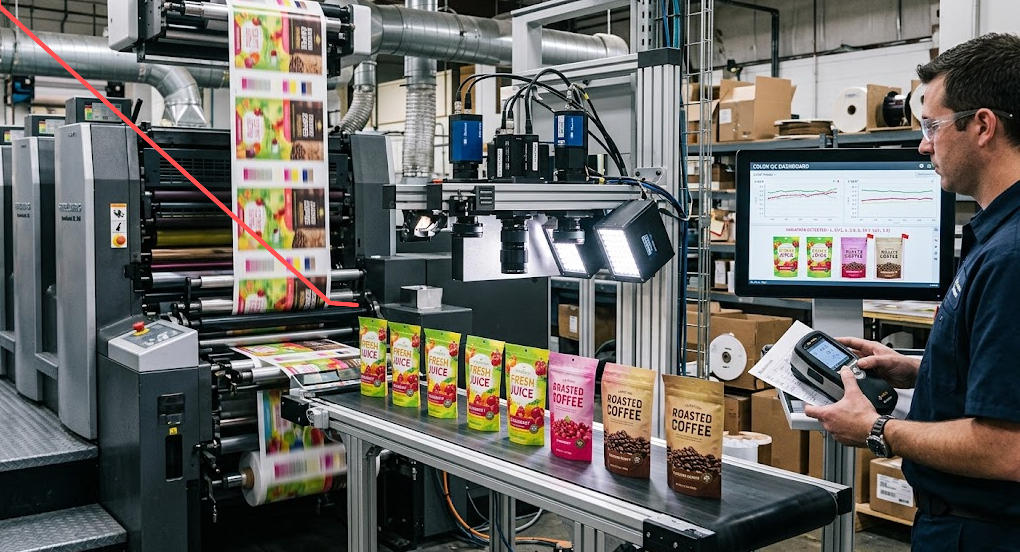
4. Color Comparison
After the vision inspection system pulls out the color information, it then checks the measured color values against predefined standards. Those standards can come from approved product samples, digital color references, or even customer-focused requirements.
In practice, the system works by calculating the gap between the real product color and the target color. When the gap stays inside the allowed tolerance band the part is treated as passing the quality requirements. When the change goes over the set limit, then the system flags it as a color defect, without much further discussion.
For instance, in printing production, the label vision inspection system may compare printed labels to a reference color profile in order to catch shifts caused by ink concentration, printing pressure, or routine machine adjustments. In textile manufacturing, the system can match fabric shades to help keep the dyeing results consistent across batches.
This automated comparison workflow lets manufacturers keep firm color governance during large-scale production runs, even when everything is moving fast.
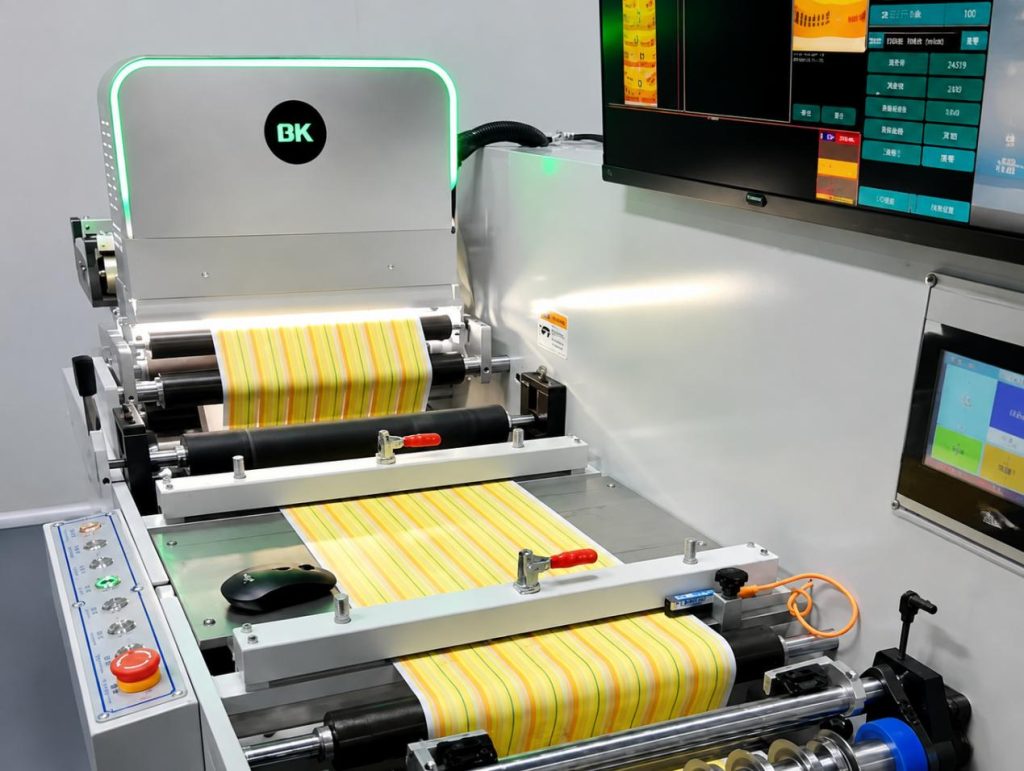
5. Defect Detection and Automatic Response
When a vision inspection system notices an unacceptable color variation, it generates a response right away. Depending on the production setup, the system may notify operators, log the defect information, or trigger an automatic rejection mechanism, right there.
In high-speed manufacturing environments, removing defective items automatically is especially valuable since it keeps bad products from moving farther along the production line. This helps reduce waste, and lets the operators react faster when something is off.
The 100% defect detection system can also keep pictures of the defects. That way it forms a quality archive for later review. Manufacturers then can use that record to spot repeated troubles and refine the production process over time.
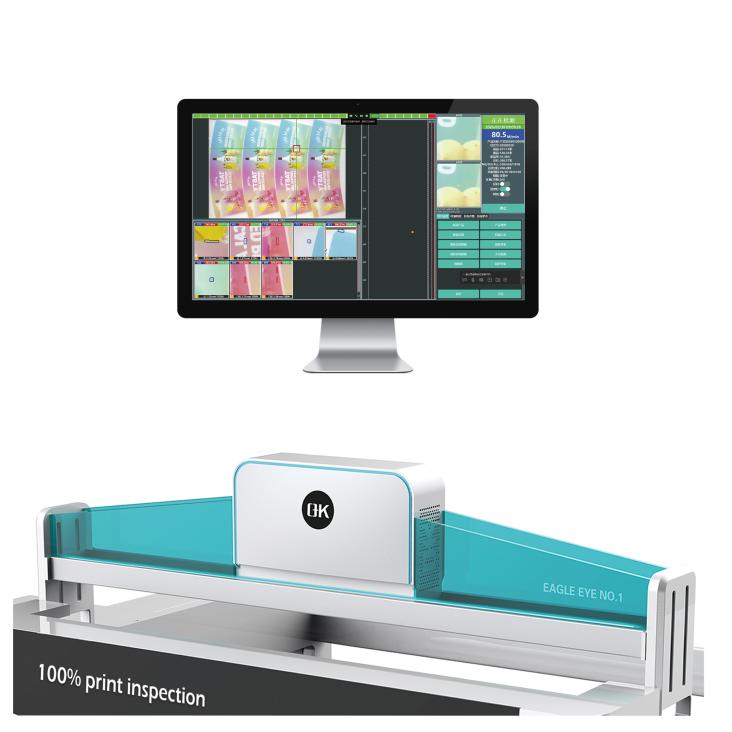
6. Data Analysis and Process Optimization
Modern 100% vision inspection systems do more than find color defects. They also gather and analyze production data so continuous improvement is possible, and not just claimed.
Inspection findings can be loosely connected with manufacturing management systems using Industrial Internet of Things (IIoT) technologies. When the data flows in, and by analyzing color variation trends, manufacturers often can flag equipment problems, material inconsistencies, or even small process changes that later cause trouble with product quality.
For instance, if a printing machine slowly starts producing darker colors through a run, the inspection system can spot that trend early before it becomes a bigger situation. Then operators can tweak machine parameters and keep a lot of defective items from piling up.
With this more data-led method, manufacturers tend to move beyond just spotting defects. They start doing predictive quality management, which means less waste and steadier output.
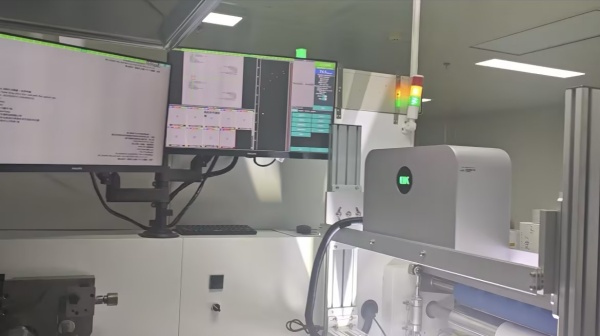
The Role of Artificial Intelligence in Color Variation Detection
Artificial intelligence and machine learning technologies are getting better, improving the whole workflow of modern vision inspection systems. The older setups mostly depend on unchanging inspection rules, while the AI-driven systems can learn from huge quantities of production data and keep refining their method.
With the right AI algorithms, it becomes easier to spot complicated color patterns, adjust for material differences, and tell apart normal acceptable variation from real defects. This ability matters a lot, especially during the inspection of products that have complex surfaces or natural variations in the material.
Also, deep learning helps vision inspection systems bring together color detection and other related checks, for example, identifying surface defects, measuring printing precision, and doing shape recognition. So, in practice, manufacturers can reach broader quality control using one single inspection platform and avoid extra separate equipment.
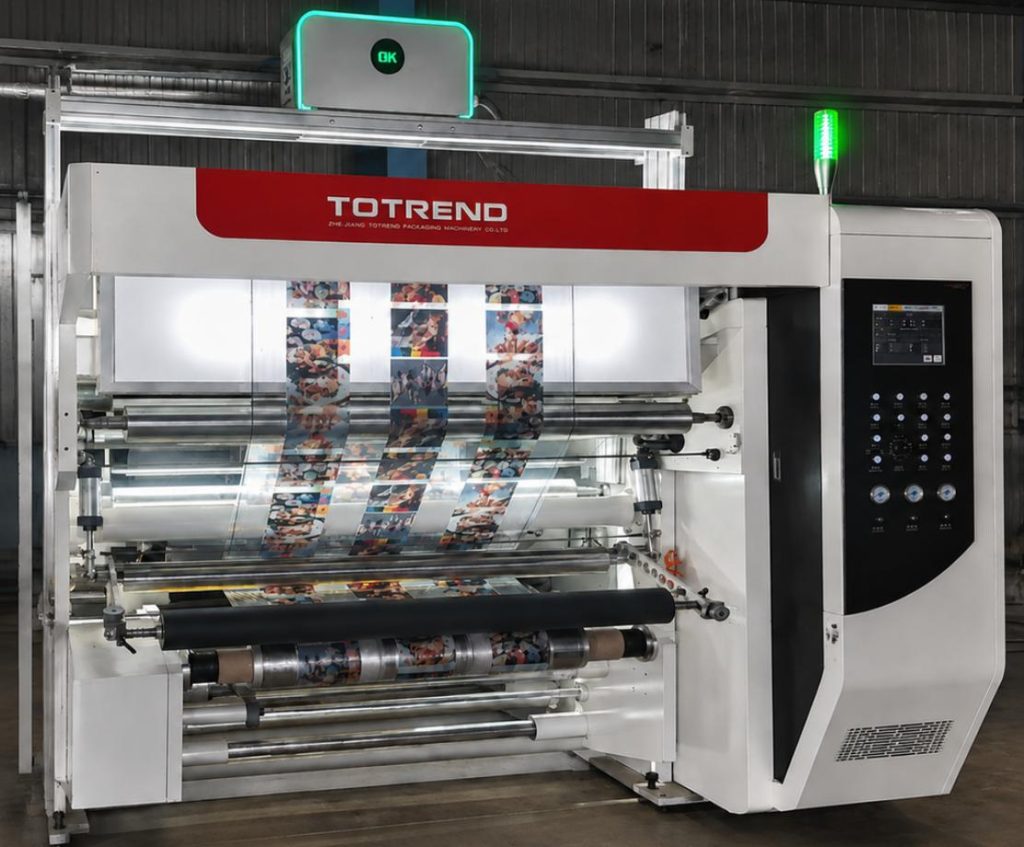
Applications of Vision Inspection Systems for Color Detection
| Industry | Functions | Common Color Defects Detected | Benefits |
| Printing and Packaging | Vision inspection systems for printing operations, monitor materials such as labels, cartons, films, and flexible packaging during high-speed production. They compare printed colors with approved standards to ensure consistent color reproduction. | Incorrect ink colors, color fading, uneven printing, shade differences between batches, color registration issues | Improves print quality, reduces material waste, maintains brand color consistency |
| Textile and Fabric Manufacturing | Vision systems inspect fabric surfaces continuously to analyze dyeing uniformity and detect color differences across large textile areas. | Uneven dyeing, fabric shade variation, discoloration, color streaks | Ensures consistent fabric appearance, reduces manual inspection workload, improves production efficiency |
| Electronics Manufacturing | Automated vision inspection system checks the color accuracy of electronic product housings, covers, displays, and decorative components. | Surface color inconsistency, coating color differences, paint defects, mismatched components | Enhances product appearance, reduces rejected products, improves assembly consistency |
| Plastic Products Manufacturing | Vision systems inspect molded plastic parts and coated surfaces to verify color consistency throughout production. | Color differences caused by material changes, pigment variation, injection molding issues | Detects production problems early, improves product uniformity |
| Pharmaceutical Packaging | Vision inspection systems verify the colors of medicine labels, packaging materials, and printed information. | Incorrect label colors, printing inconsistencies, packaging defects | Improves packaging accuracy, supports product identification and quality control |
| Food and Beverage Packaging | Vision systems inspect bottles, cans, cartons, and printed packaging to ensure correct colors and designs. | Label color variation, incorrect package printing, faded graphics | Protects brand appearance, reduces packaging errors |
| Cosmetics Manufacturing | Vision inspection technology checks cosmetic containers, caps, and printed designs for precise color matching. | Incorrect container colors, coating variation, printing color defects | Ensures premium product appearance and consistent branding |
| Metal Finishing and Coating Industry | Vision systems inspect painted, anodized, or coated metal parts for accurate surface color control. | Uneven coating, oxidation marks, color inconsistency, surface defects | Improves finishing quality and reduces defective output |
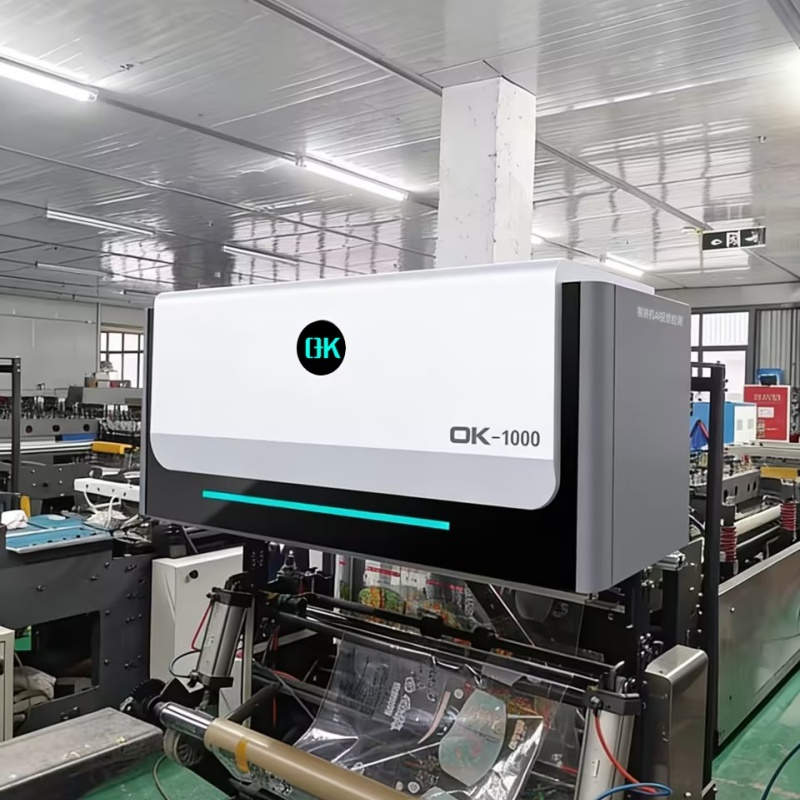
Challenges in Vision Inspection Systems for Color Variation Detection
Accurate color variation detection requires careful system design, manufacturers must select suitable cameras, lighting systems, and software algorithms based on their specific applications.
| Challenge | Description | Impact | Possible Solutions |
| Lighting Condition Changes | Variations in ambient lighting, brightness, or reflections can affect how colors appear to cameras. | May cause inaccurate color measurements and false defect detection. | Use controlled industrial lighting, LED illumination, and standardized inspection environments. |
| Material Surface Differences | Glossy, transparent, textured, or uneven surfaces can change the way light reflects and influence image capture. | Makes it difficult to obtain consistent color data and accurately identify small variations. | Apply suitable lighting methods, camera angles, and advanced image processing algorithms. |
| Color Similarity Detection | Some products may have extremely small color differences that are difficult to distinguish. | The system may miss subtle variations or produce incorrect inspection results. | Use high-resolution cameras, Lab color analysis, and AI-based recognition technologies. |
| Camera Calibration Issues | Incorrect camera settings, lens selection, or calibration errors can affect image accuracy. | Leads to unreliable color measurements and inconsistent inspection results. | Perform regular camera calibration and optimize camera configurations for specific applications. |
| Complex Product Shapes | Curved, irregular, or detailed surfaces can make color capture more challenging. | Different viewing angles may produce different color readings. | Use multi-camera systems, 3D vision technology, and advanced image correction methods. |
| Production Speed Requirements | High-speed manufacturing lines require fast image capture and real-time processing. | Slow inspection systems may delay production or fail to detect defects. | Use high-speed cameras, powerful processors, and optimized inspection software. |
| Material and Batch Variation | Differences in raw materials, coatings, inks, or pigments can naturally affect product colors. | The system may identify acceptable variations as defects or fail to detect real issues. | Set appropriate color tolerance ranges and use AI models trained with production data. |
| Environmental Factors | Temperature, dust, vibration, and other factory conditions may influence system performance. | Can reduce inspection accuracy and shorten equipment reliability. | Install protective equipment, maintain stable environments, and conduct regular system maintenance. |
| False Detection and Missed Defects | Incorrect system judgments can occur due to complex inspection conditions. | Increases production costs or allows defective products to pass inspection. | Combine machine learning, deep learning, and continuous system optimization. |
Summary
Vision inspection systems are now an essential kind of technology for detecting color variation within modern production lines. They work by mixing high-resolution imaging, carefully controlled lighting, more advanced algorithms, and artificial intelligence, which together deliver accurate and efficient color quality control. In many industries, automated color inspection supports companies in cutting down waste, improving product consistency, and keeping high-quality standards in place.