
How Vision Inspection Systems Improve Label Printing Quality
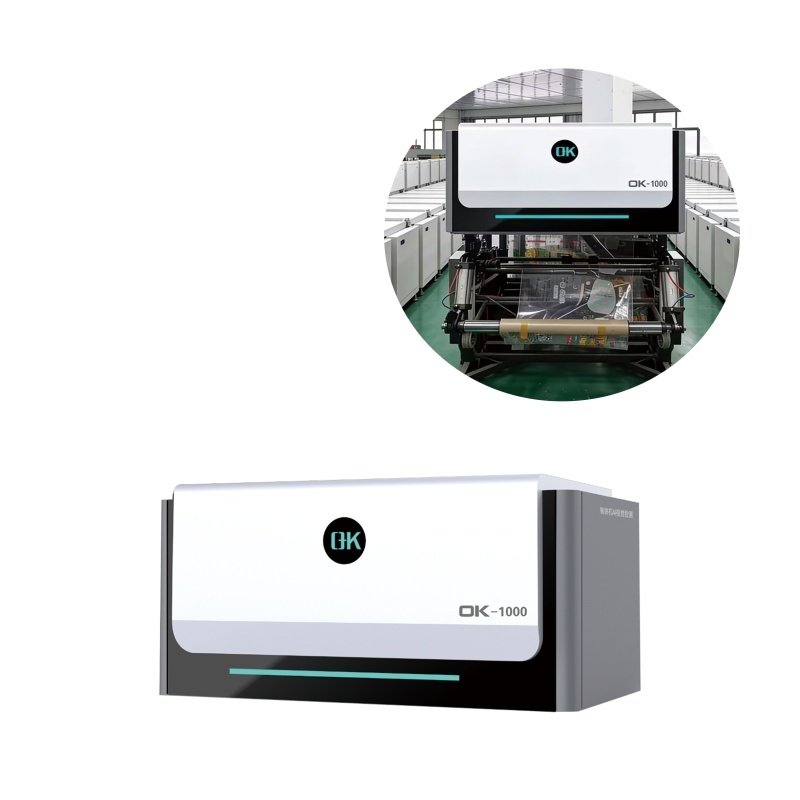
As market demand grows for high-quality, visually appealing labels, the traditional manual inspection method is, in practice, no longer enough to keep consistent quality once production speeds go up. Vision inspection systems have kind of become a must-have in modern label printing. With high resolution cameras, carefully designed lighting, image processing software, and artificial intelligence-based algorithms, these setups can spot printing defects in real time, so label quality stays accurate, consistent and reliable.
What are Vision Inspection Systems for Label Printing
A vision inspection system is basically an automated quality control method that relies on cameras and computer vision to monitor printed labels while they are running through the production line, either printing or converting. As the labels move along, the system captures images and then measures them against a predefined reference image, or a quality standard that is already set.
Compared to manual inspection, which depends on human operators and occasional sampling, a vision inspection system can examine every single label at high speeds. It can reveal tiny issues that some people, honestly, might miss with just the naked eye, and that helps manufacturers reduce waste and also keep production efficiency steady.
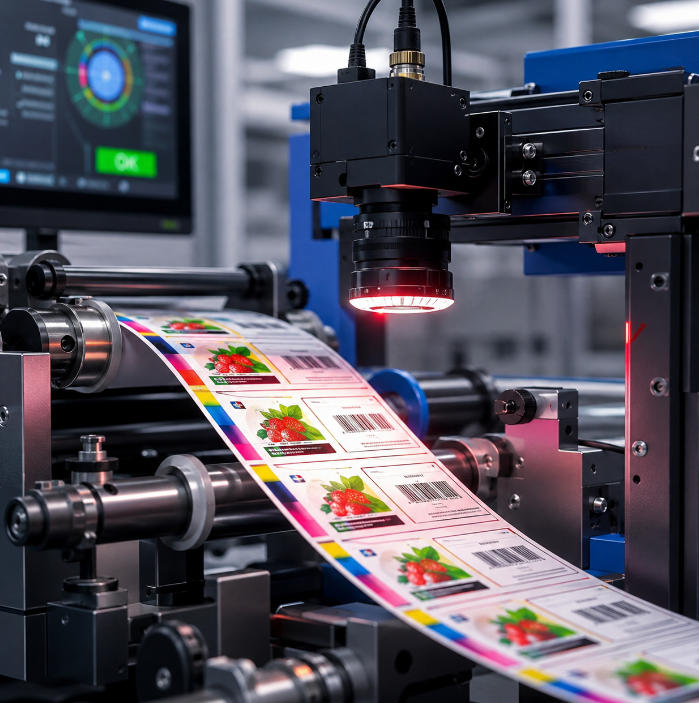
Key Components of a Label Printing Vision Inspection System
| Component | Main Function | Importance in Label Inspection |
| High-Resolution Cameras | Capture detailed images of printed labels at high speeds | Enable accurate detection of small defects such as missing text, printing errors, and surface flaws |
| Lighting System | Provides stable and controlled illumination for image capture | Enhances image clarity and improves detection of color differences, scratches, and print defects |
| Image Acquisition Module | Collects and transfers images from cameras to the processing system | Ensures fast and reliable image transmission during continuous production |
| Vision Processing Software | Analyzes captured images and compares them with reference standards | Identifies defects, verifies print quality, and supports automatic inspection decisions |
| Artificial Intelligence (AI) Algorithms | Learns defect patterns and improves recognition accuracy | Helps detect complex defects and reduces false alarms in changing production conditions |
| OCR/OCV Technology | Reads and verifies printed characters, numbers, and codes | Ensures accuracy of batch numbers, expiration dates, product information, and variable data |
| Barcode & QR Code Verification Module | Scans and checks barcode readability and accuracy | Prevents scanning failures and ensures product traceability |
| Color Inspection Module | Measures and compares printed colors with approved standards | Maintains consistent brand colors and detects ink variations |
| Motion Control & Synchronization System | Coordinates inspection timing with the printing line speed | Allows accurate inspection during high-speed label production |
| Defect Detection & Classification System | Identifies, categorizes, and records different types of defects | Helps operators quickly analyze problems and improve production processes |
| Automatic Reject System | Removes defective labels from the production line | Prevents poor-quality labels from reaching customers |
| Data Management & Reporting System | Stores inspection results and generates quality reports | Supports traceability, quality analysis, and continuous improvement |
| Industrial Computer & Control Unit | Processes inspection data and manages system operations | Provides stable performance for continuous industrial applications |
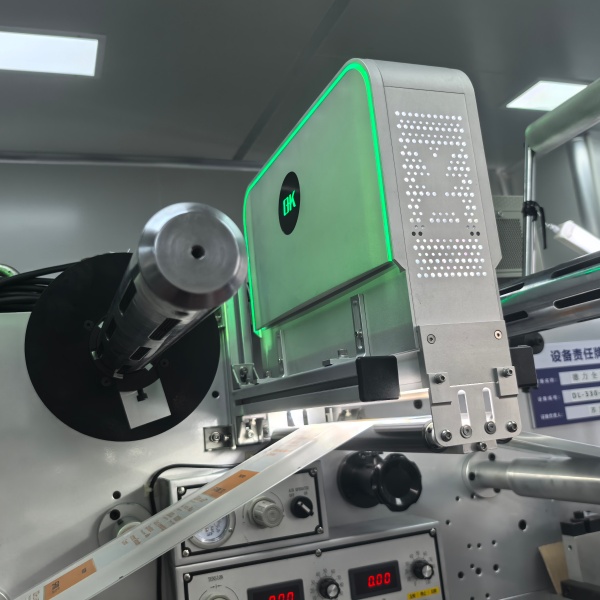
Key Advantages of Using Vision Inspection Systems for Improving Label Printing Quality
By integrating vision inspection technology into label printing lines, manufacturers can make product quality better, cut down on production losses, speed everything up, and end up with quality control that is much more dependable.
1. Improved Defect Detection Accuracy
A major benefit of vision inspection systems is that they can catch printing defects with high precision. Human checking usually relies on observation and personal know-how, while automated vision systems examine each label with steady inspection rules.
The 100% defect detection systems can flag issues like absent text, wrong visuals, blurred prints, ink smudges, poor alignment, surface scratches, and incomplete patterns. Even tiny defects, the ones operators often miss, can still be found using advanced imaging techniques.
That level of accuracy supports manufacturers in keeping defective labels from reaching customers and helps ensure that every product keeps a consistent look plus a stable quality standard.
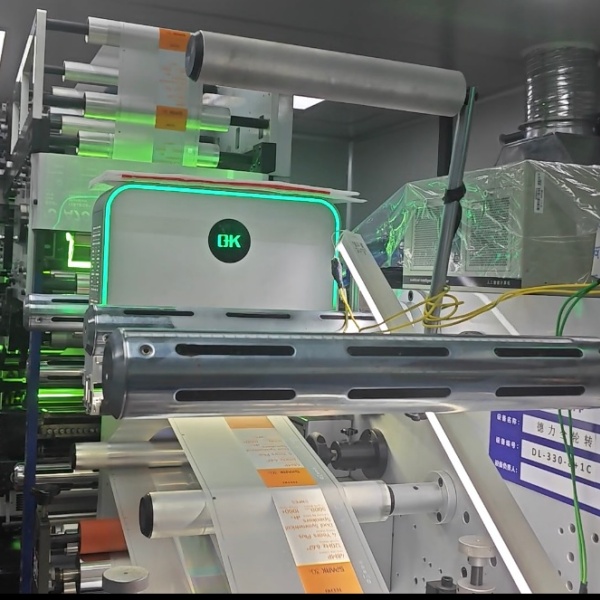
2. Real-Time Quality Monitoring During Production
Automated printing inspection systems help with ongoing quality observation throughout the working run. Rather than looking only at random samples once the job is already going, producers can check every single label as it passes along the production line, little by little.
With real-time inspection, faults can be spotted the moment they show up. For instance, if a printing plate shifts, the ink density drifts, or the barcode turns less readable, the system is able to flag the problem quickly and notify the operators right away.
That immediate feedback prevents the production of big batches of faulty labels. It also lets manufacturers make prompt tweaks, which strengthens overall process stability, in practice.
3. Enhanced Color Consistency and Print Appearance
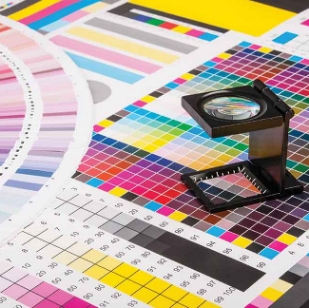
Color accuracy matters a lot for label printing success because packaging design directly ties into brand recall and customer impression. Even slight color differences can make products look uneven and can weaken the brand image.
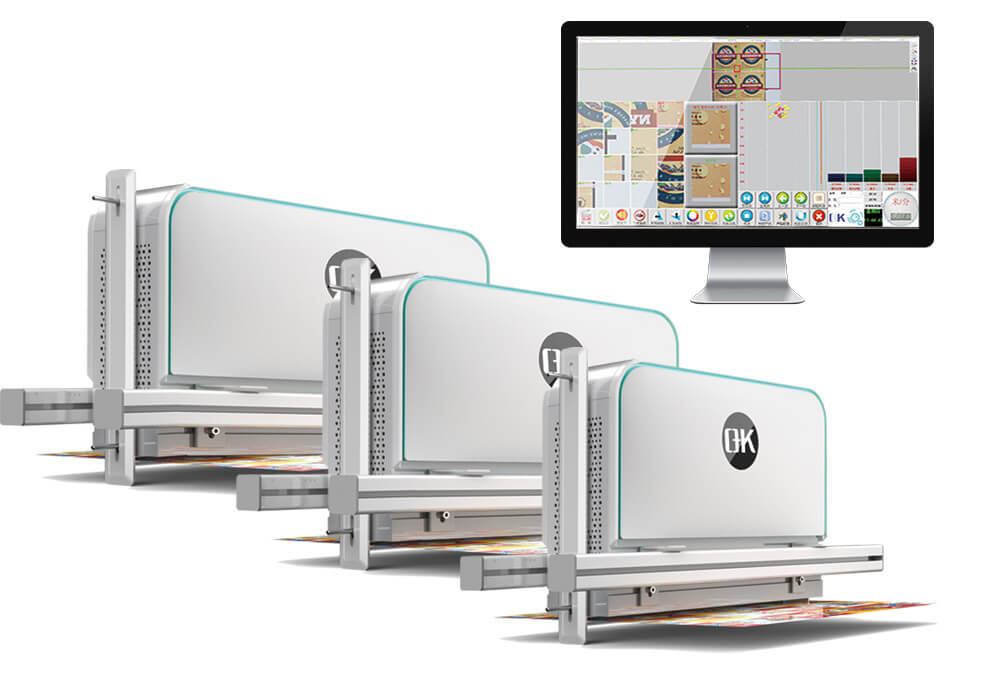
Vision inspection systems that have advanced color analysis can look at printed labels and compare them against approved reference samples. They track color differences, ink coverage, and printing alignment, so the labels keep the same, expected look and feel.
When color consistency improves, manufacturers can maintain a more uniform packaging appearance across different production lots and printing runs.
4. Increased Production Efficiency and Speed
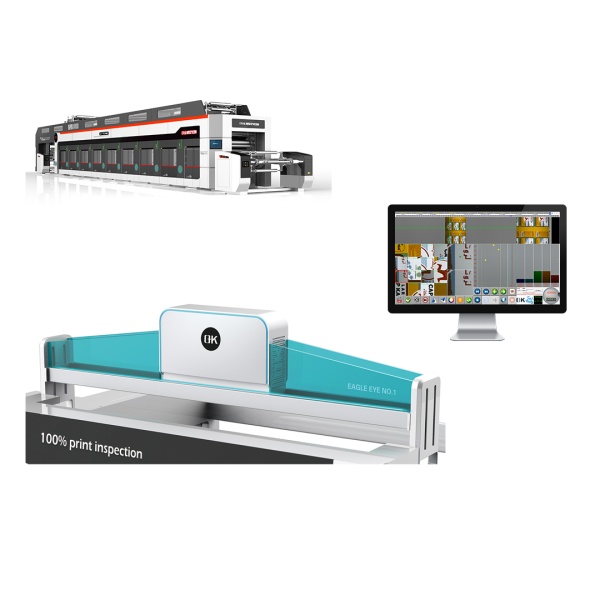
Modern printing equipment runs at very high speeds, so manual checking becomes impractical for large-volume work. Vision inspection systems are designed to sit beside high-speed printing machines without causing slowdowns.
With automation doing the inspection, there is no need for operators to manually look through large batches of labels. The production line keeps moving, while the quality inspection system during printing operations, carries out detailed quality review in real-time.
This better efficiency lets manufacturers boost output while still meeting strict quality requirements, so vision inspection tech becomes pretty useful for high-volume label production.
5. Reduced Material Waste and Production Costs
Printing mistakes can cause real material waste, especially when the issues are found only after thousands of labels were already made. Vision inspection systems limit this loss by spotting problems early, before they multiply.
When the defects are recognized right away, the manufacturer can stop the run, fix the root cause, and avoid unnecessary spending of paper, film, ink, and other printing supplies.
With less waste and stronger process control, vision inspection systems support reduced operating costs and more effective use of resources.
6. Improved Barcode and Variable Data Verification
A lot of labels include relevant variable bits of data, like barcodes QR codes, serial numbers, production dates, and tracking details. If errors happen in these spots, it can lead to serious headaches in supply chains and product management.
Vision Inspection systems rely on a few technologies such as optical character recognition (OCR) and optical character verification (OCV), so they can see whether what was printed matches the data that should be there.
They are able to check whether barcodes are legible, spot characters that are missing, confirm the correct item data, and make sure every label provides dependable and traceable information.
7. Better Quality Control and Traceability
Modern 100% full surface vision inspection systems do more than just find defects, they also keep records of the inspection outcomes for later review. They can archive images of bad labels, save production related information, and keep quality metrics for analysis.
This data really gives meaningful insights into printing performance and helps manufacturers spot recurring issues, even if they seem minor at first. Quality teams can dig into defect trends, tune up production workflows, and build more solid quality management systems.
The ability to track inspection results also supports compliance requirements in industries where accurate labeling is essential, such as pharmaceuticals and food production.
8. Reduced Dependence on Manual Inspection
Manual label checking depends on skilled people and it is influenced by things like fatigue, focus levels, and the working environment. Over time, human inspection accuracy can slide, especially during long production shifts
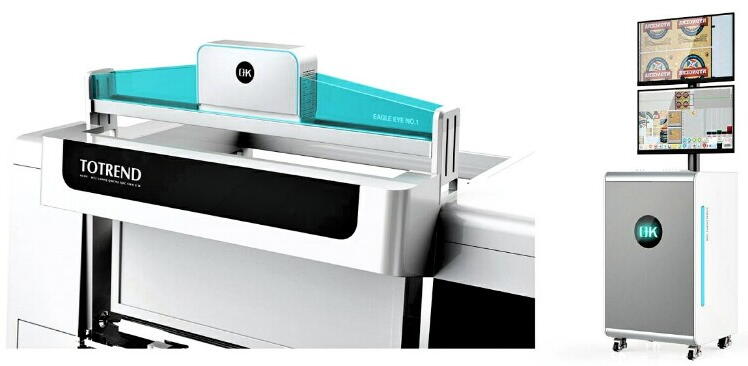
Automated 100% inspection systems keep showing steady performance no matter how long the line runs. They use the same inspection criteria for every label, which cuts down on inconsistencies caused by human factors
Operators can put more attention on process management and ongoing improvement, instead of being stuck doing repetitive inspection tasks, which ends up improving workplace efficiency as well as reliability.
9. Advanced AI-Based Inspection Capabilities
Bringing artificial intelligence together with machine learning has improved how well vision inspection systems perform. These AI systems can learn from earlier inspection results and recognize intricate defect patterns
Compared with older rule-based inspection approaches, AI-driven technology can adapt across different label designs, materials, and printing conditions. It may also tell the difference between acceptable changes and real defects, lowering the chance of false detections
With these intelligent features, the printing quality inspection systems become more adaptable and effective for manufacturers that produce many kinds of label products
10. Support for Smart Manufacturing Integration
Vision inspection systems play a huge role in Industry 4.0, and in smart factory development too, they are not just a nice add-on. In practice they can connect with manufacturing execution systems MES, enterprise software, and even production networks, so they can push quality information back in real time.
With digital data collection and message exchange, manufacturers manage to keep a tighter watch on production, make decisions with less manual effort, and tune the process more efficiently.
Because of this, companies are able to move toward more intelligent, tightly linked, and high-performance manufacturing environments, which is a practical advantage.
Also, the label vision inspection systems enables rapid and reliable defect detection that runs largely unattended. Using advanced imaging tools, AI algorithms, and continuous observation, these systems help manufacturers raise the uniformity of printing, cut down on scrap, and confirm that every label matches demanding quality criteria.
Applications across Different Industries of Label Vision Inspection Systems
Vision inspection systems are widely adopted in industries where label accuracy and appearance are critical.
| Industry | Label Inspection Requirements | How Vision Inspection Systems Improve Quality |
| Food and Beverage Industry | Verification of product names, ingredients, nutrition information, expiration dates, batch numbers, and branding labels | Detects missing or incorrect information, checks barcode readability, verifies print clarity, and ensures consistent packaging appearance |
| Pharmaceutical Industry | Accurate printing of drug names, dosage information, batch codes, serial numbers, and regulatory labels | Provides high-precision inspection of critical information, prevents labeling errors, and supports product traceability and compliance |
| Cosmetics and Personal Care Industry | Maintaining attractive packaging designs, accurate product descriptions, and consistent brand colors | Monitors color accuracy, detects printing defects, verifies logos and text placement, and improves visual appearance |
| Electronics Industry | Inspection of labels containing serial numbers, model information, safety marks, and technical specifications | Ensures readable text, accurate identification codes, and reliable tracking throughout production and supply chains |
| Automotive Industry | Quality control of labels for vehicle components, parts identification, safety information, and tracking codes | Verifies part numbers, barcodes, and printed markings to prevent assembly and inventory errors |
| Chemical Industry | Accurate hazard labels, warning symbols, handling instructions, and product identification information | Detects missing safety information, verifies symbols and text, and improves compliance with labeling standards |
| Packaging Industry | Inspection of printed labels, flexible packaging, shrink sleeves, and decorative designs | Detects color variations, print defects, registration errors, and surface imperfections during high-speed production |
| Logistics and Warehousing Industry | Reliable barcode, QR code, and tracking label quality for shipment management | Ensures codes are readable and accurate, reducing scanning failures and improving supply chain efficiency |
| Retail and Consumer Goods Industry | High-quality product labels with clear branding, pricing information, and promotional graphics | Maintains consistent appearance, verifies printed content, and reduces customer complaints caused by label errors |
| Beverage Bottle and Container Labeling | Inspection of wrap-around labels, sleeve labels, and printed container graphics | Detects label positioning errors, missing prints, wrinkles, and color inconsistencies on fast-moving production lines |
| Medical Device Industry | Accurate labels for device identification, instructions, serial numbers, and compliance information | Provides reliable verification of critical data and supports strict quality control requirements |
| Textile and Apparel Industry | Inspection of care labels, brand tags, size information, and product codes | Ensures readable text, correct placement, and consistent printing quality for garments and accessories |
| Agricultural Products Industry | Verification of labels containing origin information, certifications, dates, and product details | Improves traceability, prevents incorrect labeling, and supports quality assurance throughout distribution |
Summary
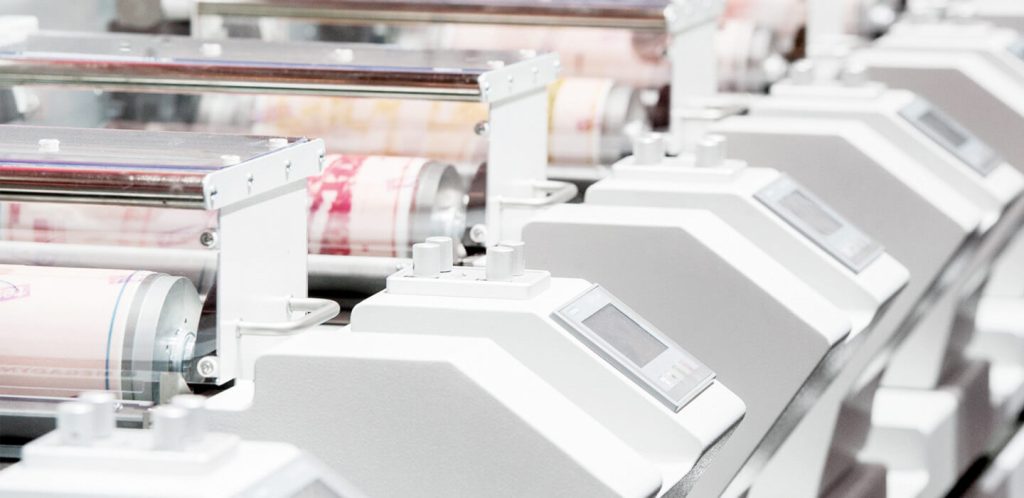
Vision inspection systems have changed label printing quality control in a pretty noticeable way, providing manufacturers with fast, accurate, and automated defect detection. With advanced imaging technology, AI algorithms, and real-time monitoring, they support better printing consistency, less waste, and proper assurance that every label actually fits strict quality requirements.