
How Vision Inspection Systems Enhance Quality Control in Web Printing
Web printing is common in packaging, labels, flexible films, textiles, and publishing. In these jobs, large rolls of material have to be printed fast. The output also must stay steady in quality. As lines run faster, people doing inspection by hand fall behind. It is hard to see every defect when speed is high. Vision inspection systems have become a key tool. They improve quality control, reduce waste, and ensure reliable printing performance.
Vision inspection systems use high-resolution cameras and advanced lighting made for the job. They also use image software and artificial intelligence(AI) tools to read what is on the web. Instead of looking only at a few samples, the system provides real-time defect detection, which gives manufacturers a way to maintain strict quality standards throughout the entire printing process.
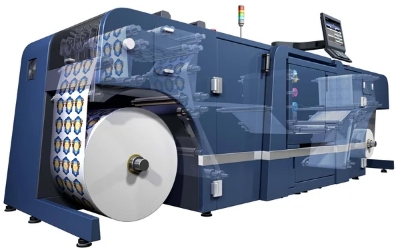
Table of Contents
Why Vision Inspection Systems are Critical in Web Printing Quality Control
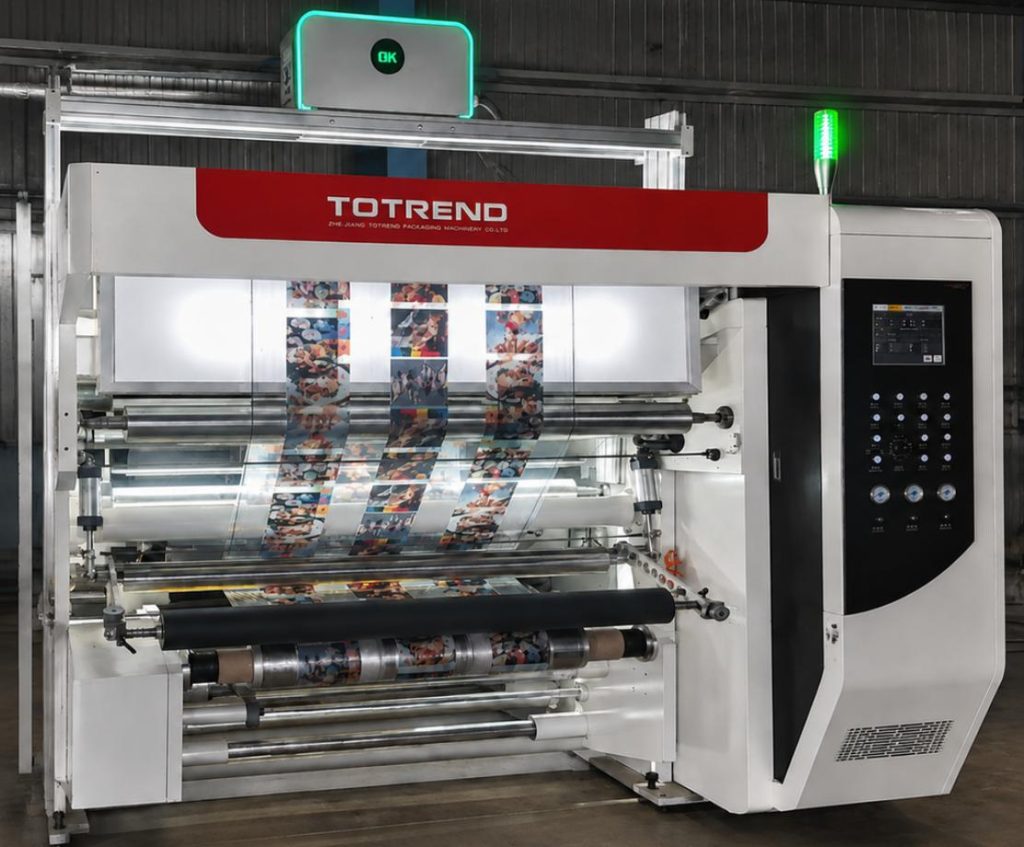
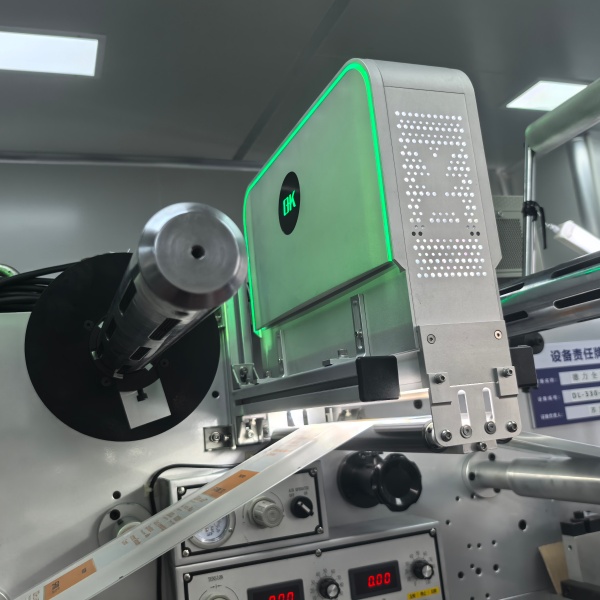
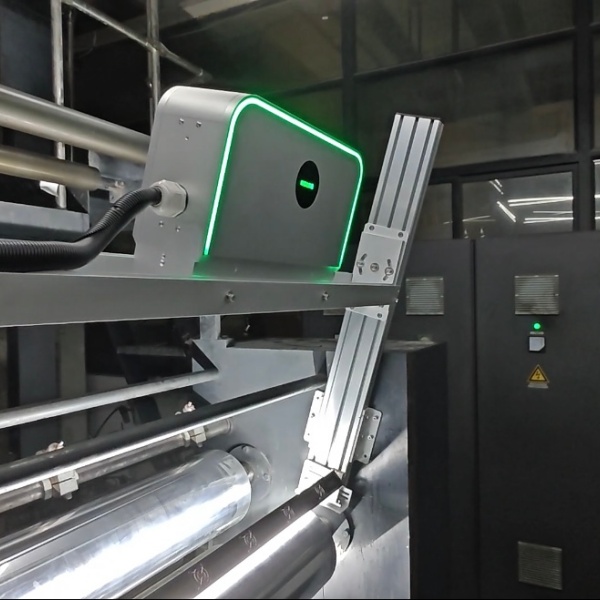
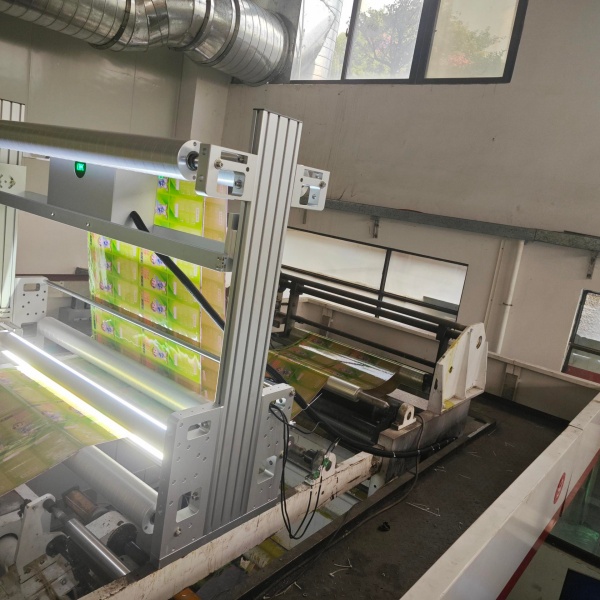
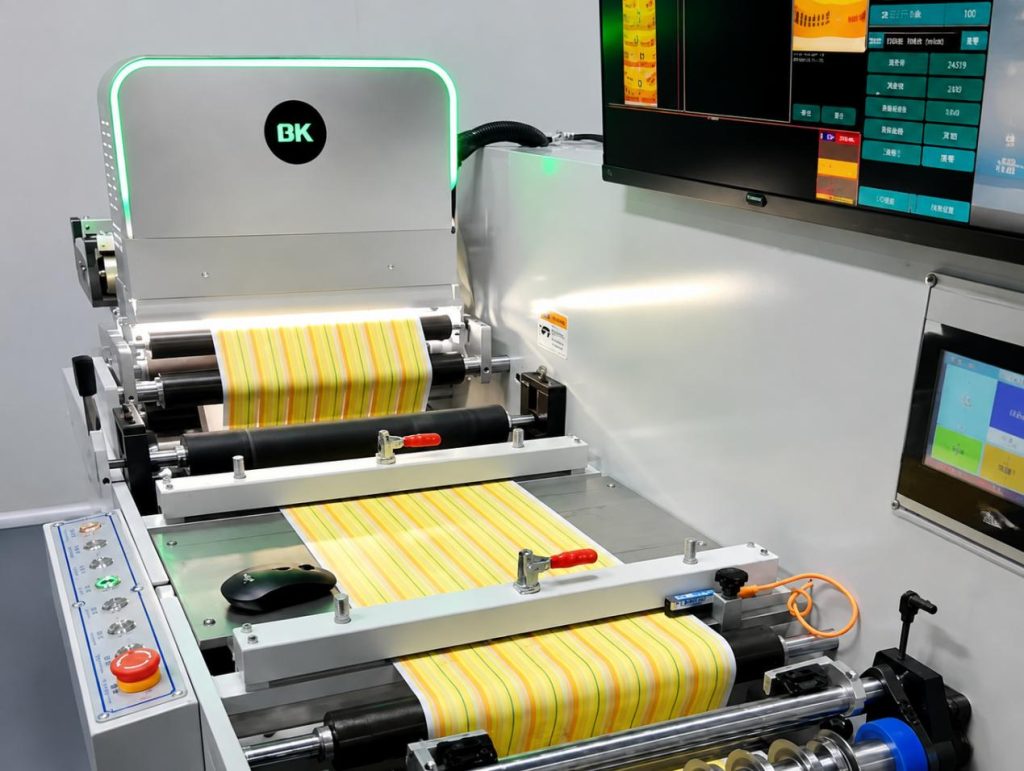
A vision inspection system works as an automated quality monitoring solution installed directly on a printing line. Manual inspection usually depends on people watching rolls or checking bits and pieces. A vision inspection system scans the full surface while the web keeps moving.
The web might be paper, film, labels, or other base stock. It travels through the print units at high speed. The system grabs images with industrial cameras. Then it compares what it sees to set limits or to saved reference images. If something looks wrong, it can alert staff right away. It can also log the spot where the defect showed up for later review.
This continuous inspection capability helps catch problems early. That way, fewer bad items make it to the end.
Key Advantages of Vision Inspection Systems for Enhancing Quality Control in Web Printing
1. Detecting Printing Defects with High Accuracy
One of the greatest advantages of vision inspection systems is their ability to identify a wide range of printing defects that may be difficult for human operators to detect consistently.
The following chart provides common web printing defects detected by vision inspection systems.
| Defect Type | Description | Common Causes | Impact on Printing Quality |
| Color Variation | Differences in color tone, ink density, or shade consistency across the printed web | Incorrect ink mixing, unstable ink supply, poor calibration, temperature changes | Causes inconsistent appearance and affects brand image |
| Missing Print | Areas where text, images, or graphics are partially or completely absent | Printing plate damage, ink supply problems, nozzle blockage | Leads to incomplete products and customer rejection |
| Registration Error | Misalignment between different printing layers or colors | Web tension fluctuations, incorrect machine settings, material movement | Reduces image accuracy and printing precision |
| Ink Smearing | Blurred or spread ink on the printed surface | Insufficient drying, excessive ink volume, improper pressure settings | Makes graphics and text unclear |
| Streaks and Lines | Unwanted continuous marks or stripes appearing on the web | Dirty rollers, damaged printing components, uneven ink distribution | Reduces surface quality and product appearance |
| Ink Spots and Contamination | Small unwanted dots, particles, or foreign materials on printed areas | Dust, debris, dirty equipment, contaminated ink | Creates visible defects and affects product acceptance |
| Text Defects | Missing characters, unclear letters, or incorrect printed information | Printing errors, plate damage, incorrect data files | May affect product identification and compliance |
| Barcode Defects | Incorrect, incomplete, or unreadable barcodes | Poor print contrast, distortion, misalignment, insufficient ink coverage | Prevents scanning and may cause logistics problems |
| Ghosting | Faint repeated images or unwanted duplicate patterns | Printing pressure issues, roller problems, ink transfer errors | Decreases visual quality of printed products |
| Pinholes | Small unprinted gaps or holes within solid ink areas | Poor ink coverage, substrate problems, surface contamination | Affects color uniformity and product appearance |
| Wrinkles and Creases | Physical deformation of the web surface during printing | Incorrect web tension, uneven material feeding, roller alignment issues | Causes printing distortion and material waste |
| Edge Damage | Defects appearing near the edges of the printed web | Poor web handling, cutting issues, alignment problems | Reduces usable material area |
| Scratch Marks | Visible lines or surface damage on printed materials | Mechanical contact, improper handling, damaged rollers | Impacts appearance and product durability |
| Overprint or Underprint | Excessive or insufficient ink coverage compared with the required design | Incorrect ink settings, printing speed changes, machine calibration errors | Creates inconsistent product quality |
| Image Distortion | Stretching, shrinking, or deformation of printed graphics | Uneven web tension, substrate movement, mechanical instability | Affects design accuracy and customer satisfaction |
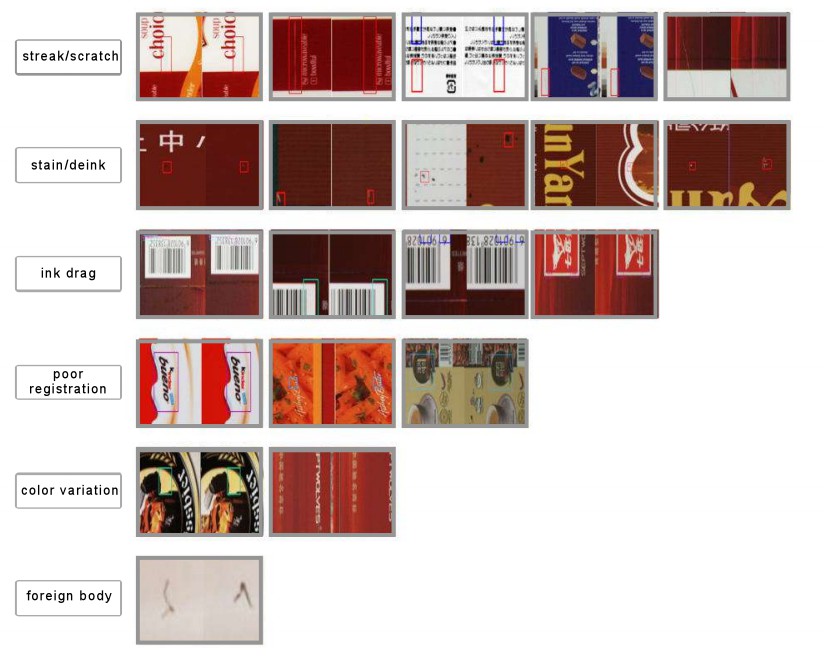
With advanced image analysis algorithms, modern 100% defect inspection systems can identify defects at very small sizes, allowing manufacturers to maintain consistent quality even in high-speed production environments.
2. Improving Real-Time Process Monitoring
Many traditional inspection steps happen only after printing ends. If so, defects may show up after a full roll is done. Then waste can be high. Costs rise because the problem was found late.
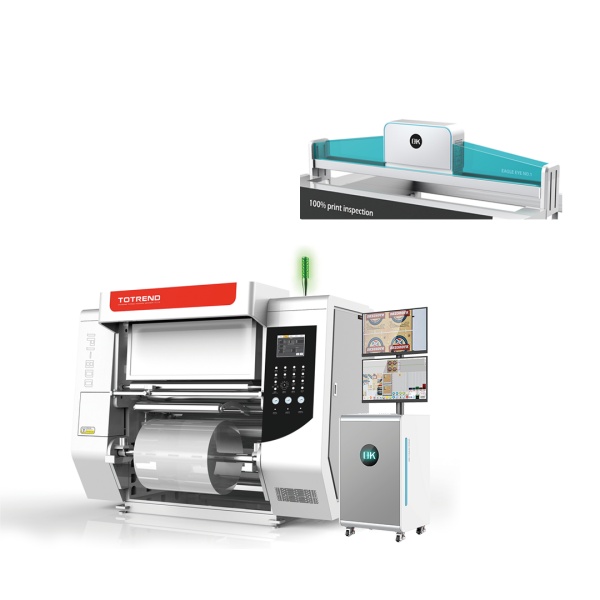
A vision inspection system looks during the print. If a defect appears, the printing quality inspection system can mark where it is and let people know fast. Some systems can also connect to press controls. In those cases, settings may be changed automatically.
For instance, if color moves away from the set value, the team can update ink settings early. Less material gets wasted. If the same kind of defect repeats in one zone, people can check rollers, plates, or the print section sooner. That can stop the issue from getting worse.
Fast feedback helps shift from fixing after the fact. It supports a more careful way to manage the process from the start.
3. Enhancing Production Efficiency and Reducing Waste
Bad prints in web production waste paper or film, slow the line, and can trigger complaints. Vision inspection helps cut these losses by catching defects early.
Since the full web is checked automatically, teams do not have to depend as much on spot checks. Inspection stays more steady, and staff can spend more time on running the job and tuning the process.
Also, when defects are marked correctly, bad sections can be separated from usable material. Instead of tossing a whole roll, companies can cut out only the trouble spots. That reduces material use and lowers costs.
4. Supporting Consistent Quality in High-Speed Printing
High-speed presses make manual checks hard to do well. People can get tired, and small defects may slip by when they watch moving web all day.
The vision inspection system fixes that problem with steady and repeatable checks. Industrial cameras can take many images each second, and software reviews print quality in a consistent way.
This matters a lot in fields with strict rules, such as:
- Food and beverage packaging
- Pharmaceutical labels
- Security printing
- Consumer product packaging
- Electronics packaging
- Flexible packaging materials
In these industries, even small print faults can harm safety, damage brand trust, or break compliance requirements.
5. Integration with AI and Industry 4.0 Technologies
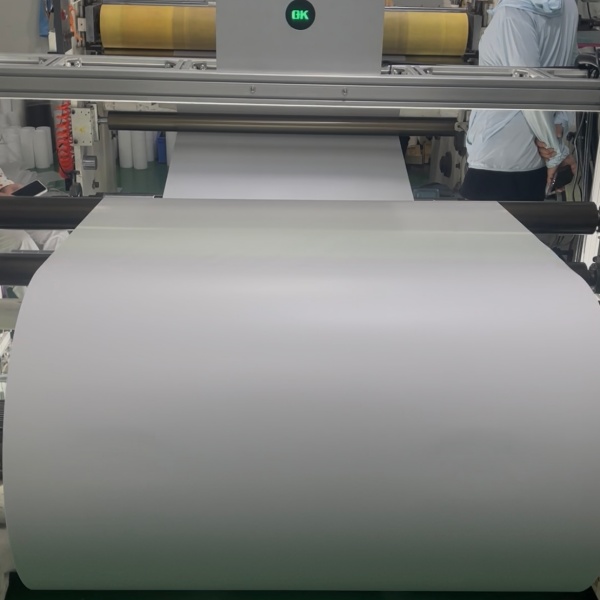
New AI tools and smart factory setups make vision inspection systems better. AI inspection can use past defect cases to improve its results over time.
Machine learning can tell normal changes from real defects. That means fewer false alarms and smoother inspection work. Deep learning is also used more often for harder defect types, like odd shapes, faint color shifts, and surface issues.
With Industry 4.0 systems, AI-powered quality inspection systems can gather production data and show what is happening in print quality. Plant teams can look at defect patterns, improve their settings, and plan maintenance before failures.
When it connects to factory networks, cloud tools, and MES, quality data can move across departments. This helps overall control in daily operations.
6. Improving Traceability and Quality Documentation
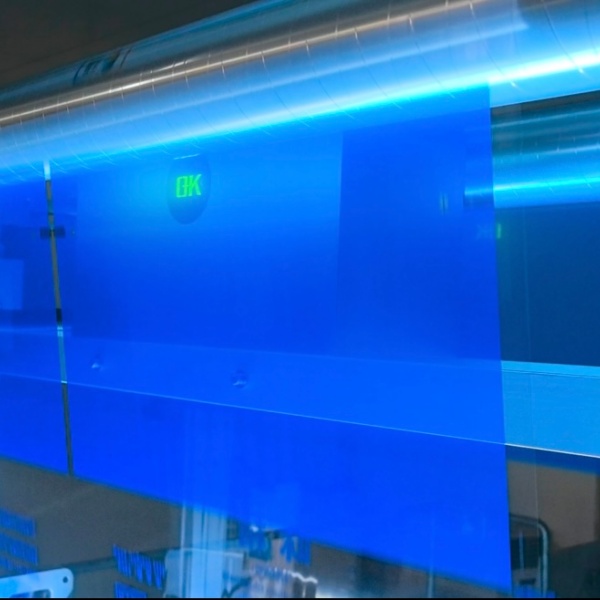
A key gain from vision inspection systems is better product traceability. A lot of these tools can save photos from the line, log defect details, and record production settings. Later, teams can look back and study what happened.
With this record trail, makers can:
- Check quality problems by production batch
- Spot defect patterns that repeat
- Share quality summaries with buyers
- Meet required documentation needs
- Refine future runs and reduce errors
For industries that demand tight quality control, stored inspection data adds more assurance and clarity across the supply chain.
7. Reducing Dependence on Manual Inspection
Manual inspection still matter in some sites, but they do not scale well. People can lose focus during long runs. It gets even harder when defects are tiny or the web speed is high.
Vision inspection systems keep checking all the time. They do not tire, so the results stay steady. They also do not have to remove workers. Instead, the system gives clear signals, and staff can react quicker.
When automation and trained operators work together, quality control becomes smoother and more dependable.
8. Enhancing Customer Satisfaction and Brand Reputation
Product quality shapes how customers feel about a brand. In packaging and labeling work, looks and text accuracy matter a lot. Even small flaws can hurt how customers judge the product.
By keeping print output steady and cutting down on bad pieces, 100% printing vision inspection systems help companies ship dependable items. Better checks also build buyer confidence and help keep long-term accounts.
Future Development of Vision Inspection Systems for Web Printing
Future vision inspection technologies for quality control in web printing will keep getting faster and easier to connect. AI features, sharper cameras, and improved image processing will help systems find complex defects.
| Future Development Trend | Technology Direction | Application in Web Printing | Benefits |
| AI-Powered Defect Detection | Use of artificial intelligence and deep learning algorithms to analyze complex printing patterns | Automatically identifies defects such as subtle color differences, irregular patterns, and small surface errors | Improves detection accuracy and reduces false alarms |
| Higher-Resolution Imaging Technology | Development of advanced industrial cameras with higher speed and resolution | Captures more detailed images of printed surfaces during high-speed production | Enables detection of smaller defects and improves inspection reliability |
| Real-Time Automated Quality Control | Integration of inspection systems with printing machines and control software | Provides instant feedback and automatically adjusts printing parameters | Reduces production errors and minimizes material waste |
| Deep Learning-Based Pattern Recognition | Machine learning models trained with large defect image databases | Recognizes new and complex defect types without relying only on fixed inspection rules | Enhances flexibility for different printing applications |
| Smart Lighting and Imaging Systems | Advanced lighting technologies optimized for different substrates and inks | Improves visibility of defects on transparent films, glossy materials, and textured surfaces | Increases inspection accuracy under challenging conditions |
| Cloud-Based Quality Management | Remote data storage, analysis, and reporting platforms | Allows manufacturers to monitor printing quality from multiple locations | Improves traceability and supports remote quality control |
| Automated Defect Classification and Reporting | Intelligent software categorizes defects and generates quality reports automatically | Records defect type, location, frequency, and production conditions | Simplifies quality analysis and improves production optimization |
| Robotic and Automated Inspection Systems | Combination of vision inspection systems with robotics and automation equipment | Performs inspection, marking, and handling tasks with minimal human intervention | Increases efficiency and supports unmanned production lines |
| Sustainable Printing Quality Control | Smart inspection combined with waste reduction technologies | Prevents excessive material usage and reduces defective output | Supports environmentally friendly and cost-efficient production |
As printing manufacturers keep pushing for higher output, lower impact, and zero defect goals, vision inspection will likely take on an increasingly important role in modern web printing operations.
Final Thoughts
Vision inspection systems have transformed quality control in web printing. They provide continuous and accurate defect detection. With better cameras, smarter software, and real-time monitoring, these systems help reduce waste and improve output stability. They also improve overall production efficiency.
As AI and Industry 4.0 grow in use, vision inspection systems do more than find defects. They now support better quality control in printing plants. This helps manufacturers run production more smoothly, keep quality consistent, and stay competitive in an increasingly demanding market.